Where the Hanson Buck Was Taken
For many hunters, the quest for a world-class whitetail buck is a lifelong pursuit, often filled with endless scouting, early mornings, and bitter disappointments. But for a rare few, destiny aligns, and a moment in the stand or on the stalk becomes legendary. In Saskatchewan, the name "Hanson Buck" echoes through every serious whitetail hunter's dreams, representing the pinnacle of typical whitetail racks. This guide delves into the precise circumstances and location where this monumental buck was harvested, offering insight into the factors that converged to produce such a magnificent animal in the heart of the prairies.
Unraveling the Legend: The Hanson Buck's Origin Story
The story of the Hanson Buck isn't just about a massive set of antlers; it's about a hunter, a moment in time, and a landscape that consistently produces giants. This buck stands as a testament to Saskatchewan's rich whitetail potential, forever etched into the annals of hunting history. Understanding its origins helps us appreciate the scale of its achievement.
The Man Behind the Bow: Milo Hanson's Hunt
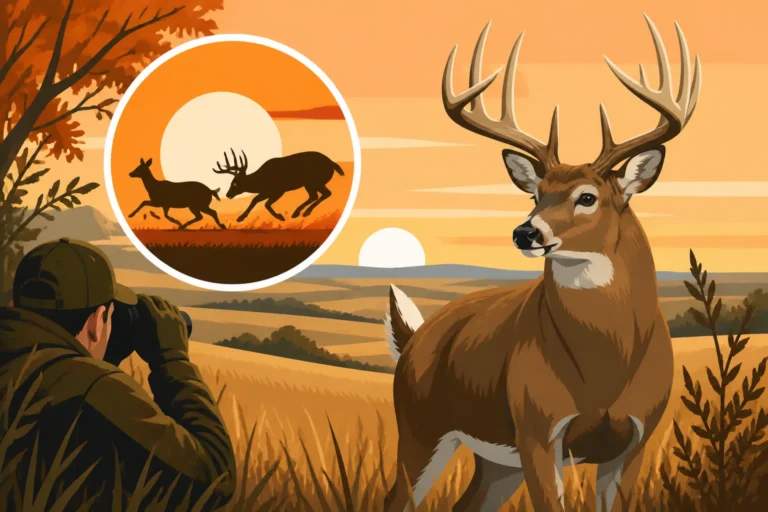
On a crisp November morning in 1993, Milo Hanson, a local farmer and seasoned hunter, set out in search of a whitetail on his own land near Biggar, Saskatchewan. He was carrying a rifle, not a bow, but the precision and patience required for such a harvest mirror the dedication of any serious hunter. Milo was intimately familiar with the land, having hunted it for years, and possessed that intuitive knowledge of deer movement that only comes from deep connection to a place. The story goes that he had encountered this particular buck previously, recognizing its exceptional size. This wasn't a random encounter with an unknown deer; it was the culmination of knowing the land and its inhabitants, understanding how whitetails navigate the vast agricultural landscape. The conditions were quintessential Saskatchewan rut weather – cold, with a bit of fresh snow, perfect for deer movement. Milo's account describes a quick, ethical shot, ending a pursuit that had captivated his attention.
A Record-Breaking Rack: The Buck's Unmatched Stats
What truly set the Hanson Buck apart, and what continues to captivate hunters worldwide, are its incredible dimensions. It boasts a perfectly symmetrical 12-point typical frame, with exceptional mass and tine length. When officially scored by Boone & Crockett, the net typical score was an astounding 213 5/8 inches. To put that into perspective, the previous world record had stood for decades. This wasn't just a big buck; it was a buck that redefined what hunters thought was possible for a typical whitetail. Its symmetry and sheer size make it instantly recognizable, even to those who have only seen photos. The G2s and G3s were particularly long, adding significantly to its incredible score. The antlers weren't just wide, they were tall and carried exceptional mass throughout, a clear indicator of the buck's age, nutrition, and superior genetics. This deer wasn't just impressive visually, its numbers were unequivocally staggering, setting a new benchmark that has stood the test of time. For anyone interested in Saskatchewan's Top Typical Whitetails, the Hanson Buck is always the first mentioned.
The Mythic Location: Where History Was Made
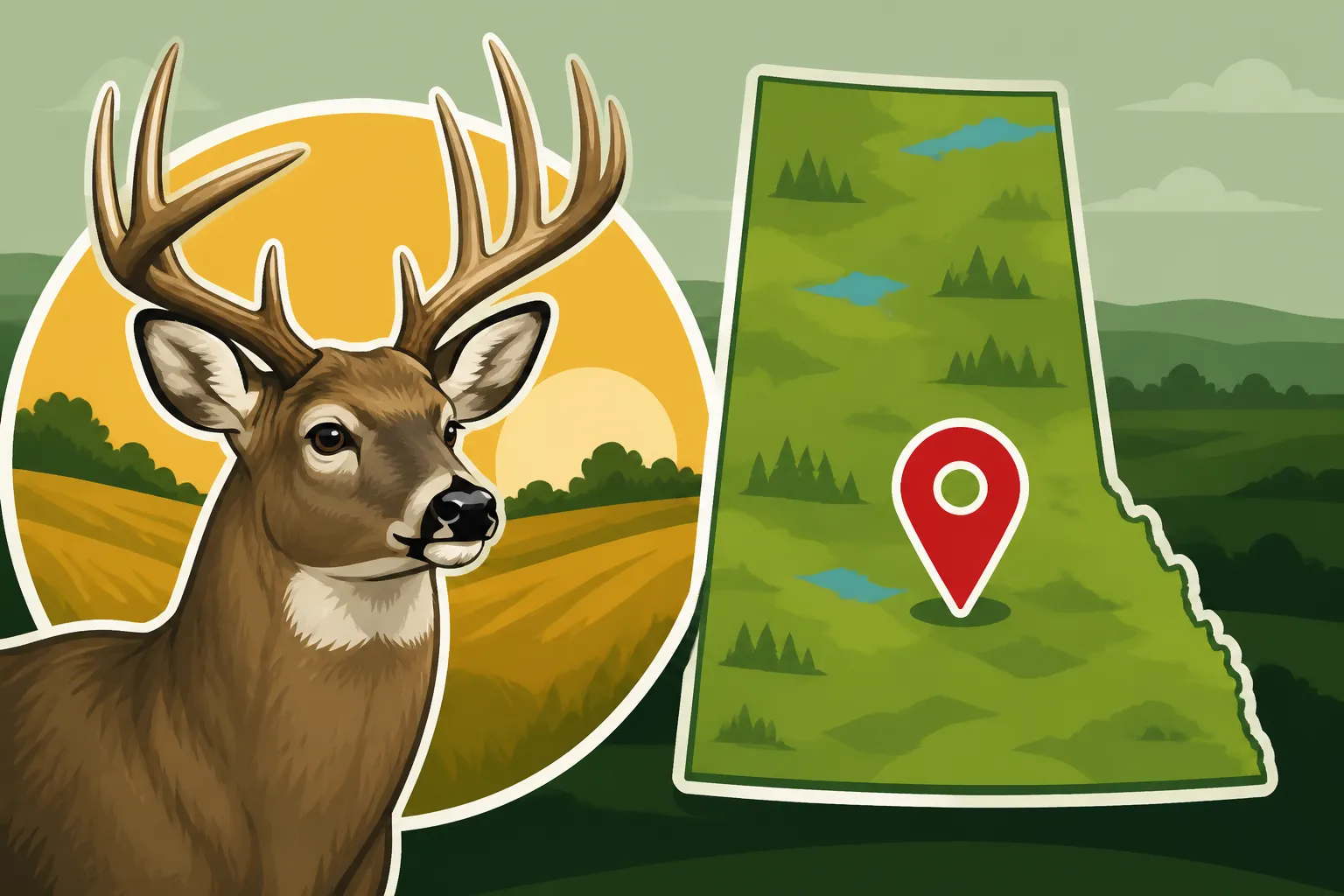
The legend of the Hanson Buck is inextricably linked to its birthplace: the rich, fertile farmlands of west-central Saskatchewan. While often broadly stated, pinning down the specific area offers a deeper appreciation for the habitat that fostered such a magnificent animal. It’s a landscape that many hunters might overlook, but it holds secrets for those who know how to read it.
The Specifics of the Saskatchewan Farmland
The Hanson Buck was taken just outside of the town of Biggar, Saskatchewan. This area falls squarely within Saskatchewan's aspen parkland region, though it leans heavily towards the cultivated farmland edge. The geography here is a mix of vast grain fields—primarily wheat, barley, canola, and peas—interspersed with bluffs of aspen, willow, and poplar. These bluffs, often found in low-lying areas, around sloughs, or along old homesteads, provide crucial cover, bedding, and browse for deer. Unlike the dense boreal forest further north, or the wide-open prairie further south, this "forest fringe" offers a mosaic of agriculture and natural cover that whitetails thrive in. The exact quarter section where Milo Hanson took the buck remains a point of local pride and quiet respect, a testament to the potential hidden within what might appear to be ordinary farming country. For hunters looking to understand similar terrain, articles like Hunting a Bluff Between Two Fields or Hunting Whitetails on Saskatchewan Farmland can offer valuable insights.
The Habitat that Bred a Giant
The specific habitat around Biggar is a prime example of why Saskatchewan is renowned for its trophy whitetails. The combination of abundant, high-protein agricultural crops provides an incredible nutritional base, allowing deer to reach their full genetic potential. Imagine a deer having access to endless fields of nutrient-rich canola and peas—it’s like an all-you-can-eat buffet that fuels massive antler growth. Coupled with this, the scattered bluffs and shelterbelts offer secure bedding cover, protection from the harsh prairie winds, and natural travel corridors. These pockets of dense bush, even small ones, are vital sanctuaries. Deer can feed heavily in the fields at night or during low light and then retreat to the security of the bush to bed down, largely undisturbed. This unique blend of food and cover creates an ideal environment for whitetails to not only survive but to thrive and grow to exceptional size and age, factors critical for any record-book animal. The ability of bucks to reach maturity in such areas is a key ingredient in producing giants.
Why This Region? Factors Contributing to the Legend
The Hanson Buck wasn't a fluke; it was a product of the specific ecological and environmental conditions unique to its home range. Understanding these factors provides a blueprint for what makes Saskatchewan such a world-class destination for whitetail hunting. It’s a confluence of elements that create the perfect storm for big bucks.
Genetics, Nutrition, and Age: The Perfect Storm
The trinity of genetics, nutrition, and age is absolutely critical for any deer to achieve trophy status, and the Hanson Buck exemplified this perfectly.
Firstly, genetics: the deer in Saskatchewan's parkland and farmland interface are known for having excellent genetic potential for antler growth. While you can't see genes, the consistent production of large-racked deer in the region speaks volumes about the inherent quality of the local deer herd.
Secondly, nutrition: as mentioned, the vast agricultural lands provide an unparalleled food source. Protein-rich crops like peas, lentils, and canola, combined with natural forage, ensure that deer have all the necessary building blocks for bone and antler development. A buck with poor nutrition, no matter how good its genes, won't grow a massive rack. This abundance allows deer to recover quickly from the stresses of the rut and harsh winters, putting energy into antler growth. This makes Why Saskatchewan Bucks Grow So Large a fascinating topic for many.
Finally, age: for a buck to grow a rack of the Hanson Buck's caliber, it needs to be old. We're talking 5.5, 6.5, or even 7.5 years old. This level of maturity allows the buck to express its full genetic potential. In areas with lower hunting pressure or ample secure cover, bucks are more likely to survive long enough to reach these older age classes. The combination of these three factors is rare, making the Hanson Buck truly exceptional.
Hunting Pressure and Refuge Areas
While Saskatchewan is a popular hunting destination, the specific area where the Hanson Buck was taken often benefits from a balance of hunting pressure and secure refuge. Farmland hunting can sometimes be intense, but the sheer vastness of the landscape and the numerous small, private landholdings mean that many pockets of habitat go relatively undisturbed. These areas act as critical refuge for deer. Bucks learn where they are safe and will often retreat to these areas during periods of high pressure. A hunter using a tool like GoHunt to scout and identify these less-pressured areas, combined with securing proper land access, can increase their odds significantly.
Furthermore, hunters often gravitate towards more accessible crown land or larger tracts of bush. The smaller, isolated bluffs and uncultivated edges within active farmland might be overlooked, providing sanctuary for mature bucks that are experts at avoiding detection. This low-to-moderate pressure in key bedding areas, combined with an abundance of food, allowed the Hanson Buck to age gracefully and pack on impressive antler growth year after year without being harvested prematurely. It's a testament to the idea that sometimes the biggest bucks aren't found in the most remote wilderness, but in those overlooked corners where food and cover meet with just the right amount of security. Understanding Hunting Saskatchewan's Aspen Parkland Bluffs can help hunters identify these prime refuge zones.
The Lasting Impact: The Hanson Buck's Legacy
More than thirty years later, the Hanson Buck remains a symbol not just of a great hunt, but of Saskatchewan's unique place in the whitetail hunting world. Its legacy extends far beyond a single set of antlers, influencing how hunters perceive and pursue deer in the province and beyond.
Elevating Saskatchewan's Reputation
Before the Hanson Buck, Saskatchewan was certainly known for good deer hunting, but it wasn't universally recognized as the place for world-record whitetails. Milo Hanson's incredible harvest changed that perception overnight. Suddenly, Saskatchewan was on every serious whitetail hunter's radar. The buck became a magnet for hunters from across North America and even internationally, eager to experience the potential of the province. It cemented Saskatchewan's reputation as a premier destination for trophy whitetails, attracting investment in outfitters and guide services and boosting hunting tourism. This spotlight didn't just fade; it ignited a sustained interest that continues to this day, with many hunters actively pursuing Whitetail Hunting in Saskatchewan hoping for their own piece of history. The Hanson Buck wasn't just a record; it was a global advertisement for the province's hunting opportunities. When hunters use resources like GoHunt to research potential hunting areas, Saskatchewan invariably features prominently on lists of top trophy whitetail destinations, largely thanks to this iconic buck.
Inspiring a Generation of Hunters
The story of the Hanson Buck has done more than just put Saskatchewan on the map; it has inspired countless hunters. It’s a powerful narrative that proves that record-book animals aren't just found in remote, inaccessible wilderness. They can be found in familiar places, often on land that is routinely farmed. This provides hope and motivation to everyday hunters who may not have access to vast private ranches or distant wilderness areas. It encourages a deeper appreciation for local whitetail populations and the habitat they rely on. The Hanson Buck stands as a tangible goal, a dream that feels just a little more attainable because it happened to an ordinary hunter on ordinary Saskatchewan farmland. It pushes hunters to be more diligent in their scouting, more patient in their approach, and to truly understand the deer and the land they pursue. It’s a reminder that sometimes, the biggest buck of your life might be closer than you think, waiting in a forgotten willow run or on the edge of a standing canola field. Many hunters still dream of Hunting the Forest Fringe for Big Bucks because of this inspiring story.
Understanding the Landscape: A Key to Success
The story of the Hanson Buck underscores the importance of truly understanding the landscape you hunt. Saskatchewan is a diverse province, but certain patterns emerge when it comes to trophy whitetails.
The Agricultural Advantage
Saskatchewan's agricultural landscape is arguably its biggest asset for growing large whitetail bucks. The vast fields provide an unparalleled food source that is high in protein and readily available. Deer spend considerable time feeding in these fields, especially during the fall when crops are ripe or after harvest when dropped grain offers a continuous buffet. This abundance translates directly into impressive body weights and exceptional antler growth.
| Feature | Impact on Whitetails (Biggar Area) |
|---|---|
| Grain Fields | Abundant, high-protein food source for rapid antler growth. |
| Aspen Bluffs | Crucial bedding cover, thermal protection, and escape routes. |
| Willow/Poplar Draws | Travel corridors, secondary browse, and water access. |
| Sloughs/Wetlands | Water source, dense cover, and natural barriers to movement. |
| Farmsteads | Often abandoned, they provide thick cover and structure. |
This table highlights how the different elements of the landscape work together to support a healthy, trophy-producing deer herd. When Scouting a Saskatchewan Wildlife Management Zone, paying attention to the interface between agriculture and natural cover is paramount.
Reading the Rut in the Parkland
Milo Hanson's buck was taken in November, during the peak of the whitetail rut in Saskatchewan. This is a crucial time for hunting, as bucks are more active, less cautious, and moving more during daylight hours in search of does. Understanding Hunting the Rut in Early to Mid November is key. The combination of excellent habitat, mature bucks, and the heightened activity of the rut period creates prime conditions for hunters. During this time, bucks will travel widely, often utilizing sparse cover or field edges they might avoid earlier in the season. Learning how to read sign, identify rub lines and scrapes, and predict travel patterns becomes even more critical. Many hunters utilize tools like GoHunt to layer aerial imagery with land ownership, helping them to pinpoint potential travel corridors and pinch points where a cruising buck might appear. The Hanson Buck's story is a powerful reminder of what's possible when the timing, the location, and the hunter all align.
Disclaimer
This article is for general informational purposes only and does not constitute professional advice. Laws, prices and regulations vary by location and change over time. Consult a qualified professional for guidance on your specific situation.