What a Pronghorn Buck Weighs
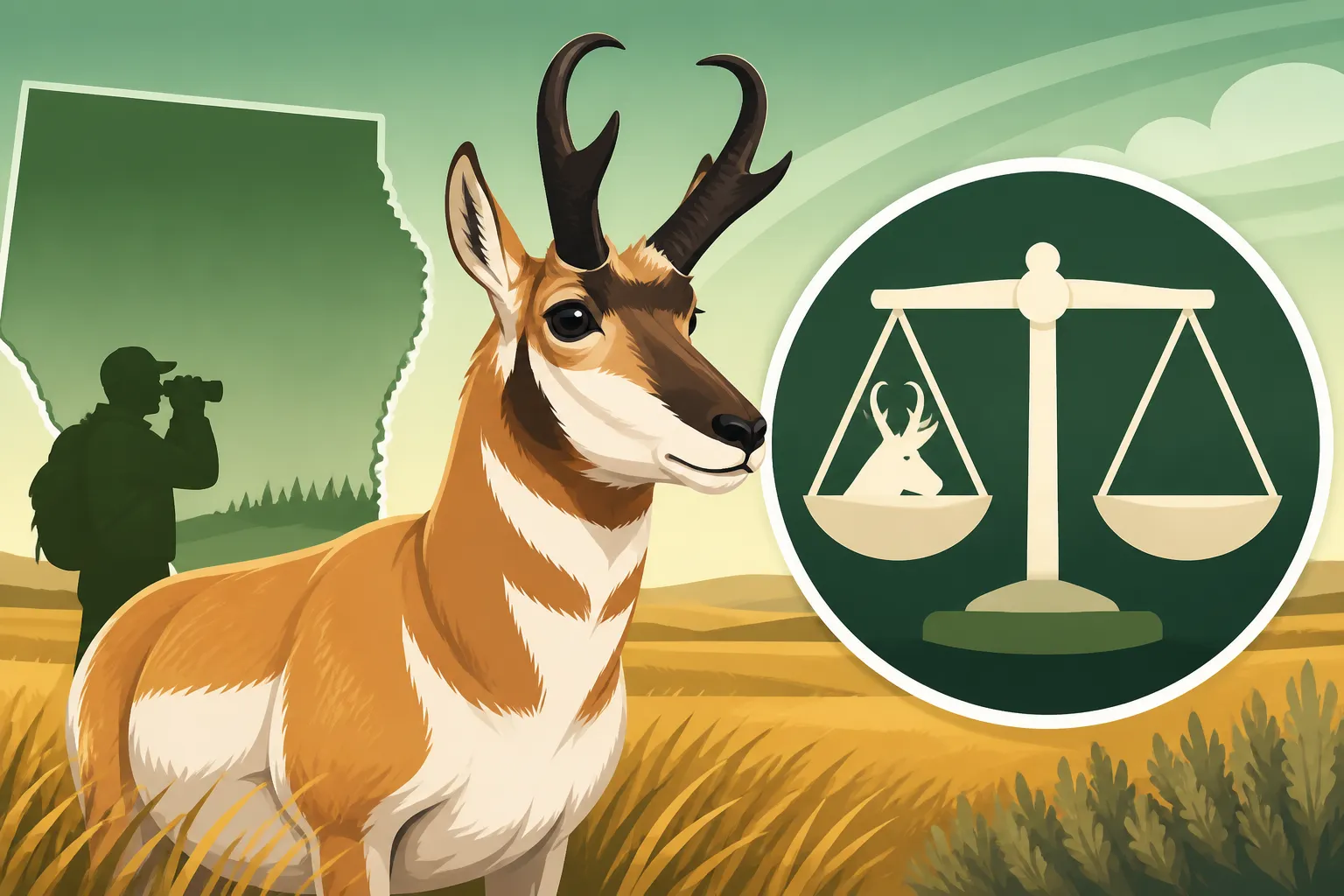
When you're out on the vast Saskatchewan prairie, spotting a magnificent pronghorn buck can ignite a flurry of questions. Among the first might be, "Just how big is that animal?" Hunters often wonder about the typical size and weight of these incredible animals, not just for bragging rights, but for practical reasons related to field dressing, meat care, and understanding the health of the herd. This guide will delve into what you can expect a Saskatchewan pronghorn buck to weigh, exploring the factors that contribute to their size and providing practical insights for your next hunt.
The Typical Range of a Saskatchewan Pronghorn Buck's Weight
Spotting a pronghorn buck is a thrill, and immediately, your mind starts to gauge its size. While they aren't the largest big game animal in Saskatchewan, they certainly pack a punch for their stature, especially when you consider their incredible speed and stamina.
Average Live Weight
Generally, a mature Saskatchewan pronghorn buck will typically weigh in the range of 110 to 140 pounds (50 to 64 kg) live weight. Some exceptional specimens, particularly older, well-fed bucks, might push past that 140-pound mark, occasionally reaching up to 150-160 pounds, but these are less common. Does, on the other hand, tend to be quite a bit smaller, often ranging from 90 to 110 pounds. This difference in size can sometimes be a helpful, though not foolproof, indicator when you're trying to distinguish between a buck and a doe at a distance, especially during the early season before their horns are fully developed or when you're Glassing Saskatchewan Prairie for Pronghorn
When you compare this to a whitetail deer, which can easily reach 200-300 pounds in the province, a pronghorn feels much lighter. However, don't let that fool you into thinking they're easy to handle. They're surprisingly muscular and compact, designed for explosive speed across open ground.
Why There's a Range in Sizes
It's important to remember that these are just averages. Like any wild animal population, individual pronghorn bucks will vary in size due to a multitude of factors. You might see a younger, perhaps two-year-old buck, that's just breaking the 100-pound mark, while a wise, old five or six-year-old patriarch of the prairie could be significantly heavier.
The general health of the herd in a particular area, often influenced by environmental conditions in recent years, also plays a huge role. If there's been a series of mild winters and lush summers with abundant forage, you're more likely to see heavier, healthier animals. Conversely, a harsh winter or a prolonged drought can lead to bucks coming into the fall season with less body mass. Hunters who spend time in the same areas year after year, perhaps by using tools like GoHunt to analyze historical data or recent surveys, often develop a keen sense for these year-to-year fluctuations.
Key Factors Influencing Pronghorn Body Mass
The weight of a pronghorn buck isn't just a random number; it's a reflection of its life story, its environment, and its genetic makeup. Understanding these factors can give you a better appreciation for the animal you're pursuing.
Age and Maturity
Without a doubt, age is one of the most significant determinants of a buck's weight. A pronghorn buck typically reaches its peak physical maturity, and thus its maximum body weight, between four and six years of age.
- Young Bucks (1-2 years old): These animals are still growing. They're often lean and don't carry the heavy musculature of older bucks. Their focus is on growth, and they're still learning the ropes of survival on the prairie.
- Middle-Aged Bucks (3-5 years old): This is often when bucks hit their stride. They've learned how to find the best forage, conserve energy, and avoid predators. Their bodies fill out, and they develop the robust physique that allows them to compete for does during the rut.
- Older Bucks (6+ years old): While some might maintain their weight, others might start to decline slightly in body condition if they've had a particularly tough year or their teeth are worn down. However, they often carry a lifetime of muscle and fat reserves, making them still very substantial animals. You often see these older bucks alone or with a few younger bucks, sometimes holding territory or resting up after a tough rut season. Understanding how to Age a Deer by Its Teeth can provide deeper insights into the animal's life history post-harvest.
Diet and Habitat Quality
The old adage "you are what you eat" holds true for pronghorn. Their diet consists primarily of forbs, sagebrush, cactus, and various grasses found in their grassland habitat. The quality and abundance of this forage directly impact their ability to gain and maintain weight.
- Forage Richness: Areas with a diverse range of high-protein forbs and browse will naturally support heavier animals. Saskatchewan's native grasslands, particularly those in the southwestern regions like the Great Sand Hills or Missouri Coteau, can provide excellent feeding grounds.
- Water Availability: Adequate water sources are crucial, especially during dry spells. Pronghorn can obtain a good deal of moisture from their diet, but readily available water holes or prairie dugouts can reduce stress and allow them to spend more energy on growth rather than searching for moisture.
- Mineral Content: The mineral content of the soil, which in turn influences the plants, also plays a subtle but important role in overall health and development, including bone and muscle mass. When you're Hunting Pronghorn Near a Prairie Water Hole, you're often hunting a key resource that contributes to their overall health.
Environmental Conditions
Mother Nature has a profound impact on pronghorn populations and individual animal health.
- Winter Severity: Harsh winters with deep snow and prolonged cold can take a heavy toll. Bucks might enter the spring in poor condition, having burned through much of their fat reserves just to survive. This can lead to lighter weights the following fall. Learning How Pronghorn Survive a Prairie Winter highlights their incredible resilience but also their vulnerability to extreme conditions.
- Drought: Extended periods of drought reduce forage quality and quantity, putting stress on the animals. They might travel farther for food and water, expending valuable energy that would otherwise go towards body mass.
- Disease and Parasites: While less common for hunters to directly observe, outbreaks of disease or high parasitic loads can also impact an animal's health and weight. Chronic Wasting Disease (CWD), for example, is a concern for cervids in Saskatchewan, though its direct impact on pronghorn is still being studied.
Live Weight Versus Dressed Weight for Hunters
For hunters, understanding the difference between live weight and dressed weight is absolutely critical. It impacts how you plan your retrieval, how much meat you'll take home, and how you communicate with a butcher.
Understanding the Difference
- Live Weight: This is the total weight of the animal as it stands, including all internal organs, blood, hide, and head. As we discussed, for a mature Saskatchewan pronghorn buck, this is typically in the 110-140 pound range.
- Dressed Weight (or Field Dressed Weight): This refers to the weight of the animal after the internal organs (viscera) have been removed. This is the weight you're often dealing with when you're packing an animal out of the field.
The general rule of thumb for pronghorn is that the dressed weight will be approximately 65-70% of the live weight. So, a 130-pound live weight buck would yield roughly 85-91 pounds of dressed carcass.
Here’s a quick table to illustrate the difference:
| Live Weight (lbs) | Live Weight (kg) | Estimated Dressed Weight (lbs) | Estimated Dressed Weight (kg) |
|---|---|---|---|
| 110 | 50 | 72 – 77 | 33 – 35 |
| 120 | 54 | 78 – 84 | 35 – 38 |
| 130 | 59 | 85 – 91 | 39 – 41 |
| 140 | 64 | 91 – 98 | 41 – 44 |
| 150 | 68 | 98 – 105 | 44 – 48 |
Practical Implications for Pack-Out and Processing
Knowing these numbers is more than just trivia; it directly influences your hunting strategy and logistics.
- Physical Effort: Even a dressed pronghorn at 80-90 pounds, plus the weight of its head and cape (if you're saving it for a mount), can be a significant load to carry across open prairie. This is especially true if you've had a successful Stalking Pronghorn Across Open Ground hunt far from your vehicle. Many hunters will quarter the animal to make the pack-out easier, distributing the weight into a good hunting pack.
- Cooling the Carcass: The relatively lean nature of pronghorn means they cool down quite quickly compared to larger game. This is a benefit, especially during Saskatchewan's warmer early September archery seasons, but you still need to get that hide off and the meat cooling as soon as possible to ensure quality. If you're out late in the season, you might not have to worry as much about heat, but Meat Care in Saskatchewan's Cold Snaps becomes important to prevent freezing before processing.
- Butcher Expectations: When you drop off an animal at a butcher, they often operate on dressed weight or will ask for an estimate of the dressed weight. Being able to provide a realistic figure helps them manage their workload and estimate your final yield. Don't forget to remove the scent glands when field dressing to keep the meat tasting its best.
Field Judging Weight and Post-Harvest Considerations
Accurately judging the live weight of a pronghorn buck in the field is a skill that comes with experience. Even then, it's more about comparative estimation than precise measurement.
Challenges of Estimating Weight in the Field
The open, expansive landscape that pronghorn inhabit makes judging distances and sizes notoriously difficult. A buck might look massive from a quarter-mile away, only to appear average once you get closer.
- Lack of Scale: Unlike hunting in timber where you might have trees or brush to provide a sense of scale, the vastness of the prairie offers few immediate reference points.
- Body Proportions: Pronghorn have relatively long legs and a compact body, which can sometimes make them appear lighter than they actually are. Their striking white patches and dark markings also contribute to optical illusions.
- Varying Conditions: Lighting conditions, mirage, and the angle at which you view the animal can all distort your perception of its size.
Instead of focusing on an exact weight, most experienced hunters aim to judge a buck's overall maturity and health. Look for a deep chest, a filled-out hindquarter, and a solid, confident gait. These indicators often correlate with an older, heavier animal. GoHunt's scouting tools, with their detailed topographical and land ownership maps, can help you identify areas known for healthier game, but the real test is always in the field.
Meat Care for Your Pronghorn Buck
Once you've harvested a pronghorn buck, proper meat care is paramount, regardless of its exact weight. Pronghorn meat is lean and delicious, but it can spoil quickly if not handled correctly.
- Immediate Field Dressing: As soon as the animal is down, get to it quickly and begin field dressing. Remove all internal organs promptly to allow the carcass to cool.
- Skinning and Cooling: If temperatures are warm (above 40°F or 4°C), skin the animal as soon as possible. Even if you're not quartering it for a long pack-out, getting the hide off will drastically improve cooling. Prop the cavity open with a stick to allow air circulation.
- Cleanliness: Keep the meat as clean as possible. Avoid dragging it through dirt and keep it away from any bodily fluids. A clean game bag is invaluable for protecting the meat from insects and debris.
- Transportation: Once dressed and cooled, transport your pronghorn to a meat processor or your home cooler quickly. Even on cooler days, leaving a carcass exposed to the elements for too long can degrade the meat quality. Consider an insulated cooler with ice if you have a longer drive.
Proper care ensures that the effort put into your hunt translates into high-quality table fare.
Disclaimer
This article is for general informational purposes only and does not constitute professional advice. Laws, prices and regulations vary by location and change over time. Consult a qualified professional for guidance on your specific situation.