How Wildfire Changes Northern Game Range
Northern Saskatchewan's landscapes are often shaped by the incredible power of wildfire, and for hunters, understanding these changes can feel like trying to read a completely new map. A devastating forest fire doesn't just clear trees; it fundamentally alters the entire ecosystem, impacting everything from vegetation and water sources to the very movement and diet of the game animals we pursue. This guide will walk you through how these dramatic events reshape the northern game range, helping you understand both the challenges and the unexpected opportunities they present for hunting in Saskatchewan's recovering boreal forests.
The Immediate Aftermath: Shock and Displacement
When a wildfire tears through a northern forest, the immediate impact is nothing short of catastrophic. The roar, the smoke, the intense heat – it’s a force that consumes everything in its path, leaving behind a stark, blackened landscape. For wildlife, this isn't just a loss of habitat; it's a fight for survival, forcing them to make immediate, drastic adjustments.
Loss of Cover and Shelter
Imagine standing in a dense spruce or pine forest one day, where thick canopy provides shade, shelter from the wind and snow, and crucial hiding spots from predators. The next day, after a raging fire, that forest might be reduced to charred stumps and ash. This sudden and total loss of cover is perhaps the most immediate challenge for game animals. Whitetails and moose, which rely on dense stands for bedding and thermal protection, find themselves exposed. Black bears lose their natural denning sites and the protective thickets where cubs are raised. The animals that manage to escape the fire's path are often pushed into adjacent, unburned areas, increasing competition for resources and making them more visible to both human and natural predators. It's a scramble for safety, and the animals are under immense stress as they try to find any remaining pockets of refuge.
Impact on Food Sources and Water
While some animals might initially find temporary reprieve from the fire itself, the loss of food sources can be just as devastating. Mature trees that provided leaves, twigs, and bark, along with berry bushes and low-lying shrubs, are all consumed. This immediately deprives herbivores of their primary forage. Ash from the burn can also contaminate water sources, making them undrinkable or dramatically altering their chemical composition. Many northern Saskatchewan water bodies, like those you might find while Hunting a Beaver Dam Crossing, can experience significant changes. Animals dependent on specific plants or berries, such as black bears in the fall, will be forced to travel much further to find sustenance. This initial phase is a period of scarcity, where animals either disperse widely in search of unburned pockets of food and clean water, or they simply don't survive. It's a stark reminder of how interconnected the forest ecosystem truly is.
Animal Movement and Dispersal
In the immediate wake of a fire, game animals, if they survive, are in survival mode. Their instincts kick in, driving them to flee the inferno and seek safety. This often leads to significant, sometimes long-distance, dispersal into unburned areas. Deer, moose, and bear will push into neighboring forest fringe, river valleys, or even farmland regions if they're close enough, creating temporary spikes in game density in these adjacent zones. This movement can sometimes be quite dramatic, with animals showing up in places they normally wouldn't frequent. For hunters, this means the unburned fringes surrounding a large burn can become temporary hotspots, but it also means understanding that these animals are under immense pressure and might be behaving erratically. Eventually, as the immediate danger passes, some animals will begin to cautiously explore the edges of the burn, drawn by the faint promise of future regrowth.
The Recovery Phase: New Growth and Changing Habitat
While the initial devastation of a wildfire is stark, the boreal forest is remarkably resilient. Within a surprisingly short time, life begins to return, and this recovery phase fundamentally reshapes the game range, often creating entirely new opportunities for wildlife and, consequently, for hunters.
Pioneer Plants and Early Successional Browse
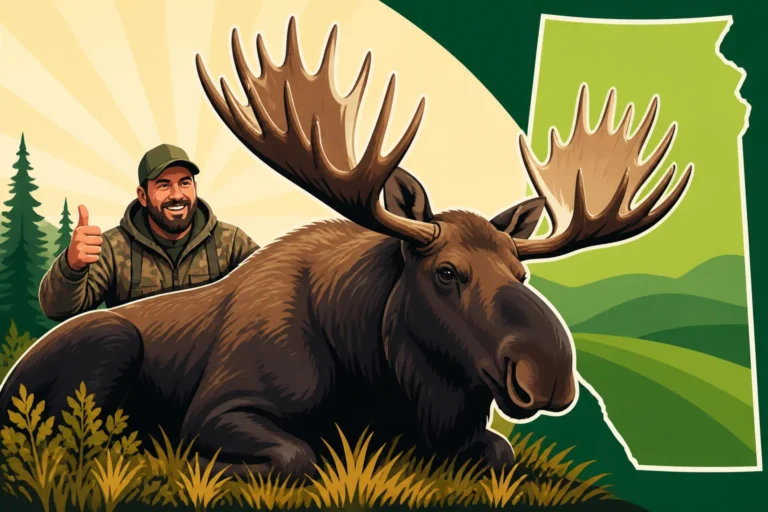
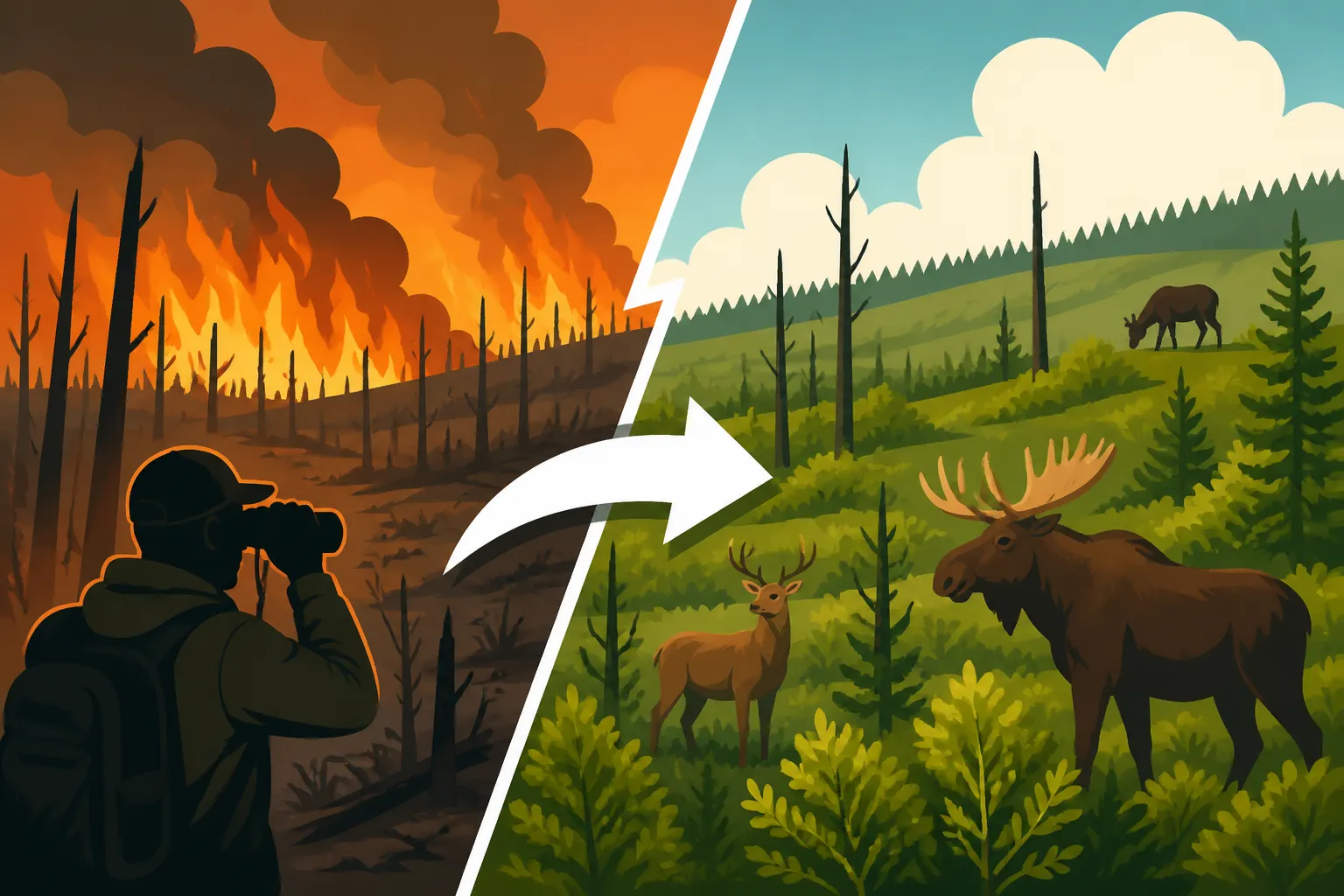
One of the most profound changes post-fire is the explosion of pioneer plant species. These hardy plants are the first to colonize the ash-enriched soil, taking advantage of the increased sunlight and nutrient availability. Think of species like fireweed, aspen saplings, willow, birch, and various grasses. These aren't just pretty flowers; they are highly nutritious and digestible browse for many ungulates. Moose, in particular, thrive on this new growth. Where once there was a mature, dense forest offering limited palatable browse, a regenerating burn offers an all-you-can-eat buffet of tender shoots and leaves. This is a critical factor in Why Burned Ground Grows Big Bulls in the years following a significant fire, as they have access to excellent nutrition that fuels antler growth and body mass. The sheer volume of new, easily accessible forage can transform a previously marginal habitat into a prime feeding ground within a few growing seasons.
Increased Visibility and Edge Effects
A significant side effect of a burn is the dramatic increase in visibility. Where dense stands once blocked sightlines, now hunters can glass much further. This, combined with the emergence of new, tender browse along the edges of the burn, creates fantastic "edge habitat." Game animals are drawn to these edges, where they can feed on the lush new growth while still having quick access to the thicker cover of the unburned forest nearby. It's a perfect blend of food and security. Hunters often find success focusing their efforts on these transition zones, utilizing the improved visibility to spot animals moving between cover and feed. These edge effects can persist for many years, as different parts of the burn regenerate at varying rates, creating a mosaic of open areas and regenerating thickets. Tools like GoHunt can be invaluable here, allowing you to overlay satellite imagery and topo maps to pinpoint these crucial edges and understand the varying stages of regrowth.
The Return of Specific Species
Not all species react to wildfire in the same way, or on the same timeline. Some, like the black bear, are particularly adept at utilizing newly burned areas. They are drawn to the early flush of berries that often appear in a few seasons, like blueberries and saskatoons, which thrive in post-fire conditions. Black Bears in Saskatchewan's Boreal Forest will also find increased insect activity, another food source, and the more open landscape can make travel easier for them as they search for food. Moose also quickly move into recovering burns, feasting on the aspen and willow regrowth. Whitetails might take a bit longer to fully embrace a heavily burned area, preferring pockets of unburned cover within the larger burn, or the thicker adjacent forest, but they too will eventually utilize the new browse. The table below illustrates some of these initial reactions and long-term benefits for common northern game species.
| Game Species | Immediate Reaction (0-1 Year) | Medium-Term Benefit (1-10 Years) | Long-Term Impact (10+ Years) |
|---|---|---|---|
| Moose | Dispersal, loss of forage and cover | Explosive growth of preferred browse (aspen, willow), increased visibility | Thickening forest, reduced browse access, eventual decline in use |
| Whitetail | Dispersal, extreme cover loss | New browse, but limited initial cover, use of edges/pockets | Forest regeneration provides new cover, continued edge use |
| Black Bear | Dispersal, loss of dens and food sources | Abundance of berries, increased insect forage, easier travel | Forest matures, berry production may decrease |
| Elk | Dispersal, loss of forage and cover | Utilizes new grasses and forbs, may expand range into open areas | Thicker timber may reduce suitability |
| Hare/Rabbit | Initial population crash | Lush undergrowth provides new food and escape cover | Population cycles tied to habitat and predator pressure |
Long-Term Impacts and Shifting Game Patterns
The influence of a wildfire doesn't fade after a few years; it can profoundly shape the ecosystem for decades, influencing not just where animals live but how they behave and even their physical characteristics. Understanding these long-term trends is key to successful hunting in Saskatchewan's northern reaches.
Forest Succession and Habitat Evolution
The process of forest succession means that a burned area is constantly evolving. What starts as an open, regenerating shrubland eventually becomes a dense stand of young trees, then a maturing forest. Each stage offers different benefits and challenges for game. Early on, the abundant browse supports large populations of herbivores. As the trees grow taller and the canopy closes, shading out the understory, the amount of available browse decreases. This forces animals like moose to either move to newer burns or to the edges of the maturing forest where light still penetrates. The quality of the browse also changes; while young, tender shoots are highly nutritious, older, woody growth is less so. This continuous evolution means that a prime hunting spot one decade might be less productive the next, pushing savvy hunters to constantly scout and adapt. Utilizing digital mapping tools from providers like GoHunt to track burn dates and recovery stages can be a huge advantage in understanding these habitat shifts.
Population Dynamics and Health
Wildfires can have complex effects on game populations. Initially, there can be localized declines due to direct mortality or dispersal. However, the surge in high-quality forage in the subsequent years can lead to healthier, more robust animals and increased reproductive success. This is often observed in moose, where a new burn can effectively act as a massive feeding ground, allowing them to put on significant weight and grow larger antlers. This effect is a key reason why some areas become renowned for their trophy potential following a fire event. Over time, as the habitat matures and browse decreases, the carrying capacity of the burned area might lessen, leading to a natural adjustment in animal numbers. It’s a dynamic cycle of boom and bust, tied directly to the health and stage of the regenerating forest. Hunters need to appreciate this ebb and flow, knowing that the "hot" spots for game will shift over time.
Predicting Future Hunting Hotspots
For the truly dedicated hunter, understanding wildfire's long-term effects can provide a significant advantage in predicting future hunting hotspots. By knowing when a fire occurred and the general speed of forest regeneration in that area, you can make educated guesses about where animals will congregate for food and cover in the coming years. For instance, a burn that's 3-7 years old will likely be prime for moose due to abundant young aspen and willow. An older burn, perhaps 10-15 years post-fire, might still offer good browse on its fringes, but the interior could be getting too dense, pushing animals towards the edges of unburned stands. This kind of foresight, combined with detailed scouting and tools like those found in Scouting With Satellite Imagery in Saskatchewan, allows hunters to plan for success well in advance, targeting zones that are in their peak productive phase following a burn. Hunting Saskatchewan's Boreal North often involves understanding these fire-driven patterns.
Hunting Strategies in Burned Areas
Hunting a burned-over area requires a distinct approach compared to a healthy, mature forest. The landscape is different, the animals behave differently, and safety considerations become even more critical.
Scouting and Access Considerations
Before you even set foot in a burned area, extensive scouting is paramount. The terrain can be drastically altered, with fallen timber, hidden ash pits, and new erosion channels. Satellite imagery is your best friend here. Look for the perimeters of the burn, areas of varying burn intensity, and pockets of unburned forest that might serve as refugia. GoHunt's mapping capabilities, which allow you to layer different satellite views and topography, are excellent for this. Pay close attention to how deer, moose, or bear might navigate the area – look for natural travel corridors, ridge lines, or drainages that have emerged. Hunting a Burned-Over Boreal Block means being prepared for challenging travel conditions. Access roads that once existed might be obliterated, or overgrown with new vegetation, requiring you to consider different entry and exit points. Remember to check local regulations regarding vehicle access on Crown Land, as some burned areas may have restrictions in place for regeneration or safety.
Reading Sign in a Changed Landscape
Reading animal sign in a burned area can be a bit different. Tracks in ash or newly vegetated soil can be very clear. Look for evidence of browsing on young shoots and saplings, especially for moose. Bears will leave their mark as they tear apart logs for insects or graze on berry patches. With reduced ground cover, droppings and beds can be more visible. However, old sign might be indistinguishable from fresh, so focus on areas where new growth is present. Also, be aware that mineral licks can become more pronounced as underlying soil is exposed. Animals will often frequent these for essential nutrients. Understanding What Bears Eat in a Boreal Spring will help you recognize feeding sign. The key is to interpret the sign within the context of the regenerating habitat. Are they feeding on fireweed? Are they bedding in the thickest clump of unburned spruce? Every clue helps build the picture.
Safety and Equipment Considerations
Hunting in a burned area carries unique safety concerns. The ground can be unstable, with roots burned away beneath the surface, creating "punji stick" traps or areas where you could fall through. Ash can also create slippery conditions. Old, dead trees, known as "snags," can fall without warning, especially on windy days. Always carry a reliable communication device, a comprehensive first-aid kit, and be prepared for exposure to the elements, as the open canopy offers little protection from wind or sun. Good, sturdy boots with excellent ankle support are essential for navigating the uneven terrain. It's also important to be highly visible; blaze orange is mandatory in Saskatchewan during rifle seasons, but in such open country, extra visibility is always a good idea. Consider wearing a headlamp even during the day to help navigate through smoky or shadowed sections, and always let someone know your exact hunting plan, especially if you plan on Camping on Saskatchewan Crown Land in such a remote spot.
Maximizing Your Chances in a Post-Fire Landscape
Successfully hunting in a post-fire landscape isn't just about showing up; it's about preparation, adaptability, and understanding the nuances of how the ecosystem responds. By embracing these principles, you can transform a seemingly barren landscape into a thriving hunting opportunity.
Adapting to New Travel Patterns
Game animals will adapt their travel patterns in response to the altered landscape. Where dense forest once forced them to stick to narrow trails, a burned area might allow for more direct, yet still cover-conscious, movement. They will still seek the path of least resistance, often utilizing old logging roads, new trails carved by their own movements, or the exposed contours of the land. They will also heavily use the transitional areas between burned and unburned forest, moving in and out of cover. For instance, Hunting a Pipeline Right-of-Way might give you an idea of how animals use linear features for travel when other cover is sparse. Hunters should study these potential travel routes and position themselves accordingly. This might mean setting up blinds or stands along these new routes, or conducting still-hunts along the edges of the burn, moving slowly and deliberately.
Timing Your Hunt with Regeneration
The best time to hunt a burned area often depends on the species you're targeting and the stage of regeneration. For prime moose hunting, look for burns that are 3-7 years old, offering abundant young browse. For black bears, burns that are 5-10 years old might be excellent as berry production peaks. Whitetails might take a bit longer to fully establish in a burn, favoring older growth on the fringes or within unburned pockets. Consider visiting the area during different seasons to observe the regeneration firsthand. Spring scouting can reveal the initial flush of new growth, while summer visits can show you which berries are producing. This firsthand knowledge, combined with your map research, will give you the best chance of timing your hunt when the animals are actively using the regenerated habitat. Remember, a burn is not a static environment; it's constantly changing, and your hunting strategy must evolve with it.
Respecting the Healing Landscape
Finally, remember that a burned area is a landscape in recovery. It’s fragile and deserves respect. Be mindful of your impact; stick to established trails or areas that can handle foot traffic. Avoid driving off-road unless explicitly permitted, as new growth is easily damaged. Pack out everything you pack in, and leave no trace of your presence. Understanding and respecting the environment is part of being a responsible hunter. The boreal forest, even after a devastating fire, is a testament to nature's resilience, and by understanding its processes, we can better appreciate and participate in the grand cycle of life and renewal that defines Saskatchewan's wild northern lands.
Disclaimer
This article is for general informational purposes only and does not constitute professional advice. Laws, prices and regulations vary by location and change over time. Consult a qualified professional for guidance on your specific situation.