Saskatchewan’s Community Pastures and Hunting
Finding accessible hunting land in Saskatchewan can feel like a never-ending puzzle, especially if you're not a landowner or don't have a vast network of private property contacts. Many hunters overlook a fantastic resource that offers incredible opportunities for various game species: the province's community pastures. This comprehensive guide will walk you through everything you need to know about navigating these unique lands for your next successful hunt.
Understanding Saskatchewan's Community Pastures
When we talk about hunting in Saskatchewan, images of endless stubble fields or dense boreal forest often come to mind. But nestled between these landscapes are vast tracts of land known as community pastures. These aren't just random stretches of grass; they represent a fascinating blend of historical land use, agricultural management, and critical wildlife habitat. Understanding their origins and current function is the first step to unlocking their hunting potential.
The Historical Context of Pastures
Saskatchewan's community pastures have a rich history, deeply tied to the province's agricultural roots and environmental challenges of the past. Many of these lands were originally established in the 1930s during the devastating Dust Bowl era. Large tracts of marginal farmland, ravaged by drought and poor farming practices, were deemed unsuitable for cultivation. The federal government, through programs like the Prairie Farm Rehabilitation Administration (PFRA), stepped in to convert these lands back into sustainable grazing areas. The idea was to rehabilitate the soil, prevent further erosion, and provide vital grazing opportunities for local farmers whose own lands were struggling. These pastures essentially became a shared resource, managed communally for the benefit of surrounding agricultural communities. They played a crucial role in economic recovery and ecological restoration, shaping the landscape and land-use patterns we see today.
What is a Community Pasture Today?
Fast forward to today, and while the names and management structures might have shifted, the core function of community pastures remains remarkably similar. At their heart, they are large blocks of natural or semi-natural grassland and associated habitats, primarily managed for livestock grazing, typically cattle. However, because they've been largely undisturbed by intense cultivation for decades, they often retain significant biodiversity. These pastures can vary greatly in size, from a few sections (square miles) to tens of thousands of acres. They provide diverse ecosystems, including native prairie, aspen bluffs, willow bottoms, and numerous sloughs and wetlands. This varied habitat is exactly what makes them so attractive to wildlife, and by extension, to savvy hunters looking for untouched territory. They act as islands of ecological integrity in a landscape often dominated by monoculture agriculture, offering sanctuary and sustenance to a wide array of game species.
Different Management Models
It’s important to understand that not all community pastures are managed identically, and these differences can impact hunting access and regulations. Historically, many were managed by the federal PFRA. When the PFRA program was phased out, the responsibility for these pastures transitioned to the provincial government, specifically the Ministry of Agriculture, or to local patron groups. This led to the creation of what are generally referred to as "provincial community pastures" and "patron-managed pastures."
Provincial community pastures are overseen by the provincial Ministry of Agriculture, often leased to local agricultural groups that handle the day-to-day operations and livestock management. Access to these lands for hunting is typically guided by provincial regulations and is often more straightforward, though permission from the pasture manager is almost always required. These often represent the largest tracts of communal grazing land.
Patron-managed pastures, on the other hand, are often managed directly by groups of local farmers (the "patrons") who collectively own or lease the land from the province or private entities. Access rules for these can be more varied and might require direct contact with the individual pasture board or manager. There are also a few Indigenous-managed pastures, which operate under their own specific rules and traditional land-use protocols. Understanding which type of pasture you're dealing with is crucial before you even think about putting boots on the ground. Hunters need to appreciate that these are active agricultural operations, and respectful engagement with those managing the livestock is paramount. You can learn more about Saskatchewan's Three Kinds of Community Pasture to better understand these distinctions.
| Pasture Type | Primary Management Body | General Access for Hunting | Typical Habitat Characteristics |
|---|---|---|---|
| Provincial Community Pasture | Ministry of Agriculture (via lease) | Generally accessible with manager permission; follows provincial rules | Large, diverse, often native prairie, aspen bluffs, wetlands |
| Patron-Managed Pasture | Local agricultural co-operative/board | Requires direct permission from board/manager; rules can vary | Varies widely; often smaller, but still diverse; may include some cultivated forage |
| Indigenous-Managed Pasture | Indigenous community/band | Requires specific permission from the band council or designated authority | Can be highly varied, often incorporating traditional land uses |
Accessing Community Pastures for Hunting
The key to successfully hunting community pastures lies in understanding and respecting the access protocols. Unlike designated Crown land that is open to public hunting (with some caveats), community pastures are working landscapes. They are managed for specific purposes, primarily livestock grazing, and require a different approach. Ignoring these protocols can quickly lead to an unpleasant encounter, or worse, legal trouble.
Identifying Pasture Boundaries
Before you even consider reaching out for permission, you need to know exactly where these pastures are located. Thankfully, in the digital age, this is easier than ever. Modern mapping applications are your best friend here. Platforms like onX Hunt or GoHunt provide detailed land ownership layers that clearly differentiate private land from Crown land, and importantly, often delineate community pasture boundaries. You can toggle through different map views to see property lines, landowner names, and even contact information in some cases. It's a game-changer for pre-scouting and figuring out your approach.
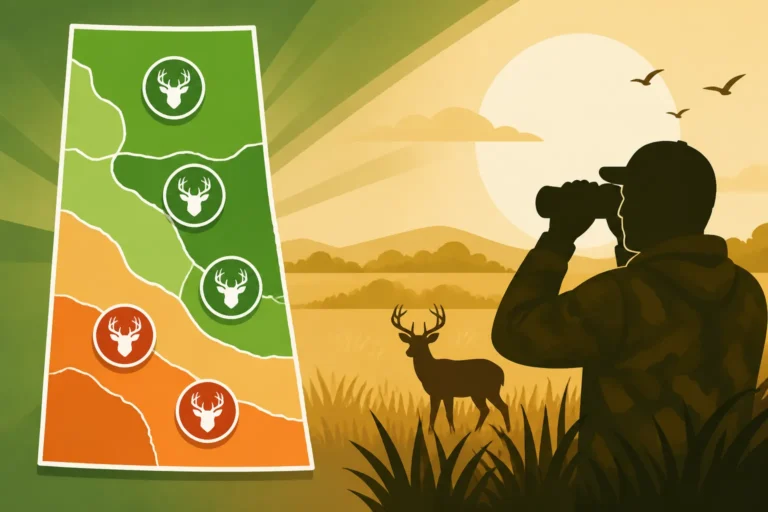
Start by identifying a Wildlife Management Zone (WMZ) that interests you and then overlay the land ownership maps. Look for those larger blocks of green or designated Crown land that don't appear to be individual farmsteads. Cross-referencing with older maps or even satellite imagery can help confirm areas that look like large, contiguous grasslands or bush areas, which are strong indicators of community pastures. Don't just assume a big field is a pasture; verify it with your mapping tools to avoid any missteps. Utilizing these apps can save you countless hours of driving around and knocking on the wrong doors. To get started, you might find it helpful to look into Reading Saskatchewan Crown Land Layers on onX.
The Importance of Permission
This is perhaps the single most critical aspect of hunting community pastures: you absolutely must obtain permission before hunting. Even though some of these lands fall under the umbrella of Crown land in terms of ownership, their operational status as active grazing pastures means you need consent from the entity managing them. This isn't just a courtesy; it's a legal requirement and a fundamental part of respectful hunting. The pasture manager, or the board in the case of patron-managed pastures, is responsible for the safety of livestock, infrastructure (fences, corrals, water sources), and other users of the land. They need to know who is on their pasture, for what purpose, and when.
Neglecting to get permission is considered trespassing and can lead to fines, confiscation of your game, and even revocation of your hunting privileges. It's simply not worth the risk. A quick phone call or a respectful in-person visit can often open doors to fantastic hunting opportunities. Always remember that hunters are guests on these lands, and maintaining good relationships is vital for continued access for everyone. Saskatchewan Landowner Permission Law applies here, even if the "landowner" is a collective or government agency managing the land.
Navigating Access Rules
Once you've identified a pasture and committed to seeking permission, understanding the specific rules for that pasture is paramount. There isn't a universal set of rules that applies to every community pasture across Saskatchewan. While provincial hunting regulations (like seasons, bag limits, and shooting hours) always apply, individual pastures may have additional site-specific guidelines.
When you contact the pasture manager, be prepared to ask about:
- Designated Access Points: Where can you enter and exit? Are there specific gates to use or avoid?
- Vehicle Use: Are ATVs or UTVs allowed, and if so, only on specific trails or for game retrieval? Many pastures have strict rules about off-trail vehicle use to prevent damage to the grass and disturb cattle.
- Livestock Presence: Are there cattle on the pasture, and where are they generally located? This is critical for safety and avoiding disturbance.
- No-Hunting Zones: Are there areas around corrals, water sources, or residences where hunting is prohibited?
- Time Restrictions: Are there certain times of day or specific dates when hunting is not permitted due to livestock movements or other operations?
- Game Retrieval: What are the protocols for retrieving downed game, especially if it's deep within the pasture or requires a vehicle?
Some pasture managers might issue a simple verbal go-ahead, while others might require you to sign a liability waiver or provide your hunting licence number. Always be polite, explain your intentions clearly, and express your commitment to respecting the land and its operations. Building a positive rapport is key to repeat access. When reaching out, refer to Contacting a Pasture Manager for Access for some helpful tips on how to start that conversation effectively.
Hunting Opportunities in Community Pastures
Saskatchewan's community pastures are far more than just cattle grazing grounds; they are vibrant ecosystems that can host an incredible diversity of game animals. The blend of managed grassland, natural bush, and wetland features creates prime habitat for several popular species. For a hunter seeking varied experiences beyond traditional farmland or deep bush, these pastures can be a hidden gem.
Whitetail and Mule Deer Hotspots
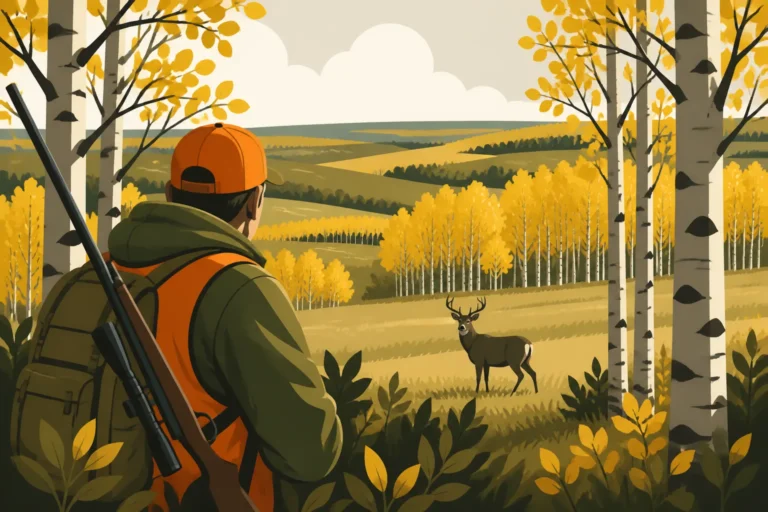
Community pastures often excel as prime deer habitat, frequently supporting both whitetail and mule deer populations. For whitetails, the aspen bluffs, willow thickets, and dense riparian zones found along creeks and sloughs within these pastures provide excellent cover, bedding areas, and browse. These areas often receive less hunting pressure than easily accessible private land, allowing bucks to mature and grow larger. Hunters might find mature whitetail bucks using these dense cover pockets for security during the day, venturing out into the open grasslands or adjacent crop fields at dawn and dusk. The edges of the bush lines where they meet the open pasture can be incredibly productive during the rut. Hunting the Forest Fringe for Big Bucks is very applicable here, as many pastures have these exact habitat types.
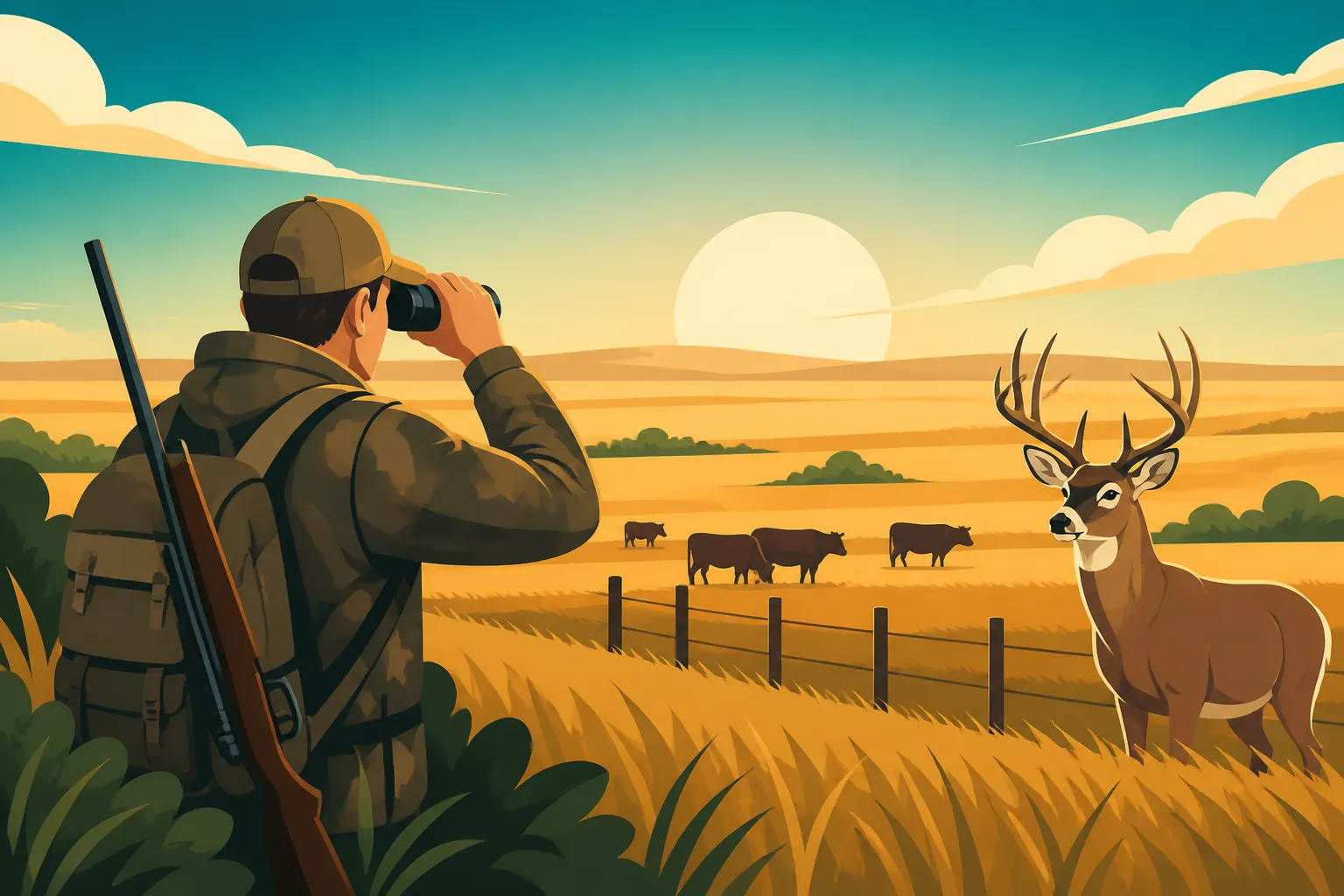
Mule deer, on the other hand, thrive in the more open, undulating terrain, using coulees, rolling hills, and scattered brush for concealment. Pastures in the southwestern parts of the province, characterized by shortgrass prairie and broken topography, can be exceptional for mule deer. These deer are known for their preference for open country, and the vast, relatively undisturbed nature of many pastures suits them perfectly. Spot-and-stalk tactics can be highly effective in these landscapes, as glassing large expanses allows you to locate deer from a distance before planning your approach. The relative lack of disturbance from cultivation provides stable forage and cover, making these pastures reliable strongholds for both species, especially in areas where surrounding lands are intensely farmed.
Upland Birds and Waterfowl Potential
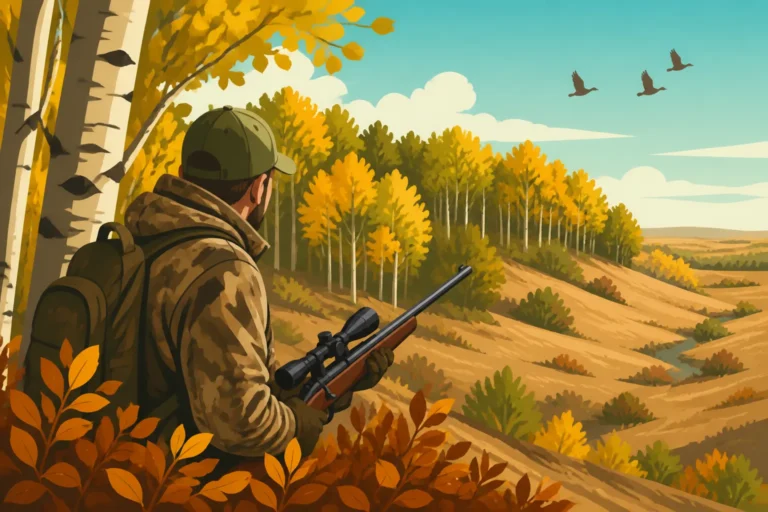
Beyond big game, community pastures offer fantastic opportunities for upland bird hunters and can be surprisingly productive for waterfowl. For upland birds, the extensive native grasslands provide ideal habitat for sharp-tailed grouse and Hungarian partridge. Sharptails particularly favour the mixed grass and shrub cover, often found around the edges of bluffs or in areas with slightly taller grass. Walking these expansive grasslands with a good bird dog can lead to exciting flushes and ample shooting opportunities. Hungarian partridge, while often found closer to cultivated fields, will also utilize the edges and denser cover within pastures, especially if there's an adjacent food source or sheltered winter cover. Walking Up Sharp-Tailed Grouse in Saskatchewan is an excellent strategy to employ here.
For waterfowl, the numerous sloughs, potholes, and small marshes scattered throughout many community pastures can be magnets for ducks and geese. These wetlands often hold consistent water, providing nesting habitat and safe loafing areas. During migration, these isolated water bodies can host significant numbers of ducks, particularly dabblers like mallards, pintails, and widgeon, as well as various diving ducks. While hunting large staging geese might require access to adjacent grain fields, the smaller water bodies within pastures can offer fantastic pothole hunting for ducks. Always remember that non-toxic shot is required for migratory birds, and you'll need the federal migratory bird permit in addition to your provincial licence. These pastures often provide critical breeding grounds for waterfowl, contributing to the overall health of the flyway.
Other Big Game and Predators
Depending on their location and size, some community pastures can also offer opportunities for other big game species like elk and moose, particularly in the forest fringe or parkland regions. Elk, being wide-ranging animals, will often utilize the security cover and forage of larger pastures, especially if they are adjacent to larger blocks of provincial forest or other less-disturbed lands. Hunters in these areas might find elk using the open pasture for grazing during low-light hours before retreating into dense bush during the day. Similarly, moose, known for their preference for willow and aspen browse, will frequent pastures that contain significant stands of these trees, especially along watercourses or in boggy areas. Hunting Farmland Moose in Saskatchewan is a relevant read, as some pastures are essentially large blocks of farmland with natural cover.
Predators are also a common sight in community pastures. Coyotes are abundant and can be hunted year-round without a licence, providing a fun and challenging pursuit, especially in the winter months. The open nature of many pastures lends itself well to calling coyotes, as visibility is often excellent. You might also encounter red fox, and in the northern forest fringe pastures, wolves are a possibility. For those interested in furbearers, species like beaver and muskrat can be found in the wetlands and riparian zones. Always check regulations for specific species before heading out, as rules for furbearers and some predators can vary.
Regulations and Responsibilities
Hunting in Saskatchewan, regardless of where you are, comes with a clear set of rules and ethical responsibilities. When you add the unique context of community pastures, these responsibilities become even more pronounced. It’s not just about what you can do, but what you should do to ensure a safe, legal, and respectful experience for everyone involved.
General Hunting Regulations
First and foremost, all provincial hunting regulations apply when hunting on a community pasture. This means you must possess the appropriate Saskatchewan hunting licence for the species you are pursuing, as well as any necessary tags or permits. You must adhere to the specific season dates for your chosen Wildlife Management Zone (WMZ), comply with bag limits, and respect shooting hours. Your firearm or bow must meet legal requirements for the species. Don't forget your blaze orange requirements during big game seasons, which are critical for safety, especially in areas that might also have other hunters or pasture users.
Furthermore, responsible handling of firearms, ethical shot placement, and proper game recovery are always paramount. Wasting game is illegal and goes against the fundamental principles of hunting. Familiarize yourself with the regulations in the annual Saskatchewan Hunters’ and Trappers’ Guide, as these are the ultimate authority on legal hunting practices in the province. Remember that ignorance of the law is no excuse. If you have questions about specific rules, such as Saskatchewan Tag Validation Rules or Legal Firearms and Bows for Big Game, consult the official provincial guide or contact the Ministry of Environment.
Special Considerations for Pasture Land
Hunting on community pasture land introduces a few additional layers of consideration that are crucial for a successful and respectful hunt. The most significant factor is the presence of livestock, typically cattle.
- Safety First: Always be acutely aware of where the cattle are. Never shoot in the direction of livestock, and ensure you have a clear understanding of your target and what lies beyond it. A cattle-grazing operation is their livelihood, and accidental injury to livestock is a serious matter.
- Respect Infrastructure: Community pastures rely on fences, gates, and water systems to manage livestock. Always leave gates as you found them (closed if closed, open if open), avoid driving over culverts or wet areas that could damage roads, and never tamper with watering facilities.
- Minimizing Disturbance: While hunting, try to minimize your disturbance to the cattle. Loud noises, erratic movements, or driving too close can stress the animals and make them difficult for the pasture manager to handle. Be patient and give them a wide berth. If you need to retrieve game in an area with cattle, approach slowly and calmly.
- Fire Hazards: Especially during dry conditions, be extremely cautious with any open flames or hot vehicle components. Grass fires can devastate a pasture and be disastrous for livestock and wildlife alike.
Beyond livestock, be mindful of other potential users. Hikers, birdwatchers, or even other hunters could be present. A good practice is to make your presence known to the pasture manager and inquire about any ongoing activities. Good communication prevents conflicts and ensures a harmonious experience for everyone.
Hunter Ethics and Landowner Relations
Your conduct as a hunter on a community pasture directly reflects on the entire hunting community. Exemplary ethics are not just about following the law; they're about demonstrating respect, responsibility, and stewardship.
- Leave No Trace: Pack out everything you pack in. This includes spent shell casings, food wrappers, and any other litter. Leave the pasture cleaner than you found it.
- Report Concerns: If you notice damaged fences, a sick or injured animal (wildlife or livestock), or anything else that seems amiss, report it promptly to the pasture manager. This shows you care about the land and its well-being.
- Gratitude: Always thank the pasture manager for the privilege of hunting on their land. A small token of appreciation, like a share of the game meat or a card, can go a long way in fostering positive relations and securing future access. Remember, they are doing you a favour by allowing you to hunt.
- Be a Good Neighbor: If the pasture borders private land, be hyper-aware of your position and respect those boundaries. Never stray onto private land without separate permission. This is especially true when it comes to game retrieval; if your animal crosses a fence onto private land, you need to Retrieving Game From Private Land in Saskatchewan legally and respectfully.
By upholding these ethical standards, you not only enhance your own hunting experience but also contribute positively to the image of hunters in the eyes of landowners and the general public, helping to ensure continued access to these valuable lands for generations to come.
Scouting and Strategy for Pasture Hunts
Hunting a community pasture requires a thoughtful approach, combining pre-season planning with on-the-ground intuition. These are dynamic environments where cattle movement, weather patterns, and game behavior all play a role in success. Effective scouting, both digital and physical, will give you a significant advantage.
Pre-Season Digital Scouting
Your preparation for a pasture hunt should begin long before you set foot on the actual land. Digital scouting has revolutionized this process, allowing you to cover vast areas from the comfort of your home. Start by utilizing powerful mapping tools like onX Hunt or GoHunt. These platforms offer satellite imagery, topographic maps, and often, critical land ownership overlays.
What to look for:
- Cover: Identify dense bush pockets, aspen bluffs, willow draws, and un-grazed riparian zones. These are prime bedding and security areas for deer, moose, and elk.
- Water Sources: Mark all sloughs, potholes, creeks, and dugouts. Game animals will always need water, and these areas can also attract waterfowl and provide cover.
- Elevation Changes: Look for coulees, ridges, and hills. These provide natural travel corridors, glassing opportunities, and thermal cover. Mule deer, in particular, will gravitate towards broken topography.
- Edges: Pay close attention to transition zones where different habitat types meet – where bush meets grass, or where the pasture borders cultivated fields. These "edge habitats" are often high-traffic areas for game.
- Access Roads/Trails: Identify potential entry points and existing trails that might offer easier access, while still keeping in mind the pasture manager's rules on vehicle use.
- Adjacent Land Use: Note what kind of land borders the pasture. If it's heavy cropland, animals from the pasture might be using those fields for feeding. If it's more bush, the pasture might be a transition zone.
By meticulously analyzing these features digitally, you can narrow down your focus areas and develop a preliminary plan for where to concentrate your efforts when you get on the ground. This process can be greatly enhanced by learning how to do Scouting With Satellite Imagery in Saskatchewan.
On-the-Ground Reconnaissance
While digital tools are invaluable, there's no substitute for boots-on-the-ground scouting. Once you've secured permission from the pasture manager, dedicate time to physically explore the areas you've identified digitally. This could be weeks or even months before the season, or a few days before your hunt if time is tight.
- Look for Fresh Sign: Search for fresh tracks, droppings, rubs, scrapes, and bedding areas. Note the direction of travel and the density of sign.
- Game Trails: Identify well-used game trails, especially those connecting cover to feeding areas or water. These are excellent spots for setting up a stand or planning an ambush.
- Food Sources: What are the animals actually eating? Are there particular forbs, shrubs, or grasses they prefer? What kind of mast crops are available in the bluffs?
- Observe Animal Movement: If possible, spend some time glassing from a high point during dawn and dusk. This can reveal actual travel patterns, preferred feeding zones, and bedding areas.
- Talk to the Manager: The pasture manager is an invaluable resource. They are on the land constantly and often have keen insights into where the game hangs out, especially how the cattle influence wildlife movement. They might even be able to tell you about Where Saskatchewan Whitetails Bed in Snow or other seasonal behaviors.
During your physical scouting, respect the pasture's operations. Drive slowly, keep an eye out for cattle, and avoid disturbing areas where livestock are concentrated. This is your chance to confirm your digital findings and adapt your strategy based on real-world conditions.
Adapting Hunting Tactics
Hunting community pastures often requires a flexible and adaptable approach. The open nature of many pastures lends itself well to certain tactics, while the scattered cover demands others.
- Spot and Stalk: In open or rolling prairie pastures, spot-and-stalk is a highly effective method, especially for mule deer and even whitetails moving between cover. Use binoculars or a spotting scope from a vantage point to locate animals, then carefully plan your approach, using terrain features and wind direction to your advantage. This works well when Glassing a Saskatchewan Coulee for Mule Deer.
- Still Hunting/Stalking Edges: For whitetails and moose, slowly still-hunting the edges of bluffs, willow thickets, and riparian zones can be productive. Move quietly, pausing frequently to observe and listen. This is particularly effective during the rut when bucks are cruising for does.
- Stand Hunting: If you identify a consistent travel corridor, a watering hole, or a pinch point between cover, setting up a portable treestand or ground blind can be an excellent strategy. Always ensure your stand placement respects pasture rules and does not interfere with livestock or pasture operations. Make sure you understand Treestand Rules on Saskatchewan Public Land.
- Calling: For whitetails during the rut, rattling and grunt calling can be very effective in the diverse habitats of many pastures. For coyotes, various distress calls can bring them in from surprisingly long distances across the open country.
- Respecting Cattle Movement: The presence of cattle can influence game movement. Deer and elk might avoid areas with heavy cattle concentrations, or they might become accustomed to their presence. Pay attention to how game reacts to the livestock and adjust your strategy accordingly. Sometimes, cattle can inadvertently push game towards certain areas, creating new opportunities.
Remember that the vastness of these pastures can make game retrieval a challenge. Always have a plan for how you will get your animal out, especially if you are hunting alone or deep within the pasture. A cart, sled, or reliable ATV (if permitted) can be invaluable.
Challenges and Rewards of Pasture Hunting
Hunting community pastures in Saskatchewan isn't without its unique challenges, but for those willing to put in the effort and respect the land, the rewards can be truly exceptional. It's an experience that blends the raw beauty of Saskatchewan's natural landscapes with the practicalities of a working agricultural environment.
Potential Drawbacks and Limitations
While community pastures offer fantastic opportunities, it's important to go into it with a realistic understanding of the potential downsides:
- Access Restrictions: The biggest hurdle for many hunters is simply getting permission. Some pasture managers may be reluctant due to past negative experiences with hunters, or they may be managing sensitive grazing operations. This requires patience, persistence, and a strong commitment to respectful communication.
- Livestock Interference: While a valuable part of the ecosystem, cattle can sometimes interfere with a hunt. They might spook game, move into your shooting lane, or simply be present in the area you wish to hunt, requiring you to move or wait. You need to always prioritize livestock safety over your shot opportunity.
- Variable Game Density: Like any wild area, game populations can vary from year to year and pasture to pasture. A pasture might look great on a map but hold fewer animals than anticipated due to localized factors. Extensive scouting helps mitigate this, but it's always a possibility.
- Terrain and Weather: Many pastures are vast and can be challenging to navigate on foot, especially in adverse weather. Deep snow, mud, or extreme heat can make walking and retrieving game difficult. Being prepared for Saskatchewan's notoriously unpredictable weather is crucial. Hunting Saskatchewan Winter Weather Safely is a must-read for late-season hunts.
- Other Users: While often less crowded than popular Crown land blocks, you might still encounter other hunters, birdwatchers, hikers, or even local residents checking on their cattle. This necessitates extra vigilance and a commitment to shared space.
- Lack of Facilities: These are typically undeveloped lands. Don't expect amenities like outhouses, shelters, or easily accessible water. You need to be fully self-sufficient and prepared for a backcountry-style experience.
The Unique Benefits of Community Pastures
Despite the challenges, hunting community pastures offers a host of benefits that make them incredibly appealing to the discerning hunter:
- Reduced Pressure: Often, these lands receive less hunting pressure than easily accessible Crown land or well-known private leases. This can lead to older, larger animals and a more serene hunting experience. Many hunters overlook them because of the "permission" aspect, which works to your advantage if you do your homework.
- Quality Habitat: Decades of grazing management, rather than intense cultivation, have preserved vast tracts of native and semi-natural habitat. This creates diverse ecosystems that are highly beneficial to wildlife, offering superior cover, forage, and water sources.
- Large Contiguous Blocks: Community pastures are typically large, unbroken expanses of land. This allows game to roam freely, establishing natural patterns and making it possible to undertake longer stalks or explore extensive areas without constantly bumping into property lines.
- Diverse Species Opportunities: As discussed, from trophy whitetails and mule deer to upland birds and waterfowl, these pastures can offer multi-species opportunities within a single hunting trip, making them incredibly versatile.
- Conservation Value: By supporting the agricultural operations that manage these lands, hunters indirectly contribute to the preservation of these vital grasslands and associated habitats. These areas are critical for biodiversity beyond just game species.
- Rewarding Experience: The effort required to gain access and successfully hunt a community pasture often makes the experience incredibly rewarding. It fosters a deeper connection to the land and a greater appreciation for responsible land use. You're not just hunting; you're engaging with a working landscape.
Contributing to Conservation Efforts
Hunting on community pastures is more than just bagging an animal; it's an opportunity to be an active participant in conservation. The fees collected by pasture managers for grazing, or even direct payments for access, contribute to the upkeep and management of these lands, which in turn benefits wildlife. Many of these pastures are stewarded by local patron groups who have a vested interest in the long-term health of the land, for both their livestock and the wildlife it supports.
As a hunter, your responsible actions help solidify the positive image of hunters as conservationists. By demonstrating respect for the land, wildlife, and agricultural operations, you reinforce the value of public access and ensure that these vital habitats remain available for both grazing and hunting for future generations. Supporting organizations like the Saskatchewan Wildlife Federation (SWF) also plays a crucial role, as they often advocate for hunter access and habitat preservation on lands like community pastures. By being a thoughtful and ethical hunter on these unique lands, you become part of a larger picture of land stewardship.
Disclaimer
This article is for general informational purposes only and does not constitute professional advice. Laws, prices and regulations vary by location and change over time. Consult a qualified professional for guidance on your specific situation.