Saskatchewan’s FWDF Land Access Rules
Many hunters in Saskatchewan feel the frustration of constantly searching for accessible land, often finding themselves at the edge of private property with no clear understanding of where they can legally hunt. It's a common challenge in a province where private land dominates the landscape. This comprehensive guide aims to shed light on Saskatchewan's Fish and Wildlife Development Fund (FWDF) lands, offering a clear roadmap on what these invaluable properties are, how to locate them, and the specific rules and etiquette necessary to ensure a successful and responsible hunting experience on them.
Understanding Saskatchewan's FWDF Lands
Saskatchewan's FWDF lands are a hidden gem for resident hunters, a testament to a long-standing commitment to wildlife conservation and public access. These aren't just random parcels of bush; they are strategically acquired and managed properties that provide crucial habitat for a diverse range of game species, while simultaneously offering much-needed access for hunters, anglers, and other outdoor enthusiasts. Understanding their origin and purpose is key to appreciating their value.
The Purpose Behind the Fund
The Fish and Wildlife Development Fund (FWDF) is a unique initiative, born from the collective passion of Saskatchewan's hunting and angling community. Essentially, a portion of every hunting and fishing license fee purchased in the province is channeled directly into this fund. This financial contribution, alongside generous donations from conservation groups and individuals, is then used to acquire and enhance wildlife habitat across the province. It's a self-sustaining model where those who benefit from the resource directly contribute to its preservation and expansion.
The primary mandate of the FWDF is to purchase, develop, and manage critical wildlife habitat. This includes everything from vital wetlands that serve as breeding grounds for waterfowl, to expansive grasslands crucial for upland birds and deer, and pockets of forest fringe that provide sanctuary for larger game animals like White-Tailed Deer, Saskatchewan's Signature Animal. Without these dedicated efforts, many of these crucial habitats might otherwise be converted to agricultural use or be lost to development, shrinking the natural spaces available for wildlife and for hunting. The benefit to hunters is profound: these lands are managed specifically for wildlife, meaning they often hold higher densities of game and offer consistent opportunities year after year, all with guaranteed public access. This continuous investment ensures that Saskatchewan's rich hunting heritage remains vibrant for generations to come.
Evolution of FWDF Properties
The FWDF program has been evolving for decades, steadily growing its portfolio of wildlife lands through strategic acquisitions. These properties aren't always vast, contiguous blocks; sometimes they're smaller, critical parcels that connect existing habitat, create riparian buffers, or protect unique ecosystems. The lands are acquired through a variety of means, including direct purchase from willing sellers and generous donations from landowners who wish to see their property preserved for wildlife. Each acquisition is carefully evaluated for its ecological value and its potential to contribute to public recreational access.
Once acquired, FWDF properties undergo active management to maximize their habitat potential. This can involve a range of practices, from restoring degraded wetlands and planting native grasses and trees, to implementing controlled burns that rejuvenate prairie ecosystems and create vital food plots. The long-term vision behind these efforts is clear: to sustain healthy, robust wildlife populations and to safeguard public hunting opportunities well into the future. You'll often find these lands strategically located in areas known for significant wildlife populations, like the productive aspen parkland, the crucial prairie potholes that define Saskatchewan's duck factory, or the rich forest fringe regions. This ongoing commitment to habitat development is what makes FWDF lands such valuable assets for Saskatchewan hunters.
How to Identify FWDF Lands for Hunting
One of the biggest hurdles for hunters looking to access public land in Saskatchewan is simply knowing where it is. With a landscape dominated by private farms and ranches, distinguishing between accessible public land and private property can be a complex puzzle. Fortunately, a combination of modern technology and traditional scouting methods makes identifying FWDF lands much more manageable.
Utilizing Digital Mapping Tools
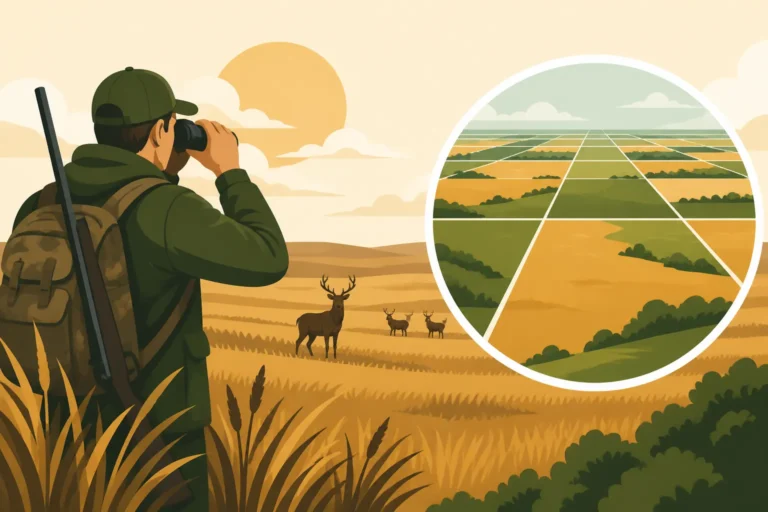
In the modern hunting era, digital mapping tools have become indispensable, especially in a province like Saskatchewan where land ownership can be a mosaic of private and public parcels. Trying to navigate this checkerboard with paper maps alone can be incredibly frustrating. This is where applications like onX Hunt and GoHunt truly shine. These powerful platforms integrate detailed land ownership data directly onto high-resolution satellite imagery and topographic maps, allowing hunters to see precisely where public land begins and private land ends, all from their smartphone or tablet.
With an app like onX Hunt, you can overlay various layers, including public land boundaries, FWDF properties, and even different types of Crown land. This means you can be standing in a field, pull out your phone, and instantly know if you're on a public FWDF parcel or an adjacent private quarter section. The GPS functionality within these apps tracks your exact location, providing real-time boundary confirmation as you walk or drive. This capability is absolutely invaluable for planning your approach, understanding potential travel corridors for game, and ensuring you don't inadvertently trespass. It also helps you locate specific habitat features within FWDF lands, like small sloughs or bush pockets that might hold game. Reading Saskatchewan Crown Land Layers on onX is made significantly easier with these tools, turning what used to be guesswork into clear, actionable information. Before you even leave home, you can spend hours virtually scouting, identifying potential access points, and marking promising hunting spots, greatly increasing your efficiency and confidence once you're in the field.
Recognizing Signage and Boundaries
While digital maps provide an excellent overview, nothing beats on-the-ground verification. FWDF lands are typically identified by specific physical signage. Look for green signs, often with the Saskatchewan government logo or a specific FWDF identifier, usually placed at key access points or along property boundaries. These signs are there to clearly designate the land as public and managed for wildlife, providing peace of mind that you are on legitimate public hunting ground.
However, signage can sometimes be missing, faded, or obscured by vegetation, making it crucial not to rely solely on physical markers. Boundaries, especially in dense bush or along old fence lines, can be subtle and easily missed. It's always best to combine your digital mapping efforts with a keen eye for these physical cues. If you encounter an area where signage is absent or unclear, your GPS-enabled mapping app becomes your best friend, confirming your location relative to the known FWDF boundaries. Take the time during your scouting trips to walk the perimeter where possible, familiarizing yourself with the actual lay of the land. This combined approach of digital precision and boots-on-the-ground reconnaissance is the most reliable way to accurately identify and confidently navigate FWDF properties, preventing any accidental incursions onto private land and ensuring a respectful and lawful hunt.
Accessing FWDF Lands: Rules and Responsibilities
Gaining access to FWDF lands is generally straightforward, which is one of their biggest appeals. However, "open access" doesn't mean "no rules." Like any managed public resource, there are specific guidelines and responsibilities that hunters must adhere to to ensure these lands remain available and productive for everyone. Understanding these parameters is crucial for a smooth and lawful hunting experience.
General Access Permissions
The beauty of FWDF lands is their accessibility. Unlike much of Saskatchewan's private land where explicit permission from the landowner is required, FWDF properties are generally open to the public for foot traffic, specifically for activities like hunting, angling, and hiking. This means you don't need to knock on doors or secure written permission slips to hunt these parcels. They are designated public spaces, managed by the province for the benefit of wildlife and outdoor enthusiasts. This blanket permission significantly reduces the logistical headaches often associated with finding hunting spots in populated areas.
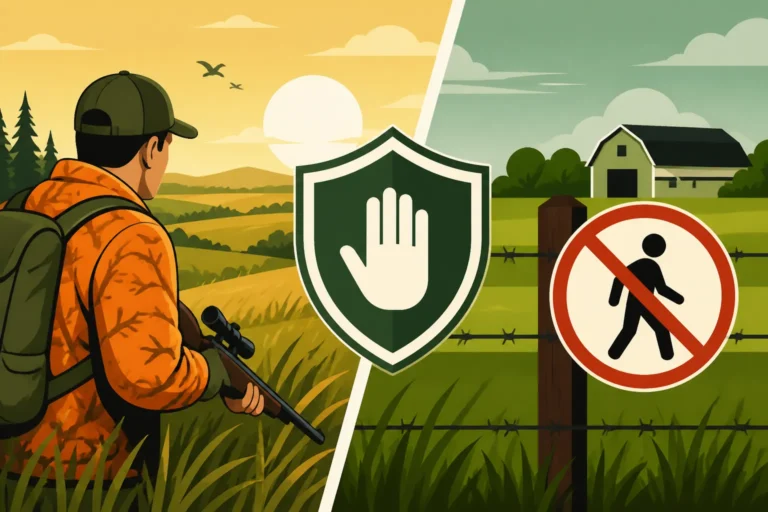
However, "general access" usually implies foot access. While you won't need landowner permission, it's still vital to be aware of the specific Wildlife Management Zone (WMZ) that the FWDF parcel falls within, as all general provincial hunting regulations regarding seasons, bag limits, and legal methods still apply. You must always carry your valid hunting license and any required tags. Remember, while you don't need permission for the FWDF land itself, you are still responsible for respecting adjacent private land. This means not crossing private land without permission to reach an FWDF parcel, and being mindful of where your shots might carry. Saskatchewan Landowner Permission Law makes it clear: private land requires permission, so make sure your approach and exit routes keep you squarely on public ground or public access roads.
Vehicle Restrictions and Parking
While FWDF lands are publicly accessible, most of them come with strict vehicle restrictions. In the vast majority of cases, vehicle access is limited to designated parking areas or specific public roads that border the property. Driving off-road onto the FWDF land itself is generally prohibited, and for good reason. Uncontrolled vehicle traffic can cause significant damage to sensitive habitats, create ruts, disturb wildlife, and degrade the overall experience for other users. The goal is to preserve the natural integrity of these areas.
It is imperative to look for and obey any "No Vehicle Access" signs or barriers you encounter. If there are no designated parking areas, park your vehicle responsibly and legally on the shoulder of a public road, ensuring you do not block access for farm equipment or other traffic. Walking in from a roadside parking spot is often the expected mode of access. Disregarding these vehicle restrictions can lead to substantial fines and potential damage to valuable wildlife habitat. Always assume vehicle access is not permitted unless explicitly marked otherwise, and prepare to walk in, carrying your gear to your chosen hunting spot. This helps minimize impact and ensures everyone can enjoy the peace and solitude these public lands offer.
Special Considerations for Use
Beyond general access and vehicle rules, there are other important considerations when using FWDF lands to ensure respectful and sustainable use. These lands are managed for a variety of purposes and users, not just hunters, so certain activities may be restricted or require specific permits. For instance, camping is generally not permitted on FWDF properties unless a designated campsite exists and is clearly marked. Building fires is also often restricted, especially during dry conditions or periods of high fire risk, to protect the fragile ecosystems and surrounding private property.
When it comes to hunting equipment, temporary treestands and ground blinds are typically allowed for the duration of the hunting season, but they usually must be removed promptly at the end of the season. Leaving permanent structures or blinds year-round is generally prohibited, as it constitutes abandonment and can damage the environment or interfere with management activities. Treestand Rules on Saskatchewan Public Land dictate that hunters should not damage trees or vegetation when installing stands, and all equipment must be clearly marked with the hunter's name and contact information. Finally, the "pack it in, pack it out" principle is paramount: leave absolutely no trace of your presence. This means all garbage, spent shell casings, and any other refuse must be carried out with you. Adhering to these special considerations helps maintain the ecological health and aesthetic appeal of FWDF lands for both wildlife and future generations of outdoor enthusiasts.
Hunting on FWDF Lands: Species and Seasons
FWDF lands, by their very nature, are designed to support wildlife, making them excellent hunting grounds. However, just because they are public and managed for game doesn't mean the rules are any different from hunting on other land types. All provincial hunting regulations apply without exception, and understanding them is your responsibility as a hunter.
General Hunting Regulations
When hunting on any FWDF property, you are subject to the exact same provincial regulations as if you were hunting on private land or other Crown lands. This means you must possess a valid Saskatchewan hunting license for the species you intend to pursue, along with any necessary tags or permits. You need to be intimately familiar with the specific season dates, daily bag limits, and possession limits for the Wildlife Management Zone (WMZ) in which the FWDF parcel is located. Each WMZ can have unique regulations, especially concerning antlered or antlerless draws, special seasons, or species-specific restrictions. How Saskatchewan's Zones Set Your Season is critical knowledge before heading out.
Furthermore, all rules regarding legal firearms or bows, ammunition types, shooting hours (usually half an hour before sunrise to half an hour after sunset), and distances from occupied dwellings or infrastructure still apply. It's not uncommon for FWDF parcels to be located near active farms or rural residences, so situational awareness and adhering to safety distances are paramount. Always consult the current Saskatchewan Hunters' and Trappers' Guide, published annually, as rules and regulations can change from year to year. A thorough understanding of these general regulations will ensure a legal, safe, and ethical hunt on any FWDF land.
Specific Species Opportunities
The beauty of FWDF lands is their diversity, and they are managed to support a wide array of game species, offering fantastic opportunities depending on the specific habitat type of the parcel. For example, many FWDF properties include significant wetland components, making them prime locations for waterfowl hunting. These areas provide crucial staging and feeding grounds for ducks and geese during migration. You might find excellent opportunities for Pothole Hunting Prairie Ducks in areas with numerous small water bodies. Conversely, FWDF lands comprised of native grasslands or cultivated cover crops can be exceptional for upland birds. Hunters often find good numbers of sharp-tailed grouse and Hungarian partridge on these properties, offering classic walk-up hunting scenarios. Walking Up Sharp-Tailed Grouse in Saskatchewan is a classic experience on these lands.
For big game hunters, FWDF lands located within the forest fringe or near pockets of bush often provide excellent white-tailed deer hunting. These properties offer the dense cover, food sources, and travel corridors that deer thrive on, making them good spots for encountering mature bucks. Hunting the Forest Fringe for Big Bucks can be very rewarding on well-managed FWDF parcels. While less common, some larger FWDF properties, particularly those bordering larger tracts of Crown land or within traditional ranges, may also offer opportunities for moose or elk, especially in draw zones. Always check the specific WMZ regulations for big game, as these animals often have limited entry draws or specific season dates. The key is to match the habitat type of the FWDF parcel with the species you are targeting and align it with the provincial regulations for that specific WMZ.
Maximizing Your FWDF Hunting Experience
Hunting on FWDF lands offers a unique blend of accessibility and challenge. While these areas provide great opportunities, they also often receive significant pressure due to their public nature. To truly maximize your experience and find success, a thoughtful approach to scouting, planning, and ethical conduct is essential.
Scouting and Planning Your Hunt
Effective scouting is arguably the most critical component of a successful hunt on FWDF lands. Given that these areas are publicly accessible, they often experience higher hunter pressure, especially during opening weekends and peak seasons. This means that merely showing up on opening day with a license isn't likely to yield the best results. Instead, pre-season scouting, both digital and physical, is your golden ticket. Start by using digital mapping tools like onX Hunt or GoHunt to identify specific FWDF parcels in your target WMZ. Look for features like dense cover, water sources, natural funnels, pinch points, and agricultural field edges that might concentrate game. Scouting With Satellite Imagery in Saskatchewan allows you to identify these key features from your armchair.
Once you've pinpointed promising areas on the map, it's time to put boots on the ground. Visit the FWDF parcels before the season opens (ensure you're not disturbing nesting birds or fawns if scouting too early). Look for fresh sign: tracks, rubs, scrapes, droppings, and feeding areas. Pay attention to how game animals might travel through the property, identifying potential bedding areas and feeding locations. Understanding the pressure dynamics is also crucial; consider hunting these areas on weekdays when pressure is lower, or venturing deeper into the parcel than most hunters are willing to go. Having multiple FWDF parcels scouted and ready as alternatives is a smart strategy, allowing you to adapt if your primary spot is already occupied or isn't producing. Flexibility and a willingness to explore different options will greatly enhance your chances of success.
Ethical Conduct and Respect for Others
The privilege of hunting on FWDF lands comes with a profound responsibility to maintain ethical conduct and show respect for both the resource and other users. These lands are shared spaces, not exclusively for hunters. You might encounter hikers, birdwatchers, photographers, or even adjacent landowners going about their daily activities. A friendly nod, a wave, or a brief polite conversation can go a long way in fostering positive relationships between hunters and the broader public. Remember, we are all ambassadors for hunting.
Practicing the "leave no trace" philosophy is paramount. This means packing out everything you pack in – even small items like spent shell casings, zip ties, and food wrappers. Ensure you leave gates as you found them, whether open or closed, and never damage fences or other property, even if they appear old or unused. If you wound an animal and it crosses onto adjacent private land, you absolutely must obtain permission from the landowner before pursuing it. Retrieving Game From Private Land in Saskatchewan without permission is trespassing and illegal. By consistently demonstrating respect for the land, wildlife, and other people, you contribute to the positive image of hunting and help ensure that FWDF lands remain accessible for all to enjoy for years to come.
Potential Challenges and How to Overcome Them
While FWDF lands offer incredible hunting opportunities, they aren't without their unique challenges. Hunters who are aware of these potential pitfalls and have strategies to overcome them are more likely to have a successful and enjoyable experience. Being prepared for the realities of public land hunting is key.
Crowding and Pressure
One of the most significant challenges of hunting on FWDF lands, particularly for popular species like whitetail deer or waterfowl, is the potential for crowding and high hunter pressure. Because these lands are publicly accessible and often well-advertised, they can attract a considerable number of hunters, especially during peak season openers, weekends, and periods of favorable weather. This increased pressure can make game more wary, nocturnal, and harder to locate, forcing animals into denser cover or onto adjacent private lands where they feel safer. It can be incredibly frustrating to arrive at your carefully scouted spot only to find another truck already parked there, or worse, to hear shots ringing out from multiple directions.
Overcoming this challenge requires strategic planning and adaptability. First, try to hunt during weekdays if your schedule allows, as this significantly reduces pressure. Secondly, be willing to walk further than other hunters. Many hunters stick close to easy access points, so venturing a mile or two deeper into a larger FWDF parcel can often put you into less disturbed areas. Thirdly, consider hunting less popular times of day, like midday, when many hunters have left the field for lunch. Finally, diversify your options. Have several FWDF parcels scouted as backup plans, so if your primary spot is crowded, you can quickly move to another without losing valuable hunting time. Remember, patience and persistence are key on pressured public lands.
Navigating Adjacent Private Land
The patchwork nature of land ownership in Saskatchewan means that many FWDF parcels are bordered on multiple sides by private land. This creates a perpetual challenge for hunters: how to access the public land without trespassing, and how to manage situations where game might move onto private property. Misunderstanding these boundaries can lead to legal issues, strained landowner relations, and a ruined hunt. Even with good intentions, it's easy to make a mistake if you're not paying close attention.
The best way to navigate this challenge is through meticulous planning with digital mapping tools like onX Hunt or GoHunt. Before you even leave home, identify clear access routes that utilize public roads or designated FWDF access points. Scout these routes physically to ensure they are passable and legal. Always know precisely where the FWDF boundary lies relative to the private land, both on your map and on the ground. If you wound an animal and it crosses onto private property, your first and only step is to contact the landowner immediately to request permission to retrieve it. Do not cross that fence line without explicit permission, even if the animal is clearly visible just beyond the boundary. Landowner goodwill is vital for all hunters in Saskatchewan, and violating trespass laws undermines our collective access privileges. Always carry the landowner's contact information for adjacent properties if you can find it, or be prepared to ask locals for assistance in reaching them. Respectful communication and strict adherence to property lines are non-negotiable when hunting FWDF lands.
| Method | Description | Pros | Cons |
|---|---|---|---|
| Saskatchewan Gov. Maps | Official online or print maps of Crown land and FWDF holdings. | Highly accurate, authoritative, no cost. | Can be less user-friendly, not always updated in real-time, limited mobile integration. |
| Digital Mapping Apps | Subscription services like onX Hunt or GoHunt with landowner layers. | Real-time GPS tracking, detailed satellite imagery, mobile access, property boundaries. | Subscription costs, relies on cellular/satellite signal for some features, battery drain. |
| Physical Signage | Green "FWDF" signs posted at boundaries and access points on the ground. | Direct confirmation in the field, clear visual markers. | Can be missing, faded, vandalized, or obscured; limited information beyond ownership. |
| Local Knowledge | Information from local hunters, farmers, or conservation officers. | Can reveal less-pressured spots, specific access tips, game patterns. | Subjective, can be outdated or inaccurate, requires building trust and relationships. |
| Scouting Trips | Visiting the FWDF parcel in person before the season. | Best for understanding terrain, finding fresh sign, identifying access points. | Time-consuming, weather-dependent, can disturb game if done too close to season. |
Disclaimer
This article is for general informational purposes only and does not constitute professional advice. Laws, prices and regulations vary by location and change over time. Consult a qualified professional for guidance on your specific situation.