Hunting Saskatchewan’s Great Sand Hills
Hunting Saskatchewan's Great Sand Hills can feel like venturing into another world, a vast, undulating landscape that demands respect and careful preparation. Many hunters are intimidated by its sheer scale, the lack of immediate landmarks, and the challenging terrain, often wondering where to even begin looking for game. This guide will walk you through understanding this unique environment, identifying key species, and developing the strategies and gear you need to confidently and successfully hunt this incredible part of Saskatchewan.
Understanding the Unique Landscape of the Great Sand Hills
The Great Sand Hills are truly unlike anywhere else in Saskatchewan, and that's precisely what makes them so captivating for hunters. This isn't your typical prairie stubble field or boreal bush; it's a dynamic, ancient landscape that demands a different kind of appreciation and strategy.
Geological Formation and Habitat Diversity
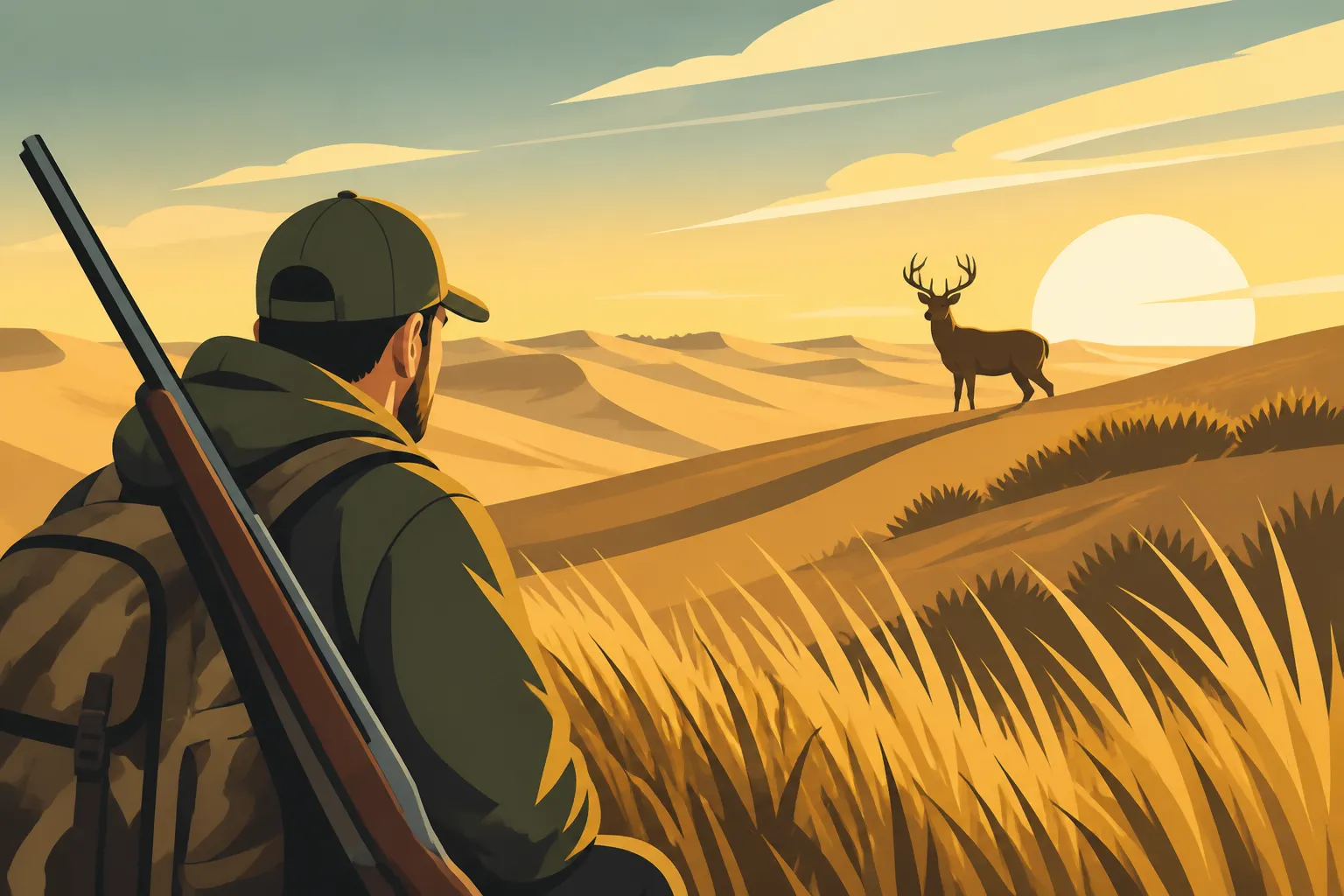
Imagine thousands of years of wind and water sculpting enormous dunes, some reaching towering heights, interspersed with vibrant grasslands, willow rings around shallow sloughs, and even pockets of aspen and pine. The Great Sand Hills are a relic of glacial activity, formed by sand and silt deposited by meltwater, then reworked by relentless winds into the dunes we see today. This creates an incredibly diverse mosaic of habitats within a relatively concentrated area. You'll find active dunes that seem to shift with every gust, stabilized dunes covered in hardy grasses, and low-lying areas where moisture collects, fostering denser vegetation. This varied topography offers everything from wide-open vistas perfect for spotting game to dense pockets of cover where a big buck can vanish. It's this combination of open and sheltered areas that makes it such prime habitat for a variety of game. The rolling nature of the terrain means that even when you think you have a clear view, a deep coulee or a sudden rise can conceal animals just out of sight. You really need to think in three dimensions when scouting and hunting here.
Water Sources and Their Importance
In such an arid environment, water is life, and this holds true for both the wildlife and the hunter. While the Sand Hills might seem dry, there are critical water sources that act as magnets for game. You'll find numerous shallow potholes and sloughs, especially in the lower-lying areas between dunes, some of which hold water year-round, while others might dry up in late summer or fall. These are crucial for everything from migratory birds to big game. Additionally, natural springs can sometimes be found in unexpected depressions, providing a consistent water supply even in drought conditions. Understanding where these water sources are located is paramount for any successful hunt. Animals will often bed within a reasonable distance of water, and their travel routes frequently connect these vital points. For hunters, knowing the location of these water bodies isn't just about finding game; it's also about personal survival, as reliable water for yourself and your vehicle can be scarce. Always carry more water than you think you'll need, and study maps carefully for any indication of dugouts or permanent sloughs. These areas are often where you'll find the most concentrated animal activity, particularly during dry periods.
Key Game Species and Where to Find Them
The Great Sand Hills are renowned for their incredible big game hunting, but they also offer unique opportunities for upland birds and even small game. Knowing what to expect and where to focus your efforts for each species is crucial for a productive hunt.
Mule Deer and Whitetail Tactics
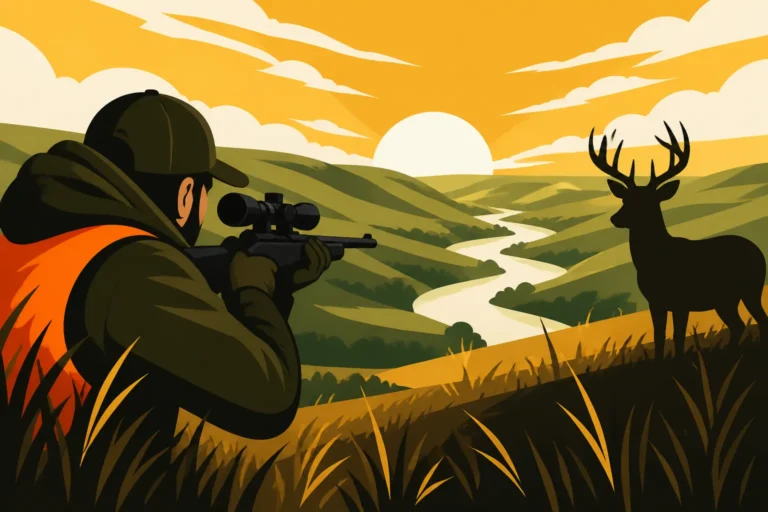
This region is famous for its mule deer, and for good reason. The broken terrain, scattered pockets of cover, and abundant browse make it ideal muley country. You'll find them using the coulees and draws for bedding, moving across the open tops and through the scattered brush to feed. Spot-and-stalk is the name of the game here. You'll spend hours glassing vast expanses from high points, patiently scanning for the tell-tale shape of an antler or the flick of an ear. Mule deer often stand out against the lighter colored sand and grass, but their ability to blend in is legendary once they're bedded. Don't be surprised to find them in the most unexpected places, often using a small clump of wolf willow or a shallow depression for cover. For a deeper dive into hunting these fantastic animals, check out Mule Deer Hunting Saskatchewan's Prairie.
Whitetail deer, while less numerous than mule deer in the core dune areas, are definitely present, especially on the fringes where the Sand Hills transition into more agricultural or heavier bush country. They tend to stick to the denser willow rings around sloughs, the thicker stands of aspen, or along the more defined creek beds that cut through parts of the region. Unlike mule deer that might openly traverse a dune top, whitetails are masters of cover and concealment. Hunting them often involves still-hunting through denser pockets, checking the edges of willow bluffs, or setting up on pinch points between cover and feeding areas. Understanding Where Saskatchewan Whitetails Bed in Snow can also give you an edge in late-season hunts. The crossover areas, where the rolling sand meets the more traditional prairie edges, can be incredibly productive for both species, offering hunters a chance at a mixed bag if their tags allow.
Pronghorn and Their Open Country Habits
The Great Sand Hills also provide prime habitat for pronghorn, North America's fastest land animal. These incredible creatures thrive in the vast, open expanses, where their keen eyesight and blistering speed are their primary defenses. You'll find them on the more open, stabilized grasslands between the larger dune complexes, often feeding on forbs and grasses. Spotting pronghorn often means scanning miles of terrain, looking for their distinct white patches or the shimmer of their dark horns in the distance. They are constantly on the move, grazing and observing their surroundings.
Hunting pronghorn is a true test of patience and stalking ability. They are notoriously difficult to approach, and a successful stalk often involves utilizing every bit of available cover – even a subtle dip in the terrain or a sparse cluster of sagebrush. Long-range shooting skills are often essential, as getting within spitting distance can be next to impossible. Many hunters use the tools available through services like onX Hunt or GoHunt to analyze topography and plan their stalks, identifying low spots and terrain features that can provide crucial concealment. The key is to never let them see you until you're ready to make your move. For more specific tactics, you might want to read Glassing Saskatchewan Prairie for Pronghorn. Their movements are very much dictated by food availability and water, so focusing your efforts near these resources can be highly effective, especially during dry spells.
Upland Birds and Small Game Opportunities
Beyond the big game, the Great Sand Hills also offer excellent opportunities for upland bird hunting and some small game. Sharp-tailed grouse are abundant throughout the grassy areas and sagebrush flats. They often flush in coveys, providing exciting wing-shooting action. Walking the edges of coulees, along willow thickets, or through expansive native grasslands are great ways to find them. They're often found near water sources or patches of heavier cover where they can escape predators.
Hungarian partridge, or Huns, also call the Sand Hills home, though they typically prefer areas closer to agricultural fringes or more established shelterbelts. You might encounter them on the outskirts of the main dune complexes. For a comprehensive look at bird hunting in the province, consider Upland Bird Hunting in Saskatchewan. As for small game, snowshoe hare can be found in the denser willow and aspen pockets, especially in years when their populations are peaking. Coyotes are also prevalent, and calling them can be an exhilarating experience, adding another dimension to your Sand Hills adventure. Always check the specific regulations for upland birds and small game, as seasons and limits can vary. The varied habitat means you could be chasing grouse in the morning and glassing for mule deer in the afternoon – a truly diverse hunting experience.
Here's a quick overview of primary game species and their typical habitat in the Great Sand Hills:
| Species | Primary Habitat in Sand Hills | Hunting Style | Key Challenges |
|---|---|---|---|
| Mule Deer | Coulees, draws, scattered brush, dune edges, aspen pockets | Spot-and-stalk, still-hunting | Glassing vast areas, challenging stalks |
| Whitetail Deer | Willow rings around sloughs, thicker aspen, creek beds | Still-hunting, stand hunting (where feasible) | Concealment in dense cover, finding access |
| Pronghorn | Open grasslands, sagebrush flats, expansive prairie | Spot-and-stalk, long-range shooting | Extreme wariness, minimal cover for stalks |
| Sharp-Tailed Grouse | Native grasslands, sagebrush, coulee edges, willow thickets | Walking up, flushing dogs | Fast-flying birds, wide distribution |
| Hungarian Partridge | Agricultural fringes, shelterbelts, transition zones | Walking up, flushing dogs | Smaller coveys, often near human activity |
Navigating Access and Regulations in the Sand Hills
Accessing land and understanding the specific rules in an area as unique as the Great Sand Hills can be a significant hurdle for many hunters. It's not always as straightforward as hunting private farmland, and public land rules can have their own nuances.
Crown Land and Grazing Leases
A substantial portion of the Great Sand Hills is Crown Land, which is generally open to public hunting. However, much of this Crown Land is also under grazing lease to local ranchers. This means that while you typically have the right to access it for hunting, you must be respectful of the ranching operations and livestock. It’s always best practice to contact the leaseholder before you go, not because you legally must have permission for hunting access on a grazing lease (you don't, unless it's occupied Crown land, which is a different category), but out of courtesy and to avoid any misunderstandings. They can often provide valuable insights into cattle locations, recent game sightings, or any specific concerns they might have. They live and work on that land, and their knowledge is invaluable.
Navigating Crown Land requires reliable mapping. Tools like onX Hunt are indispensable here, clearly delineating Crown Land boundaries, grazing leases, and other land classifications. You can layer this information with satellite imagery to identify terrain features and potential access points. Always remember to close gates behind you, avoid driving off established trails unless absolutely necessary and permitted, and pack out everything you pack in. Understanding Saskatchewan's Crown Land Access rules in detail will save you a lot of headaches and ensure you're hunting legally and ethically. Be aware that some areas may be designated as critical habitat or ecological reserves, which might have additional restrictions or closures, so always double-check the latest regulations.
Private Land and Permission Strategies
Interspersed with the Crown Land are parcels of private land. These are often homesteads, active farm operations, or land held by individuals. To hunt on private land, you must obtain permission from the landowner before stepping foot on their property. This is non-negotiable in Saskatchewan. The Great Sand Hills are no exception. Getting Private Land Permission in Saskatchewan involves a respectful approach, often with a face-to-face conversation. Knocking on doors well in advance of the season is your best bet. Be polite, introduce yourself, and clearly state your intentions. Offer to share your contact information and respect their decision, whatever it may be.
Sometimes, landowners may grant permission only for foot access, or request that you avoid certain areas where livestock are present. Always abide by these requests. Building a positive relationship with landowners can open doors for future hunting opportunities, and a good reputation goes a long way in rural communities. Again, digital mapping tools are incredibly helpful for identifying private land boundaries and determining who owns which parcel, allowing you to target your permission-seeking efforts efficiently. Don't assume anything; if you're not absolutely certain it's Crown Land or you have explicit permission, stay off.
Specific Rules for the Sand Hills Region
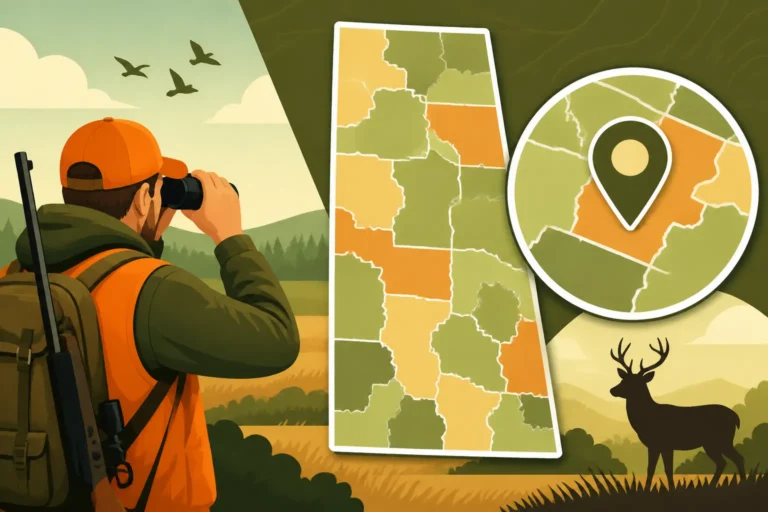
While the general Saskatchewan hunting regulations apply province-wide, certain Wildlife Management Zones (WMZs) that encompass the Great Sand Hills might have specific nuances. These can include antler point restrictions for deer, special draw requirements for certain species, or mandatory CWD testing areas. Before planning your hunt, always consult the current Saskatchewan Hunters' and Trappers' Guide, paying close attention to the WMZ you intend to hunt. For instance, specific zones within the Sand Hills might have stricter rules regarding antlered mule deer, or they might be areas where Saskatchewan's Big Game Draw is exceptionally competitive for certain tags.
Additionally, certain sensitive ecological areas within the Sand Hills may have restricted access or prohibit vehicle use off designated trails to protect fragile ecosystems. Wildlife Habitat Protection Act (WHPA) lands are often interspersed and come with their own set of rules regarding activity and access. Always verify these details. Using a tool like onX Hunt that integrates land ownership and regulation overlays can be invaluable for understanding these localized rules. Ignorance of the law is never an excuse, so do your homework thoroughly before you head out. This also includes understanding general rules like Saskatchewan Blaze Orange Rules during rifle seasons.
Essential Gear and Strategies for Success
Hunting the Great Sand Hills is an adventure that requires specific gear and honed strategies. This isn't a place to be underprepared; the vastness and ruggedness demand thoughtful planning.
Vehicle and Foot Travel Considerations
Your vehicle is your lifeline in the Sand Hills. A reliable 4×4 truck or SUV with good ground clearance is essential, and even then, you can easily find yourself stuck in deep sand. Consider airing down your tires for better traction on sandy trails, and always carry recovery gear: a shovel, tow strap, traction mats, and even a winch can be invaluable. Stick to established trails as much as possible, as venturing off them can lead to getting bogged down, damaging fragile habitat, or encountering areas you can't navigate. Remember that cell service can be spotty or non-existent in many areas, making self-sufficiency crucial.
Foot travel will be a significant part of your hunt. The undulating terrain, soft sand, and potentially long distances mean you need to be physically fit and wear sturdy, comfortable hiking boots. Lightweight gaiters can be a blessing, keeping sand and burrs out of your boots. Planning your routes to minimize elevation changes and conserve energy is a smart strategy. Carry enough water for extended hikes, especially on hot, dry days. Winter Truck Kit for a Saskatchewan Hunt offers valuable general advice on preparing your vehicle for cold weather, which can also apply to preparedness in any remote area. Consider a robust GPS device or using an app like onX Hunt on a reliable tablet or phone for navigation.
Optics, Spotting, and Long-Range Shooting
Given the expansive, open nature of the Sand Hills, high-quality optics are non-negotiable. A good pair of 10x binoculars is your primary scouting tool, but a spotting scope (15-45x or 20-60x) mounted on a sturdy tripod is absolutely essential for effectively identifying and assessing game at long distances. You'll spend hours glassing, meticulously sweeping hillsides, coulees, and distant dunes for any sign of movement or an antler tip. Patience is key; often, animals reveal themselves only after prolonged observation. This is where Glassing a Saskatchewan Coulee for Mule Deer really comes into play.
With the vast distances involved and the wary nature of Sand Hills game, particularly mule deer and pronghorn, proficiency in long-range shooting is a significant advantage. While ethical hunters strive for the closest possible shot, the reality of this terrain means longer shots might be your only option. Practice shooting from various field positions, use shooting sticks or a bipod, and intimately know your rifle's ballistics. A laser rangefinder is another critical piece of equipment to accurately determine distance. Don't just practice at 100 yards; stretch your effective range at the shooting range before you ever head out. Knowing your limits and being prepared to pass on a shot that's too far or unsafe is paramount to ethical hunting.
Water, Navigation, and Emergency Preparedness
As mentioned, water is scarce and critical. Always carry more water than you think you need, both for yourself and for emergencies. Dehydration can set in quickly in this environment. For navigation, a reliable GPS unit or a smartphone with offline mapping capabilities (like onX Hunt or GoHunt) is essential. Mark your vehicle's location, potential game sightings, and any known water sources. Knowing how to read a physical map and compass as a backup is also a wise skill to maintain, especially when batteries fail or signals are lost. Reading a Saskatchewan WMZ Map Before You Go can provide foundational mapping skills applicable to the Sand Hills.
Emergency preparedness is paramount due to the isolation. A satellite communication device (like a satellite phone or a two-way satellite messenger) is highly recommended for contacting help if you get stuck, injured, or have a medical emergency in areas without cell service. Carry a well-stocked first-aid kit, emergency blankets, a fire starter, extra food, and warm clothing, even if the day starts warm. Weather can change rapidly, and being stranded overnight without proper gear could be dangerous. Let someone know your detailed hunting plan, including your intended route and expected return time. This "leave a plan" strategy is a simple yet effective safety measure.
Preparing for the Challenges of a Sand Hills Hunt
Hunting the Great Sand Hills isn't just about finding game; it's about embracing and overcoming the unique challenges this environment presents. A successful hunter here is one who is prepared for anything.
Weather Extremes and Their Impact
Saskatchewan weather, particularly in exposed areas like the Sand Hills, can be notoriously unpredictable and extreme. Summers can bring scorching heat, intense sun, and sudden thunderstorms, while fall and winter can deliver brutal cold, high winds, and blizzards. These conditions directly impact hunting strategy and safety. High heat means animals will be active primarily at dawn and dusk, seeking shade and water during the day. It also increases your risk of heatstroke and dehydration. Always carry extra water, wear breathable clothing, and consider taking a break during the hottest parts of the day.
Conversely, cold snaps in late fall and winter bring different challenges. Exposed terrain with little tree cover means wind chill can drop temperatures to dangerous levels. Layered clothing is crucial, as are insulated boots and gloves. Hunting Saskatchewan Winter Weather Safely covers many of these considerations. Animals will often seek shelter in the lee of dunes or in thicker brush, making them harder to spot. Snow can make spotting tracks easier, but it also makes travel more difficult and can conceal hazards. Always monitor weather forecasts closely and be prepared to hunker down or cut your hunt short if conditions become too severe.
Isolation and Self-Sufficiency
The Great Sand Hills are remote. There are few services, minimal cell reception, and often long distances between paved roads or even other people. This isolation, while appealing for the solitude it offers, means you must be entirely self-sufficient. Every piece of gear, every drop of water, every emergency item needs to be meticulously planned and packed. Don't rely on being able to "run into town" for something you forgot. If your vehicle breaks down, you're likely on your own for a while.
This level of self-sufficiency extends to your knowledge and skills. Can you change a flat tire in the sand? Do you know basic first aid? Can you navigate without a GPS if needed? Can you build a fire in wet or windy conditions? These are not hypothetical questions in the Sand Hills; they are practical skills that could save your trip, or even your life. Even something as simple as getting a deer out of a deep coulee is harder when you're alone and miles from your truck. Consider hunting with a partner, and make sure both of you are well-equipped and trained. The satisfaction of a successful hunt out here is amplified by the knowledge that you managed it all with your own preparedness.
Respecting the Environment and Other Users
The Great Sand Hills are a fragile ecosystem. The active dunes are constantly shifting, and the stabilized areas are held together by delicate plant life. It's crucial for hunters to minimize their impact. Stick to existing trails when driving, and avoid unnecessary off-roading that can create ruts or damage vegetation. Pack out all trash, including spent shell casings, and leave no trace of your presence. Respect designated conservation areas or sensitive habitats that may have restricted access.
You might also encounter other users in the Sand Hills, including cattle ranchers, photographers, naturalists, or fellow hunters. Maintaining a respectful and courteous attitude is essential. Acknowledge the ranching operations; avoid disturbing livestock. If you encounter another hunter, give them plenty of space and avoid "sky-lining" them or interfering with their stalk. The Great Sand Hills are a shared resource, and preserving its unique beauty and character is everyone's responsibility. Your actions reflect on the entire hunting community, so be an ambassador for ethical and responsible outdoor recreation.
Disclaimer
This article is for general informational purposes only and does not constitute professional advice. Laws, prices and regulations vary by location and change over time. Consult a qualified professional for guidance on your specific situation.