Saskatchewan Multi-Species Hunt Packages
It's a common dream for us hunters: to combine the thrill of pursuing different species into one epic trip, saving on travel time and really making the most of our time in the field. But trying to figure out if that's even possible in a place like Saskatchewan, let alone how to arrange it, can feel like navigating a maze. This guide is all about helping you understand the ins and outs of multi-species hunt packages available in Saskatchewan, so you can plan a truly unforgettable adventure.
What Are Multi-Species Hunt Packages?
Imagine flying all the way to a prime hunting destination, spending a week chasing whitetails, and then packing up to head home, knowing that incredible waterfowl hunting or even a chance at a bear was happening just a few zones over. That's the frustration a multi-species hunt package aims to solve. Instead of booking separate trips for each game animal, these packages, offered by various outfitters, bundle the pursuit of two or more distinct species into a single, often extended, hunting adventure. It's about maximizing your time, effort, and investment in a hunting destination.
The Allure of Combination Hunts
The appeal of a multi-species hunt is pretty straightforward. For many of us, getting time off work, arranging travel, and dealing with all the logistics for one big hunt is a challenge. Doubling or tripling that effort for multiple trips throughout the year can be almost impossible. A combo hunt allows you to experience the diversity of Saskatchewan's hunting opportunities without the constant re-planning. You arrive once, settle into camp, and potentially tag out on a majestic whitetail in the morning, only to be setting up decoys for geese in the afternoon. This variety keeps the hunt fresh and exciting, and honestly, who doesn't love the idea of filling more than one freezer compartment or adding more than one trophy to the wall from a single adventure? It’s a way to truly immerse yourself in the rich hunting landscape that Saskatchewan offers.
Logistical Advantages and Challenges
From a logistical standpoint, combining hunts can streamline a lot of the travel and setup. You only need to travel to Saskatchewan once, unpack your gear once, and get oriented to one general area. This can be a huge benefit for non-resident hunters who often face significant travel costs and time commitments. However, these packages aren't without their unique challenges. For an outfitter to successfully offer a multi-species hunt, they need access to prime habitat for all the target species, and the seasons for those species must overlap. This isn't always easy to achieve, as different animals have different peak seasons and often prefer distinct terrains. You might find excellent Whitetail Hunting in Saskatchewan in one area, but the prime goose fields could be a hundred miles away. Outfitters offering these packages have usually put a lot of work into scouting and securing access to diverse lands to make these combinations feasible. They’re the experts at making these puzzle pieces fit together.
Common Combinations and What to Expect
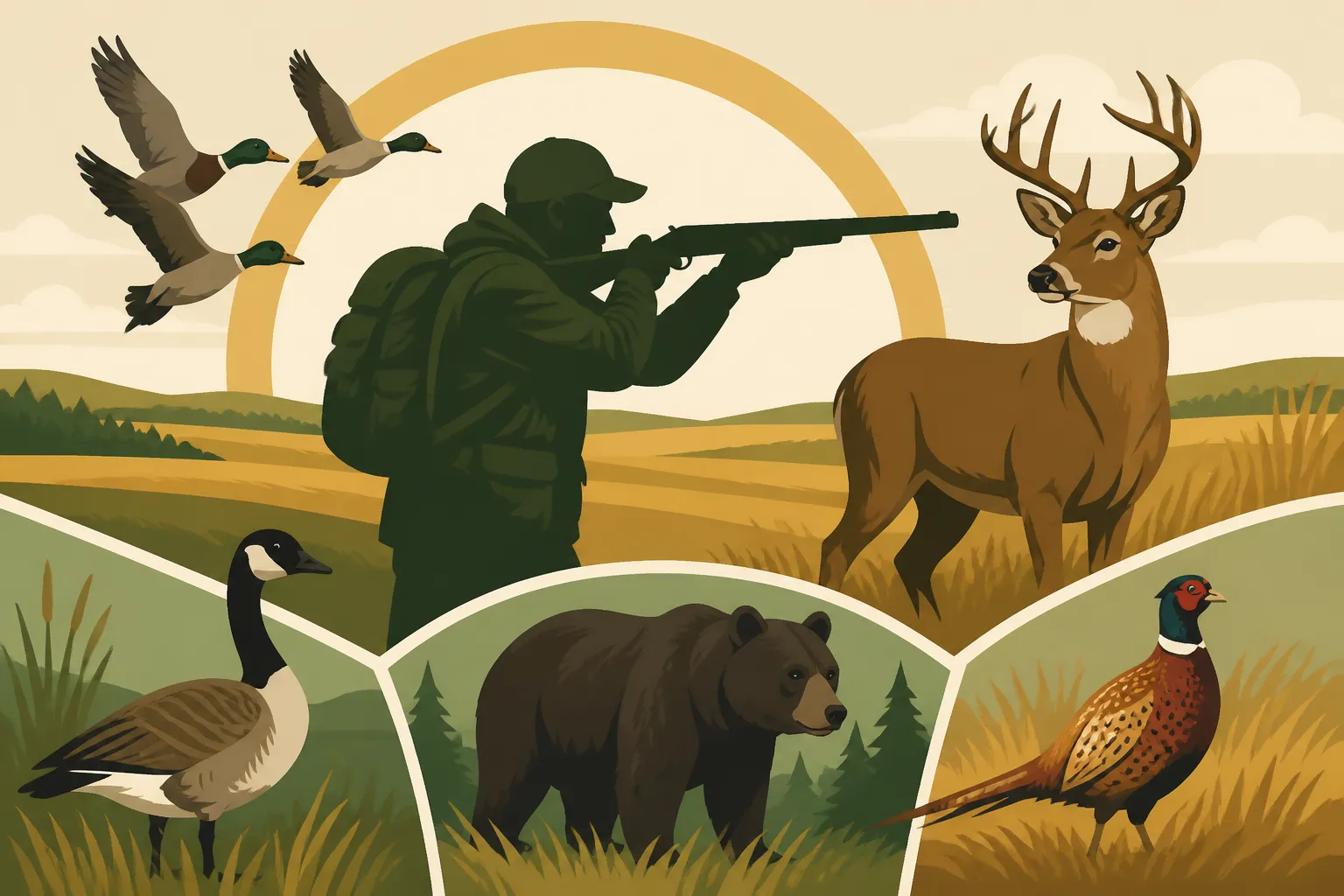
Saskatchewan offers an incredible variety of game, and some species naturally lend themselves to combination hunts more than others due to habitat, season overlap, and outfitter expertise. Understanding these common pairings can help you set realistic expectations for your multi-species adventure.
Popular Pairing: Deer and Waterfowl
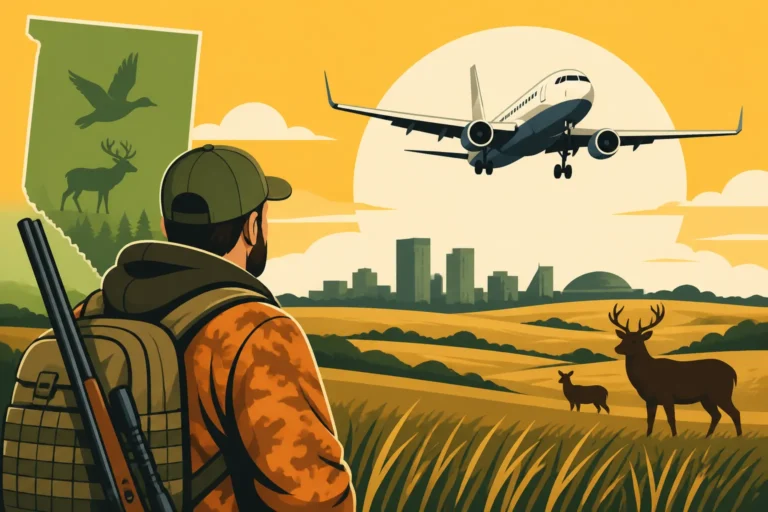
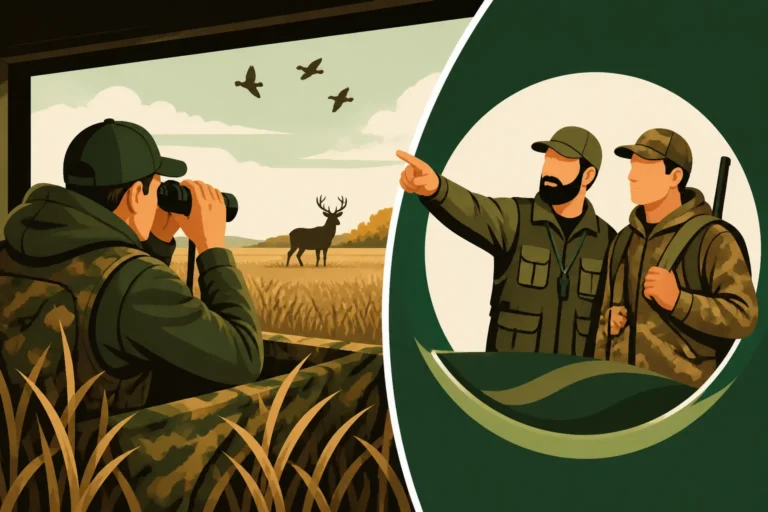
One of the most popular and logistically feasible multi-species hunts in Saskatchewan combines big game, particularly whitetail or mule deer, with incredible waterfowl hunting. The fall seasons for deer and ducks/geese often overlap beautifully, especially during October and early November. Imagine waking up before dawn to climb into a stand or blind, hoping for a mature whitetail buck to pass by. After a morning of deer hunting, you might head straight to a pre-scouted stubble field, set up a decoy spread, and spend the afternoon calling in flocks of Canada geese or mallards.
This combination is a dream for many hunters, offering intense action and varied experiences. Outfitters specializing in these hunts often have access to both prime deer habitat (like the forest fringe or farmland bluffs) and agricultural fields that attract vast numbers of migratory birds. The challenge lies in the outfitter’s ability to manage both types of hunting simultaneously, requiring dedicated guides for each pursuit and careful scheduling to maximize your chances on both fronts. When you're looking at these types of packages, especially on platforms like BookYourHunt or GoHunt, pay close attention to the number of days dedicated to each species and the guide-to-hunter ratio. You’ll want to know that both elements of the hunt are getting the attention they deserve.
Other Combinations: Bear, Moose, Elk, and Upland Birds
While deer and waterfowl might be the most common, other multi-species hunts exist, albeit often with more specific timing or logistical hurdles.
- Bear and Fishing/Bird Hunting: Spring black bear hunts are often combined with fantastic fishing opportunities in Saskatchewan's northern lakes and rivers. Some outfitters might even offer a spring bear hunt with the chance to pursue Upland Bird Hunting in Saskatchewan if their territory allows and the regulations align. These are often quieter, more relaxed camps focused on the northern wilderness experience.
- Moose/Elk and Deer/Bear: Combining large game like moose or elk with deer or bear is less common as a direct package, primarily due to the draw system for moose and elk tags, and their often more specific habitat requirements. However, if you are lucky enough to draw a tag for Moose Hunting Saskatchewan's Farmland and Forest or Elk Hunting in Saskatchewan, some outfitters might offer the possibility of adding a deer or bear tag on a general sale basis, if the seasons overlap and they have the necessary allocations. These hunts would be highly specialized and require meticulous planning, often stretching over a longer duration.
- Deer and Upland Birds: For those who love the flush of a sharp-tailed grouse or a covey of Hungarian partridge, combining a deer hunt with upland bird hunting can be a great option. While less common as a formal package, many outfitters operate in areas where both are present, and a resourceful hunter with a small game license and a shotgun could potentially pursue birds during downtime from deer hunting.
Understanding Seasonal Overlaps and Logistics
The key to any successful multi-species package is the season overlap. For instance, Saskatchewan Big Game Season Dates and migratory bird seasons are set by provincial and federal regulations, and outfitters must operate within these windows. This often means that the "prime time" for one species might not perfectly align with the "prime time" for another, requiring a bit of compromise. For example, the peak of the Hunting the Rut in Early to Mid November for whitetails might be past the absolute peak of the waterfowl migration, but still offer excellent opportunities for both.
When discussing logistics, outfitters offering combo hunts need to be masters of coordination. This could mean separate guides and vehicles for different groups pursuing different species, or it might mean a single hunter rotates between activities over the course of the week. Ask direct questions about daily schedules, transportation between hunting areas, and how much time will be dedicated to each species. The experience can vary wildly from one outfitter to another, so don't be afraid to dig into the details.
Here's a quick look at some common multi-species hunt types and their considerations:
| Combo Type | Primary Season | Typical Duration | Logistics Complexity | What to Expect |
|---|---|---|---|---|
| Whitetail/Mule Deer + Waterfowl | October – Early Nov | 6-10 days | Medium | Morning big game, afternoon birds; active scouting by guides. |
| Black Bear + Fishing | May – June | 5-7 days | Low | Evening bear over bait, daytime fishing; relaxed camp. |
| Whitetail + Upland Birds | September – Oct | 5-7 days | Low | Deer hunting focus, bird opportunities during downtime. |
| Elk/Moose + Whitetail | Late Sept – Oct | 7-10 days | High (Draw dependent) | Highly specialized, often requires drawn tags for one species. |
Finding and Booking Your Multi-Species Adventure
Booking any guided hunt requires careful consideration, but a multi-species package adds a few more layers to the decision-making process. You're not just looking for an outfitter excellent at one thing; you need someone proficient across multiple disciplines.
Researching Outfitters and Packages
The first step is always thorough research. Start by looking for outfitters explicitly advertising multi-species packages. Websites like BookYourHunt and GoHunt can be excellent resources for finding outfitters who offer these kinds of combo hunts, as they allow you to filter by species and often showcase detailed package descriptions. You'll want to read reviews, look at photo galleries from past hunts, and get a general feel for the outfitter's reputation and typical offerings. Don't be shy about reaching out to outfitters directly and asking if they offer, or would be willing to customize, a multi-species hunt that aligns with your interests. Some outfitters might not widely advertise these, but are capable of putting together a custom trip.
When looking at specific packages, pay attention to:
- Species Included: Clearly identify all species targeted.
- Hunt Duration: Multi-species hunts are typically longer than single-species hunts to provide adequate time for each pursuit.
- Daily Schedule: How will the outfitter balance time for each species? Is it full days for one, then full days for another, or are days split?
- Location: Does the outfitter's hunting area genuinely support healthy populations of all target species? A good outfitter will be transparent about their success rates for each.
Crucial Questions to Ask Before Booking
Once you've narrowed down a few potential outfitters, it's time to get on the phone and ask some direct questions. This is where you really get a sense of their operation and what to expect.
- Success Rates: Ask for specific success rates for each species on their multi-species hunts, not just their overall rates. A high success rate on ducks doesn't mean the same for deer.
- Guide Ratios: For a multi-species hunt, the guide-to-hunter ratio is critical. Will you have dedicated guides for each species, or will one guide be trying to manage two different hunts?
- Licensing and Permits: Understand exactly what licenses and permits are required for each species. Saskatchewan Hunting Licences and What They Cost can vary, and drawing special tags for species like moose or elk could add complexity. Clarify if the outfitter assists with the application process for these.
- Camp Logistics: How does the camp handle different schedules? What are the amenities like if you're out earlier or later for one species over another?
- Meat and Trophy Care: What are the provisions for field dressing, meat processing, and trophy preparation for multiple animals? This can become a significant logistical task when you're dealing with a deer and dozens of birds.
- References: Always ask for references from past clients who have booked multi-species hunts with them. Their experiences will be invaluable. This is part of Choosing the Right Saskatchewan Outfitter for your specific needs.
Cost Considerations and Realistic Expectations
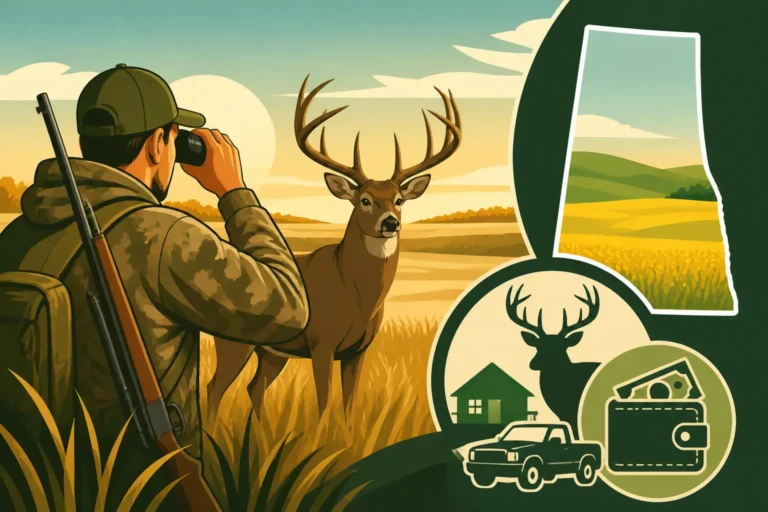
Multi-species packages will naturally cost more than a single-species hunt, but they often offer a cost saving compared to booking two separate trips. When evaluating What a Saskatchewan Guided Hunt Costs, remember that you're paying for additional guide services, access to diverse land, and the logistics of coordinating multiple hunts. Ensure you understand what's included (lodging, meals, guiding, initial processing) and what's not (licenses, travel, taxidermy, gratuities).
It's also vital to set realistic expectations. While an outfitter will work hard to give you opportunities on all target species, the unpredictable nature of hunting means you might not tag out on everything. Weather, animal movement, and plain old hunting luck play a huge role. Be prepared for flexibility and enjoy the entire experience, not just the harvest. A multi-species hunt is about the adventure of pursuing diverse game in a beautiful landscape.
Maximizing Your Multi-Species Experience
Once you've booked your dream multi-species hunt in Saskatchewan, the preparation begins! To get the most out of this unique adventure, a bit of foresight and flexibility will go a long way.
Physical and Shooting Preparation
Hunting multiple species often means encountering different terrains and requiring different shooting skills. For big game like whitetails or mule deer, you might be sitting in a blind for long periods, or stalking through brush, demanding patience and accuracy with a rifle or bow. Rifle Hunting Saskatchewan's Whitetail Rut requires a steady hand, often in cold conditions. For waterfowl, you'll be dealing with fast-flying birds, often from a ground blind, requiring quick reflexes with a shotgun.
- Physical Fitness: Even if one part of your hunt is stationary (like a heated deer blind), another part, such as retrieving geese from a field or Walking Up Sharp-Tailed Grouse in Saskatchewan, can be quite strenuous. Ensure you're in good physical condition to handle varied activities over several days.
- Shooting Practice: Practice with all the firearms or bows you plan to use. If you’re bringing a rifle for deer and a shotgun for birds, spend ample time at the range with both. Simulate field conditions as much as possible. Practice quick mounting and swinging with your shotgun, and accurate, cold-weather shooting with your rifle.
Gear for Varied Conditions and Disciplines
Saskatchewan weather can be notoriously unpredictable, especially during the fall. A multi-species hunt only amplifies the need for versatile gear, as you might transition from a chilly morning deer stand to a wet afternoon duck blind.
- Layered Clothing: This is non-negotiable. Bring layers suitable for both warm sunny days and freezing, windy conditions. Think waterproof outer shells, warm insulation, and breathable base layers.
- Footwear: You'll likely need different footwear for different activities. Waterproof, insulated boots are critical for cold, wet deer hunting, while lighter, comfortable boots might be better for walking fields for upland birds.
- Optics: Good binoculars are essential for glassing deer or spotting distant waterfowl. A rangefinder is always a good idea for big game.
- Weapon Specifics: Don't forget ample ammunition for both your rifle and shotgun. Remember that Non-Toxic Shot for Saskatchewan Waterfowl is required, so plan accordingly. If you're bowhunting, bring extra broadheads and a portable repair kit.
The Importance of Flexibility and Realistic Expectations
The essence of a multi-species hunt is variety, but that also means embracing the unknown. Weather can change quickly, influencing animal movement and hunting success. A big snowstorm might make deer hunting incredible but ground waterfowl hunting to a halt, or vice versa. Your outfitter will be working tirelessly to put you on game, but their plans might need to shift.
- Adaptability: Be prepared to adapt your schedule if the outfitter suggests focusing on one species more heavily for a day or two due to conditions or game movement. This adaptability is key to maximizing your overall experience.
- Enjoy the Journey: Not every animal is guaranteed. Go into the hunt with the mindset of enjoying the full experience – the camaraderie in camp, the stunning Saskatchewan sunrises, the challenge of the pursuit, and the chance to observe wildlife. The success of a multi-species hunt isn't solely measured by a full game bag, but by the richness of the adventure. Booking a hunt is often about more than just harvesting an animal; it's about the entire experience, and a multi-species package amplifies that. Planning a Saskatchewan Hunting Trip effectively means thinking beyond just the tag and towards the overall adventure.
Disclaimer
This article is for general informational purposes only and does not constitute professional advice. Laws, prices and regulations vary by location and change over time. Consult a qualified professional for guidance on your specific situation.