Where Saskatchewan’s Big Water Bodies Hold Birds
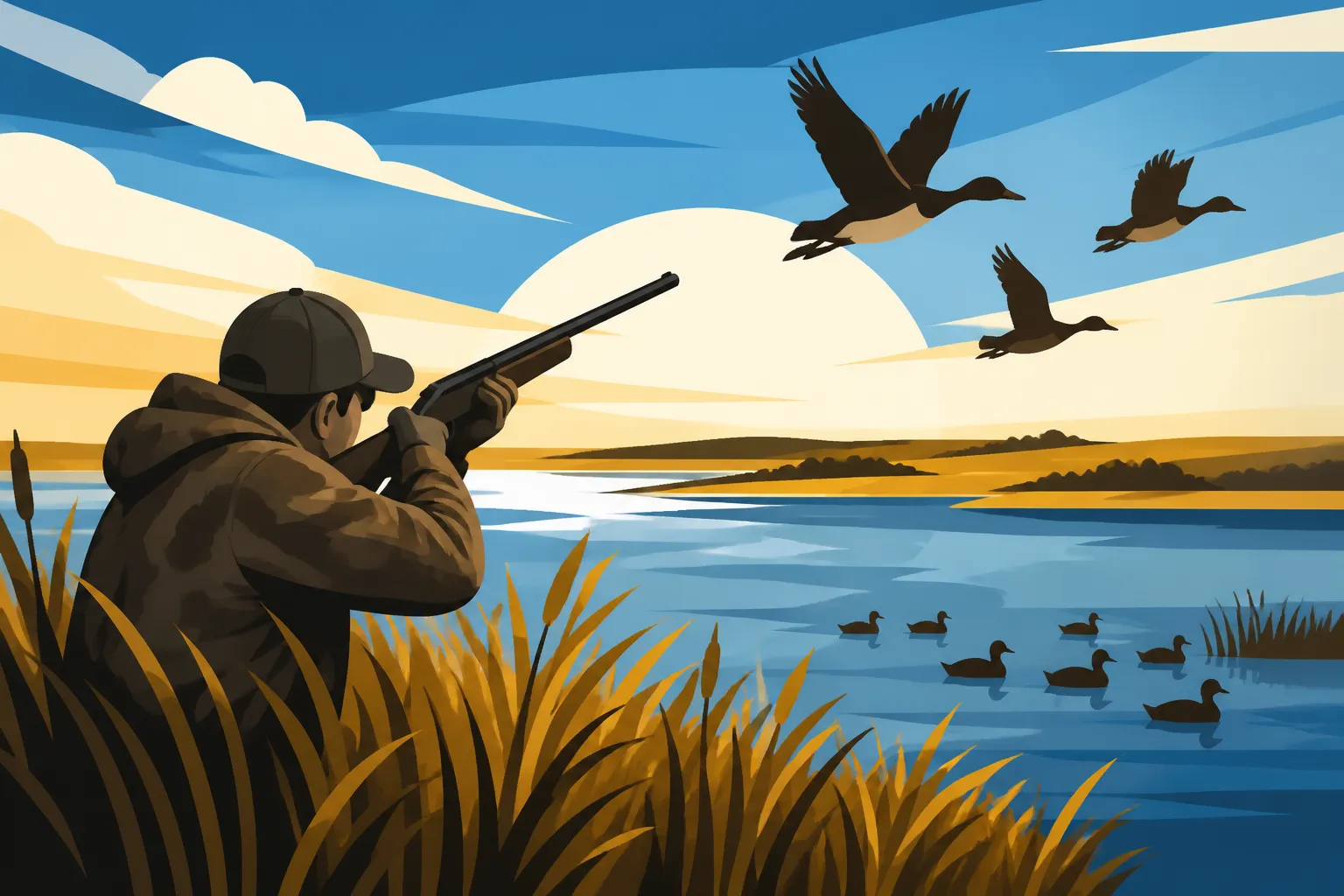
It can feel overwhelming when you're staring at the vastness of Saskatchewan's bigger lakes and river systems, wondering where on earth the birds are hiding. Unlike those small, obvious potholes that either hold ducks or they don't, large water bodies present a different challenge, often making hunters feel like they're looking for a needle in a haystack. This guide is all about helping you decode these expansive waters, understand why they attract migratory birds, and pinpoint those productive spots where you can find ducks, geese, and cranes during the hunting season.
Understanding Big Water Dynamics for Waterfowl
Saskatchewan is truly a waterfowl hunter's paradise, but the sheer scale of some of our water can be daunting. We're talking about massive lakes, sprawling reservoirs, and intricate river systems that stretch for miles. These aren't your typical prairie potholes; they're vital migration corridors, staging areas, and year-round habitats that attract an incredible diversity and density of birds. It's easy to get lost in the expanse, but once you understand the dynamics – how birds use these waters for feeding, roosting, and resting – you can start to unlock their secrets.
The challenge with big water is that the birds have endless options. They're not confined to a single quarter-section slough. Instead, they can spread out over thousands of acres, making traditional scouting methods frustratingly inefficient. This means you need a different approach, focusing less on individual birds and more on identifying key habitat features that consistently draw them in. Thinking like a bird, considering their needs for safety, food, and shelter, is your best bet when tackling these larger bodies of water.
Large Lakes as Staging and Roosting Havens
Saskatchewan is dotted with numerous large lakes, particularly as you move north into the parkland and boreal forest fringe. Lakes like Last Mountain Lake, Lake Diefenbaker, and the vast systems further north aren't just pretty scenery; they are critical resources for migratory waterfowl. These immense bodies of water offer unparalleled safety from predators and disturbance, making them prime roosting areas where birds can spend the night or rest during the day between feeding flights.
Ducks, especially divers like Canvasbacks, Redheads, and Bluebills, will often congregate on open water, rafted up in huge numbers. Geese, too, will use large lakes for roosting, especially during the peak of migration when hundreds, even thousands, can be found. The sheer volume of birds on these lakes can be breathtaking, but also intimidating. The trick isn't necessarily to hunt on the lake, but to understand that the lake is the hub, and birds will commute from it to feed in surrounding fields. Saskatchewan's Ducks and Geese are incredibly numerous, and understanding their patterns is key.
River Systems and Their Diverse Habitats
Our river systems, such as the South Saskatchewan, North Saskatchewan, and Qu'Appelle Rivers, offer a different kind of big water challenge and opportunity. Rivers provide a constant flow of fresh water, often with varying depths, currents, and shoreline features that create diverse microhabitats. Sandbars, oxbow lakes, back channels, and confluence points are all features that can concentrate birds.
Ducks, particularly dabblers like Mallards and Pintails, love the quieter backwaters and oxbows where they can feed on submerged vegetation and invertebrates. Geese will often use sandbars in the main channel for resting and loafing, especially if those sandbars offer good visibility. River valleys themselves often act as natural migration funnels, guiding birds along their course. Hunting these areas often involves boat access, or finding key access points where birds might be traveling to or from adjacent fields.
Key Features That Attract Birds to Big Water
It's not enough to just know a big lake or river exists; you need to understand what specific features within these vast landscapes are most appealing to waterfowl. Birds aren't randomly distributed; they seek out certain conditions that provide food, shelter, and security. Identifying these patterns is the secret sauce to successful big water hunting. This is where tools like GoHunt, with its detailed satellite imagery, can be absolutely invaluable for pre-season scouting.
Whether it's a sheltered bay, a shallow flat, or a specific type of vegetation, birds have preferences. Learning to read the water and the surrounding terrain will save you countless hours of unproductive scouting and put you in the right place when the migration is on. Patience and observation are your allies when trying to decipher the habits of birds on expansive waters.
Shallow Bays and Submerged Vegetation
For ducks, especially dabblers and some divers, shallow bays are gold mines. These areas often have less current, warmer water, and abundant submerged aquatic vegetation (SAV) like sago pondweed, wild celery, and various grasses. These plants are a primary food source for many duck species. Think about those areas where the water looks a bit calmer, or where you can see reeds and rushes emerging from the water – these are often indicators of shallower, more productive zones.
Birds will spend hours, if not days, feeding in these shallow bays, especially during periods of heavy migration. They offer a comfortable place to rest while providing essential calories for their long journeys. Accessing these bays can sometimes be tricky, requiring a shallow-draft boat or even wading, but the payoff can be immense. It's often where you'll find birds actively feeding, making them excellent spots for setting up a decoy spread.
Islands, Points, and Peninsulas
Islands, prominent points, and peninsulas on large lakes and rivers serve multiple purposes for waterfowl. They offer elevated roosting spots, protection from strong winds, and natural travel corridors. Geese, in particular, love islands and sandbars where they can have a 360-degree view of their surroundings, providing security from predators. Hunters often focus on islands that are relatively flat and sparsely vegetated, giving geese plenty of room to land and loaf.
For ducks, points and peninsulas can act as natural funnels, directing their flight paths as they move from open water to feeding areas or vice versa. Setting up a blind on a point that juts out into a bay or a lake can put you in a prime position to intercept birds as they travel. Always be mindful of wind direction when considering these features, as birds will almost always land and take off into the wind.
Creek Mouths and Inflow Areas
Anywhere a creek or smaller river flows into a larger lake or river system is often a hotspot for waterfowl. These inflow areas typically carry nutrients, creating fertile grounds for aquatic insects, small fish, and vegetation that birds feed on. The water temperature can also be slightly different, sometimes providing open water later into the season when other areas start to freeze.
Mallards, in particular, are drawn to these creek mouths, especially if there are agricultural fields upstream or along the banks. These locations often provide a convenient blend of water for resting and easy access to grain fields for feeding. Using tools like GoHunt to scout these confluence points, looking for trails, droppings, or open water, can give you a significant advantage. Hunting a Frozen Slough Crossing on a smaller scale is similar to how birds use these larger, flowing water entry points.
Scouting and Accessing Big Water for Birds
The scale of big water demands a strategic approach to scouting and access. You can't just drive around hoping to spot birds; you need a plan, often utilizing technology and understanding the lay of the land well before the season opens. Overlooking these steps can lead to frustrating days with little to show for your effort.
One of the biggest frustrations for hunters on large water bodies is getting stuck on the shoreline, watching birds rafted up a mile out, completely out of reach. Effective access and mobility are paramount. This means thinking about boats, waders, and sometimes even specialized hunting blinds that can be deployed in the water. Remember, Non-Toxic Shot for Saskatchewan Waterfowl is a requirement, so ensure you have the correct ammunition for your chosen hunting method.
Utilizing Satellite Imagery and Mapping Tools
Before you even step foot in your waders, fire up your mapping apps. Platforms like GoHunt are invaluable for pre-scouting large bodies of water. Look for those shallow bays, islands, points, and creek mouths we discussed. Pay attention to changes in water color that might indicate depth changes or submerged vegetation. Identify potential access points for boats or areas where you might be able to wade in.
Satellite imagery can reveal hidden back channels, old river beds, or marshy areas that aren't obvious from the road. Look for areas with significant agricultural activity nearby, as this suggests a food source that will draw birds off the main water body. Scouting Fields for Saskatchewan Waterfowl is a crucial companion to scouting the water itself, as the two are intrinsically linked for many species. Mapping out several potential spots and marking them on your GPS before you go is a smart move.
Boat and Wading Considerations
For much of Saskatchewan's big water hunting, a boat is almost essential. You'll need it to access distant islands, deploy decoy spreads in open water, or follow river systems. The type of boat depends on the water: a shallow-draft jon boat or duck boat is excellent for marshy bays and river oxbows, while a larger, more stable boat might be needed for expansive, windy lakes. Always prioritize safety: wear life jackets, know the weather forecast, and understand the capabilities of your vessel.
Waders are also non-negotiable, even if you have a boat. Many of the most productive shallow water areas require you to get out of the boat and wade to set up blinds or decoys. Chest waders are typically recommended, especially in colder weather. Be mindful of drop-offs and soft bottoms. Hunting on these big water bodies, particularly during colder months, can be physically demanding, so ensure you are prepared with appropriate gear and safety measures.
Decoy Spreads for Big Water
Decoy spreads on big water tend to be much larger and more visible than those used in small potholes. You're trying to attract birds from a greater distance and compete with the natural allure of massive rafts of real birds. Large numbers of decoys, often dozens or even hundreds, are common. Mix in different species: Mallards, Pintails, Canvasbacks, and even some Goose decoys if you're targeting multiple species.
Motion decoys, flags, and spinning wing decoys are particularly effective on big water to catch the eye of distant birds. Consider setting up a "landing zone" within your spread, a clear area where birds feel comfortable dropping in. Anchor your decoys securely, as winds can pick up quickly on large lakes. Setting up before first light is critical, which means meticulous planning the day before. Hunting Saskatchewan's Snow Goose Migration often involves massive decoy spreads, and while different species, the principle of scale applies.
Table: Key Big Water Features and Targeted Birds
Here's a quick look at some key big water features and the types of birds you're most likely to encounter and target there:
| Water Body Feature | Typical Bird Species Targeted | Hunting Challenges | Best Hunting Method Considerations |
|---|---|---|---|
| Shallow Bays | Mallards, Pintails, Wigeon, Teal, Canvasbacks, Redheads | Access (mud/depth), large spreads needed | Wading, boat access, large decoy spread, marsh blinds |
| Islands / Sandbars | Canada Geese, Snow Geese, Greater White-fronted Geese, Loafing Ducks | Scouting for active use, boat access, limited cover | Layout blinds, boat blinds, large goose spread |
| River Oxbows / Back Channels | Mallards, Wood Ducks, Teal, Geese (loafing) | Currents, hidden obstacles, limited scouting visibility | Boat access, jump-shooting, natural cover blinds |
| Creek Mouths / Inflows | Mallards, Pintails, Wigeon | Identifying active feeding, current control | Wading, boat blind, natural cover, proximity to fields |
| Open Lake Flats (Shallow) | Canvasbacks, Redheads, Bluebills, Lesser Scaup | Wind, wave action, deep water, large spreads needed | Layout boats, large diver spreads, secure anchoring |
Remember that Saskatchewan Duck Season Dates and Saskatchewan Goose Season Dates vary, so always check the regulations for your specific zone and target species before planning your hunt.
The Payoff: Why Big Water Hunting is Worth the Effort
Hunting Saskatchewan's big water bodies for birds is undoubtedly more challenging than setting up over a small slough. It requires more gear, more scouting, and often more effort. But the rewards can be truly spectacular. The sheer number of birds that utilize these major waterways is astounding, and when you get it right, the action can be non-stop.
There's a unique satisfaction that comes from deciphering the patterns of birds on a massive lake or river, then successfully setting up and having them commit to your spread. It's a testament to good scouting, thoughtful planning, and persistence. For many of us, it's the ultimate test of our waterfowl hunting skills, pushing us to learn and adapt. And let's be honest, watching thousands of ducks or geese taking flight from a vast body of water at sunrise is a memory that lasts a lifetime, regardless of what you bring home. It's this deep connection to nature and the challenge of the hunt that keeps us coming back year after year.
Disclaimer
This article is for general informational purposes only and does not constitute professional advice. Laws, prices and regulations vary by location and change over time. Consult a qualified professional for guidance on your specific situation.