Why Saskatchewan Is Called a Duck Factory
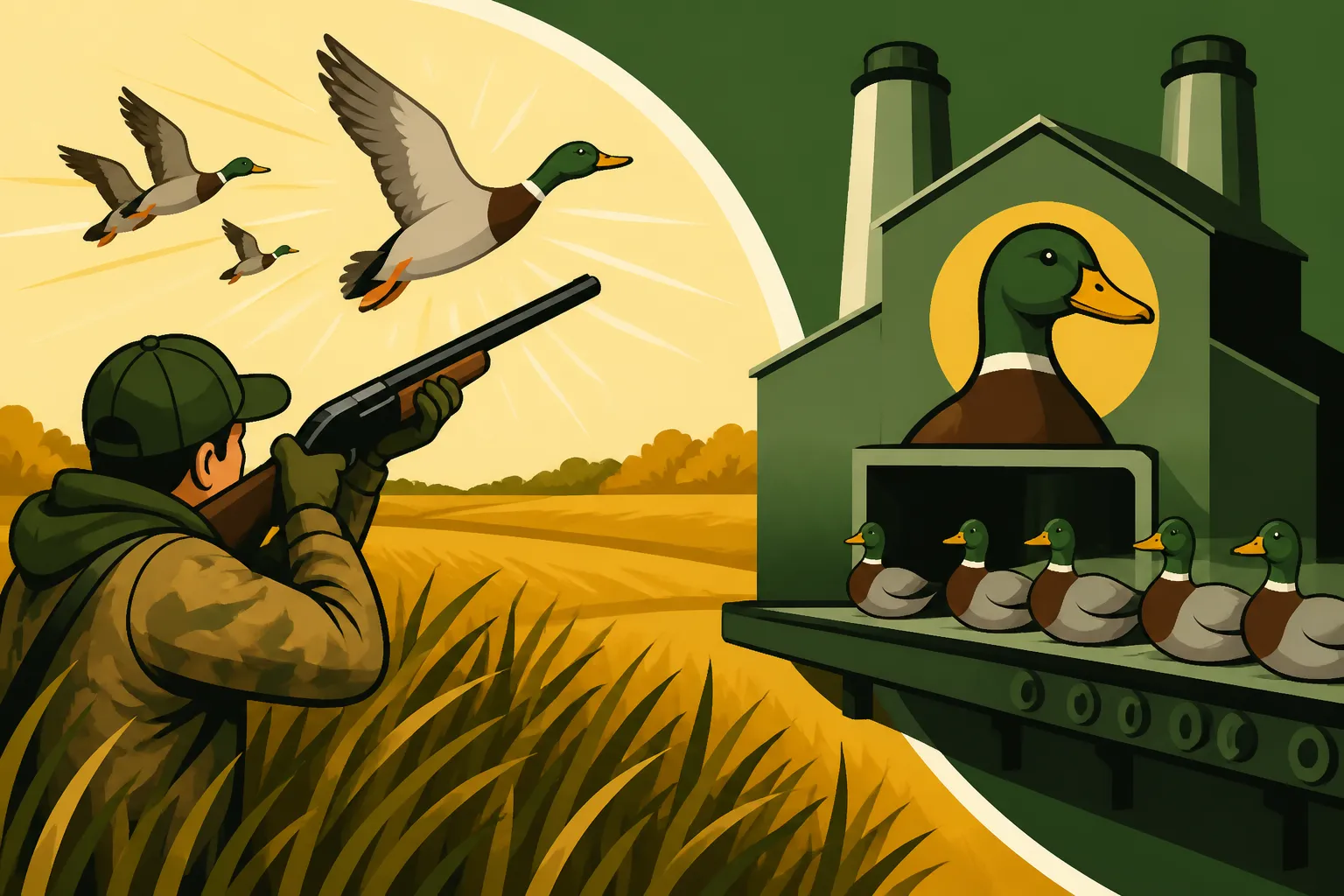
If you've spent any time talking to waterfowl hunters, you've undoubtedly heard the almost legendary whispers about Saskatchewan – often referred to as the "duck factory" of North America. Many folks wonder if it's just hype, or if there's a real, tangible reason why this prairie province consistently produces some of the most phenomenal duck hunting experiences on the continent. This guide is here to pull back the curtain and explain exactly why Saskatchewan has earned, and continues to uphold, its reputation as a premier destination for ducks and the hunters who pursue them.
The Prairie Pothole Powerhouse: Saskatchewan's Unique Wetland Landscape
The foundation of Saskatchewan's "duck factory" status lies squarely in its geography. Much of the province is dominated by what's known as the Prairie Pothole Region – a vast, glacial landscape pockmarked with millions of shallow wetlands. These aren't just puddles; they are incredibly productive ecosystems, providing ideal breeding and rearing grounds for an astonishing diversity and volume of waterfowl.
Glacial Legacy and Water Retention
Picture the last ice age, a massive sheet of ice slowly grinding across the land. As it retreated, it left behind an uneven terrain, peppered with countless depressions. These depressions, filled with snowmelt and rain, became the "potholes" we see today. The underlying geology often features dense clay soils, which are fantastic at holding water, even through periods of drought. This creates a resilient network of wetlands that might shrink in dry years but rarely disappear entirely, providing consistent habitat for nesting ducks. The sheer density of these potholes means that a hen doesn't have to fly far to find prime nesting cover, access to invertebrates for protein, and safe brooding areas for her ducklings. This widespread distribution of small, productive wetlands is absolutely critical for the success of duck reproduction on a continental scale.
Biodiversity in the Potholes
It's not just about the number of wetlands; it's about what lives in them. These potholes are teeming with life, from microscopic organisms to aquatic insects, snails, and amphibians. This rich buffet provides the essential protein and nutrients that ducklings need for rapid growth and hens require for egg production. Different duck species have different dietary needs, and the variety of food sources available caters to nearly every kind of dabbler and diver. Mallards might be grubbing for seeds and aquatic plants, while a scaup might be diving for invertebrates. The complex web of life in these wetlands ensures that ducks have everything they need to thrive from the moment they hatch. This abundance of protein-rich food is a major factor in Why Saskatchewan Bucks Grow So Large as well, showcasing the general fertility of the landscape.
A Nursery for North America's Ducks
Think of Saskatchewan's prairie potholes as a massive maternity ward for ducks. A significant percentage of North America's total duck population is hatched and raised right here. When you consider the millions of ducks that pour out of this region each fall, it's easy to see why it's earned its nickname. These aren't just any ducks; they're healthy, well-fed, and ready for the long journey south. This incredible reproductive engine is the primary driver behind the massive numbers of birds that migrate down the Central and Mississippi Flyways every autumn. Without Saskatchewan's potholes, duck populations across the continent would be a fraction of what they are.
Fueling the Migration: Abundant Agricultural Bounty
While the potholes provide the nursery, Saskatchewan's agricultural landscape acts as the duck factory's cafeteria, providing an endless supply of high-energy food for migrating and staging birds. This agricultural abundance is a key component, turning a productive breeding ground into a world-class staging area.
Vast Grain Fields and Waste Grain
Saskatchewan is a breadbasket, with millions of acres dedicated to growing cereal grains like wheat, barley, and oats, as well as oilseeds like canola and flax. After the harvest, a significant amount of grain inevitably remains on the ground. This "waste grain" is a goldmine for ducks. It's packed with carbohydrates, providing the critical energy reserves ducks need to fuel their long migration south. Imagine a field of freshly harvested barley; it's like a five-star restaurant for a flock of mallards or pintails. They can spend days, even weeks, gorging themselves, building up the fat reserves necessary to survive the journey and the winter ahead. Hunters who focus on Hunting Ducks on a Saskatchewan Stubble Field know just how attractive these food sources are.
Cropland-Wetland Synergy
The magic truly happens where these vast grain fields meet the numerous potholes and sloughs. Ducks can feed in the fields during the day, then retreat to the safety and open water of nearby wetlands for resting and roosting. This close proximity of food and water is ideal. Ducks don't have to expend precious energy flying long distances between feeding and resting areas. This efficiency allows them to maximize their intake and quickly build condition. For example, you might see thousands of ducks lifting off a stubble field at sunset, only to drop into a large slough a quarter-mile away. It's a perfect system that supports incredible numbers of birds. If you're using scouting tools like GoHunt, understanding the interplay between these cultivated fields and natural wetlands is crucial for identifying prime hunting locations.
Crop Rotation and Species Diversity
Saskatchewan farmers often rotate their crops, which inadvertently creates a diverse menu for waterfowl. One year a field might be wheat, the next canola, then peas or lentils. Each crop offers different nutritional benefits, appealing to a wider range of duck species and ensuring a varied diet throughout the fall. This constantly changing buffet means that no matter what a particular duck species prefers, there's likely a suitable food source available somewhere across the landscape. The sheer scale of agriculture here means there's always an abundance of choice. Understanding What Cropland Change Did to Prairie Game can also help hunters predict bird movements and feeding patterns.
Crucial Crossroads: The Heart of the Central Flyway
Saskatchewan doesn't just produce ducks; it's also strategically located on one of North America's major migratory routes, ensuring that a vast number of birds pass through, pause, and replenish here.
The Central Flyway Bottleneck
The Central Flyway, one of four primary migratory corridors in North America, funnels birds from the Arctic and northern prairies down to their wintering grounds in the southern United States and Mexico. Saskatchewan sits right at the heart of this flyway, acting as a critical staging area. As ducks begin their southbound journey, they converge on Saskatchewan, joining the locally bred birds. This creates truly spectacular concentrations of waterfowl, sometimes numbering in the tens or even hundreds of thousands on a single large body of water. Hunters need to be aware of Saskatchewan Duck Season Dates to plan their trips around these massive migrations.
Staging Areas: Essential for Migration Success
Large lakes, reservoirs, and even vast marsh systems across Saskatchewan serve as vital staging areas. Here, ducks can rest, feed, and socialize in massive flocks, preparing for the next leg of their journey. Places like the Quill Lakes, Last Mountain Lake, and numerous other large bodies of water become temporary cities for waterfowl. The sheer volume of birds on these staging areas is awe-inspiring, and they provide incredible hunting opportunities, especially for those looking to experience Pothole Hunting Prairie Ducks or target specific species. Having a robust plan, perhaps aided by detailed maps on GoHunt, to navigate these staging areas can significantly increase your chances of success.
| Duck Species | Primary Habitat Preference | Common Food Sources |
|---|---|---|
| Mallard | Shallow marshes, prairie potholes, flooded timber, agricultural fields | Waste grain, seeds, aquatic plants, invertebrates |
| Northern Pintail | Shallow marshes, prairie potholes, agricultural fields | Waste grain, seeds, aquatic plants, tubers |
| Blue-winged Teal | Shallow marshes, small potholes, flooded grasslands | Aquatic insects, seeds, small invertebrates |
| Green-winged Teal | Shallow marshes, small ponds, forested wetlands | Seeds, aquatic insects, waste grain |
| Gadwall | Open marshes, prairie potholes, larger wetlands | Aquatic vegetation, seeds, some invertebrates |
| Canvasback | Deep marshes, large lakes, open water | Tubers and roots of submerged vegetation, mollusks |
| Redhead | Deep marshes, large lakes, open water | Submerged vegetation, aquatic invertebrates |
| Lesser Scaup | Large lakes, open water, deep marshes | Aquatic invertebrates, seeds, small fish |
Conservation Efforts and Sustainable Management
The "duck factory" status isn't just a happy accident; it's also a testament to ongoing conservation efforts and thoughtful wildlife management in Saskatchewan and beyond. These efforts ensure that the vital habitats remain productive and duck populations stay healthy.
Collaborative Conservation Initiatives
Organizations like Ducks Unlimited Canada have a massive presence in Saskatchewan, working tirelessly to conserve, restore, and manage wetlands and associated habitats. They partner with landowners, government agencies, and other conservation groups to ensure these critical breeding and staging grounds are protected for future generations. Their efforts involve everything from wetland restoration projects to promoting sustainable agricultural practices that benefit waterfowl. The cumulative impact of these initiatives is immense and directly contributes to the resilience of the "duck factory." It’s important for hunters to understand the value of the Saskatchewan's Wildlife Habitat Certificate and similar contributions to these conservation efforts.
Hunter Contributions to Conservation
Hunters themselves play a crucial role. Through the purchase of hunting licenses and migratory bird permits, they contribute significant funds that are directly earmarked for conservation programs. The Federal Migratory Game Bird Hunting Permit, for example, is essential for waterfowl hunting and its proceeds directly support habitat protection and research. Every time a hunter purchases their Federal Migratory Game Bird Permit or their Saskatchewan Resident Deer Licence Cost, a portion goes back into ensuring the health of these vital ecosystems. This direct link between hunting and conservation is a powerful force in maintaining healthy duck populations.
Adapting to Environmental Challenges
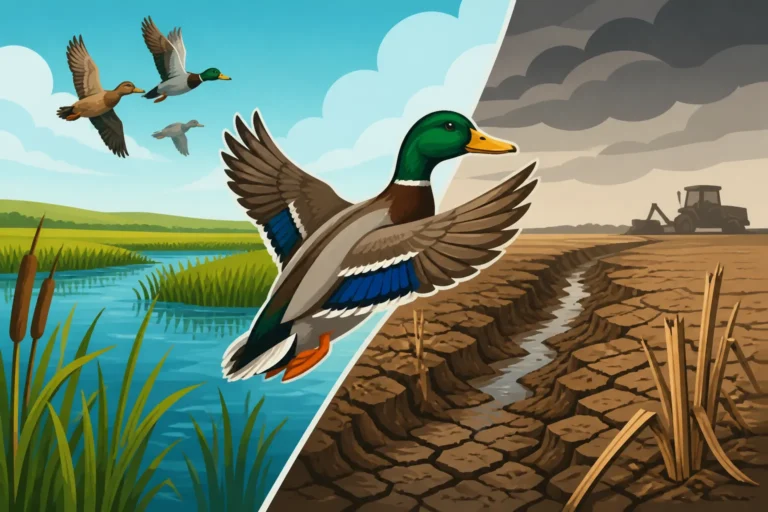
Saskatchewan's "duck factory" isn't immune to challenges. Drought cycles, changes in agricultural practices, and habitat degradation are constant threats. However, adaptive management strategies, informed by scientific research and population monitoring, help mitigate these impacts. Wildlife agencies, often supported by data from hunting regulations and hunter surveys, can adjust season lengths, bag limits, and conservation priorities to ensure that duck populations remain robust. While Why Wetland Drainage Hurts Saskatchewan Ducks is a real concern, ongoing efforts aim to reverse some of these trends and protect remaining vital areas. Understanding these challenges and supporting conservation efforts is key to ensuring Saskatchewan remains a duck factory for years to come.
Disclaimer
This article is for general informational purposes only and does not constitute professional advice. Laws, prices and regulations vary by location and change over time. Consult a qualified professional for guidance on your specific situation.