Rifle Hunting Saskatchewan’s Whitetail Rut
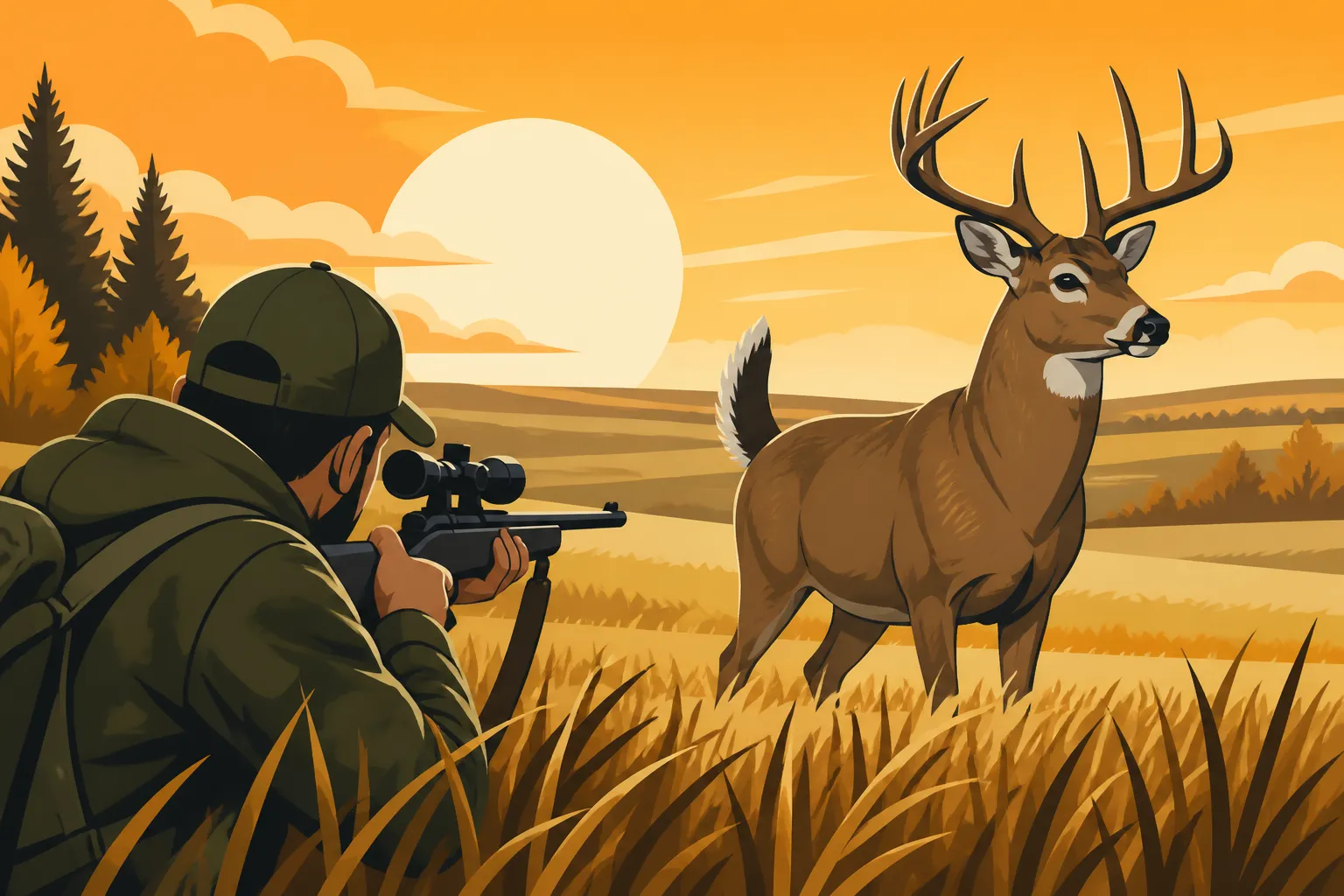
There's nothing quite like the anticipation of November in Saskatchewan, especially if you're a rifle hunter with a whitetail tag in your pocket. That unique blend of crisp, cold air, the promise of snow, and the knowledge that the biggest bucks are finally letting their guard down is intoxicating. But let's be real, chasing a mature whitetail during the peak of the rut with a rifle isn't just about showing up; it's a chess match against cunning animals in a vast, often unforgiving landscape. This comprehensive guide is here to walk you through the precise strategies, local insights, and practical tips you'll need to maximize your chances of success when rifle hunting Saskatchewan's whitetail rut.
Understanding the Saskatchewan Whitetail Rut
The whitetail rut in Saskatchewan is a phenomenon that transforms deer behavior, making mature bucks, normally nocturnal and reclusive, far more visible and vulnerable. Knowing when and why this happens is the foundation of a successful rifle hunt.
What Triggers the Rut
Unlike popular belief that cold weather alone "kicks off" the rut, the primary driver for whitetail breeding season is photoperiod – the decreasing amount of daylight hours after the autumnal equinox. As the days shorten, a buck's testosterone levels begin to climb, peaking around late October and early November. This biological clock is incredibly precise and consistent year after year, regardless of temperature fluctuations.
However, environmental factors do influence how deer express rutting behavior. A sudden cold snap can often make deer move more during daylight hours, as they need to fuel their increased activity levels, while a warm spell might see them revert to more nocturnal movement, especially if hunting pressure is high. Understanding this interplay between photoperiod and weather is crucial for planning your hunting days effectively. Bucks become restless, constantly seeking receptive does, checking scrapes and rubs, and covering significant ground. Does, on the other hand, are entering estrus sequentially, leading to intense competition among bucks.
Peak Rut Timing in Saskatchewan
For most of Saskatchewan's whitetail country, the absolute peak of the breeding rut typically occurs in the second and third weeks of November. This isn't a hard and fast rule, as minor variations can occur year to year and even from one Wildlife Management Zone (WMZ) to another. The first week of November often sees the "pre-rut," where bucks are actively scraping, rubbing, and sparring, but most does aren't yet receptive. This is still a fantastic time to hunt, as bucks are ranging widely and can be patterned.
As we push into mid-November, the primary breeding phase kicks in. This is when you'll observe bucks relentlessly pursuing does, often ignoring their usual cautious nature. It's the period when sitting all day in a blind really pays off, as deer can be on the move at any hour. By the last week of November, you're usually entering the "post-rut," where the peak breeding has subsided, but bucks are still active, looking for any late-cycling does and trying to replenish their depleted energy reserves. Many hunters still find success during this late phase, especially by focusing on food sources. For a more detailed look, check out our guide on Hunting Saskatchewan's November Rut.
Regional Variations in Rut Activity
Saskatchewan is a vast province, and what holds true for the parkland might be slightly different in the deep boreal forest or the agricultural south. In the agricultural zones and aspen parkland, where food is abundant and cover is often patchy, bucks might travel further and be more visible as they search for does. The open nature of some of these areas also lends itself well to glassing tactics. You might see more deer in fields or crossing open country.
Conversely, in the denser forest fringe and boreal regions, deer movement can be more concentrated along natural travel corridors, such as old logging roads, cutlines, or beaver dam crossings. Bucks in these areas might rely more heavily on scent-checking trails rather than visual sweeps of open terrain. Weather patterns can also have a more pronounced local effect; for instance, a heavy snowfall in the north might push deer into sheltered areas, whereas the south might experience more wind and drifting snow. Always consult local regulations for specific WMZ season dates, as these can vary.
Pre-Season Scouting and Preparation
Success during the rut isn't just about the hunt itself; it’s largely determined by the groundwork you put in long before opening day. This proactive approach saves time, reduces guesswork, and builds confidence.
Digital Scouting with Tools like GoHunt
In today's age, digital scouting is an invaluable asset, especially when hunting large, unfamiliar areas or trying to locate public land access points. Tools like GoHunt allow you to pore over satellite imagery, topographical maps, and public/private land ownership overlays right from your couch. You can identify potential pinch points, funnels, bedding areas, and historical travel routes without ever stepping foot in the woods. Look for creek bottoms, treelines separating fields, old homesteads, and any features that would naturally concentrate deer movement.
I use GoHunt extensively to identify potential stand locations or areas for still hunting. You can mark waypoints, measure distances, and even plan your approach routes to minimize disturbance. This is particularly useful in Saskatchewan's mixed landscape, where private agricultural land often abuts public bush. By understanding the lay of the land digitally, you can arrive at your hunting spot with a clear plan, knowing exactly where you can legally access and what types of terrain to expect. This also helps in navigating potential access challenges like those discussed in Saskatchewan's Crown Land Access.
On-the-Ground Reconnaissance
While digital tools are powerful, there's no substitute for getting boots on the ground. A few weeks before the season, if possible, spend time walking the areas you've identified digitally. Look for fresh rubs, scrapes, and well-worn deer trails. Pay attention to how deer are using the terrain – where are they feeding, bedding, and travelling between the two? Identify escape routes and potential ambush points. You might find a small willow run or a bush bluff that looked insignificant on a map but is clearly a major deer highway.
Check for recent activity – fresh tracks in soft soil, shiny rubs where bark has just been stripped, or an active scrape line. If you're hunting farmland, note what crops are standing or swathed, as these will be critical food sources. Permission is key here; always ensure you have the landowner's consent before scouting private property. Even if you plan to hunt public land, understanding the adjacent private land activity can give you critical clues as to how deer are moving through the larger landscape.
Gear Checks and Rifle Familiarization
The rut is no time for gear malfunctions. Before you head out, perform a thorough check of all your hunting equipment. Your rifle should be meticulously cleaned and sighted in. Take it to the range and practice shooting from various positions – offhand, kneeling, prone – as you might not always get a perfect bench rest scenario in the field. Confirm your rifle's zero with the exact ammunition you intend to hunt with. Ensure your scope is clear, mounts are tight, and action is smooth.
Beyond the rifle, check your optics (binoculars, rangefinder), clothing layers, tree stand or ground blind, and all safety equipment. Is your hunting license up to date? Do you have your Wildlife Habitat Certificate? Are your tags ready? Familiarize yourself with Saskatchewan's Legal Rifle Calibres for Big Game to ensure compliance. Make a checklist and run through it to avoid any last-minute surprises. Being prepared mentally and physically is just as important as having the right gear.
Strategic Stand Placement for the Rut
During the rifle rut, successful hunters often position themselves in areas where bucks are naturally drawn or funneled. This isn't just about picking a random tree; it's about anticipating deer movement.
Targeting Funnels and Pinch Points
Funnels and pinch points are geographical features that constrict deer movement into a smaller area, making them predictable. These can be natural features like narrow strips of timber between open fields, creek crossings, saddles between hills, or even small strips of bush between two major bedding areas. Man-made features like fence lines, roads, or even abandoned farm equipment can also create these travel corridors.
During the rut, bucks will often use these funnels to efficiently cover ground while scent-checking for does. Placing a stand or ground blind overlooking a well-used funnel gives you a high probability shot opportunity. Think about the prevailing wind direction and how deer will likely approach these areas. Your goal is to intercept a cruising buck. Remember, a deer's nose is its primary defense, so staying downwind is always paramount. A good example of this might be Hunting a Bluff Between Two Fields, where deer use the elevated cover to move unseen.
Hunting Bedding Areas and Food Sources
While bucks might be actively cruising during the rut, they still need to bed down and, eventually, eat. During the main breeding phase, bucks will often "lock down" with a receptive doe, taking her to a secluded bedding area. Sitting on the edge of a known bedding area, especially those with thick cover like dense willow thickets, regenerating clear-cuts, or even standing cornfields, can be highly effective.
Food sources also become critical, especially during the pre-rut and post-rut phases, when deer are building or rebuilding energy reserves. Look for standing peas, lentils, canola, or alfalfa fields. During the peak rut, bucks might only make quick forays to feed, but a hot doe might lead them to a food source, so don't ignore these areas entirely. Consider hunting a field edge early morning or late evening, as deer transition between bedding and feeding. A strategic spot might be Hunting a Standing Canola Field Edge or Hunting a Swathed Grain Field at Dusk.
Utilizing Bluffs, Shelterbelts, and Bush Edges
Saskatchewan's landscape often features isolated bluffs of aspen or poplar, linear shelterbelts, and distinct bush edges where forest meets farmland. These features are magnets for whitetails, providing cover, food, and travel corridors. Bluffs, particularly those on public land or with landowner permission, offer excellent ambush points. Deer use them for bedding, rubbing, and as elevated vantage points. Positioning yourself on a bluff edge with a clear view of surrounding fields or corridors can give you a wide shooting lane.
Shelterbelts, those rows of trees planted by farmers, act as natural highways for deer moving between different parts of a property, or between bedding and feeding areas. A well-placed stand in a shelterbelt can offer concealment and a shot at a cruising buck. Similarly, the "forest fringe" – the transition zone between dense forest and open agricultural land – is prime whitetail habitat. These edges provide the best of both worlds: thick cover in the forest for bedding and security, and abundant food sources in the adjacent fields. Hunting these edges allows you to intercept bucks moving in and out of cover, often travelling long distances during the rut.
Calling and Decoying Tactics
Adding calls and decoys to your rifle hunting strategy during the Saskatchewan rut can be incredibly effective, turning a waiting game into an active interaction with deer.
Aggressive Rattling and Grunt Calls
During the peak rut, bucks are competitive and often aggressive. Mimicking a buck fight with rattling antlers can draw curious or challenging bucks right into your shooting lane. Start with light sparring, gradually increasing the intensity to simulate a serious battle. After a minute or two of rattling, pause for 10-15 minutes, listening intently, then repeat. Bucks might circle downwind to scent-check the "fight," so be ready for an approach from any direction.
Grunt calls are also highly effective. A deep, drawn-out grunt can challenge a dominant buck or attract a curious one. Combine grunts with rattling, or use them independently. A series of tending grunts can simulate a buck pursuing a doe, which can be irresistible to other bucks looking to cut in. Don't be afraid to be aggressive, especially during the full swing of the rut; passive calling might not get the attention of a buck focused on breeding. In open parkland, remember to consider Rattling Volume in Open Parkland to carry the sound effectively.
The Power of Doe and Buck Decoys
Decoys can add a visual element that perfectly complements your calling. A single doe decoy, especially a bedded or standing estrus doe, can draw a cruising buck in for a closer look. They'll often approach cautiously, circle downwind, and then commit once they feel safe. Place the decoy in an open area where it's highly visible, ideally 20-30 yards from your stand, providing a close, ethical shot opportunity.
Adding a small buck decoy or even a full-sized mature buck decoy can be even more potent, especially when combined with rattling. A buck decoy placed to appear as if it's "challenging" or "checking" the doe decoy can infuriate a dominant buck into a direct confrontation. Always position buck decoys slightly quartering away from your shooting lane to encourage a broadside shot, and be mindful of other hunters in the area. Decoys are best used in areas of good visibility and where you have some cover to conceal your approach and scent.
When and Where to Use Calling Strategies
The timing and location for calling are crucial. Aggressive rattling and grunting are most effective during the pre-rut and peak rut, when bucks are actively seeking does and are most competitive. As the rut winds down into the post-rut, calling might be less effective, though a subtle grunt or bleat could still draw in a buck looking for a late-cycling doe.
When it comes to location, dense cover limits the range of your calls and decoys. Open country, like field edges, pastures, or clearings within the bush, allows sound to travel further and decoys to be seen from a distance. Always consider the wind; calls and decoys are best deployed when you can set up downwind of where you expect deer to approach. Early morning and late evening, when deer are naturally more active, are often the best times, but during the peak rut, any time of day can produce results, especially if you're prepared for Sitting All Day in a Saskatchewan Blind.
Still Hunting and Spot-and-Stalk Approaches
While stand hunting is popular, actively moving through the landscape can be highly effective, especially when deer patterns are unpredictable during the rut or when hunting vast tracts of public land.
Covering Ground Slowly and Systematically
Still hunting involves moving extremely slowly and deliberately through whitetail habitat, pausing frequently to scan and listen. It's a method that requires immense patience and keen observation skills. Focus on areas with good cover but also clear shooting lanes, like open timber, creek bottoms, or the edges of dense bush. Move into the wind, or with a crosswind, to prevent your scent from spooking deer ahead of you.
Take one or two steps, then stop and carefully glass your surroundings for several minutes. Look for movement, horizontal lines (like a deer's back) in vertical cover, or the flick of an ear. Pay attention to subtle cues like ravens or magpies suddenly taking flight, which might indicate a deer has been spooked. This method is particularly effective in the forest fringe or bush country, where deer have plenty of cover, and you can effectively get into their bedding areas without bumping them.
Glassing Open Country and Field Edges
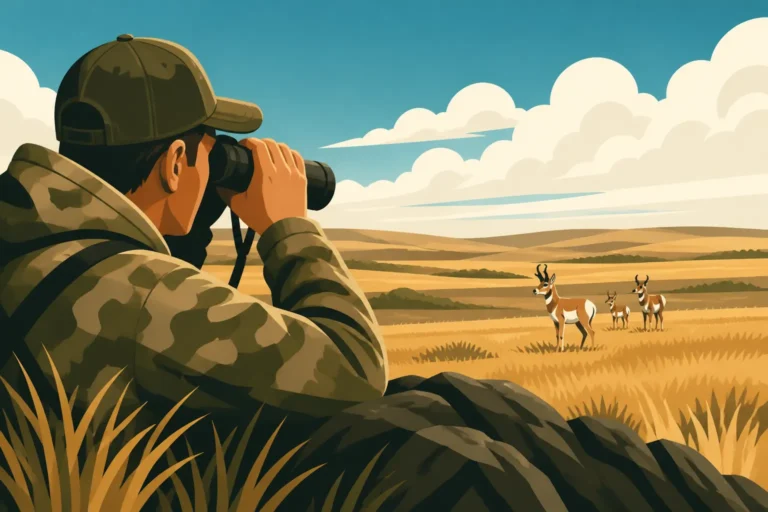
Saskatchewan's agricultural landscape and prairie regions lend themselves perfectly to spot-and-stalk tactics, especially in November when deer are more visible. Find a vantage point that offers an expansive view of fields, coulees, treelines, or bush pockets. Use high-quality binoculars or a spotting scope to systematically scan the landscape. This is where quality optics truly shine, allowing you to pick out the subtle details of a deer at long range.
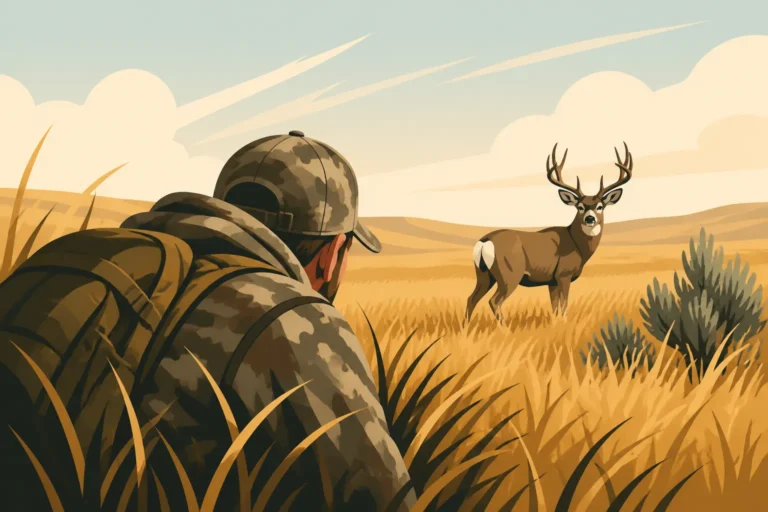
During the rut, bucks will often cruise field edges, check treelines, or even cross open stubble fields in broad daylight. Glassing allows you to locate these active deer. Once you spot a desirable buck, the challenge begins: planning your stalk. This requires understanding the terrain, utilizing every fold and dip for cover, and paying meticulous attention to wind direction. A successful stalk might take hours, crawling or moving stealthily, often ending with a challenging shot. For tips on terrain use, refer to Glassing a Saskatchewan Coulee for Mule Deer – many principles apply to whitetails as well.
Tracking Bucks in Fresh Snow
A fresh snowfall during the rut is a gift to rifle hunters. New snow not only quiets your footfalls but also lays bare the movements of deer. Tracking allows you to follow a buck's fresh sign directly to its whereabouts. Look for large, distinct tracks indicating a mature buck, especially if accompanied by a smaller doe track. Pay attention to stride length, depth of the impression, and any evidence of dragging hooves, which can indicate a heavy deer.
As you follow tracks, slow down and become hyper-vigilant. Bucks know they're being followed, and they often circle back to watch their trail. Anticipate where the buck might be heading – a thick bedding area, a water source, or another field. As you approach dense cover, slow to a crawl, scanning ahead constantly. A track in the snow can lead you directly to a bedded buck, offering a fantastic opportunity for a close-range shot, provided you move silently and maintain the wind advantage.
Dealing with Saskatchewan's November Weather
November in Saskatchewan can be an unpredictable beast, from mild, sunny days to brutal blizzards and extreme cold. Being prepared for anything is not just about comfort; it's about safety and success.
Dressing for Extreme Cold and Wind
Layering is absolutely critical for hunting in Saskatchewan's November cold. Forget bulky single layers; a system of base layers, mid-layers, and an outer shell allows you to adapt to changing temperatures and activity levels. Start with a moisture-wicking synthetic or merino wool base layer against your skin. Add insulating mid-layers like fleece or down. Your outer shell should be windproof and waterproof, offering protection from the elements.
Pay special attention to your extremities. A good quality hat that covers your ears is essential, as is a face mask or balaclava. Insulated, waterproof gloves or mittens are a must, ideally with a thinner inner glove for dexterity when handling your rifle. For your feet, invest in high-quality, insulated hunting boots rated for extreme cold, paired with moisture-wicking socks. Chemical hand and foot warmers can be a lifesaver on long sits. Don't underestimate the power of windchill; a -10°C day can feel like -25°C with a strong northwest wind. This level of preparation is key for Hunting Saskatchewan Winter Weather Safely.
Staying Warm in a Blind or Stand
Sitting stationary in a stand or blind for hours during cold Saskatchewan November days is perhaps the biggest test of a hunter's endurance. Beyond proper layering, there are several strategies to stay warm. A well-insulated ground blind or enclosed tower blind can offer significant protection from wind and snow. Portable heaters designed for blinds (always use with proper ventilation!) can make a huge difference, keeping you comfortable for longer.
Inside your blind, bring an insulated seat cushion and a warm blanket or sleeping bag to wrap around yourself, especially if you're not moving. Hot drinks in a quality thermos can provide internal warmth. Keep snacks high in calories (nuts, chocolate, energy bars) readily available to fuel your body and generate heat. Regular, small movements, like stretching your fingers and toes, can improve circulation. Remember, the longer you can stay comfortable, the longer you can stay in the woods, increasing your chances of success.
Navigating Snow and Frozen Conditions
November often brings the first significant snowfalls and freezing temperatures to Saskatchewan. Snow, while a blessing for tracking, can also pose challenges. Roads can become slick or drift in, making access difficult. Ensure your vehicle is equipped with good winter tires, a full tank of gas, and a survival kit. A shovel, tow rope, and booster cables are indispensable for Winter Truck Kit for a Saskatchewan Hunt.
Frozen ground and icy conditions require careful foot placement to avoid falls and to move silently. Consider traction devices for your boots if ice is a concern. Rivers, sloughs, and potholes might begin to freeze over, but ice can be deceptive and dangerous. Never assume ice is safe. Be extra cautious when crossing frozen water bodies, or avoid them altogether. While the cold can be extreme, it also often motivates deer to move more, as they need to keep warm and search for food, offering a unique opportunity for those willing to brave the elements.
Ethical Shot Placement and Recovery
Taking an ethical shot and ensuring swift recovery of your animal is the hallmark of responsible hunting. This is especially true during the rut when adrenaline can run high.
Understanding Whitetail Anatomy
Before you even raise your rifle, have a clear understanding of whitetail anatomy. The goal is to hit the vital organs – the heart and lungs – which are located behind the shoulder blade. A double-lung shot or a heart shot is almost always fatal within seconds or minutes, leading to a quick, ethical harvest. Avoid shoulder or head shots unless you are absolutely confident in your ability, as these can easily wound an animal without immediate fatality, leading to prolonged suffering and difficult recovery.
Visualize the vitals on a deer, regardless of its angle. If the deer is quartering away, aim to hit the far shoulder. If it's quartering towards you, wait for a better angle or aim for the shoulder closest to you to break it down and then follow up. Practice shooting at realistic distances you expect to encounter, and never take a shot beyond your effective range, especially in Saskatchewan's often open conditions. Patience is key; wait for the deer to present a clear, broadside or quartering-away shot.
Tracking and Recovering Wounded Game
Even with a perfectly placed shot, deer don't always drop in their tracks. It's crucial to give a seemingly well-hit deer time before tracking, especially if it runs. If you believe you made a good shot, note the exact spot where the deer was standing and the direction it ran. Wait at least 30 minutes to an hour (longer if it's a gut shot) before beginning your track. This allows the deer to lie down and stiffen, making recovery much easier.
When tracking, look for blood, broken branches, disturbed leaves, or tracks. Pay attention to the type of blood – bright red, frothy blood indicates a lung hit; darker blood might suggest a liver or muscle hit; greenish/brown matter points to a gut shot. If you find limited blood, expand your search pattern in the direction the deer was heading. If tracking at night, use a powerful headlamp or spotlight. Never assume a deer is dead; approach cautiously from behind. If you are having trouble, don't be afraid to enlist help from experienced hunters or a trained tracking dog (where legal). Always be persistent; a responsible hunter will do everything in their power to recover a wounded animal.
Meat Care in Saskatchewan's Cold Snaps
Once your animal is down, proper field dressing and meat care are paramount, especially given Saskatchewan's cold November temperatures. Field dress the animal as quickly as possible to allow the carcass to cool down. Remove the entrails, heart, and lungs. If permitted, split the brisket to expose the chest cavity and allow for better airflow.
Hang the carcass if possible, or prop it open to facilitate cooling. If temperatures are above freezing, you might need to get the animal to a cooler or butcher quickly. However, during typical November cold snaps, the ambient temperature can actually work in your favor, naturally chilling the meat. Ensure the meat is kept clean and dry. Avoid leaving it exposed to direct sunlight for extended periods, even if it's cold. Once cooled, transport the carcass carefully to avoid contamination. For more specific advice, our guide on Meat Care in Saskatchewan's Cold Snaps offers detailed instructions.
Post-Hunt Considerations
Your responsibilities as a hunter extend beyond the shot and recovery. Proper tagging, transportation, and disease testing are crucial aspects of the post-hunt process.
Tagging and Transporting Your Harvest
Immediately after harvesting your whitetail, validate your tag according to Saskatchewan regulations. This typically involves cutting out the appropriate notches for the date and time of kill, and attaching the tag securely to the animal's antler or ear. Failure to properly tag an animal can result in significant penalties.
When transporting your harvest, ensure that evidence of species and sex (e.g., antlers or unskinned head for antlered animals) remains with the carcass until it reaches your final destination (home, butcher, or taxidermist). This allows enforcement officers to verify the legal harvest. The carcass should be transported in a way that keeps it clean and cool. If you are transporting across zones, be aware of any specific regulations regarding carcass movement, especially concerning CWD.
CWD Testing and Carcass Disposal
Chronic Wasting Disease (CWD) is a serious concern in Saskatchewan, and responsible hunters play a vital role in monitoring its spread. Several zones in Saskatchewan require mandatory CWD testing for harvested deer, moose, and elk. Even if you're not in a mandatory zone, voluntary testing is highly encouraged. The process usually involves submitting the head of your harvested animal to a designated drop-off location or a Ministry of Environment office.
Understanding CWD Testing on an Outfitted Saskatchewan Hunt is important, especially if you're using a guide who may handle the submission process. If your animal tests positive for CWD, it is recommended not to consume the meat. Proper disposal of carcasses (including bones, hide, and gut piles) is also important to prevent the spread of disease. Do not leave carcasses where other animals can access them easily, and ideally, dispose of them at approved landfills or deep burial sites, away from areas where other cervids congregate. Always check the current year's Saskatchewan Hunters' and Trappers' Guide for the most up-to-date CWD regulations and drop-off locations.
Disclaimer
Hunting involves inherent risks, including but not limited to those associated with firearms, wildlife, and outdoor conditions. The information provided in this guide is for informational purposes only and should not replace professional instruction, local regulations, or personal judgment. Always prioritize safety, adhere to all provincial and federal hunting laws, and obtain the necessary licenses and permissions before hunting. The author and publisher are not responsible for any accidents, injuries, or legal issues that may arise from using this information.