Best Saskatchewan Ground for Waterfowl
Finding prime waterfowl hunting ground in Saskatchewan can feel like searching for a needle in a haystack, especially when every field and slough seems to hold birds. It's easy to get overwhelmed by the sheer scale of the landscape and the number of places geese and ducks could be, but this guide will cut through that noise and help you identify the truly exceptional spots, giving you a real edge in a province famous for its incredible bird hunting.
Understanding Saskatchewan's Waterfowl Rich Landscape
Saskatchewan isn't just a place with good waterfowl hunting; it's a critical staging area for millions of migratory birds across North America. The reason for this incredible abundance lies in the unique blend of habitat types found here. We have everything from vast, open prairie with its shallow potholes and endless grain fields, to the parkland region, which offers a mix of forest and agriculture, all the way up to the southern edges of the boreal forest with its larger lakes and wetlands. Each of these zones attracts different species and offers distinct hunting opportunities, and knowing where you are in this grand mosaic is the first step to finding the best ground.
The Prairie Pothole Region: A Duck Hunter's Paradise
Ah, the prairie potholes. If you're a duck hunter, this is your happy place. This region, spanning much of southern and central Saskatchewan, is absolutely dotted with small, shallow wetlands that are vital breeding grounds and staging areas for ducks of all kinds. Mallards, pintails, wigeon, canvasbacks, and teal absolutely thrive here. The key to these areas isn't just the water, but the surrounding agricultural fields. Ducks will roost on the potholes and sloughs, then fly out to feed in the stubble fields, often at first light and last light. The trick is finding that perfect storm of a good water source close to a preferred food source, ideally with minimal pressure. It’s not just about finding water; it’s about finding active water, where ducks are loafing, preening, and generally feeling safe. Many of these potholes are small, some no bigger than a tractor tire in a dry year, but others can span acres, providing ample space for thousands of birds.
Grain Fields: The Goose Magnet
While ducks love their potholes, geese are absolute creatures of habit when it comes to grain fields. Saskatchewan's vast agricultural lands, particularly those growing barley, wheat, peas, lentils, and corn, are giant cafeterias for migrating geese. Snow geese, Canada geese, and specklebellies will descend on these fields in staggering numbers, often returning to the same fields day after day until the food source is depleted or hunting pressure pushes them elsewhere. The best fields aren't necessarily the ones with the most standing crop; often, it's the swathed fields (where the crop has been cut and laid in rows to dry) or recently combined stubble fields that offer the easiest pickings. Setting a Goose Spread in Swathed Barley is a classic Saskatchewan strategy for a reason. These fields provide easy access to spilled grain and give the birds wide-open visibility, which they love for security. The challenge here is finding those "hot" fields where birds are actively feeding and securing permission to hunt them.
Key Indicators for Productive Waterfowl Ground
So, how do you sift through all of Saskatchewan's amazing waterfowl potential to find the best ground? It comes down to understanding what birds need and learning to read the landscape. It's not always the prettiest spot; sometimes the muddiest, most unassuming slough or the most nondescript stubble field can hold the most birds.
Food Sources: The Ultimate Draw
Without food, birds won't stick around. For geese, this almost exclusively means grain fields. Look for fields that have been recently harvested, particularly those with a lot of spilled grain. Barrels of corn, swathed barley, or even fields with standing sunflowers can be absolute magnets. For ducks, while they also feed in grain, they rely heavily on aquatic vegetation and invertebrates found in shallow water. Marshes with emergent vegetation like cattails and bulrushes, or even flooded timber edges, can be excellent feeding grounds. Pay attention to what crops are being harvested and where you see birds flying to and from at dawn and dusk. This is where scouting really pays off. If you're out driving the grid roads in the early morning or late afternoon, watching birds fly can be your best indicator. Don't be afraid to take notes on specific fields you see birds in; this intel is gold.
Water Sources: Roosting and Loafing Habitat
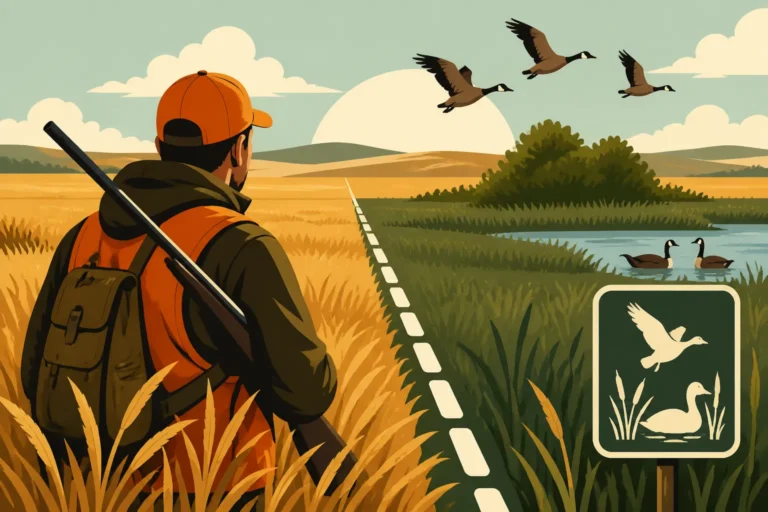
Water is obviously non-negotiable for waterfowl. But not all water is created equal. For ducks, a diverse mix of shallow potholes, larger sloughs, and marshy edges is ideal. They need secure places to rest and preen during the day, away from predators and excessive disturbance. For geese, larger, open bodies of water like big sloughs, river bends, or even small lakes provide safe roosting spots. They prefer open water where they can see danger coming from a long way off. A critical aspect is the size and depth of the water. Ducks often prefer shallower water where they can dabble for food, while geese need deeper spots for safety from predators overnight. Consider the connection between these water sources and feeding fields. A fantastic feeding field that's miles from any secure water won't hold birds as consistently as one that's a short flight from a safe roost. You might find a seemingly perfect field, but if there's no safe place for them to hang out afterward, they're simply passing through.
Cover and Security: A Bird's Comfort Zone
Birds, especially wary geese, are looking for security. This means open areas where they have good visibility, but also places where they can feel undisturbed. For feeding fields, this usually means fields that aren't right next to a busy highway or constantly buzzed by farm equipment. For roosting water, it means less human activity, less predatory pressure (coyotes, eagles), and sometimes, islands or dense vegetation around the perimeter to break up sightlines from the shore. The "best" ground isn't just about food and water; it's about the combination of resources that makes a bird feel safe enough to return day after day. This is particularly true for Canada geese and specklebellies, which can be incredibly sensitive to pressure. A field that’s been hammered hard by hunters might be abandoned, even if there's still plenty of food. That's why Hunting Saskatchewan Ground Others Drive Past can often yield unexpected success – birds sometimes gravitate to those less obvious, less pressured spots.
Strategies for Finding and Accessing Top Spots
Finding the best ground for waterfowl in Saskatchewan isn't just about knowing what to look for; it's also about effective scouting, building relationships, and utilizing modern tools. There’s a lot of land out here, and getting on the right piece is half the battle.
Diligent Scouting: Boots on the Ground and Eyes in the Sky
Hands down, the most crucial step in finding top waterfowl ground is diligent scouting. This means hitting the road, often driving grid roads, looking for active fields and wetlands. Pay attention to flight patterns in the mornings and evenings. Where are the birds coming from? Where are they going? What kind of crop is in those fields? A good pair of binoculars and a spotting scope are your best friends here. Don't just look for birds actively on the ground; watch for large groups of birds moving across the landscape. They'll tell you where their priorities are. If you see thousands of snow geese flying a consistent line every morning to a specific quarter section of land, that's your starting point. You can also use digital tools like onX Hunt to overlay satellite imagery with land ownership boundaries. This allows you to identify potential roosting sloughs and feeding fields from the comfort of your home, saving valuable driving time. Once you've identified potential hot spots, it's time to physically verify them and assess access. Scouting Fields for Saskatchewan Waterfowl requires patience, but it’s invaluable.
Building Landowner Relationships: The Golden Ticket
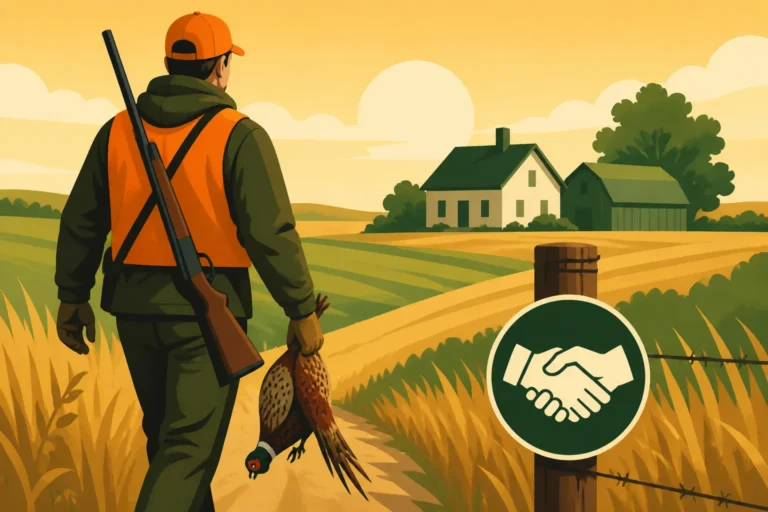
Saskatchewan has a lot of private land, and the vast majority of prime waterfowl hunting occurs on it. This means Getting Permission for a Goose Field is absolutely essential. Don't underestimate the power of a friendly conversation. Knock on doors, be respectful, and be prepared for "no." But also be prepared for a "yes," which can open up incredible opportunities. Offer to share some of your birds, or help out with a chore if the timing is right. Landowners are often more willing to grant access to hunters who are courteous, show respect for their property, and don't make a mess. Some hunters even send thank-you cards or a gift basket after the season. Building these relationships over years can lead to consistent access to fantastic hunting spots. Remember, landowners are dealing with their crops and livelihoods; be understanding and flexible with their schedules and rules.
Utilizing Mapping Technology and Public Land Resources
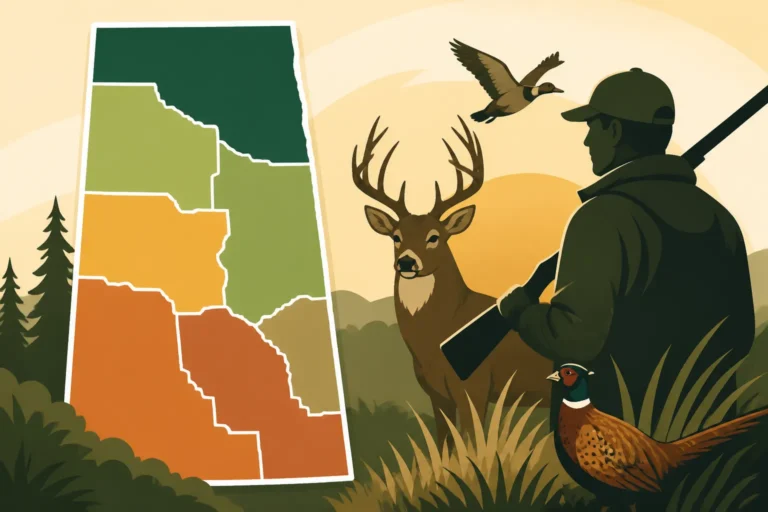
In addition to traditional scouting and landowner outreach, modern mapping applications like onX Hunt have revolutionized how hunters locate and gain access to land. With these tools, you can identify different types of land, including various forms of Crown Land and Fish and Wildlife Development Fund (FWDF) lands, which are open to public hunting. Overlaying satellite imagery with property lines, topography, and even crop types (though these maps are static and don't update with current year crops) can give you a massive advantage. You can see potential travel corridors for birds, identify unpressured corners of fields, or find isolated potholes that might be overlooked. While GoHunt is primarily known for big game draw odds and research in the American West, its mapping and scouting tools, or similar detailed mapping platforms, can still be valuable for general land analysis in Saskatchewan to identify habitat characteristics that draw birds. Just be aware that specific crop information won't be current on these satellite layers, so boots-on-the-ground confirmation is still vital. Even on public land, understanding the layout and how birds use it will make your hunt more successful. Reading a Saskatchewan WMZ Map Before You Go is a critical skill, regardless of where you plan to hunt.
Specific Types of Waterfowl Hunting Grounds
Saskatchewan offers a diverse array of habitats that attract different species of waterfowl. Understanding these distinct ground types will help you narrow down your search and tailor your hunting strategy for maximum success.
Stubble Fields: The Go-To for Geese
When most people think of Saskatchewan waterfowl hunting, they picture vast stubble fields covered in decoys, with Canada geese, snow geese, and specklebellies pouring in. And for good reason! Stubble fields are undeniably the backbone of goose hunting here. The best stubble fields are those that have recently been harvested, particularly those where a significant amount of grain has been spilled. Barley, wheat, pea, and lentil stubble are all prime feeding grounds. Snow geese, in particular, prefer the wide-open expanse of large stubble fields, often in groups of thousands. Look for fields that offer good visibility for the birds (away from tall trees or dense bush) and are relatively unpressured. Scouting these fields at dawn and dusk to observe bird activity is key. A field that was hot yesterday might be empty today if the birds have cleaned it out or if new pressure has moved in. This dynamic nature means you often need to scout daily for the best results. Field Hunting Geese in Saskatchewan Stubble is a skill honed through observation and adaptability.
Prairie Potholes and Sloughs: Duck Heaven
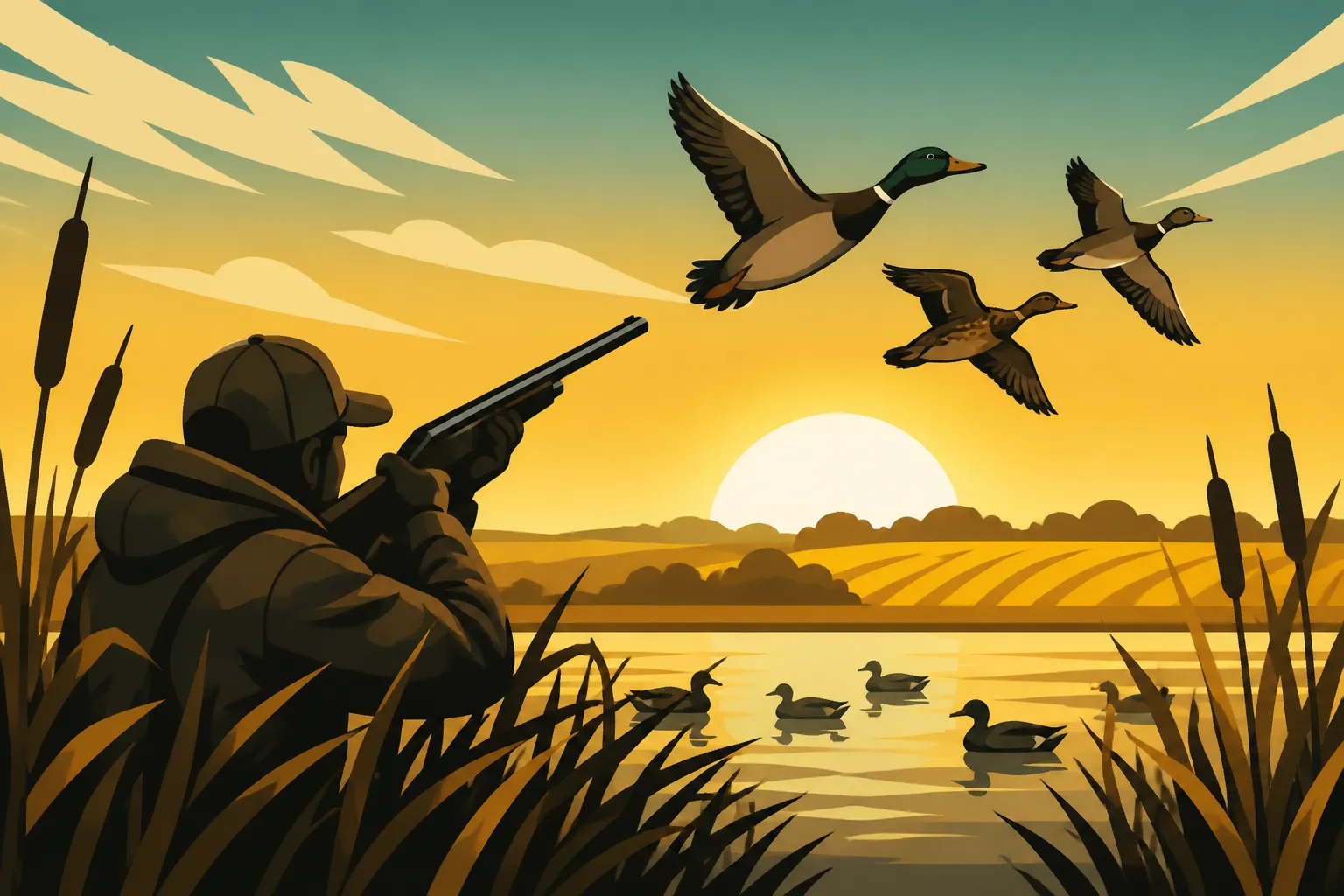
For duck hunters, the prairie pothole region is unmatched. These numerous small, shallow wetlands, or larger sloughs, serve as critical breeding, staging, and feeding habitats for a myriad of duck species. Mallards, pintails, green-winged teal, blue-winged teal, wigeon, and gadwall are all common visitors. The best potholes and sloughs are those surrounded by good cover (like cattails or rushes), offer a mix of open water and emergent vegetation, and are within easy flying distance of grain fields. Ducks will typically roost on these water bodies overnight, fly out to feed in nearby fields at dawn, and return to loaf and preen during the day. Pothole Hunting Prairie Ducks often involves setting up a small spread of decoys on the water's edge, using natural cover, or a portable blind. The best spots are often those less accessible by road, requiring a bit of a hike with your gear, or even access via a quad, but the reward of unpressured birds can be well worth the effort. Hunting a Saskatchewan Dugout at Dusk or Hunting a Slough Edge for Whitetails (which also often means good duck habitat) can be extremely productive.
River Systems and Large Lake Edges: Diverse Opportunities
While not as numerous as potholes or stubble fields, Saskatchewan's river systems and larger lake edges offer unique waterfowl opportunities. Major river valleys like the Saskatchewan River or the Qu'Appelle River provide consistent water sources and often have adjacent agricultural fields or dense bush that offer food and cover. These areas can be excellent for diving ducks like canvasbacks and redheads, as well as geese and dabblers. Large lakes, especially their shallow bays and marshy inlets, can be significant staging areas for thousands of birds, particularly later in the season. Hunting these areas might involve boat access, portable blinds, or carefully placed shore blinds. The key here is understanding bird patterns on these larger water bodies – where they roost, where they feed, and their flight lines. Often, these spots can be less pressured simply due to the logistics involved in hunting them. Keep in mind that for specific species, such as sandhill cranes, their migration patterns often take them through specific corridors, so identifying those routes along river valleys can be beneficial. Hunting Saskatchewan's Sandhill Crane Fields is another specific strategy that can apply to these areas.
Remote Boreal Forest Edges: Unpressured Backcountry Ducks and Geese
While not the typical image of Saskatchewan waterfowl hunting, the southern fringes of the boreal forest and the northern parkland regions offer unpressured opportunities, particularly for ducks. Here, you'll find a mix of small lakes, bogs, muskeg, and smaller agricultural pockets. Canada geese will sometimes utilize fields in these areas, but it's often the dabbling ducks that are most abundant. These areas require more effort to access, often involving bush roads, quads, or even small boats or canoes. The reward, however, can be incredibly unpressured birds that haven't seen a lot of hunting pressure. If you're looking for a more adventurous, solitary waterfowl experience, these transition zones between forest and farmland can be excellent. The birds here might not be in the vast numbers seen further south, but they are often more callable and less wary.
Seasonal Considerations for Choosing Hunting Ground
The "best" ground for waterfowl in Saskatchewan isn't static; it changes throughout the season as crops mature, birds migrate, and weather shifts. Adapting your scouting and hunting strategy to the time of year is crucial for consistent success.
Early Season (September): Local Birds and Smaller Potholes
In early September, as When Saskatchewan's Archery Season Opens for big game and the waterfowl season kicks off, many of the birds you encounter will be local nesters or early migrants. Smaller potholes and sloughs are often prime, as ducks are still utilizing abundant natural food sources and haven't yet concentrated into massive flocks. Look for fields of standing crops, especially peas or lentils, where birds are just starting to feed. This is a great time for jump-shooting smaller water bodies or setting up on secluded potholes that haven't seen much pressure. Birds are generally less wary at this time of year, making for excellent action. However, warmer weather also means quicker meat spoilage, so proper Meat Care in Saskatchewan's Cold Snaps isn't as much of a concern, but keeping birds cool is still important.
Mid-Season (October): Major Staging and Crop Harvesting
October is arguably the peak of Saskatchewan's waterfowl season. The major migrations are in full swing, and farmers are busy with the harvest. This means huge numbers of birds are staging, and endless stubble fields become available. This is the prime time for large goose spreads targeting Canada geese, snow geese, and specklebellies. Ducks will also be concentrating on larger sloughs and staging lakes as smaller potholes start to freeze up. Scouting becomes even more critical now, as birds will move from field to field as food sources are depleted or new fields are cut. Pay attention to weather fronts, as big pushes of birds often accompany new cold snaps. This is when the provincial landscape truly lives up to its "duck factory" reputation. Saskatchewan's Ducks and Geese are everywhere.
Late Season (November): Cold Fronts and Remaining Food
By November, the hunting gets tougher but can be incredibly rewarding for those willing to brave the cold. Most small water bodies will be frozen, pushing ducks onto larger, deeper water or river systems that remain open. Geese will be focusing on the few remaining unharvested fields or those with persistent food sources. Finding unpressured fields with standing corn or abundant spilled grain can be gold. The birds that remain are usually the toughest and most wary, requiring meticulous concealment and calling. However, cold weather can also concentrate birds into predictable patterns around the remaining open water and food, offering spectacular opportunities. Hunting the December Late Season Cold gives you an idea of what to expect if you push into the later part of the season, and it's definitely not for the faint of heart.
| Ground Type | Primary Species | Key Features | Pros | Cons |
|---|---|---|---|---|
| Stubble Fields | Geese (Canada, Snow, Specklebelly), Mallards | Recently harvested grain fields, open sightlines | High bird concentrations, predictable feeding patterns | Requires landowner permission, can be heavily pressured |
| Prairie Potholes | Dabbling Ducks (Mallard, Pintail, Teal, Wigeon) | Small to medium shallow wetlands, emergent vegetation | Excellent duck habitat, less competitive for ducks | Can freeze early, limited space for larger groups |
| Large Sloughs / Lakes | Geese, Diving Ducks, Dabbling Ducks | Larger open water bodies, marshy edges, islands | Secure roosting, diverse species, good late-season | Requires boat access, long retrieves, can be very large to scout |
| River Systems | Geese, Diving Ducks, Mallards | Consistent flowing water, adjacent fields | Reliable water source, can hold birds late | Access can be limited, strong currents |
| Boreal Forest Fringe | Mallards, Canvasbacks, Canada Geese | Mixed forest and agriculture, smaller lakes | Less pressured, unique experience | Lower bird numbers, tougher access |
Ultimately, the "best" Saskatchewan ground for waterfowl is the ground where the birds are, and that changes daily. It's a dynamic puzzle that requires observation, persistence, and respect for the land and those who own it. Take the time to scout, talk to landowners, and use your tools, and you'll find incredible success.
Disclaimer
This article is for general informational purposes only and does not constitute professional advice. Laws, prices and regulations vary by location and change over time. Consult a qualified professional for guidance on your specific situation.