Where Saskatchewan Posts Land Closures
There's nothing quite as frustrating as meticulously planning a Saskatchewan hunting trip, spending hours scouting maps and preparing gear, only to arrive at your chosen spot and find it closed off. Whether it's a sudden wildfire, an active logging operation, or an agricultural restriction you weren't aware of, encountering an unexpected land closure can derail your plans and leave you scrambling. This guide aims to pull back the curtain on where and why land closures occur in Saskatchewan, and more importantly, how you can stay informed so your next hunt isn't cut short by a surprise "No Entry" sign.
Understanding Why Land Might Be Closed to Hunting
Before we dive into where to find closure information, it's really helpful to understand the various reasons why a parcel of land might be temporarily or permanently off-limits to hunters. It's not always about preventing hunting directly, but often about safety, land management, or protecting specific resources. Knowing the "why" can often help you anticipate potential closures and plan around them.
Wildfires and Public Safety Zones
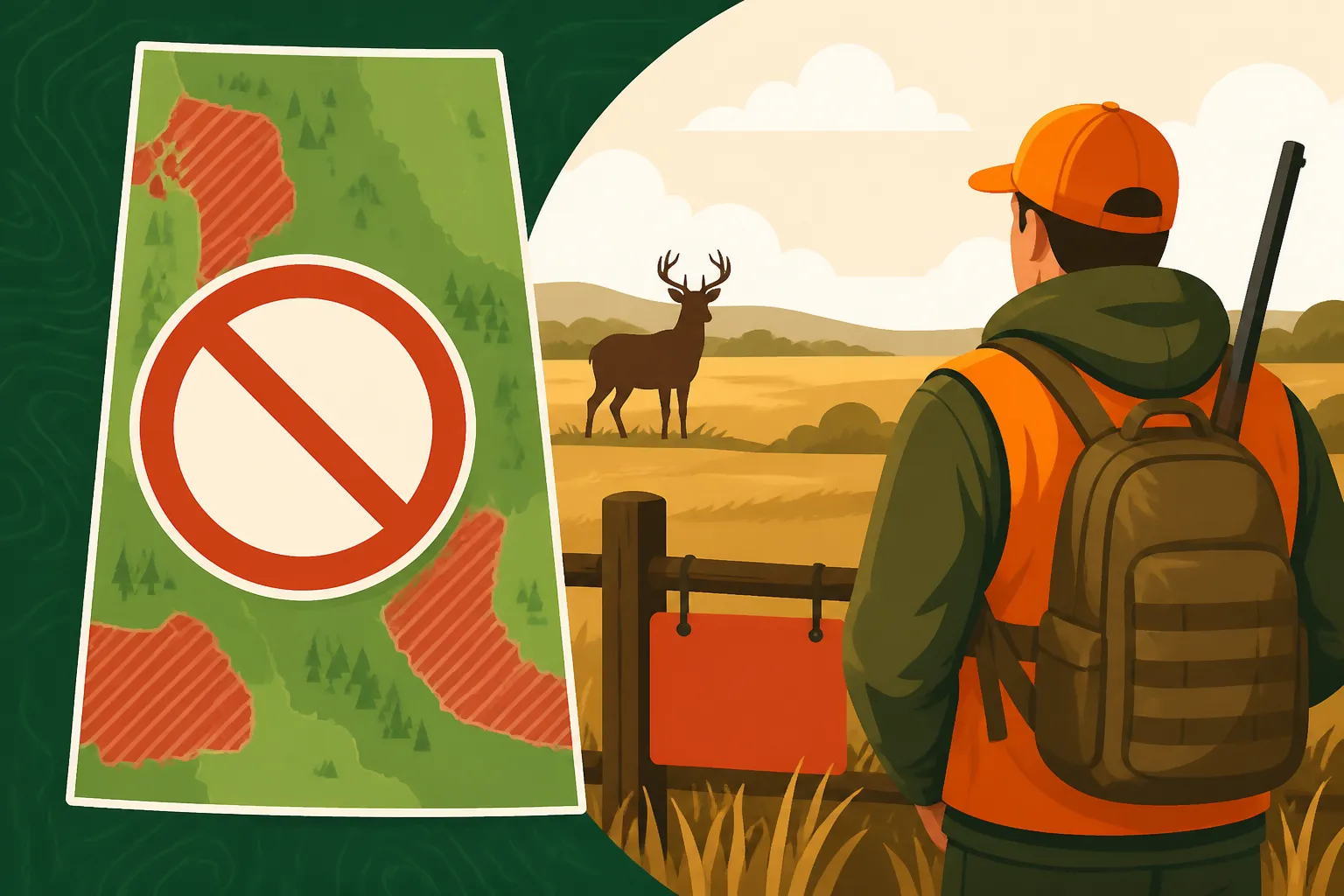
Saskatchewan, especially in its forested northern reaches, experiences wildfires every year. These aren't just a threat to homes and timber; they pose serious risks to anyone in the area, including hunters. When an active fire is burning, or even after it's contained but the area is still a danger zone due to falling trees, unstable ground, or emergency vehicle traffic, areas are often closed to public access. These closures are absolutely critical for public safety and to allow fire crews to work unimpeded.
The smoke from wildfires can also create hazardous air quality and reduce visibility, making hunting not only unpleasant but outright dangerous. You might think you're far enough away, but a shift in wind can quickly bring smoke and embers right to your location. These closures aren't just for the immediate fire line; they often extend to a surrounding "public safety zone" which can be quite large, encompassing roads, trails, and entire sections of forest that might otherwise be prime hunting grounds. It's especially common in the Boreal North and parts of the Forest Fringe during dry spells or late summer and early fall.
Agricultural Operations and Crop Damage Concerns
Saskatchewan is a massive agricultural province, and a huge amount of prime hunting land is privately owned farmland. While landowners often permit hunting, active farming operations can lead to temporary or seasonal closures. Imagine trying to hunt a field while a farmer is out there on a combine during harvest season; it's simply not safe or respectful. Landowners are often busy with their livelihoods, and hunters need to be mindful of that.
Furthermore, hunters need to be acutely aware of potential crop damage. If a field has standing crops, even if it's legally huntable (with permission), you could unintentionally cause damage by driving through it, or even just trampling through certain areas. This isn't just about ripe canola or wheat; even swathed fields or bale stacks can be delicate. Landowners may post "No Hunting" signs or verbally deny access during specific times to protect their investment. Building good Landowner Relations for Hunters is key here, and sometimes that means respecting a temporary closure during a critical farm operation.
Environmental Sensitivity and Wildlife Management
Sometimes, specific areas are closed to hunting (or even general public access) to protect sensitive ecosystems or during critical periods for certain wildlife species. These are usually not temporary, but rather long-term designations that might only be lifted or changed under specific conditions. Think about waterfowl nesting areas that might be closed during spring and early summer, or critical wintering grounds for deer, elk, or moose that need to remain undisturbed during harsh conditions.
These closures are often established by provincial or federal wildlife agencies to ensure the health and sustainability of wildlife populations. For example, certain areas might be designated as sanctuaries or wildlife refuges, prohibiting hunting entirely. Other areas might have specific seasonal restrictions to protect breeding grounds or migration corridors. If you're planning to hunt near lakes, rivers, or specific unique habitats, always double-check for these types of environmental or wildlife-specific closures. It's all part of ensuring Saskatchewan's Moose Population Trend and other species remain healthy for future generations.
Special Events, Industrial Activity, or Other Human Use
Beyond fires and farming, a wide array of other activities can lead to land closures. Rural Saskatchewan is active with logging operations, mining exploration, oil and gas development, and even large-scale recreational events like rural festivals or ATV rallies. These activities often involve heavy machinery, increased vehicle traffic, and personnel working in the field, making hunting unsafe or impractical.
These types of closures can be highly localized and temporary, often posted right at the site by the company or event organizers. For instance, a forestry company might close a section of a logging road while active harvesting is underway, reopening it once the operation moves on. Or a local municipality might restrict access to a certain area during a community event. It's important to understand that public land (Crown land) isn't always "open access." There can be operational reasons for temporary closures that are perfectly valid.
Official Sources for Saskatchewan Land Closure Information
Knowing why areas close is a great start, but the real challenge for hunters is knowing where to find out about these closures in a timely manner. Thankfully, there are several official and highly reliable sources you can and should consult before heading out.
Government Websites and Publications
The most authoritative source for land closure information will always be the provincial government. The Saskatchewan Ministry of Environment is your primary point of contact for hunting regulations and land access. They produce an annual hunting guide which, while not providing real-time updates, outlines general rules and designated areas with specific hunting restrictions. For dynamic, real-time closures, however, you'll need to dig a bit deeper.
The Saskatchewan Public Safety Agency (SPSA) website is critical for wildfire-related closures. They maintain an interactive map and issue news releases about fire bans and public access restrictions, particularly in the provincial forest areas. This is your go-to source for Reading Saskatchewan Wildfire Closure Maps. Similarly, other government departments might issue advisories for specific industrial activities on Crown land. Always make it a habit to check the relevant provincial government websites for any general alerts or notices before your hunt.
| Closure Type | Primary Information Source (Saskatchewan) | What to Look For | How Often to Check |
|---|---|---|---|
| Wildfires & Public Safety Zones | Saskatchewan Public Safety Agency (SPSA) website | Fire ban maps, public access restrictions, news releases | Daily during fire season, especially before entering bush |
| Agricultural Operations | Direct landowner contact, local signage | "No Hunting" signs, verbal instructions, current field activity | Prior to each hunt on private land |
| Environmental & Wildlife Zones | Ministry of Environment hunting guide, regulations | Designated wildlife refuges, seasonal restrictions by WMZ | Annually (guide), pre-season (regulations) |
| Industrial/Special Events | Local signage, company websites, RM offices | Road closures, site access restrictions, event notices | Pre-season research, on-the-ground checks |
| General Crown Land Restrictions | Ministry of Environment website, local contact | Specific WMZ closures, area advisories | Pre-season, and periodically leading up to the hunt |
Local Agencies and Community Information
While provincial websites provide broad strokes, local agencies often have the most up-to-the-minute details for specific areas. Your local Rural Municipality (RM) office, for example, might be aware of localized road closures or specific agricultural concerns. Local fire departments or conservation officers in the area you plan to hunt can also be invaluable resources. They live and work in these communities and are often the first to know about issues on the ground.
Don't underestimate the power of local knowledge. When you're in the community, stop at the general store, the co-op gas station, or the local restaurant. Many times, community bulletin boards will have notices, or locals can give you a heads-up about a current logging operation, a new pipeline being installed, or a field that the farmer is particularly sensitive about this year. This "boots on the ground" intel complements the official online sources perfectly, especially when Knocking on Doors in Saskatchewan Farm Country for permission.
Mapping Apps and Digital Resources
In this digital age, mapping applications have become indispensable tools for hunters, and some of them integrate closure information. Platforms like onX Hunt and GoHunt are widely used by hunters to overlay property lines, public land boundaries, and topographical features. While they aren't always real-time wildfire tracking systems, they often include layers for different types of public land, including Wildlife Management Zones (WMZs), and can sometimes show designated restricted areas or refuges.
Using apps like onX Hunt allows you to see the exact boundaries of Saskatchewan's Wildlife Management Zones and identify Crown land, FWDF (Fish and Wildlife Development Fund) lands, or other areas where specific rules might apply. This proactive digital scouting allows you to identify potential areas of concern before you even leave home. It's always a good idea to check for updates or specific alerts within these apps, as some do push notifications or have features that highlight closures if that data is available to them. Remember, these are powerful tools, but they should always be used in conjunction with official government sources for the most critical and up-to-date closure information.
Practical Steps for Hunters to Avoid Closed Areas
Nobody wants to waste precious hunting time driving to a spot only to find it blocked off. With a bit of proactive planning and a systematic approach, you can drastically reduce the chances of encountering an unexpected land closure. It's all about preparation and using all the resources at your disposal.
Pre-Season Planning and Research
The groundwork for avoiding closures starts long before the season opener. As soon as you begin planning your hunt, integrate closure checks into your routine. Start with the official government sources mentioned above. Check the Ministry of Environment website for any specific WMZ advisories or regulatory changes that might affect your chosen area. For those hunting in the forest, regularly monitor the Saskatchewan Public Safety Agency's website for fire bans, active fire maps, and associated access restrictions. Even if it's early fall and recent rain has fallen, fires can flare up quickly, and restrictions can be imposed with little notice, so ongoing vigilance is key.
Next, familiarize yourself with your chosen Saskatchewan's Wildlife Management Zones using an up-to-date map. Many WMZs have unique rules or designated areas that have permanent or seasonal restrictions. Don't just look at the boundaries; read the fine print in the hunting guide that pertains to specific zones or land classifications. Tools like onX Hunt are fantastic for this, allowing you to visually assess areas that might be close to residential zones, industrial sites, or known sensitive habitats. This deep dive into Reading a Saskatchewan WMZ Map Before You Go can save you a lot of grief.
On-the-Ground Reconnaissance and Local Inquiry
While digital tools are incredibly helpful, nothing beats getting boots on the ground, if possible, before your actual hunt. Driving the roads and trails in your intended hunting area a week or two beforehand can reveal a lot. Look for physical signs of activity: new logging roads, freshly posted "No Entry" or "Private Property" signs, or even visible industrial equipment. If you notice a new access road or a change in terrain, it's worth investigating further with local contacts.
Engaging with locals is a time-honored tradition and often yields the best, most current information. Stop at rural gas stations, local restaurants, or hardware stores. Farmers and other residents often know exactly what's happening in their area – which land is being logged, which fields have specific harvesting schedules, or if a local event is planned that might affect access. This direct interaction not only helps you avoid closures but also builds goodwill and can open doors to new hunting opportunities, reinforcing the value of Getting Private Land Permission in Saskatchewan.
Interpreting Posted Signs and Boundaries
When you're out in the field, it's crucial to correctly interpret any posted signs you encounter. Not all signs mean "no hunting," but all signs related to access and use should be respected. A "Road Closed" sign, for instance, might be due to a washout, a logging operation, or simply a seasonal closure to prevent damage during wet conditions. What Saskatchewan's Posted Signs Must Say is often legally defined, but sometimes you'll encounter less formal signage. When in doubt, err on the side of caution and assume access is restricted.
Beyond formal "No Hunting" signs on private land, be mindful of signs indicating industrial activity, active construction, or restricted access areas that are explicitly for public safety. A basic "Danger: Logging Operations" sign, even if not explicitly forbidding hunting, implies an unsafe area to be in. Always respect barricades, locked gates, and temporary closures that are clearly marked. Remember that even on Crown land, temporary closures for resource management or safety are fully enforceable. This attention to detail can help you avoid unintentional trespass or dangerous situations.
What to Do if You Encounter a Closure
Despite all your best efforts in planning and research, there might come a time when you arrive at your planned hunting destination and find it unexpectedly closed. It happens. The key is how you react to it.
Respecting Boundaries and Choosing Alternatives
First and foremost, always respect the closure. Ignoring posted signs, locked gates, or verbal warnings from land managers, landowners, or emergency personnel is not only illegal but also incredibly irresponsible. It can lead to fines, loss of hunting privileges, and critically, can damage the reputation of all hunters. Trespassing penalties in Saskatchewan can be significant, so understanding Saskatchewan Trespass Law for Hunters is essential.
Instead of trying to sneak in, pivot. This is where having a backup plan truly shines. That second or third scouted location, perhaps in a different Hunting a Saskatchewan Quarter Section or a completely different WMZ, becomes your saving grace. Take the opportunity to explore that alternative. Sometimes, a "closed" sign on one road might mean a specific area is off-limits, but there might be other access points or adjacent areas that remain open. Just ensure you verify these new access points are indeed valid.
Reporting Unmarked or Ambiguous Closures
If you encounter a situation where an area seems to be closed but there are no clear signs, or if the signs are ambiguous, it's a good idea to report it to the proper authorities. This could be a local conservation officer, the Ministry of Environment, or even the local RM office. Providing details about the location and the nature of the closure helps them ensure proper signage is in place, or clarifies if the closure is legitimate and enforceable.
For instance, if you see a locked gate on a seemingly public road with no explanation, a quick call to the local conservation office can clarify if it's a temporary industrial closure, an agricultural access point, or potentially an unauthorized blockage. By reporting these instances, you're not just helping yourself, but also helping to maintain clarity and legitimate access for all hunters in the long run.
Disclaimer
This article is for general informational purposes only and does not constitute professional advice. Laws, prices and regulations vary by location and change over time. Consult a qualified professional for guidance on your specific situation.