Hunting a Shelterbelt Row in Open Prairie
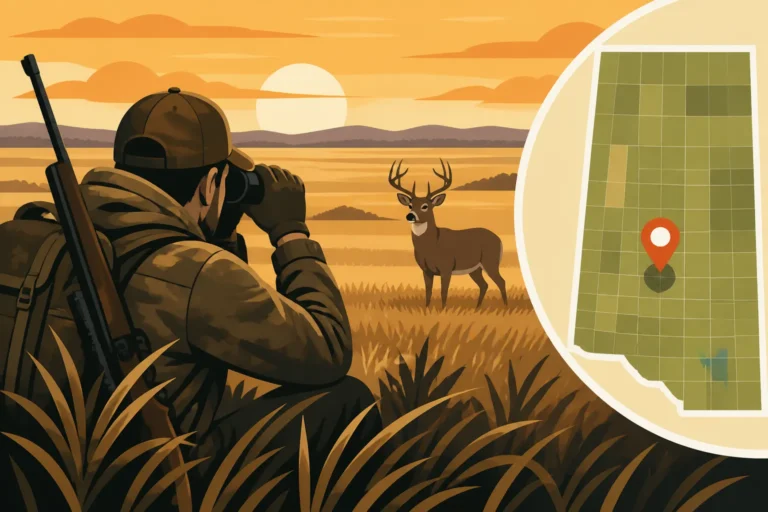
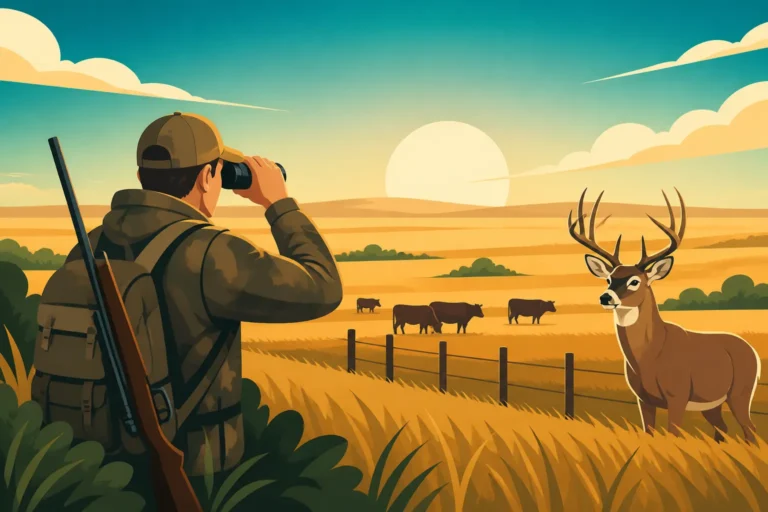
Hunting in Saskatchewan's vast open prairie can feel daunting, with endless fields stretching to the horizon, making it tough to pinpoint where game animals might find refuge. However, experienced hunters know that pockets of cover, like the often-overlooked shelterbelt rows, can be absolute magnets for whitetails, upland birds, and other critters seeking escape from the elements and predation. This guide will walk you through how to identify, scout, and effectively hunt these crucial havens.
Understanding Shelterbelts as Prime Hunting Habitat
Shelterbelts, often called tree rows or field belts, are more than just a line of trees; they are ecological havens in a sea of agriculture. They offer critical resources for wildlife, especially when you're Hunting Whitetails on Saskatchewan Farmland. Understanding their structure and purpose is key to unlocking their hunting potential.
The Purpose and Structure of a Shelterbelt
Farmers and landowners originally planted shelterbelts for very practical reasons. They act as windbreaks, protecting crops and farmsteads from harsh prairie winds and preventing soil erosion. They also do an incredible job of trapping snow, creating natural moisture reservoirs for the fields. Most shelterbelts consist of a mix of hardy species like caragana, Siberian elm, green ash, and various conifers such as spruce or pine. Some might even have native shrubs like saskatoons or buffaloberry. This diverse planting creates a multi-layered environment: dense undergrowth for bedding, taller trees for thermal cover, and often a wealth of berries and seeds for food. The sheer density of some older belts makes them almost impenetrable to strong winds and deep snow, offering sanctuary when the rest of the landscape is barren and exposed.
Imagine a frigid November day on the open prairie. The wind howls, carrying snow horizontally across stubble fields. Where would a deer go? Not into the open. It would seek the thickest, most sheltered spot available. A well-established shelterbelt provides exactly that—a calm, relatively warm microclimate where animals can conserve energy and remain hidden. This makes them indispensable travel corridors, bedding areas, and feeding grounds. They're often situated strategically, sometimes bordering a field of standing corn or a pea field, providing both cover and an immediate food source, enhancing their attractiveness to game.
Why Deer and Upland Birds Love Shelterbelts
For whitetail deer, shelterbelts are literal lifelines. They offer dense thermal cover during bitter winter months and crucial shade during hot early season days. Bucks, especially, will use the thick interior of a shelterbelt to bed down and escape pressure. The edges often feature browse material, and the adjacent fields are prime feeding grounds. You'll find deer using these linear strips of cover to travel unseen from bedding areas to food sources, creating well-worn trails that are easy to spot once you know what to look for. These trails become natural funnels, concentrating deer movement in predictable ways. In areas where larger bush blocks are scarce, shelterbelts become the primary cover, making them exceptionally valuable.
Upland birds like Hungarian partridge and sharp-tailed grouse also flock to shelterbelts. Huns, in particular, adore the dense low cover for roosting and escaping predators, and the insects and weed seeds found along the belt's edges provide a consistent food source. Sharptails might use the outer edges for dusting or seeking refuge from hawks. Even pheasants, if present in the area, will thrive in these protective corridors. The shelterbelt provides an ideal blend of cover, food, and protection, making it a critical habitat component for these species throughout the year. For a hunter with a good bird dog, systematically working a long shelterbelt can often yield exciting flushes.
Scouting and Locating Productive Shelterbelts
Finding the right shelterbelt isn't just about spotting a line of trees; it's about understanding its context within the broader landscape. Effective scouting, both from your computer and on the ground, will drastically increase your odds of success.
Using Digital Tools for E-Scouting
In today's hunting world, digital mapping tools are your best friend, especially when Scouting With Satellite Imagery in Saskatchewan. Platforms like onX Hunt and GoHunt are indispensable for identifying prime shelterbelt locations long before you ever set foot in the field. You can zoom in and identify the density and length of various shelterbelts, looking for those that connect larger blocks of cover, border productive crop fields, or run along natural travel corridors like creek beds or sloughs. Look for intersections of shelterbelts, or points where a belt widens into a thicker patch, as these often create pinch points or enhanced bedding areas. You can also mark potential access points, parking spots, and plan your approach routes to ensure you're hunting smart, not just hard. These tools allow you to analyze topography, identify natural funnels, and even pinpoint potential blind locations, all from the comfort of your home. It’s a powerful way to maximize your time in the field by narrowing down your focus to the most promising areas.
Beyond simply locating the belts, digital maps can help you determine land ownership, which is crucial for gaining permission. Many apps show property lines and landowner names, making the process of Knocking on Doors in Saskatchewan Farm Country much more efficient and respectful. You can arrive at a farmer's yard with a clear understanding of their land and precisely what area you're interested in hunting, which shows respect and preparation. This proactive approach can make all the difference when seeking that coveted permission.
Ground Scouting for Fresh Sign
While e-scouting gets you in the ballpark, nothing beats boots on the ground for confirming what the satellite imagery suggests. Once you've identified a promising shelterbelt, it's time to walk its length and look for fresh sign. Start by checking the entrances and exits of the belt, where deer are most likely to enter and leave from adjacent fields. Look for well-worn trails, fresh tracks, and droppings. Pay close attention to any intersections with other cover, like a Hunting a Slough Edge for Whitetails or a small bluff, as these are often major travel hubs.
As you move into the belt, keep an eye out for rubs on trees (especially on the interior edges or thicker sections) and scrapes along the edges, indicating active buck movement. Heavy bedding areas will often show matted down grass or leaves, sometimes with discarded antler sheds from previous seasons if you're lucky enough to be scouting in late winter or early spring. If you're focusing on upland birds, look for dusting bowls, feather piles, and dense patches of grass or brush where they might roost. The freshest sign will tell you if and when animals are currently using the shelterbelt, helping you time your hunt for maximum success. Remember to use the wind to your advantage while scouting, just as you would while hunting, to avoid contaminating the area with your scent.
Effective Hunting Strategies for Shelterbelts
Hunting a shelterbelt can be done in several ways, depending on the species you're targeting and the resources at your disposal. Whether you're a solo archer or part of a group with bird dogs, there's a strategy to make these linear cover strips work for you.
Stand Placement for Whitetails
For whitetail deer, stand hunting a shelterbelt is often the most productive method, particularly during the rut or late season. The key is to position your stand or ground blind where you can intercept deer moving along or through the belt, always considering the prevailing wind direction. Deer will almost always try to use the wind to their advantage, circling downwind of potential threats. Look for pinch points—narrower sections of the belt, or spots where the belt curves or meets another feature, forcing deer into a smaller area. Placing a stand overlooking a well-used trail that connects the shelterbelt to a feeding field, or a trail that runs parallel to the belt, can be deadly.
Think about the time of day. Morning hunts might focus on deer returning from feeding in fields to bed in the belt, while evening hunts might target deer emerging from the belt to feed. Consider setting up a thermal blind during Hunting the December Late Season Cold to stay warm and alert for those longer sits. Be mindful of potential escape routes for deer; they will invariably try to use the densest cover to slip away if they feel pressured. A well-placed trail camera during scouting can confirm active trails and help you fine-tune your exact setup, telling you whether a specific buck is using that particular Hunting a Shelterbelt Row in Open Prairie.
Driving or Pushing Shelterbelts for Upland Birds
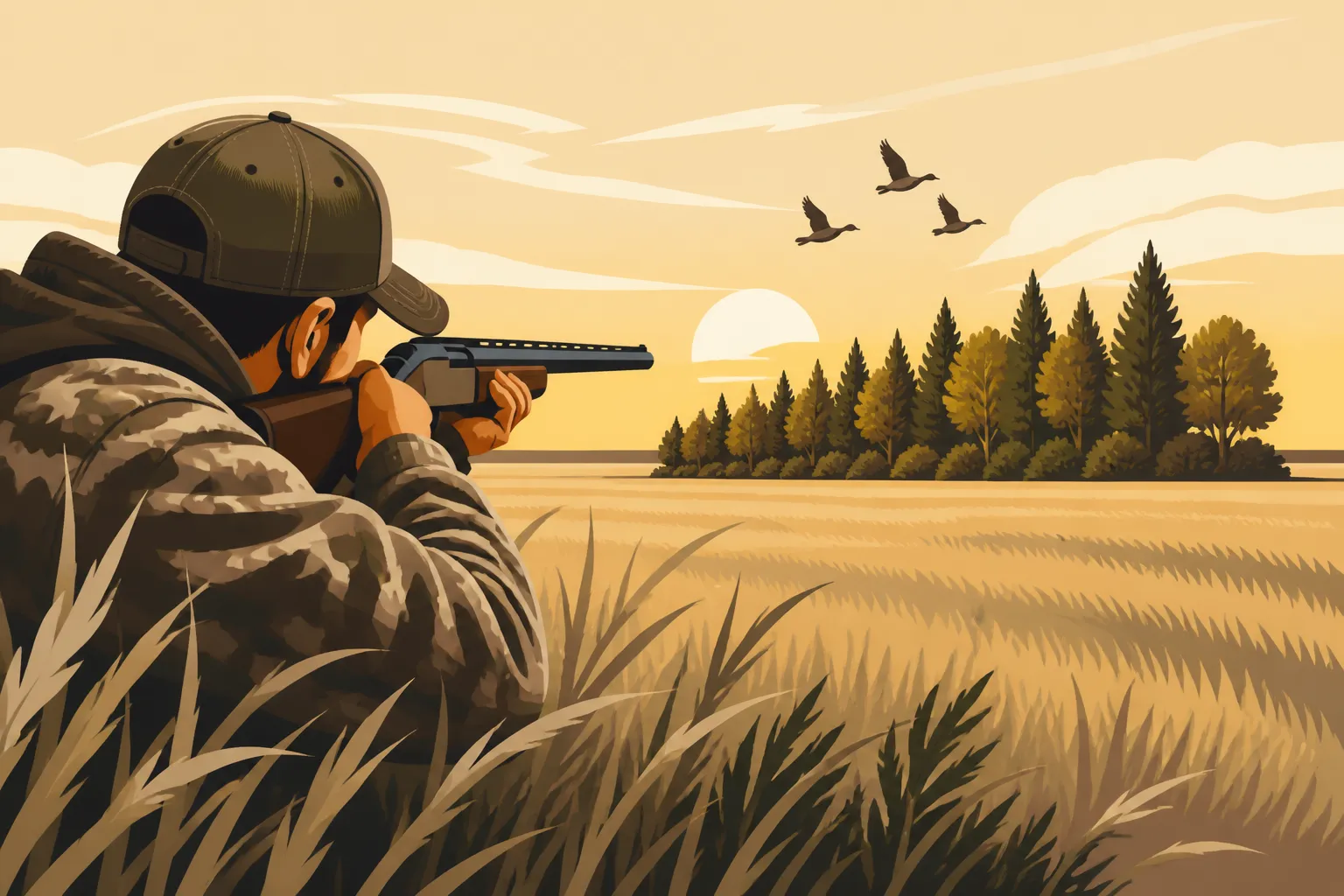
If upland birds are your quarry, especially Hungarian partridge or sharp-tailed grouse, a coordinated drive or "push" can be highly effective. This typically involves one or more blockers positioned at one end of the shelterbelt, while one or more walkers, often with trained bird dogs, systematically move through the belt towards the blockers. The idea is to flush birds out of the dense cover towards the waiting guns. This method requires clear communication, strict safety protocols, and a solid understanding of where everyone is at all times.
Walkers should move slowly and methodically, ensuring they cover the entire width of the belt. Dogs are invaluable here, as they can scent birds that might be holding tight in the thickest brush. Blockers should position themselves quietly and strategically at the end, anticipating where the birds will try to escape. Remember to check local regulations for group hunting and safety requirements, especially concerning blaze orange. This can be a fantastic way to harvest Hunting Hungarian Partridge on Saskatchewan Farms and enjoy a social hunt with friends.
Still-Hunting the Length of the Belt
For the solo hunter, or those who prefer a more active approach, still-hunting a shelterbelt can also yield results for both deer and birds. This involves moving incredibly slowly and deliberately along the length of the belt, pausing frequently to observe, listen, and scan for movement. The key is to make each step count, placing your feet quietly and taking full advantage of the cover the belt provides. Use the wind to your advantage, moving into it or with a crosswind, always being mindful of your scent.
When still-hunting for deer, focus on the interior edges and thicker pockets where deer might be bedded. For birds, be ready for sudden flushes as you move through dense cover. This method requires patience and a keen eye, as animals will often try to sneak away before you even see them. It's an intimate way to hunt, allowing you to immerse yourself in the environment and truly learn the nuances of the shelterbelt as a habitat. Walking along a Hunting a Fence Line Between Quarters that borders a shelterbelt can offer a clear vantage point while maintaining an element of stealth.
Navigating Access and Respecting Landowners
Hunting shelterbelts often means hunting on private land, which brings with it specific responsibilities and the absolute necessity of obtaining permission. Respectful interaction with landowners is paramount to maintaining hunting opportunities in Saskatchewan.
The Importance of Landowner Permission
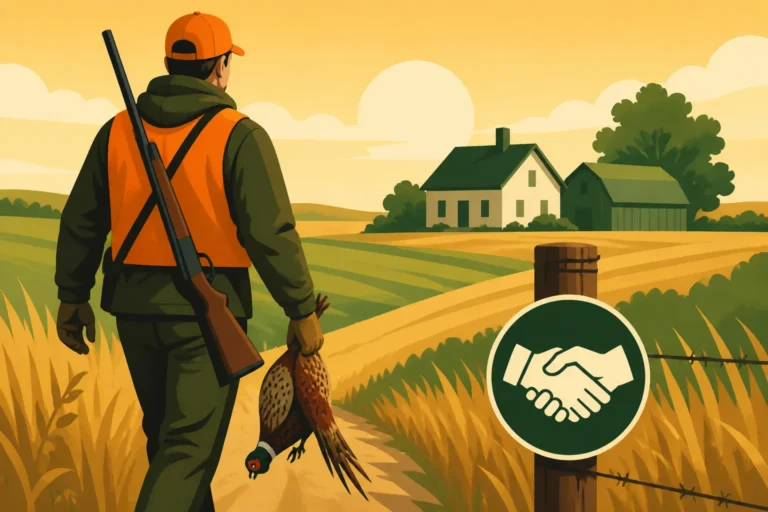
In Saskatchewan, nearly all agricultural land, including the fields and shelterbelts, is privately owned. This means that you must obtain permission from the landowner before you step foot on their property to hunt. This isn't just a courtesy; it's a legal requirement. Showing up unannounced with a rifle in hand is a recipe for a negative encounter and can quickly close doors for other hunters in the future. Always approach landowners respectfully, ideally in person and well in advance of the season, to ask for permission. Be clear about what you intend to hunt, when you plan to be there, and how many people will be in your party. Offer to share some of your harvest, or perhaps help with a chore around the farm.
A good relationship with a landowner is invaluable. They often know their land best—where the deer cross, where the partridge roost, or where a particular buck has been seen. They can also inform you of any livestock concerns, ongoing farm operations, or other hunters they've granted permission to. Always leave gates as you found them, pick up any litter, and thank them profusely, whether you harvest game or not. Cultivating these relationships is key to long-term hunting success and helps ensure future access for everyone. Remember, many shelterbelts run along a Hunting a Community Pasture Edge, and permission for those can be a bit more complex, often requiring contacting the pasture manager.
Understanding Posted Land and Boundaries
Saskatchewan has clear rules regarding posted land. If land is posted with specific signs indicating "No Hunting" or "No Trespassing," you cannot hunt there, even if you believe it to be Crown land or if you haven't explicitly been denied permission by a landowner. These signs must meet certain criteria in terms of size and wording, as outlined in What Saskatchewan's Posted Signs Must Say. Always be on the lookout for these signs, especially when hunting close to rural properties or within smaller Hunting a Saskatchewan Quarter Section.
Even if land isn't explicitly posted, it's still your responsibility to know who owns it and secure permission. Digital mapping tools like onX Hunt are incredibly useful for identifying property lines and showing which areas are Crown land versus private. When in doubt, err on the side of caution and either seek permission or find a different spot. Misunderstanding boundaries or assuming access can lead to fines, confiscation of equipment, and irreparable damage to the hunter's reputation in the community. Always carry a current Reading a Saskatchewan WMZ Map Before You Go and consult it frequently, especially when exploring new areas or areas with mixed ownership.
| Strategy | Target Species | Ideal Conditions | Pros | Cons |
|---|---|---|---|---|
| Stand Hunting | Whitetail Deer | Rut, late season, consistent wind | High chance of intercepting travel, less effort | Requires scouting, may be cold, limited visibility |
| Still-Hunting | Whitetail Deer, Upland Birds | Early season, quiet conditions, light wind | Active, intimate hunting experience, versatile | Requires extreme patience, easy to spook game |
| Push/Drive | Upland Birds, (sometimes deer) | Multiple hunters, trained dogs | Can flush holding birds, efficient for cover | Requires coordination, safety concerns, less stealthy |
This article is for general informational purposes only and does not constitute professional advice. Laws, prices and regulations vary by location and change over time. Consult a qualified professional for guidance on your specific situation.