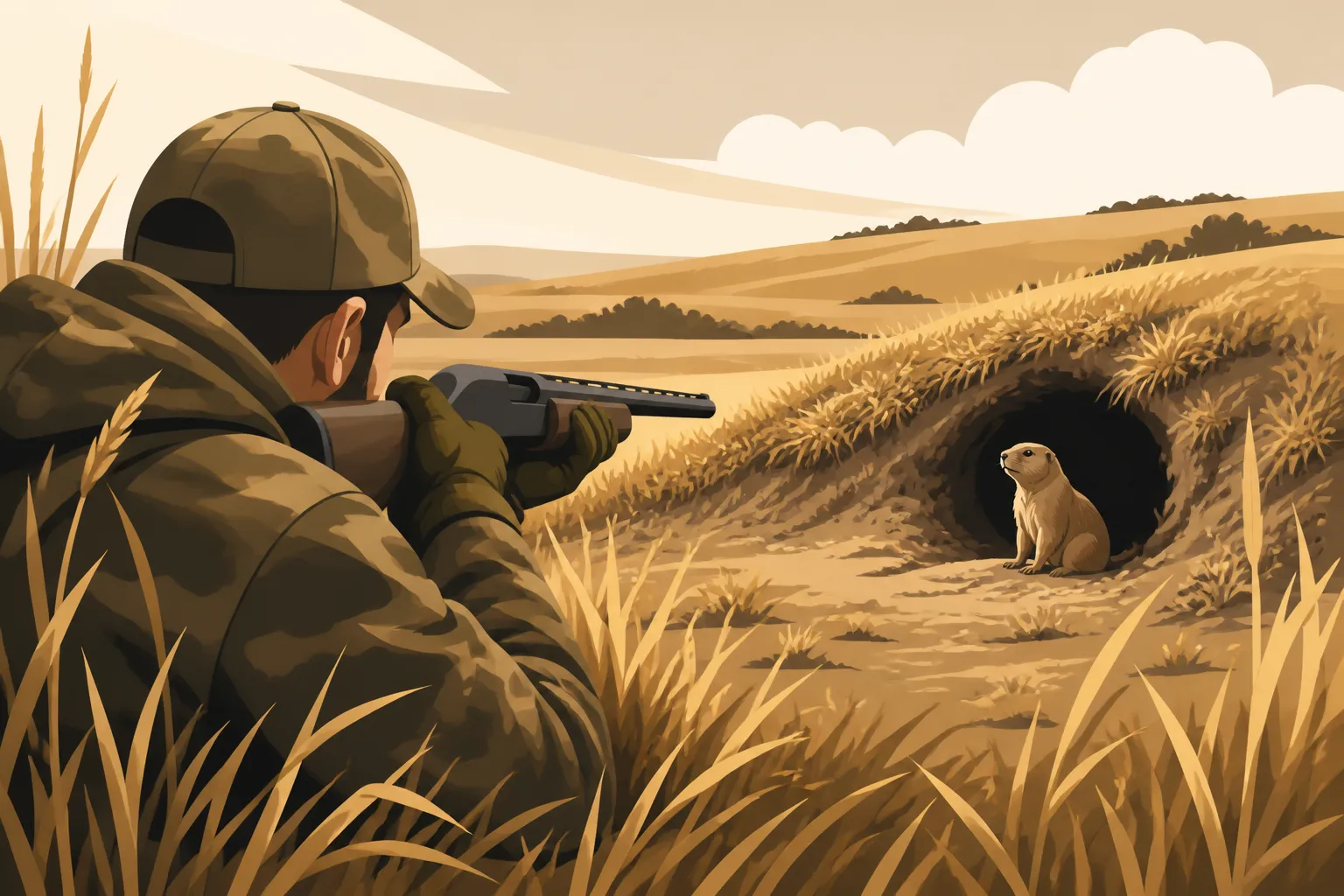
Hunting a Dugout in Dry Country
Hunting in Saskatchewan during a dry spell can feel like an exercise in futility. All those familiar creeks and potholes you relied on suddenly vanish, leaving you wondering where on earth the game animals have gone. It's a common frustration, facing vast, parched landscapes and knowing that water, that most basic necessity, has become a rare commodity. This guide is all about honing in on those vital water points that remain – the humble dugout – and teaching you how to turn these often-overlooked features into your most productive hunting spots in dry conditions.
Understanding Dugouts as Lifelines in Dry Saskatchewan
When Saskatchewan's landscape parches under a persistent lack of rain, something remarkable happens. The usual spread-out patterns of wildlife seeking water begin to collapse inward, concentrating around the few remaining sources. And more often than not, those sources are dugouts. These man-made depressions, dug out years ago to provide water for livestock or even for past farm operations, become absolutely critical watering holes for every animal from whitetails and mule deer to coyotes and even stray flocks of ducks seeking a reprieve.
Why Dugouts Become Prime Locations
In normal, wetter conditions, game animals have their pick of puddles, sloughs, and low-lying areas. They might hit a different spot every day, making them unpredictable. But when the ground dries up, the natural springs slow to a trickle, and those ephemeral potholes disappear, dugouts stand out like beacons. They're often deeper, designed to hold water through dry periods, and frequently replenished by whatever minimal runoff occurs. This means that deer, moose, elk, and even smaller game animals will travel considerable distances to get a drink. You might not see it, but a good dugout acts like a magnetic pull across the surrounding dry fields and sparse bush.
Consider the sheer concentration effect. Instead of animals being able to find water every quarter section, they might have to funnel into one or two reliable dugouts across several sections. This makes these spots incredibly high-traffic areas, transforming them from just another dip in the land to absolute hotspots for wildlife. This concentration also means that game might visit these spots at less predictable times of the day, driven by thirst rather than just the typical dawn and dusk feeding patterns. For a hunter, this shift in behavior is a massive advantage, offering opportunities that simply don't exist in wetter years.
Reading the Landscape Around a Dugout
A dugout in dry country isn't just a pond; it's a hub of activity, and the landscape around it tells a story if you know how to read it. The first thing you'll want to look for are game trails. These aren't always super obvious highways; sometimes they're subtle depressions in the grass or worn-down pathways leading in from various directions. In dry soil, tracks become much more visible, especially after a morning dew or a light rain, so look for fresh hoof prints – often layered over old ones – indicating regular traffic. You'll likely see tracks from multiple species, all converging on the water.
Beyond tracks, keep an eye out for droppings. Fresh scat tells you not only that an animal has been there recently but also offers clues about their diet and health. Rubs and scrapes on nearby trees or bushes, especially if they’re close to the water, indicate that bucks are frequenting the area, perhaps even marking their territory while waiting for a drink. You also need to think about the wind direction and potential escape routes for animals. Game, particularly deer, will typically approach a water source with the wind in their favour, or at least cross-wind, allowing them to scent any potential danger. They’ll also have an exit strategy, often a thick treeline, a low depression, or a distant bush bluff they can melt into. Understanding these subtle cues helps you predict their movement and plan your approach.
Scouting and Setting Up for Success at a Dry-Country Dugout
Successfully hunting a dugout in dry country isn't about luck; it's about meticulous preparation. You've got to put in the time before the hunt to understand the particular dugout you're focusing on, its surroundings, and the patterns of the animals using it. This involves a combination of modern technology and good old-fashioned boots-on-the-ground effort.
Pre-Season Scouting with Technology and Boots on the Ground
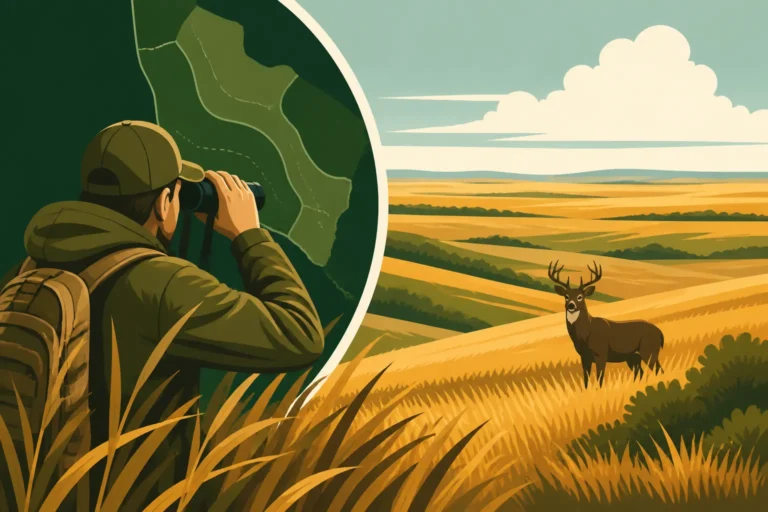
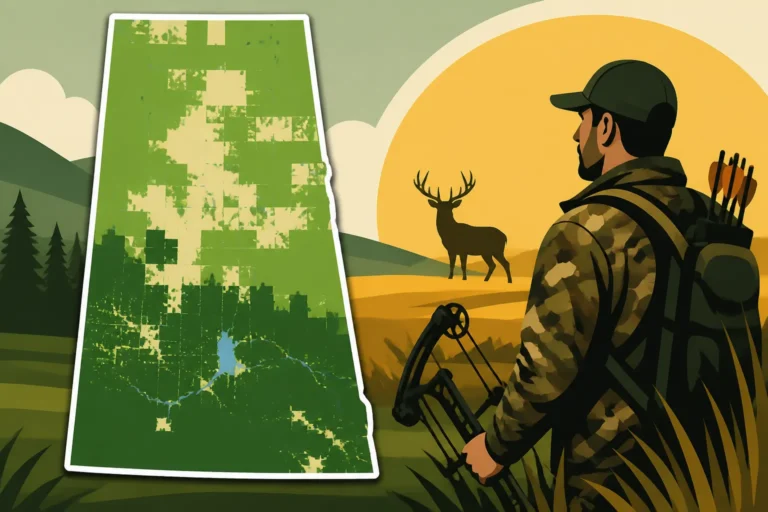
Before you even step foot in the field, modern mapping applications can be your best friend. Tools like onX Hunt or GoHunt allow you to zoom in on satellite imagery to identify potential dugouts. You can spot the tell-tale depressions, often appearing as dark ovals or irregular shapes, sometimes with a faint trail system leading to them. Look for these water sources nestled within or adjacent to blocks of cover – shelterbelts, bush pockets, or even just dense cattails. These apps also help you identify property lines, crucial for ensuring you're only scouting and hunting on land where you have permission. You can also trace out potential access routes, noting where grid roads intersect or run alongside likely areas, avoiding unnecessary travel through private property. Scouting With Satellite Imagery in Saskatchewan is a fantastic resource for this.
Once you have a few promising dugouts identified, it's time for real-world reconnaissance. Visit these locations well before hunting season, preferably at different times of day. Pay close attention to the water levels – a nearly dry dugout might only be a temporary stop, while one with good water will be a consistent draw. Look for fresh tracks around the edge, noting species, size, and direction of travel. Trail cameras placed strategically can provide invaluable insight into how frequently animals are visiting, which species are present, and at what times. This non-invasive scouting allows you to gather intelligence without pressuring the animals. You might find that animals are hitting the dugout primarily at night, or perhaps there's a particular mature buck that only shows up in the early mornings before sunrise.
Strategic Stand or Blind Placement
The key to hunting a dugout effectively is to be as invisible and scent-free as possible. Animals coming to water are often on high alert, even more so if it's their only reliable source. Therefore, your stand or blind placement is paramount. First, always consider the prevailing wind. In Saskatchewan, winds can be notoriously fickle, but there's often a dominant direction. You need to position yourself downwind of where you anticipate animals will approach, or at least crosswind. Your scent is your biggest giveaway, and game animals will bust you every time if they smell you.
Next, think about the sun's position. Early morning and late afternoon hunts are common at dugouts, so you don't want the sun in your eyes, silhouetting you. Position your setup to have the sun at your back, or at least not shining directly into your face or through your blind's windows. When it comes to cover, utilize what the landscape offers. A natural bush bluff, a thick shelterbelt, or even a strategically placed hay bale can provide excellent concealment. If using a ground blind, brush it in thoroughly to break up its outline. For treestands, identify mature trees that offer good shooting lanes while still providing ample cover. Aim for a spot that allows you to see the entire dugout and its immediate approaches, but without being exposed. Hunting a Shelterbelt Between Two Fields might give you more ideas on how to use linear cover effectively.
Hunting Strategies for Dugout Game
Once you’ve done your scouting and your setup is ready, it’s time to consider the actual hunting strategies for dugouts in dry country. This isn't just about showing up; it's about timing, patience, and adapting your tactics to the specific species and conditions you encounter.
Timing Your Approach and Hunt
The golden hours of dawn and dusk remain prime times for hunting anywhere, and dugouts are no exception. Animals often feel safer venturing out from cover under the low light, and the cooler temperatures make the journey to water more appealing. However, in extremely dry conditions, thirst can override natural caution. You might find animals, particularly during a prolonged dry spell, visiting dugouts in the middle of the day. A mature whitetail buck might brave the open only when its thirst becomes unbearable. Your trail camera data from scouting will be crucial here, giving you specific patterns for that particular dugout.
When you approach your stand or blind, do so with extreme stealth. Animals are already wary around water. A noisy approach can blow your hunt before it even begins. Plan your entry and exit routes carefully, ensuring they don't cross common game trails or potential approach paths to the dugout. Once settled, patience is your greatest ally. Animals might appear suddenly, or they might take their time, cautiously approaching the water's edge, circling downwind to test the air. Be prepared for long waits, and have all your gear organized so you can make a move quickly and quietly when the opportunity arises. Sometimes, waiting out that mid-day lull can pay off handsomely, especially if other hunters are only focusing on traditional early morning or late evening pushes.
Different Species, Different Tactics
Dugouts attract a variety of game, and adapting your tactics to the species you're targeting is essential.
-
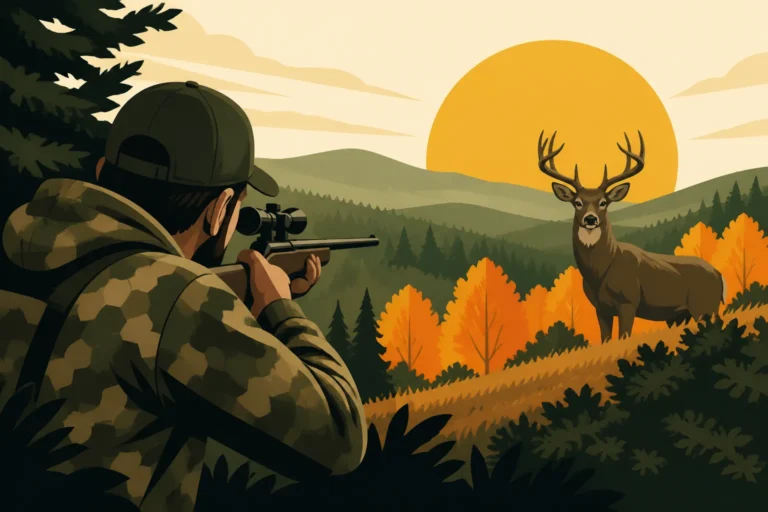
Deer (Whitetail and Mule Deer): For whitetails, blind hunting or carefully still-hunting the edges of the cover leading to the dugout can be highly effective. They are creatures of habit and will often use established trails. If you're targeting a specific buck, knowing its preferred entry point from your scouting will be invaluable. Reading Whitetail Sign in Saskatchewan Bluffs can help you interpret their movements. Mule deer, often found in more open prairie environments, might require a different approach. If the dugout is in a more open area, a spot-and-stalk approach, especially if you catch them bedded nearby after watering, could be viable. Stalking Mule Deer in Open Prairie is a skill worth honing for these situations. Be aware that mule deer might be more comfortable lingering around a water source, especially if they feel secure in the surrounding terrain like a coulee or rolling hills.
-
Waterfowl: While larger dugouts might attract a few ducks in drier times, don't expect a typical field-hunting setup. If there's enough water, jump-shooting might be an option if you approach carefully, using available cover. A small spread of a few decoys and a layout blind could also work on larger dugouts, especially if you've seen ducks or geese using it during scouting. Jump-Shooting a Saskatchewan Prairie Pothole gives a good overview of this dynamic method.
-
Predators (Coyotes, Foxes): Dugouts are also prime locations for predators, as they know other game animals will be concentrated there. Setting up downwind and using distress calls or even coyote vocalizations can often draw them in. They might be lurking on the outskirts, waiting for an opportune moment to ambush a deer or other small game coming for a drink. Calling Coyotes at First Light is a powerful technique that can be very effective near these critical water sources.
Legal Considerations and Respecting Property
This is absolutely non-negotiable in Saskatchewan: you must have landowner permission to hunt on private land. This is perhaps even more critical when focusing on dugouts, as many are located on privately owned farmland or grazing leases. Many dugouts were originally constructed for agricultural purposes, and the land around them is actively managed. It's not enough to simply assume because it looks like a remote spot, it's fair game. Always approach landowners politely, well in advance of your hunt, and obtain clear permission. Knocking on Doors in Saskatchewan Farm Country is an essential skill every hunter should master.
Understand Saskatchewan Landowner Permission Law and be aware of Saskatchewan Posted Land Sign Rules. Respecting posted land, even if you think a dugout might be on it, is crucial. If you get permission, clarify access routes. Sometimes you might only be granted permission to walk in from a specific grid road or approach. Never drive off-road without explicit permission, even if the ground looks dry and firm. Remember that while a dugout might concentrate game, it also concentrates people seeking access. Your courtesy and respect for property rights can make all the difference in securing future hunting opportunities. Hunting a Saskatchewan Quarter Section offers good general advice on accessing and respecting land.
Overcoming Challenges and Maximizing Opportunity
Hunting dugouts in dry country presents its own unique set of challenges. It's rarely as simple as just showing up; you'll need to be adaptable, patient, and ethical in your approach to truly maximize your success.
Dealing with Pressure and Wary Animals
The very factor that makes dugouts so attractive to hunters – the concentration of game – also makes them potential pressure points. If a dugout is easily accessible or widely known, it might see significant hunting pressure, especially on opening weekend or popular hunting days. This pressure can quickly make animals extremely wary, pushing them to become nocturnal or avoid the dugout altogether during daylight hours.
To counter this, consider hunting during weekdays if possible, or focusing on lesser-known dugouts that are harder to access. Sometimes, simply waiting a few hours longer into the day than other hunters might yield results, as animals may feel less pressured once the early morning rush subsides. Staying absolutely hidden and quiet is paramount. This means minimizing movement in your blind, practicing scent control religiously, and using calls sparingly and judiciously. If you find a dugout has been "burnt out" due to excessive pressure, don't keep hammering it. Move on to a different location, or give it a few days of rest. Animals will return when they feel safe again.
Adapting to Changing Conditions
Saskatchewan weather can be unpredictable, even in a dry year. A sudden, heavy rain can transform the landscape quickly, filling up temporary puddles and sloughs and potentially dispersing game from the dugouts. While beneficial for the environment, this can throw a wrench in your hunting plans. Be flexible and ready to adapt. If rain is in the forecast, consider focusing on your dugout spots before the rain, when thirst is still driving animals. After a significant rainfall, you might need to revert to scouting wider areas or checking those ephemeral water sources that have temporarily refilled.
Pay attention to subtle changes in animal behavior. If you notice animals that were consistently hitting a dugout suddenly stop, it might indicate they've found another, perhaps closer, water source. This is where your continued observation and scouting throughout the season pays off. Don't be afraid to pull up stakes and move to a new location if the conditions or game patterns change drastically. The ability to read the landscape and adjust your strategy is a hallmark of a successful hunter.
Ethical Considerations and Water Sources
When hunting dugouts, it's crucial to remember that these are often working water sources for livestock. Farmers and ranchers depend on them for their cattle, horses, or other animals. Always be mindful of livestock; ensure gates are closed behind you, don't disturb grazing animals, and never shoot towards them. Your hunting activity should never interfere with agricultural operations.
Furthermore, dugouts are a vital part of the ecosystem, especially in dry conditions. They are a lifeline for countless creatures. As hunters, we are stewards of the land and its wildlife. This means leaving the area cleaner than you found it, packing out all your trash, and minimizing your impact on the environment. Treat the dugout and its surroundings with respect, recognizing its critical role in sustaining life in a parched landscape. Understanding What a Hard Saskatchewan Winter Culls or Hunting a Prairie Coulee Bottom can give you a greater appreciation for the vital role these water sources play in the survival of wildlife through challenging conditions.
| Scouting Method | Pros | Cons | Best Use |
|---|---|---|---|
| Traditional | Direct observation, fresh sign, accurate water levels, real-time feel | Time-consuming, intrusive, weather-dependent, limited reach | Confirming game activity, identifying fresh tracks, final setup decisions |
| Digital (onX Hunt, GoHunt) | Efficient, covers vast areas, identifies potential spots, property lines | Not real-time, satellite imagery can be outdated, no scent/freshness info | Initial area identification, boundary checks, general terrain analysis |
| Trail Cameras | Non-intrusive, 24/7 monitoring, patterns game movement, specific times | Costly, susceptible to theft/damage, battery life, limited field of view | Detailed game patterns, identifying specific animals, confirming visits |
Disclaimer
This article is for general informational purposes only and does not constitute professional advice. Laws, prices and regulations vary by location and change over time. Consult a qualified professional for guidance on your specific situation.