Asking a Saskatchewan Outfitter for References
Booking a hunting trip, especially one that takes you to a place like Saskatchewan, is a huge investment – not just of money, but of your precious time and hard-earned vacation days. There's nothing worse than showing up for the hunt of a lifetime only to find the experience falls far short of what was promised. That's why, before you sign on the dotted line with any outfitter, you absolutely need to know how to effectively ask for and vet their references. This guide will walk you through the process, helping you separate the exceptional experiences from the potential disappointments.
Why Asking for References Isn't Just a Good Idea, It's Essential
It's easy to get swept up in the polished websites, stunning trophy photos, and enthusiastic descriptions that outfitters present. They are, after all, in the business of selling dreams. But the reality on the ground can sometimes be starkly different. This is where references become your most powerful tool for due diligence.
Avoiding Disappointment and Bad Experiences
Think of it like this: you wouldn't buy a car without reading reviews or test driving it, right? A guided hunt is a far more personal and significant investment. Imagine arriving in a remote Saskatchewan camp, only to discover the guides are inexperienced, the equipment is subpar, or the hunting areas aren't what you envisioned. These aren't minor inconveniences; they can completely derail your trip and leave you with a bitter taste, not to mention a significant financial loss. Asking for references directly from previous clients gives you an unfiltered look behind the curtain. These are people who have lived the experience, endured the long days, and celebrated (or commiserated) the outcomes. Their stories offer a layer of authenticity that no amount of marketing can replicate. They can tell you about the little things that truly make or break a trip, like the quality of the food, the comfort of the accommodations, or how well the outfitter handles unexpected challenges like bad weather or difficult hunting conditions. It’s about managing expectations and ensuring the outfitter can actually deliver on what they advertise.
Verifying an Outfitter's Reputation and Claims
Every outfitter will tell you they offer a "first-class hunt" or "trophy opportunities." But what does that really mean? References help you translate those marketing buzzwords into concrete realities. For instance, an outfitter might claim high success rates for big Saskatchewan whitetails. A quick look at their website might show impressive photos, but by speaking to past clients, you can find out if those pictures represent typical results or just a handful of exceptional animals taken over many years. You can learn whether the "trophy opportunities" were truly plentiful or if hunters spent most of their time in areas with little game sign. Furthermore, references can shed light on an outfitter’s ethics and commitment to fair chase. Did they pressure hunters to take questionable shots? Were wounded animals pursued diligently? These are critical questions for many hunters, and direct accounts from former clients are often the only way to get a clear picture. Reputable outfitters should have a solid track record of satisfied customers who can vouch for their professionalism, their knowledge of the local game species Saskatchewan holds, and their overall commitment to providing a safe and memorable experience.
What Kind of References to Ask For and How to Get Them
Don't just ask for "some references." Be specific and deliberate in your request. A good outfitter will understand your need for thorough vetting and be happy to provide the information you need. If they hesitate or offer excuses, that's your first potential red flag.
Requesting a Diverse List of Past Clients
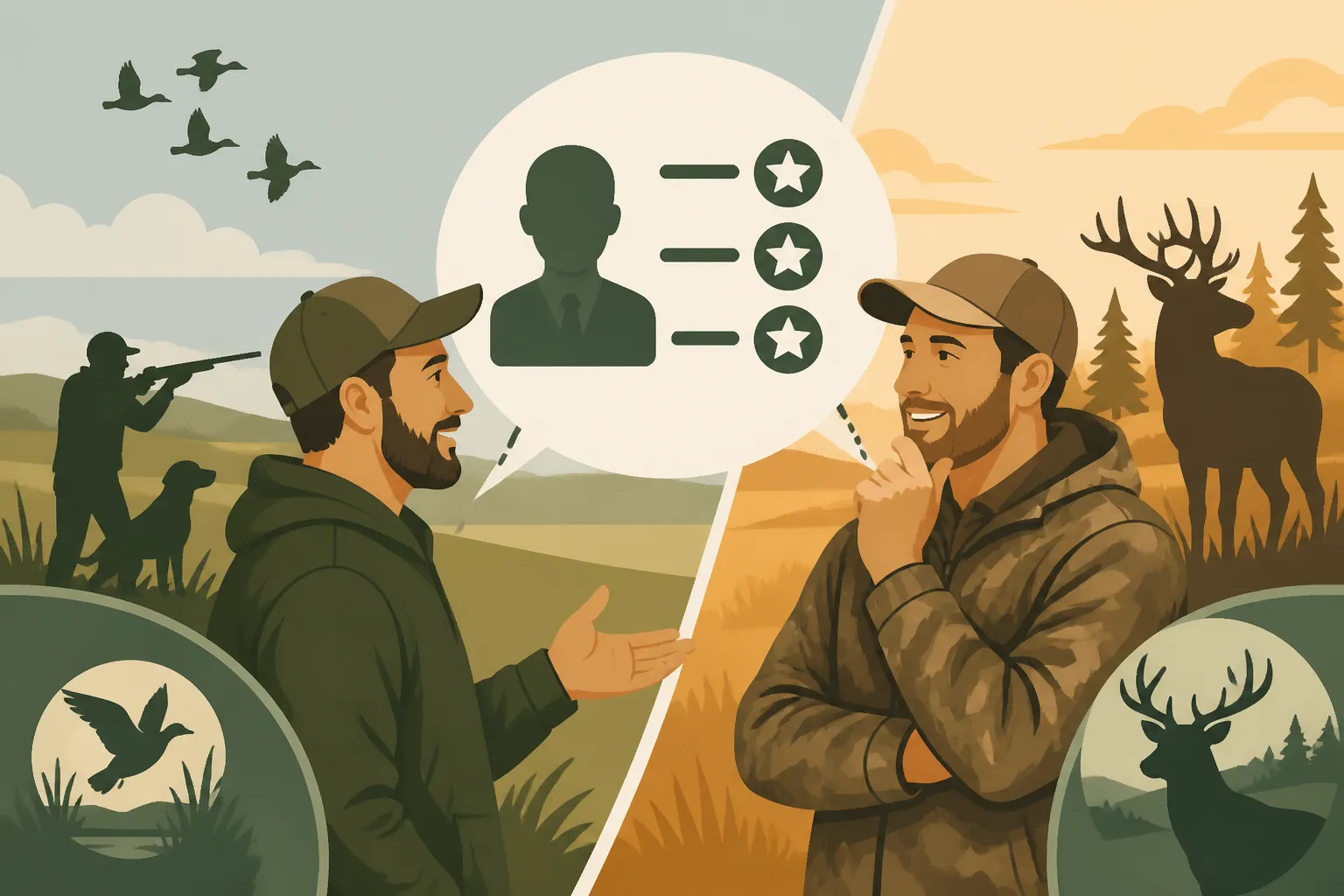
When you ask an outfitter for references, you don't want a curated list of their best buddies who had the most spectacular hunt of their lives. You want a diverse cross-section of their clientele. Specifically, ask for:
- Clients from different seasons: A hunt in the warm early season, like When Saskatchewan's Archery Deer Season Runs, can be vastly different from a grueling late-season rifle hunt where you might be Hunting Whitetails at Thirty Below. Experiences can vary greatly with weather conditions, game movement, and even the personalities of the guides working specific weeks.
- Clients who hunted the same species and type of hunt you're interested in: If you're booking a Saskatchewan Whitetail Hunt in the forest fringe, talking to someone who did a waterfowl hunt isn't going to be as helpful. You want to hear from people who had similar expectations and conditions to what you're planning.
- Clients with varying levels of experience: A seasoned hunter might overlook minor issues that a first-timer would find frustrating. Talking to both can give you a more rounded perspective.
- Clients with different outcomes: It’s incredibly valuable to speak with someone who didn't fill their tag. How did the outfitter handle it? Was the effort still there? Did they feel they got their money's worth despite not harvesting an animal? An outfitter's true character often shines through when things don't go perfectly.
Most reputable outfitters will provide you with contact information (usually phone numbers and email addresses) for several recent clients. You might find some of these listed on platforms like BookYourHunt, where past client reviews and contact details for outfitters are often transparent.
The Importance of Recent References
While a glowing testimonial from five years ago is nice, it might not reflect the current reality of the operation. Staff can change, hunting pressure can shift, and even the outfitter's focus or management style can evolve over time. That's why it's critical to ask for references from the most recent hunting season.
Ideally, you want to talk to people who hunted with the outfitter within the last 12-18 months. This ensures you're getting information that's relevant to the current state of affairs. If an outfitter only provides references from several years back, gently push back and ask for more current contacts. If they still can't or won't provide recent references, that could be a significant cause for concern. It might indicate a high turnover in satisfied clients or perhaps issues they don't want you to discover. A strong outfitter with consistent quality will have a steady stream of happy hunters from every season ready to share their experiences.
How to Connect with References and What to Discuss
Once you have a list of references, don't just send a generic email. A phone call is usually best, allowing for a more natural conversation and the ability to pick up on nuances in their tone. Remember, these people are doing you a favour, so be respectful of their time.
Preparing Your Questions Before You Call
Before you pick up the phone, jot down a list of specific questions. This will keep the conversation focused and ensure you cover all your bases. Having your questions ready also shows respect for the reference's time. Categorize your questions into areas like the overall experience, hunting specifics, logistics, and any concerns you might have. Think about the most important aspects of your own planned hunt and tailor your questions accordingly. For example, if you're concerned about accessibility for a Saskatchewan Guided Hunts for Disabled Hunters, ask specific questions about that.
Key Questions to Ask About the Hunt Experience
This is where you dig into the core of the hunting trip itself.
- "What was the overall experience like, from arrival to departure?" This open-ended question often elicits a great overview and highlights their immediate impressions.
- "How accurate were the outfitter's descriptions and promises compared to the reality on the ground?" Were the hunting grounds as vast as depicted? Was the game as plentiful? Were the accommodations as comfortable?
- "How knowledgeable and professional were the guides?" Did they scout effectively? Did they know the Hunting a Saskatchewan Wildlife Management Zone inside and out? Were they courteous and attentive? Did they make an effort to put you on game even when conditions were tough?
- "What was the quality and quantity of game observed during your hunt?" Be specific here. Did they see mature animals? How many? Was the outfitter managing their hunting pressure effectively? For example, if you're targeting big whitetails, did they consistently show you mature bucks, or mostly young deer? This is especially important if you're booking an archery hunt, where success can depend heavily on consistent game movement and access to quality animals.
- "How was the food and lodging?" While not the primary reason for a hunt, a comfortable camp and good meals can significantly impact the overall experience. Was it clean? Was the food plentiful and tasty? Did they accommodate dietary restrictions?
- "What was the dynamic like in camp?" Was it friendly and welcoming? Did you feel like a valued client, or just another number? This is often overlooked but crucial for an enjoyable trip.
- "Did you feel safe at all times?" This covers everything from guide competency in the field to vehicle safety and adherence to Saskatchewan Blaze Orange Rules.
Delving into Post-Hunt Logistics and Communication
A hunt doesn't end when you pull the trigger. How an outfitter handles the crucial post-hunt logistics can make a huge difference.
- "How was the communication before, during, and after the hunt?" Did the outfitter respond promptly to questions? Were there any surprises upon arrival? Was there good follow-up after the hunt regarding trophy care or meat processing?
- "How was the game retrieval and meat handling process?" This is incredibly important, especially in remote areas or during warm weather. Did they have a solid plan for getting your animal out of the bush quickly and Meat Care in Saskatchewan's Cold Snaps? Was the meat handled hygienically? Did they offer Getting Meat Processed in Saskatchewan options or assist with transport?
- "What assistance did they provide with trophy care and shipping?" For non-residents, this is a major concern. Did they properly cape and prepare your trophy? Did they help arrange for Shipping Meat Home From Saskatchewan or connect you with a taxidermist? Did they guide you through the process of Taking a Trophy Across the Border?
- "Were there any unexpected costs or hidden fees?" This is a huge one. Make sure you understand exactly What a Saskatchewan Guided Hunt Costs and what is not included. References can confirm if the initial quote was truly all-inclusive or if there were many nickel-and-dime charges throughout the trip.
- "Would you hunt with this outfitter again, and would you recommend them to a friend or family member?" This is the ultimate litmus test. A resounding "yes" speaks volumes. If there's hesitation, press for details.
Remember, a good reference will often volunteer information you didn't even think to ask. Listen actively, and don't be afraid to ask follow-up questions if something piques your interest.
Red Flags and Integrating Other Research Methods
While references are invaluable, they shouldn't be your only source of information. It's crucial to cross-reference their accounts with other available data and be aware of potential red flags.
What to Watch Out for in Reference Responses
Even with direct references, a critical ear is necessary.
- Evasiveness or vague answers: If a reference seems hesitant, quickly changes the subject, or gives very generic responses to specific questions, it could be a sign they're not entirely comfortable with their experience, or perhaps they're a friend of the outfitter rather than an objective past client.
- Overly positive, almost rehearsed answers: While enthusiasm is great, if every answer sounds like a marketing script, it might be too good to be true. Listen for genuine, personal anecdotes.
- Inconsistencies: If several references give conflicting accounts of the same aspect of the hunt (e.g., guide professionalism, camp conditions), it suggests a lack of consistency in the outfitter's operation, or that some references might not be entirely truthful.
- Reluctance to discuss challenges: No hunt is perfect. If a reference claims everything was absolutely flawless, it's often a sign that they're either being overly polite or perhaps not providing a full picture. A realistic reference will acknowledge minor hiccups and how the outfitter handled them. What you're looking for is a pattern of good responses and a consistent experience, even if small issues arose.
Complementing References with Online Reviews and Platforms
While direct references are golden, don't ignore the power of online research. Platforms like GoHunt and BookYourHunt offer extensive databases of outfitters and often feature client reviews, photos, and even success rate statistics.
Here’s how to use them effectively:
- Cross-reference: See if the experiences shared by your direct references align with general sentiment in online reviews. If your references are all glowing, but online reviews are consistently negative or raise serious concerns, that's a red flag.
- Look for patterns: Don't get hung up on one or two negative reviews (every business has them). Instead, look for recurring themes. Are multiple people complaining about the same guide? Consistent issues with Meat Care in Saskatchewan's Cold Snaps? Repeated problems with communication or hidden fees? These patterns are far more telling.
- Utilize forums and social media: Hunting forums or dedicated social media groups can be goldmines for honest, unvarnished opinions. Search for the outfitter's name and see what comes up. Be aware that not everything online is accurate, but it can provide additional context.
- Check outfitter associations: Many reputable outfitters are members of provincial or national outfitter associations, like the Saskatchewan Outfitters Association. Membership often indicates adherence to certain standards and codes of conduct. Check their websites for member directories and any available complaint resolution processes. These associations also have strict guidelines about Saskatchewan Outfitter Licensing and Allocations.
By combining the candid insights from personal references with the broader perspectives gleaned from online reviews and official channels, you'll gain a comprehensive and well-rounded understanding of an outfitter's true reputation. This thorough approach significantly increases your chances of having a fantastic, memorable Whitetail Hunting in Saskatchewan or any other hunting adventure you choose!
Disclaimer
This article is for general informational purposes only and does not constitute professional advice. Laws, prices and regulations vary by location and change over time. Consult a qualified professional for guidance on your specific situation.