Currency and Payment on a Saskatchewan Hunt
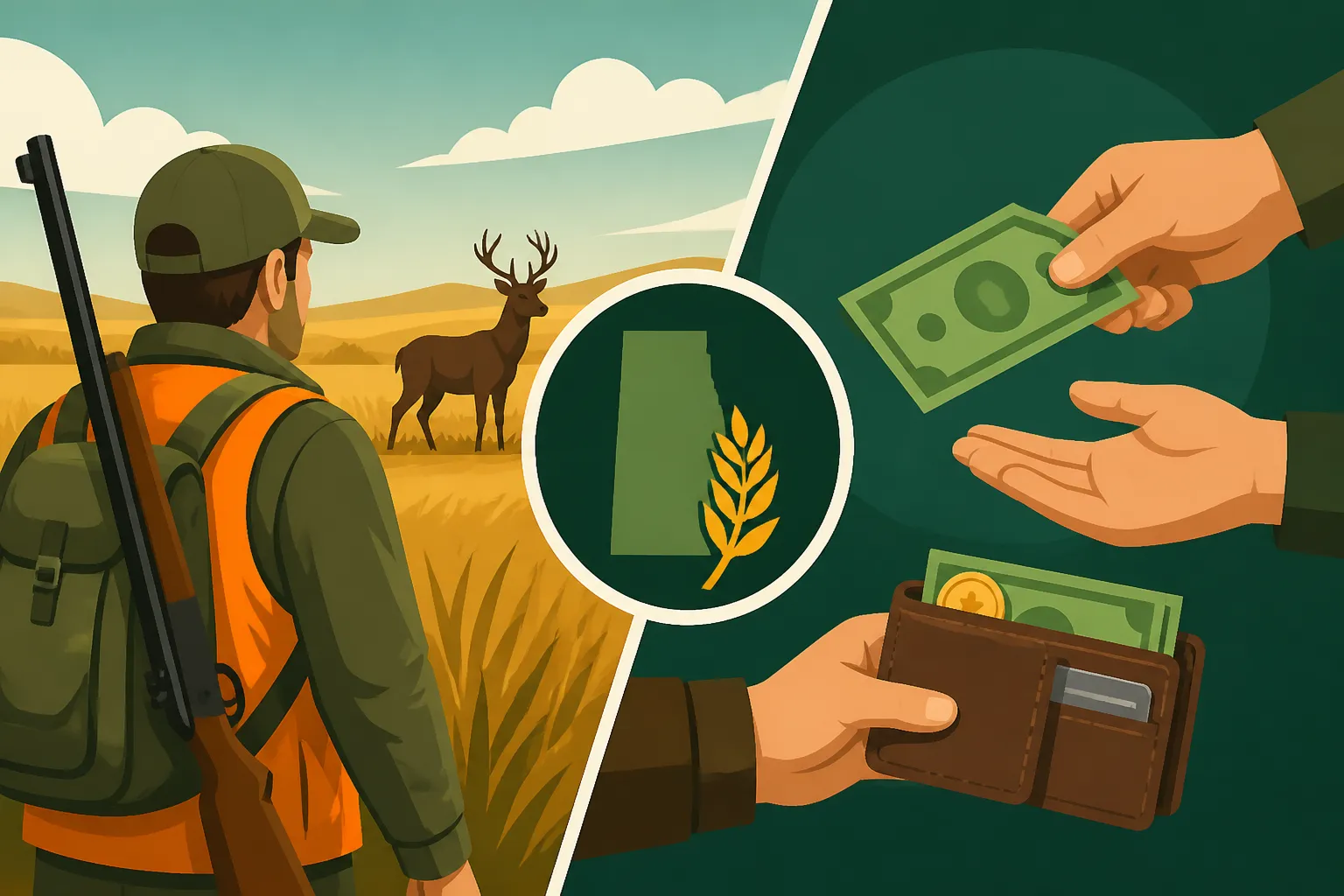
Planning a hunting trip to Saskatchewan is incredibly exciting, but the practical side of budgeting and payments can quickly turn into a headache. Many hunters, especially those crossing the border, find themselves grappling with fluctuating exchange rates, unexpected fees, and confusion over accepted payment methods. This guide will walk you through everything you need to know about currency and payment on a Saskatchewan hunt, helping you plan your finances with confidence and avoid any unwelcome surprises.
Understanding the Canadian Dollar and Exchange Rates
One of the biggest financial questions for hunters coming from outside of Canada, particularly from the United States, revolves around currency conversion. It's a fundamental aspect that can significantly impact your overall trip cost, and overlooking it can lead to real sticker shock.
The Exchange Rate Reality and Its Impact
The Canadian dollar (CAD) and the US dollar (USD) are not one-to-one. The exchange rate between them is constantly shifting, influenced by global markets, economic factors, and even political news. This means that the "deal" you thought you were getting when you booked your hunt months ago might look very different by the time your final payment is due or when you're settling up incidentals in camp. For example, if an outfitter quotes a hunt at $5,000 CAD, and at the time of booking, the USD-CAD exchange rate is favorable (e.g., $1 USD = $1.30 CAD), that hunt effectively costs you about $3,846 USD. However, if the Canadian dollar strengthens and the rate moves to $1 USD = $1.20 CAD by the time of payment, that same $5,000 CAD hunt now costs you roughly $4,167 USD – a significant difference of over $300 that can quickly eat into your budget for gear or travel.
It's not just the big-ticket items like the hunt package itself. Every coffee you buy at a gas station, every meal you eat on the drive up, every souvenir, and even your Saskatchewan Resident Deer Licence Cost if you are a resident, will be processed in Canadian dollars. Your bank or credit card company will then convert that to your home currency, often adding a foreign transaction fee on top. These small charges add up over the course of a week-long hunt, and an unfavorable exchange rate amplifies their impact. Savvy hunters often keep a close eye on currency trends, perhaps even using a service like GoHunt which can provide tools to help track financial considerations alongside hunting planning. Knowing the current rate and anticipating potential shifts can help you decide when to convert funds or make larger payments.
Why Outfitters Quote in Canadian Dollars
Most Saskatchewan outfitters will quote their prices in Canadian dollars, and for good reason. They are running a business in Canada, paying their staff, buying supplies, and covering operational costs – all of which are denominated in CAD. Expecting them to absorb the risk of currency fluctuations on your behalf isn't realistic or fair. If an outfitter were to quote in USD, they'd have to constantly adjust their pricing or build in a significant buffer to protect themselves against a strengthening Canadian dollar, which would ultimately drive up costs for everyone.
This practice is standard across the board, whether you're inquiring about Saskatchewan Black Bear Hunt Prices or trying to figure out What a Saskatchewan Guided Whitetail Hunt Costs. It simplifies their accounting and ensures they receive the revenue needed to run their operations effectively. It’s important for you, the hunter, to understand this and plan accordingly. Don't assume that a quoted price is in your home currency; always confirm the currency with your outfitter. Reputable outfitters will be transparent about their pricing structure and the currency they use, often stating it clearly on their websites or in their booking agreements. If you find an outfitter through a platform like BookYourHunt, they will typically specify the currency of the listed price, or allow you to convert it for estimation purposes.
Common Payment Methods for Your Hunt
Navigating how and when to pay for your Saskatchewan hunt involves understanding various stages and methods. From the initial booking to settling up in camp, having a clear picture of your options will make the process smoother.
Deposits and Booking Your Spot
Almost every outfitter requires a deposit to secure your hunting dates. This deposit is usually a percentage of the total hunt cost, typically ranging from 25% to 50%, and is non-refundable or only partially refundable under specific conditions. The purpose of the deposit is twofold: it guarantees your commitment to the hunt and provides the outfitter with capital to cover initial expenses like securing leases, purchasing bait, or blocking off prime dates. It’s also common for these deposits to be required well in advance, sometimes a year or more out, especially for highly sought-after dates like the whitetail rut. Understanding the terms around your deposit is critical; ask about cancellation policies and what happens if you need to reschedule. For example, many outfitters will allow you to roll your deposit over to the following year if you cancel far enough in advance, but this is never a guarantee.
When you're ready to Booking a Saskatchewan Hunt a Year Ahead, consider how you'll make this initial payment. Bank wire transfers are very common for deposits, especially for larger sums. They offer a secure way to transfer funds directly to the outfitter's Canadian bank account. Be prepared for potential bank fees on both ends for wire transfers, and ensure you have all the correct routing information to avoid delays. Some outfitters might also accept credit card payments for deposits, which offers convenience and often some level of consumer protection from your card provider. However, credit card companies will apply their own exchange rates and foreign transaction fees, which can sometimes be less favorable than a bank's wire transfer rate.
Final Payments and In-Camp Expenses
The remaining balance of your hunt package is typically due either upon arrival at camp or a specified number of days/weeks before your hunt begins. Always clarify this with your outfitter well in advance. Some outfitters prefer the balance paid before you even set foot in Saskatchewan, allowing them to focus entirely on the hunt once you arrive. Others are comfortable settling up when you check into camp.
In-camp expenses are another layer of payment you'll need to consider. These often include items not covered by the base package, such as:
- Extra nights of lodging: If you arrive early or stay late.
- Alcoholic beverages: Many camps are "BYOB" or charge extra for drinks.
- Souvenirs or merchandise: Camp hats, shirts, etc.
- Additional activities: If offered by the outfitter, like fishing side trips.
- Meat processing or taxidermy services: While an outfitter might arrange this, the cost is almost always yours.
- Fuel for personal vehicles: If you're driving yourself.
These smaller, variable costs are almost always settled directly in Canadian dollars. It's wise to carry a combination of Canadian cash, a credit card, and a debit card to cover these eventualities. Knowing How Much to Tip a Saskatchewan Guide is another crucial component, and tips are almost exclusively paid in cash, often in USD as a courtesy, but CAD is always appreciated.
Credit Cards, Debit, and Cash: Pros and Cons
Choosing the right payment method for various aspects of your hunt involves weighing convenience, fees, and security.
| Payment Method | Pros | Cons | Best For |
|---|---|---|---|
| Credit Card | Convenient, good for large sums, fraud protection, travel rewards | Foreign transaction fees, variable exchange rates, some outfitters don't accept | Deposits, larger final payments, pre-booking flights/lodging |
| Debit Card | Direct access to funds, potentially lower fees for withdrawals at Canadian ATMs | Foreign transaction fees, daily withdrawal limits, less fraud protection than credit cards | ATM withdrawals for cash, smaller in-camp purchases |
| Cash (CAD) | Universally accepted, no transaction fees once converted, preferred for gratuities | Risk of loss/theft, inconvenient to carry large sums, requires pre-conversion | Gratuities, small in-camp purchases, roadside stops, rural vendors |
| Cash (USD) | Some outfitters accept, preferred for guide tips, no conversion for guide | Outfitter must convert to CAD, often less favourable rate, not universally accepted | Guide tips (as a courtesy), some outfitter direct payments |
| Wire Transfer | Secure for large sums, generally good exchange rates from your bank | Bank fees on both ends, not instant, difficult to reverse | Initial deposits, large final payments before arrival |
Many hunters find it convenient to use a travel credit card with no foreign transaction fees. While the exchange rate will still apply, you avoid that extra percentage tacked on. Always inform your bank and credit card companies of your travel plans to Canada to prevent holds or freezes on your accounts due to "suspicious activity." For cash, it's generally best to convert a reasonable amount of USD to CAD before you leave home or withdraw cash from Canadian ATMs with your debit card upon arrival. This avoids carrying excessive amounts of cash across the border when you Declaring a Firearm at the Canadian Border and navigating Customs.
Navigating Hidden Costs and Unexpected Expenses
It’s easy to focus on the main outfitter package price and overlook the myriad of other expenses that add up quickly. A truly realistic budget for your Saskatchewan hunt includes many line items beyond the basic hunt fee.
Licences, Tags, and Permits
The cost of your hunting licences and tags is almost universally not included in your outfitter's package price. This is because these are personal items tied to you as the hunter, and the specific permits needed can vary. Non-resident hunters, for instance, have different requirements and costs compared to residents. You'll need to purchase a What a Non-Resident Pays Through an Outfitter which covers several fees including a Wildlife Habitat Certificate. Depending on your species of interest, you might need specific tags for Saskatchewan Moose Licence Cost or What an Elk Licence Costs.
Beyond the big game tags, don't forget about migratory bird permits if you plan on waterfowl hunting, or even a federal duck stamp if you're coming from the US. These costs can range from a few dollars to several hundred, depending on the number and type of species you intend to pursue. Always confirm with your outfitter exactly which licences and permits you will need, and factor their costs into your budget. Many outfitters can guide you through the process of obtaining these, or at least point you to the correct government websites.
Travel and Accommodation Beyond the Outfitter
While your outfitter package often includes lodging and meals at camp, it rarely covers your travel to and from Saskatchewan, or any pre/post-hunt accommodation. This can be a significant chunk of your budget. Consider:
- Flights: If you're flying into Saskatoon (YXE) or Regina (YQR), factor in airfare.
- Rental Car: If you need a vehicle to get from the airport to your outfitter's rendezvous point, or for any independent travel.
- Fuel: For your personal vehicle or rental car while driving across Saskatchewan.
- Hotels: Many hunters choose to stay a night in a hotel before or after their hunt, especially if their flights don't align perfectly with check-in/check-out times at camp.
- Meals outside of camp: Breakfast on travel days, dinner on the way home, etc.
These are all expenses that need to be paid in Canadian dollars, and again, exchange rates will play a role. Building in a buffer for unexpected delays, such as weather-related travel disruptions, is a smart move.
Trophy Care, Meat Processing, and Shipping
Successfully harvesting an animal is the goal, but then comes the practical (and costly) logistics of getting your meat and trophy home. This is another area where costs can sneak up on you if you haven't planned.
- Field Dressing and Quartering: Most outfitters will help with this, often included in the hunt price. However, specialized caping or skull cleaning for taxidermy might incur an extra fee.
- Meat Processing: Unless your outfitter explicitly states it's included, you'll be responsible for the cost of having your animal butchered. There are excellent meat processors across Saskatchewan, and finding a local butcher near your camp can save time. The cost varies by species and cuts desired.
- Cold Storage: If you kill an animal early in the week, you'll need a place to keep the meat cool. Many camps have walk-in coolers, but confirm if there's a charge for extended storage.
- Shipping: This is often the biggest surprise. Shipping frozen meat can be very expensive, requiring insulated coolers and expedited shipping services. Shipping antlers and capes to your taxidermist, especially if it involves international customs, also carries considerable costs for crates, brokerage fees, and freight. Discuss Taking a Trophy Across the Border with your outfitter as they often have preferred shippers or taxidermists who can handle the necessary paperwork.
These services are typically paid directly to the processor, taxidermist, or shipping company, and they will all charge in CAD. Having enough cash or an appropriate credit card available for these services is essential.
Gratuities for Guides and Camp Staff
Tipping is a customary practice in the hunting industry and a significant part of a guide's and camp staff's income. It's a way to show appreciation for their hard work, dedication, and the service they provide throughout your hunt. Many hunters feel uncomfortable discussing gratuities, but it's crucial for budgeting and for showing respect to the people who make your hunt possible.
While there's no fixed rule, a common guideline for guides is 10-20% of the hunt's base cost, assuming you've received good service. For camp staff (cooks, skinners, cleaners), a collective tip of $200-$500 per hunter for a week-long hunt is often appropriate, depending on the level of service and camp size. These figures are general and should be adjusted based on your experience. Always ask your outfitter for their suggested tipping guidelines; they can provide clarity. Tipping a Saskatchewan Guide is almost always handled in cash, and while USD is often accepted and appreciated by guides, Canadian dollars are always welcome and may be easier for the staff to use locally. Factor these amounts into your budget from the very beginning to avoid financial strain at the end of a successful hunt.
Practical Tips for Managing Your Hunting Budget
Effective financial planning is paramount for a stress-free Saskatchewan hunting adventure. A few proactive steps can save you headaches and ensure your focus remains on the hunt itself.
Planning Ahead for Exchange Rates
The unpredictability of currency exchange rates can be daunting, but you can mitigate its impact with foresight. One strategy is to keep an eye on the CAD-USD exchange rate in the months leading up to your hunt. If you see the Canadian dollar weakening (meaning your USD buys more CAD), it might be a good time to convert a portion of your funds. You could open a Canadian dollar account at your bank, if available, or purchase CAD traveler's cheques for larger sums, though these are less common now.
For larger payments, such as your final hunt balance, consider using a wire transfer when the rate is favorable. Your bank's exchange rate for a wire transfer might be better than what your credit card company offers, and it provides a direct, traceable payment. However, remember the fees associated with wire transfers. For smaller, day-to-day expenses, a credit card with no foreign transaction fees is often your best bet, as it processes at the prevailing daily rate. Alternatively, withdrawing cash from ATMs once in Canada often provides a decent exchange rate, though your home bank might charge a fee for international ATM usage. Always inform your bank of your travel dates to Canada to prevent any security holds on your accounts. Using platforms like GoHunt can provide resources and insights into planning these financial aspects, often linking to currency conversion tools or budget templates.
Creating a Detailed Budget Worksheet
The key to avoiding financial surprises is to create a comprehensive budget worksheet before you even book your trip. Don't just factor in the outfitter's package price. Break down every single potential cost you can think of, and then add a buffer for unforeseen expenses.
Here’s a sample breakdown of what your budget might look like:
| Category | Estimated Cost (CAD) | Notes |
|---|---|---|
| Outfitter Hunt Package | $X,XXX | Base price (e.g., What a Saskatchewan Guided Whitetail Hunt Costs) |
| Licences & Tags | $XXX | e.g., Saskatchewan Resident Deer Licence Cost for residents |
| Federal Migratory Bird Permit | $XX | If waterfowl hunting |
| Airfare (Round Trip) | $X,XXX | If flying |
| Rental Car / Fuel | $XXX | Depending on travel needs |
| Pre/Post-Hunt Accommodation | $XXX | Hotels, if needed |
| Meals (Travel Days) | $XX | Food outside of camp |
| Guide Gratuity | $XXX | (e.g., Tipping a Saskatchewan Guide) |
| Camp Staff Gratuity | $XXX | |
| Meat Processing | $XXX | Based on species |
| Trophy Care & Shipping | $XXX | Based on size, destination |
| Gear & Supplies | $XXX | Last-minute purchases, ammo |
| Travel Insurance | $XXX | (e.g., Travel Insurance for a Hunting Trip) |
| Miscellaneous / Buffer | $XXX | Unexpected costs, souvenirs |
| TOTAL ESTIMATED COST | $X,XXX CAD |
By breaking it down this way, you get a much clearer picture of your total financial commitment. Remember, the What a Guide Fee Actually Covers usually pertains only to the direct guiding and camp services, not all these additional expenditures. Tools available on sites like BookYourHunt can sometimes help estimate total costs, but always cross-reference with your own research and outfitter communication.
Communicating Clearly with Your Outfitter
The best way to avoid any financial surprises is through open and clear communication with your outfitter. Don't be afraid to ask detailed questions about costs, payment schedules, and accepted methods. A reputable outfitter will appreciate your thoroughness and be happy to provide all the information you need.
Here are some key questions to ask:
- "Is the quoted price in CAD or USD?" (Always confirm!)
- "What percentage deposit is required, and when is it due?"
- "When is the final balance due, and what payment methods do you accept for it?"
- "Are there any additional fees not included in the package price (e.g., fuel surcharges, trophy fees, transportation from nearest town)?"
- "What are the typical costs for licences and tags for the species I'll be hunting?"
- "Can you recommend local meat processors and taxidermists, and what are their approximate costs?"
- "What are your suggested gratuity guidelines for guides and camp staff?"
- "What is your cancellation or rescheduling policy, and what happens to my deposit if I need to change plans?"
- "Do you assist with CITES permits or other paperwork for Taking a Trophy Across the Border?"
Getting all these details in writing, ideally as part of your booking contract, provides peace of mind. Platforms that connect hunters with outfitters, such as BookYourHunt, often facilitate this clear communication through their booking systems. The more information you have upfront, the better prepared you'll be, allowing you to focus on the thrill of the hunt rather than worrying about your wallet.
Disclaimer
This article is for general informational purposes only and does not constitute professional advice. Laws, prices and regulations vary by location and change over time. Consult a qualified professional for guidance on your specific situation.