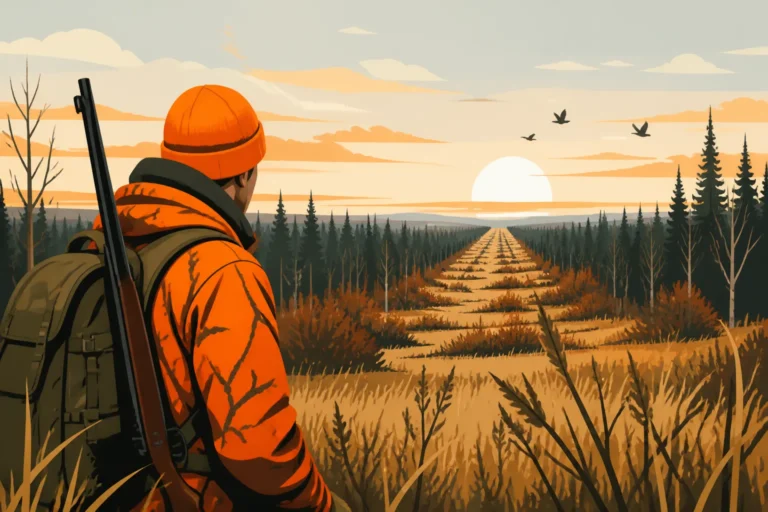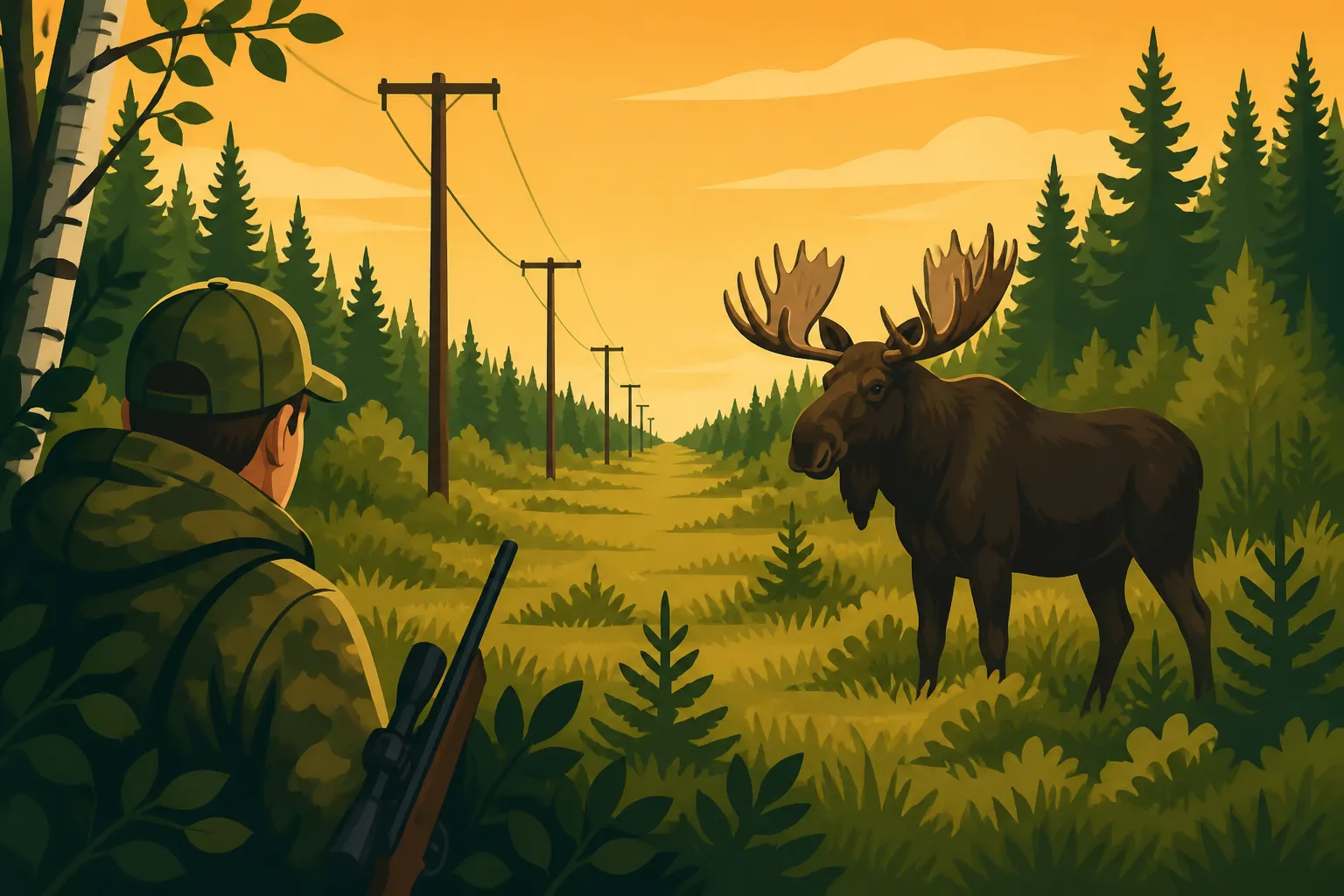
Hunting Moose on a Saskatchewan Cutline
Hunting moose in Saskatchewan's vast northern forest or even the timber pockets of the parkland can feel like looking for a needle in a haystack. The bush is thick, visibility is often minimal, and moose have an uncanny ability to simply vanish into the timber. This guide aims to demystify hunting moose along Saskatchewan's cutlines, offering practical, on-the-ground strategies to increase your chances of success by leveraging these critical travel corridors and feeding areas.
The Strategic Advantage of Saskatchewan Cutlines for Moose Hunters
When you're staring at an endless expanse of Saskatchewan boreal forest, the sheer scale of it can be daunting. How do you even begin to locate one of the largest animals on the continent in such dense cover? That's where cutlines come in – these linear clearings, remnants of past logging, seismic exploration, or utility easements, often become highways and feeding grounds for moose, offering hunters a significant strategic advantage.
What Exactly is a Cutline?
A cutline, at its most basic, is a straight, narrow clearing cut through forested land. They're typically created for specific purposes:
- Seismic Lines: Used in oil and gas exploration, these are often very narrow, sometimes only a few feet wide, and can stretch for miles. They follow precise grids and are usually overgrown with low browse.
- Pipeline and Powerline Easements: Wider and more regularly maintained, these clearings accommodate large infrastructure. They often feature a mix of grasses, forbs, and regenerating shrubs, making them attractive to grazers and browsers alike.
- Logging Roads and Skid Trails: While many old logging roads become overgrown, some remain as identifiable linear clearings, often leading to regenerating clearcuts that are prime moose habitat.
The key takeaway is that these aren't just random clearings; they're man-made disruptions that create unique edge habitat. This edge is exactly what moose are looking for, providing a transition zone between dense cover and open feeding areas. Over time, these clearings, especially those not actively maintained, regenerate with a smorgasbord of moose-friendly browse like willows, aspen suckers, and various shrubs.
Why Moose Utilize Cutlines
Moose are creatures of efficiency and opportunity. Cutlines, particularly the older, overgrown ones, tick a lot of boxes for them. First and foremost, they offer easier travel. Instead of busting through thick bush, a moose can stride down a cutline, conserving energy. This is especially true when you're Hunting Moose on a Saskatchewan Cutline during colder weather or when snow begins to pile up, making dense timber harder to navigate.
Beyond ease of movement, cutlines are often food factories. The disturbance of the soil and the influx of sunlight promote the growth of early successional plants – the tender shoots of willow, aspen, red osier dogwood, and various forbs that moose absolutely love to browse. These areas can be especially productive where pipelines or powerlines are mowed or maintained periodically, keeping the browse at an ideal height for moose.
Finally, cutlines offer a sense of security and access to water. They often run past or through areas with sloughs, creeks, or beaver ponds. A moose can feed along the edge of a cutline, ducking back into the thick timber for cover at a moment's notice. You'll often find signs of moose browsing extensively along these edges, particularly where the cutline meets a natural depression or a small bluff.
Identifying Productive Cutlines
Not all cutlines are created equal. Some are barren, some are too open, and some simply don't have the right combination of features to consistently attract moose. So, how do you find the ones worth your time?
- Edge Habitat is Key: Look for cutlines that run alongside or through varied terrain – areas where mature forest meets younger growth, where uplands meet low-lying wet areas, or where different tree species converge. These transitions often indicate diverse food sources and bedding cover.
- Satellite Imagery and Mapping Tools: This is where modern tools really shine. Services like GoHunt allow you to zoom in and identify these linear clearings from above. Pay attention to how green and overgrown they appear, indicating ample browse. Look for features like small ponds, creek crossings, or areas of thicker cover adjacent to the cutline. Plotting potential spots with a GPS before you even leave home is crucial.
- Historical Use and Game Sign: Once on the ground, the proof is in the pudding. Look for fresh moose tracks, rubs on small trees, and heavily browsed vegetation. If you find these, you're likely on a productive cutline. Sometimes, an old trapper's trail or an abandoned logging road will also act like a cutline, concentrating game movement. Pay close attention to these subtle signs, as they often reveal consistent moose activity.
Effective Hunting Strategies for Cutlines
Once you've identified promising cutlines, the next step is to strategize your hunt. Moose are intelligent animals with keen senses, so a thoughtful approach is paramount. It’s not just about walking the line; it's about understanding how moose use it and how you can capitalize on that.
Scouting and Planning Your Approach
Pre-season scouting is absolutely invaluable for cutline hunting. Before the season even opens, take the time to walk or drive accessible cutlines. Look for the freshest sign: tracks, droppings, rub lines (especially pre-rut and during the rut), and heavily browsed areas. A good pair of binoculars or a spotting scope can help you glass long stretches of a cutline from a distance without disturbing the area.
Use digital mapping tools like GoHunt extensively. Identify access points, potential bedding areas (often dense timber just off the cutline), and feeding zones. Plan your approach routes carefully, considering wind direction and how to enter and exit an area quietly. Remember, moose are often bedded in the thick stuff just off the line, so you don't want to spook them prematurely. Consider which direction the wind is typically blowing from in your chosen zone. For example, if you're Hunting Whitetails in Saskatchewan's Forest Fringe, the same wind considerations apply, as moose share similar habitats.
Still-Hunting and Ambush Tactics
There are two primary methods that work well on cutlines:
- Still-Hunting: This is a slow, methodical approach. You move very slowly along the cutline, pausing frequently to glass ahead, listen, and scan the edges intently. Take five steps, stop for five minutes. Seriously. Moose have incredible hearing and smell, so move against the wind, if possible, and be as quiet as a mouse. Focus your attention not just on the cutline itself, but on the timber edges 20-50 yards in, where a moose might be feeding or bedded just out of sight. Pay attention to any subtle movement, a flick of an ear, or the dark outline of a body in the shadows.
- Ambush/Stand Hunting: If you've identified a particularly active section of a cutline, such as a natural funnel point, a well-used crossing, or an area with abundant browse, setting up an ambush can be very effective. This could be a portable ground blind or, if legal and safe, a tree stand positioned to offer a clear shot down the line and into the adjacent timber. Set up well before first light or in the mid-afternoon, and be prepared for a long wait. These tactics are especially effective during the rut, when bulls are moving more consistently looking for cows.
Calling Strategies Along Cutlines
Calling can be incredibly effective when hunting moose along cutlines, especially during the rut (which typically peaks in late September and early October for Saskatchewan moose). The linear nature of a cutline allows your calls to carry further, and it also creates a natural travel corridor for a bull responding to your sounds.
- Cow Calls: These are soft, drawn-out moans designed to sound like a receptive cow. They can entice bulls to investigate, especially if you're mimicking a cow looking for a partner.
- Bull Grunts: A deep, guttural grunt can challenge a bull or draw curious younger bulls. Combine this with antler raking (mimicking antlers rubbing against brush) to simulate a bull actively marking its territory or sparring.
- Timing and Location: Call from a position that offers good visibility and a clear shooting lane, but also allows you to disappear into the cover if a curious bull comes charging in. Typically, call for a minute or two, then wait for 10-15 minutes, listening intently for any response. If you hear a distant grunt or the sound of brush breaking, get ready! Remember, moose can cover ground surprisingly fast.
- Decoys: While less common for moose, a simple cow silhouette decoy can sometimes provide a visual trigger for a bull already interested by your calls. Always be mindful of safety if using decoys, especially in areas with other hunters.
| Cutline Type | Typical Width | Primary Purpose | Moose Use Potential | Hunting Strategy Recommendation |
|---|---|---|---|---|
| Seismic Line | 6-15 feet | Oil/gas exploration | Travel, browse, cover | Still-hunt, calling at junctions |
| Pipeline/Powerline ROW | 30-100+ feet | Infrastructure | Browse, travel, open views | Ambush, glassing, long-range calls |
| Old Logging Road | 10-25 feet | Former timber extraction | Travel, access clearcuts | Still-hunt, ambush near clearcuts |
| Undeclared Brush Line | Varies | Old fence lines, property lines | Cover, hidden travel | Still-hunt, careful scouting |
Essential Gear and Safety for Cutline Moose Hunting
Hunting moose in Saskatchewan's bush, even along defined cutlines, requires appropriate gear and a strong emphasis on safety. The northern environment can be unforgiving, and being unprepared is not an option.
Navigation and Communication
It's easy to get disoriented in the dense Saskatchewan bush, even if you're sticking to a cutline. The lines can crisscross, disappear into swamps, or become heavily overgrown.
- GPS Device or Phone App: A dedicated GPS unit or a reliable hunting app on your phone (like GoHunt, which works offline) loaded with satellite imagery and topo maps is non-negotiable. Mark your vehicle, your planned route, and any moose sign you encounter. Learn how to use it proficiently before you ever step into the bush.
- Satellite Communicator (InReach/Garmin Messenger): Cell service is non-existent in many prime moose hunting areas of Saskatchewan. A satellite communicator like a Garmin InReach or a Zoleo device allows you to send and receive text messages, share your location, and most importantly, send an SOS signal in an emergency. This is a critical safety item.
- Whistle: A simple plastic whistle can be a lifesaver if you get lost or need to signal other hunters in your party. Three short blasts are a universal distress signal.
Clothing, Footwear, and Packing for the Bush
Saskatchewan weather can be notoriously unpredictable, especially during the fall moose season. Layering is key, and waterproofing is essential.
- Layered Clothing: Start with a moisture-wicking base layer, add insulating mid-layers (fleece or synthetic down), and top it with a waterproof and windproof outer shell. You'll be active while still-hunting but often sitting for extended periods, so adjust your layers to prevent sweating and then getting cold.
- Insulated, Waterproof Boots: You'll be walking through wet grass, mud, and potentially shallow water. Quality insulated, waterproof boots are crucial for comfort and preventing frostbite.
- Essential Pack Items: Always carry a backpack with essentials: extra layers, a first-aid kit, fire-starting materials, a headlamp, sufficient water and high-energy snacks, a knife, rope, game bags, and an emergency shelter. Think about what you would need if you had to spend a night out unexpectedly. If you're heading out to more remote areas, consider what it means for Winter Truck Kit for a Saskatchewan Hunt and carry a similar, scaled-down version in your pack.
- Blaze Orange: Saskatchewan regulations require hunters to wear blaze orange during big game seasons. Ensure you have a vest and headwear that meet the minimum requirements for visibility.
Meat Care and Extraction on a Cutline
Once you've harvested a moose, the real work begins. Moose are massive animals, and getting the meat out of the bush is a huge undertaking. Cutlines, thankfully, can make this process slightly easier if you can get a quad or vehicle close.
- Field Dressing and Quartering: Prompt and thorough field dressing is critical to cool the meat quickly, especially in warmer early season temperatures. Be prepared to quarter the animal to make it manageable. Having a sharp knife, a small bone saw, and plenty of game bags is essential. For detailed guidance, check out our article on Quartering a Moose Alone in the Bush.
- Utilizing the Cutline for Extraction: If the cutline is accessible by an ATV or side-by-side, this can greatly reduce the physical strain. Many hunters use ATVs for Getting a Moose Out With a Quad, hauling quartered sections out in sleds or on cargo racks. Always respect any signage regarding motorized vehicle use on specific cutlines or Crown land.
- Cold Storage: Even if you're quartering the animal, you'll need a plan for keeping the meat cool. In colder weather, hanging it in a shaded, well-ventilated area can work, but in warmer temps, you'll need to get it to a cooler or processor quickly. Consider the logistics of Meat Care in Saskatchewan's Cold Snaps if you are hunting late in the season.
Reading Sign and Adapting to Conditions on Cutlines
Moose are masters of their environment, and understanding their behavior through their signs and how they react to changing conditions is key to consistent success on cutlines.
Deciphering Moose Sign
Finding sign is one thing; interpreting it is another. A productive cutline will often show a variety of moose activity, and knowing what to look for can tell you if a moose is actively using the area, and how recently.
- Tracks: Fresh tracks are, of course, the most obvious sign. Pay attention to the size and depth—larger, deeper tracks usually indicate a bigger, heavier animal. The sharpness of the track edges can tell you how recent it is. If the edges are crisp, with no debris, it's fresh. Older tracks will be rounded and less defined. Look for patterns: are they walking, trotting, or running? A running track suggests a spooked animal.
- Droppings (Scat): Moose droppings are typically oblong pellets. Fresh droppings are shiny, moist, and dark, whereas older ones are dry, dull, and may be covered in debris. The amount of scat can indicate consistent use of an area. In different seasons, their diet changes, so the consistency of their scat will too.
- Rubs: During the rut, bull moose will rub their antlers on small trees and saplings, stripping the bark. The height and diameter of these rubs can give you an idea of the size of the bull. Fresh rubs will show moist wood underneath. This is a clear indicator of a bull in the area and active during the breeding season.
- Browsing: Moose are browsers, not grazers. They strip leaves and twigs from trees and shrubs. Look for torn or frayed ends on branches, often 2-8 feet off the ground. Willows, aspen, and dogwood are common favorites. Heavy browsing indicates a good food source and a moose that's spent time feeding.
- Beds: Moose often make shallow depressions in the snow or ground for bedding. Finding a fresh bed, especially one still warm or showing recent hair, means a moose was recently there and might not be far. They usually bed in thick cover just off a cutline, often offering them good visibility or scenting of their surroundings.
When you're actively Reading Whitetail Sign in Saskatchewan Bluffs, many of the same principles apply, but moose sign is typically much larger and more distinctive due to their size and browsing habits.
Hunting Cutlines in Different Weather
Weather conditions dramatically influence moose behavior, and therefore, your cutline hunting strategy.
- Snow: Fresh snow is a gift for cutline hunters. It makes tracks incredibly clear and tells you exactly when a moose has passed through. Snow also quiets your footsteps, allowing for stealthier still-hunting. Moose might use cutlines more frequently after a fresh snowfall as it's easier to move than through deep drifts in the timber. Knowing Where Saskatchewan Whitetails Bed in Snow can also give you clues about moose bedding habits in similar conditions.
- Rain: Light rain can also quiet the woods, muffling your sounds. However, heavy rain can drive moose deeper into thick cover. Be prepared for wet conditions with good rain gear, and remember that scent dissipates faster in wet air, which can sometimes work to your advantage, though moose smell is legendary.
- Wind: Wind is a double-edged sword. A strong wind can make it incredibly difficult to hear a moose approaching or moving through the bush. However, it can also cover your own noise. Always try to hunt into the wind or with a crosswind to keep your scent from blowing ahead of you. Moose will often bed on the lee side of ridges or bluffs, out of the direct wind, but still using cutlines for travel or quick feeds.
- Temperature: Extremely cold temperatures can make moose more active as they need to feed more to maintain their body heat. They might also seek out sheltered cutlines or those with southern exposure for warmth. Conversely, warmer temperatures can make them more nocturnal, feeding at night and bedding down during the day.
Respecting the Land and Other Users
Saskatchewan's wilderness is a shared resource. As hunters, we have a responsibility to be ethical, respectful, and safe.
- Landowner Permission: Always obtain permission before hunting on private land or land that borders private property. Many cutlines traverse a mix of Crown and private land. Familiarize yourself with Saskatchewan Landowner Permission Law and always carry written permission if applicable.
- Public Land Rules: Understand the specific rules for vehicle access on Crown land and provincial forests. Some cutlines are accessible by ATV, others are walk-in only. Respect signage and designated travel routes. Quad and Side-by-Side Rules on Crown Land are crucial to follow to maintain access for all.
- Wildlife Management Zones: Be aware of the specific regulations for the Wildlife Management Zone you are hunting in, including season dates, bag limits, and any CWD testing requirements. Always consult the current Saskatchewan Hunters' and Trappers' Guide.
- Leave No Trace: Pack out everything you pack in. Leave the cutline cleaner than you found it. This includes all garbage, spent casings, and any flagging tape you used. Our actions reflect on all hunters, so let's set a good example.
Hunting moose on a Saskatchewan cutline is an incredibly rewarding experience that demands patience, knowledge, and respect for the powerful animals we pursue. By understanding moose behavior, employing smart strategies, and preparing thoroughly, you can significantly increase your chances of tagging one of Saskatchewan's magnificent bulls.
Disclaimer
Please note that hunting regulations, season dates, and land access rules can change frequently. Always consult the current Saskatchewan Hunters' and Trappers' Guide published by the Ministry of Environment and verify all information with official sources before planning and executing your hunt. The information provided in this guide is for informational purposes only and should not be considered legal advice. Stay safe and hunt responsibly.