Hunting Saskatchewan’s Fall Bear Season
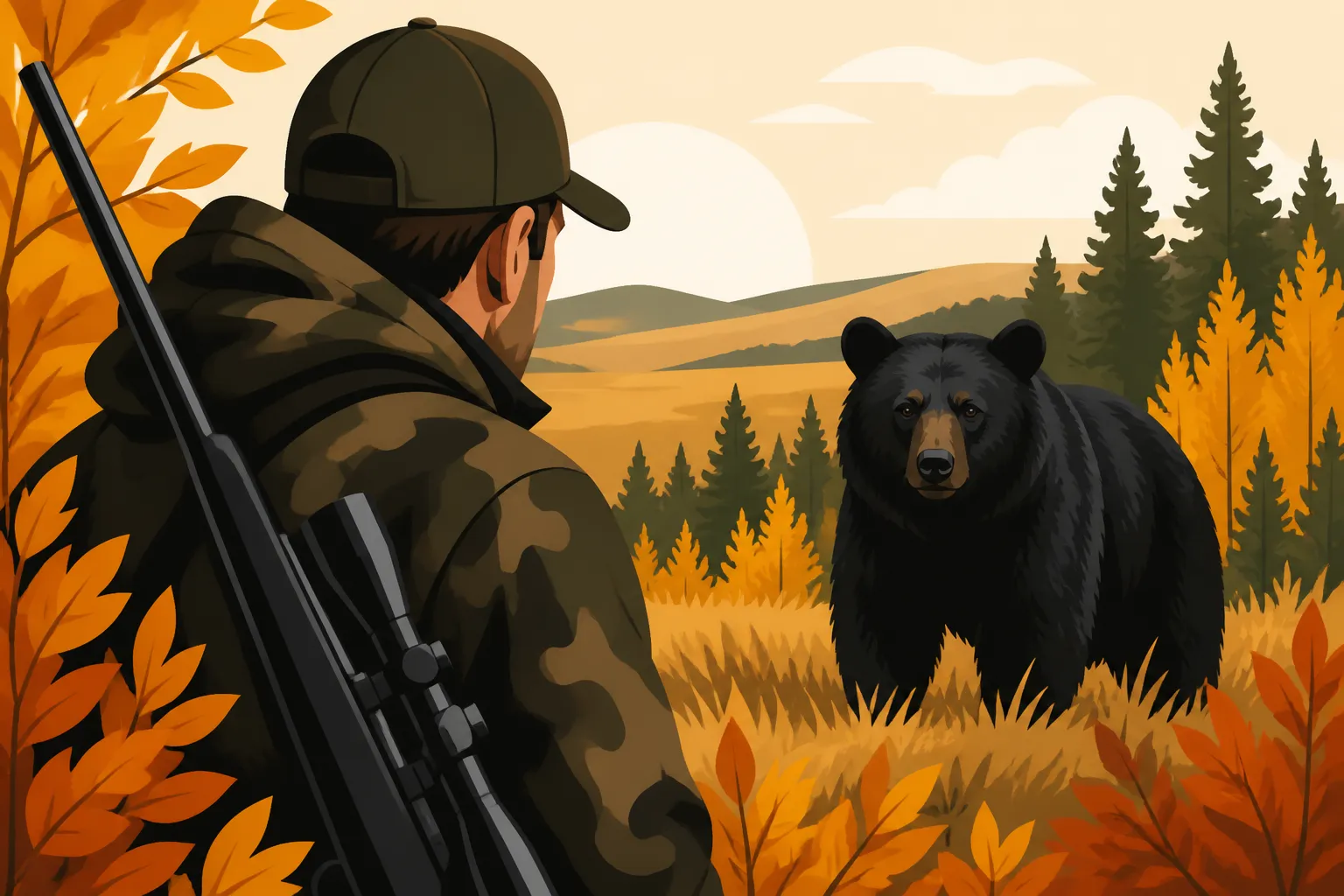
The crisp air of autumn brings with it a unique set of challenges and opportunities for hunters, especially when it comes to chasing black bears in Saskatchewan. Unlike the spring, the fall season can leave many hunters scratching their heads, wondering how to locate bears that are no longer solely focused on fresh green-up or recent den emergence. This guide will walk you through everything you need to know to successfully hunt Saskatchewan's fall bear season, from understanding their movements to effective strategies and vital preparation.
Understanding Saskatchewan's Fall Bear Season
Hunting black bears in the fall offers a distinct experience compared to the more commonly pursued spring season. The landscape has changed, the bears' routines are different, and your approach needs to adapt accordingly. It's a fantastic time to be in the woods, with cooler temperatures and often vibrant fall colours, but success hinges on understanding the nuances of this specific period.
Key Dates and Zones
Saskatchewan's fall black bear season typically runs from late August or early September, often through to the end of October or even mid-November, depending on the Wildlife Management Zone (WMZ). These dates are crucial, as they dictate not only when you can hunt but also coincide with significant changes in bear behavior. For instance, the earlier part of the season in September might still see bears focused on berry crops, while October will find them more intently seeking calorie-dense foods like acorns, hazelnuts, or even agricultural grains.
It's absolutely essential to consult the current Saskatchewan Hunters' and Trappers' Guide for the precise opening and closing dates for your chosen WMZ. These dates can vary slightly year to year and zone to zone, and you don't want to find yourself on the wrong side of the regulations. Generally, the northern and central forest fringe zones, which hold the highest bear populations, offer the most extended fall seasons. Knowing these specific dates allows you to plan your hunt around peak feeding activity in your area.
Why Hunt Fall Bear in Saskatchewan?
Many hunters flock to Saskatchewan for the spring bear season, drawn by the promise of emerging bears and lush green bait sites. However, the fall season presents its own unique and compelling advantages that often go overlooked. First and foremost, bears in the fall are in prime condition. They’ve spent all summer and early autumn gorging on the land’s bounty, packing on incredible amounts of fat in preparation for hibernation. This means heavier bears, often with beautiful, dense coats perfect for a rug. The meat, too, is generally excellent, reflecting their diet of berries, nuts, and grains.
Beyond the quality of the animal, the hunting experience itself is often more comfortable. The relentless mosquitoes and black flies of spring have largely disappeared, replaced by cooler, crisper air. This makes for more pleasant days in the blind or on the stalk. Furthermore, a fall bear hunt can often be combined with other hunting opportunities. Depending on the zone and your licensing, you might be able to chase waterfowl, upland birds, or even early deer seasons, turning your trip into a multi-species adventure. This makes for a truly rich and rewarding outdoor experience in Saskatchewan. For those who enjoy Black Bear Hunting in Saskatchewan in general, the fall offers a very different, yet equally exciting, challenge.
Pre-Season Scouting and Preparation
Just like any successful hunt, a fall bear hunt in Saskatchewan demands diligent pre-season work. You can't just show up and expect bears to magically appear. Understanding their seasonal movements and food preferences, along with proper baiting techniques, if you choose that method, is paramount.
Locating Bear Habitat and Food Sources
Fall bears are driven by one primary instinct: putting on weight for winter. This means their movements are dictated by available high-calorie food sources. Unlike spring when they might be found near den sites or fresh green growth, fall bears will gravitate towards areas rich in berries (like saskatoons, cranberries, and chokecherries), hazelnuts, acorns, and even agricultural crops such as oats, peas, or canola.
Start your scouting by identifying these key food sources within accessible bear habitat. Use satellite imagery tools like GoHunt to pinpoint likely areas – creek bottoms with berry bushes, oak ridges (if present), or the edges of agricultural fields bordering bush. Look for areas with dense cover nearby, as bears will feed in open areas but quickly retreat to thick timber or willows when disturbed or to bed down. Walking these areas in late summer and early fall will reveal tell-tale signs: scat filled with berry seeds, torn-up logs from foraging, or flattened grass in fields where they’ve been feeding. Focus on the forest fringe regions or areas where farmland meets denser bush, as these transition zones are often bear magnets. Understanding Why Forest Fringe Bucks Live Longer might give you insight into why bears also prefer these transition zones for safety and food.
Setting Up Bait Sites Legally and Effectively
Baiting is a highly effective and popular method for hunting bears in Saskatchewan, particularly in the fall. However, it comes with strict regulations you must follow to avoid legal trouble. Always check the current hunting guide for specific rules regarding baiting, including distance from roads, residential areas, and the types of bait permitted. Generally, you need to ensure your bait site is well-hidden, easily accessible by vehicle (for consistent baiting), and located in an area with clear bear sign.
When setting up your bait site, consistency is key. Bears are creatures of habit. Once they find a reliable food source, they’ll return to it. A mix of sweet, high-calorie foods like pastries, doughnuts, and dog food soaked in grease or syrup works wonders. Establish a strong scent trail leading to your bait site to draw bears in. Place your treestand or ground blind downwind of the prevailing wind direction, typically 20-30 yards from the bait, allowing for a clean shot. Remember, baiting requires a significant time commitment, often weeks or even months of regular visits to keep the bears coming. For detailed information, refer to Setting a Bear Bait Site in Saskatchewan.
Essential Gear for Fall Bear Hunting
Being prepared with the right gear can make or break your fall bear hunt. The weather in Saskatchewan can be notoriously unpredictable, swinging from warm, sunny days to sharp, frosty mornings in a matter of hours. Layered clothing is your best friend – start with a moisture-wicking base layer, add insulating layers like fleece or down, and top it off with a waterproof and windproof outer shell. Even though bugs might be less aggressive than in spring, a good head net and some repellent are still wise to have on hand, especially during warmer spells or around stagnant water.
For firearms, a reliable rifle in a common big-game caliber (.30-06, .300 Win Mag, .308, 7mm Rem Mag) paired with quality expanding bullets is a solid choice. If you're a bowhunter, ensure your bow is tuned and you're proficient with broadheads suitable for bear. Optics are crucial: a good pair of binoculars (10×42 or 12×50) for spotting bears from a distance, and a quality scope on your rifle. Don't forget a sharp knife, game bags, rubber gloves, and a saw for field dressing. A reliable flashlight or headlamp is also non-negotiable for those walk-ins and walk-outs in low light. When you're dealing with big game, understanding What a Northern Black Bear Weighs will give you an idea of the equipment you'll need for extraction.
| Essential Gear Category | Specific Items | Why It's Important |
|---|---|---|
| Clothing | Layered System (base, mid, outer), insulated boots, warm hat, gloves | Adapt to fluctuating temperatures, stay dry, prevent hypothermia while sitting for long periods. |
| Firearm/Bow | Rifle/Bow, appropriate ammunition/broadheads, sling/case | Humane and effective harvest, safe transport. |
| Optics | Binoculars, rangefinder, rifle scope/bow sight | Spotting game, judging distance, accurate shot placement. |
| Field Dressing | Sharp knife, game bags, rubber gloves, saw/hatchet, rope | Hygienic and efficient processing, meat preservation. |
| Safety & Navigation | GPS/map, compass, first-aid kit, bear spray (if allowed/desired), communication device, headlamp | Locating yourself, emergency preparedness, animal deterrent, navigating in dark. |
| Comfort | Portable blind/treestand, scent control products, bug repellent, warm seat cushion | Concealment, reducing human odor, minimizing insect annoyance, prolonged comfort. |
Fall Bear Hunting Strategies and Tactics
Once your scouting is done and your gear is ready, it's time to focus on the actual hunting strategies. Fall bears can be unpredictable, but by employing the right tactics, you can significantly increase your odds of success.
Hunting Over Bait
Hunting over bait remains the most common and often most successful strategy for fall bears in Saskatchewan. The key to success here lies in patience and stealth. Once you’ve established an active bait site, spend your hunting time in a comfortable, concealed blind or treestand positioned for a clear, ethical shot. Wind direction is paramount; always approach and sit downwind of your bait. Bears have an incredible sense of smell, and even a faint whiff of human odor can send them scurrying.
Timing is also crucial. Bears are most active during the low-light hours of dawn and dusk, but they can visit bait sites at any time, especially during the fall when they’re trying to gorge. Be prepared to sit for extended periods, perhaps even all day, particularly if you've seen evidence of daytime activity. When a bear approaches, take your time to identify the animal clearly, ensuring it's not a sow with cubs (which are illegal to harvest). Pay attention to body language and size; you might be looking for a mature boar. Skill in Judging a Boar From a Sow With Cubs is critical to ensuring an ethical harvest and adherence to regulations.
Spot-and-Stalk in Agricultural Areas
For those who prefer a more active approach or if baiting isn’t an option, spot-and-stalk can be incredibly effective in areas where agricultural fields border bear habitat. Fall bears are drawn to fields of oats, peas, or canola, often feeding at night or in the early morning and late evening. Your strategy here involves extensive glassing from elevated positions, looking for bears feeding in or near these fields.
Use high-quality binoculars to scan field edges, especially where crops meet treelines or thickets. Bears will often enter fields from dense cover, feed, and then retreat back into the bush. Once you spot a bear you intend to pursue, plan your stalk carefully. Use the terrain, brush, or standing crops for concealment. Pay close attention to wind direction and move slowly and deliberately. This method requires a lot of ground covered and patience, but the reward of a successful spot-and-stalk bear is immense. GoHunt can be invaluable here for identifying private land boundaries, helping you secure permission to hunt specific field edges. You might also gain insights from Hunting a Standing Canola Field Edge or Hunting a Swathed Grain Field at Dusk for specific tactics in agricultural settings.
Still-Hunting the Bush and Cutlines
Still-hunting involves moving slowly and deliberately through bear habitat, pausing frequently to scan and listen. This tactic works well in the vast forest fringe areas of Saskatchewan, particularly along old logging roads, cutlines, or natural travel corridors like creek bottoms. In the fall, bears will be moving between feeding areas and bedding sites, and still-hunting allows you to intercept them.
Focus on areas with diverse food sources, such as mixed forests with berry patches or areas with a good mast crop. Look for fresh sign: tracks, scat, overturned logs, or broken branches where bears have been feeding. Pay close attention to edges where different types of cover meet – these are natural funnels for wildlife. Move into the wind, taking one step at a time, pausing for several minutes to observe your surroundings before taking another step. This method demands extreme patience and a keen eye, as you're trying to surprise an animal with superior senses. Areas described in Hunting Saskatchewan's Forest Fringe are ideal for this type of hunting.
Post-Harvest and Meat Care Considerations
The moment of truth arrives, and a successful shot has been made. The work, however, is far from over. Ethical shot placement, thorough tracking, and meticulous meat care are vital to honouring the animal and ensuring your harvest doesn't go to waste.
Ethical Shot Placement and Tracking
An ethical shot is paramount. For bears, aiming for the lung-heart area is ideal, typically behind the shoulder. This shot maximizes the chances of a quick, humane kill. After the shot, give the bear time. Resist the urge to rush in immediately. If you saw a good hit, wait at least 30 minutes to an hour (or longer if it's a gut shot) before beginning your track. This allows the bear to expire or stiffen, preventing a dangerous encounter or a long, arduous tracking job.
When tracking, look for blood, broken branches, disturbed leaves, or tracks. Mark the last spot you saw the bear or the last sign you found. If the blood trail peters out, expand your search in concentric circles from the last known sign. Black bears can be incredibly tough, and their dark fur can make them surprisingly hard to find, even when mortally wounded. Persistence is key. If light is fading, consider backing out and returning at first light with more trackers if necessary. Always prioritize safety, especially when tracking a wounded bear in thick cover.
Field Dressing and Meat Preservation
Once the bear is down, immediate field dressing is crucial, especially in the variable temperatures of Saskatchewan's fall. The goal is to cool the meat as quickly as possible to prevent spoilage. Remove the entrails, skin the bear, and quarter it if you need to facilitate transport. Bears have a thick layer of fat, which acts as an insulator, so getting the hide off quickly is critical. This fat can also give the meat a strong, "gamey" flavor if not properly handled. Trim away as much excess fat as possible during the initial processing.
Hang the quarters in game bags in a cool, shaded, well-ventilated area. If temperatures are above freezing, you may need to get the meat to a cooler or meat locker as soon as possible. Remember, bacteria multiply rapidly at warmer temperatures. In Saskatchewan's cooler late fall, hanging meat in a shaded spot can often be enough, but always monitor the temperature.
Here’s a general guideline for meat care based on ambient temperature:
| Ambient Temperature Range | Recommended Action | Risk of Spoilage |
|---|---|---|
| Above 10°C (50°F) | Process immediately, refrigerate or freeze within hours | Very High |
| 0°C to 10°C (32°F to 50°F) | Skin, quarter, cool thoroughly, refrigerate within 1-2 days | High |
| Below 0°C (32°F) | Skin, quarter, hang in game bags. Can hang for several days | Low |
Note: These are general guidelines. Always use common sense and inspect meat for signs of spoilage regardless of temperature.
For hunters who are looking to preserve the hide for a rug or taxidermy, ensure you cape the bear properly and get the hide to a freezer or taxidermist without delay. The longer it sits, especially in warmer temperatures, the higher the risk of hair slip. Proper care of your harvest is an essential part of the hunting experience in Saskatchewan, particularly with larger game. You can find more advice on Meat Care in Saskatchewan's Cold Snaps and Field Dressing in Saskatchewan's Deep Cold.
Navigating Regulations and Resources
Hunting in Saskatchewan means adhering to a specific set of rules and regulations. Understanding these, as well as knowing where to find additional resources, will ensure your hunt is both legal and enjoyable.
Licensing and Tagging Requirements
Before you even think about heading into the bush, securing the correct licenses and tags is paramount. Every hunter, resident or non-resident, must have a valid Saskatchewan hunting license and a specific black bear tag for the fall season. These are typically purchased through the Saskatchewan Hunting, Angling and Trapping Licence (HAL) system. You'll need a valid Wildlife Habitat Certificate in addition to your species-specific tag.
It's critical to review the current Saskatchewan Hunters' and Trappers' Guide annually, as regulations can change. This guide will detail bag limits, specific zone restrictions, legal hunting hours, and any other pertinent information. Once you've harvested a bear, it's your responsibility to validate your tag immediately and attach it to the animal as required. Not doing so can result in serious penalties. For more details on what you need, refer to Saskatchewan Hunting Licences and What They Cost and Saskatchewan's HAL Account and Licensing.
Non-Resident Considerations
For our friends visiting from outside Saskatchewan, there are additional rules to be aware of. Non-residents, whether from other Canadian provinces or international locations, are generally required to hunt black bears with a licensed Saskatchewan outfitter. This is a crucial distinction that often surprises new visitors. You cannot simply come to Saskatchewan and hunt bears as an unguided non-resident.
Booking with a reputable outfitter ensures you have legal access to hunt, receive guidance on local regulations, and often benefit from pre-scouted areas and established bait sites. The outfitter will typically handle many of the logistical details, including assisting with your licensing process. Additionally, non-residents bringing firearms into Canada must complete a Non-Resident Firearm Declaration Form (RCMP GRC 5589) and pay a fee at the border. Always check the latest Canada Border Services Agency (CBSA) regulations well in advance of your trip to ensure a smooth crossing. For a comprehensive overview, check out Rules for Non-Residents Hunting Saskatchewan.
Disclaimer
Please note: Hunting regulations and season dates in Saskatchewan can change. Always consult the most current Saskatchewan Hunters' and Trappers' Guide, the Saskatchewan Ministry of Environment website, or official government sources for the most up-to-date and accurate information before planning any hunting trip.