Hunting Near the Quill Lakes
The Quill Lakes region of Saskatchewan holds a mystique for hunters, offering incredible potential but often leaving newcomers feeling overwhelmed by its vastness and the sheer diversity of its landscapes. It’s a place where the prairie meets the parkland, where massive saline lakes draw in untold numbers of migratory birds, and where pockets of cover can hide true giants of the deer and moose world. If you've ever gazed across an endless stubble field wondering where to even begin, or felt intimidated by the sheer scale of the prairie landscape, this guide is for you. We're going to dive deep into what makes hunting near the Quill Lakes so unique, helping you unravel its secrets and plan a truly successful outing.
Understanding the Quill Lakes Ecosystem and Unique Habitat
The Quill Lakes, consisting of Big Quill Lake, Middle Quill Lake, and Little Quill Lake, are a fascinating ecological marvel. These are saline lakes, meaning they're incredibly salty, and while not suitable for most fish, they create an irresistible haven for millions of migratory birds. Beyond the shimmering expanse of the water, the surrounding landscape is a rich tapestry of productive farmland, aspen bluffs, willow thickets, and expansive native grasslands. This mix creates an incredibly diverse habitat that supports a wide array of game species, from trophy whitetails to abundant waterfowl.
The Allure of Saline Lakes for Waterfowl
It might seem counterintuitive, but the high salinity of the Quill Lakes is precisely what makes them such a critical stopover for migratory birds. The salt prevents the growth of many aquatic plants and fish, which means there are fewer predators for the insect larvae and brine shrimp that thrive in these conditions. This creates an incredibly rich food source for ducks and geese, particularly during the fall migration. Think about it: a seemingly endless buffet, relatively free from disturbance, right in the heart of prime grain country.
For hunters, this translates into some of the most phenomenal waterfowl hunting opportunities you'll find anywhere. Ducks, geese, and even sandhill cranes utilize these lakes as massive staging areas before continuing their journey south. The sheer volume of birds can be mind-boggling, making it an experience that truly has to be seen to be believed. We’re talking about massive flocks, sometimes thousands strong, moving between the lakes and the surrounding fields. If you’re planning a trip, understanding these patterns is key to Hunting Saskatchewan's Snow Goose Migration or setting up a successful spread for Canada geese.
Transition Zones: Where Prairie Meets Parkland
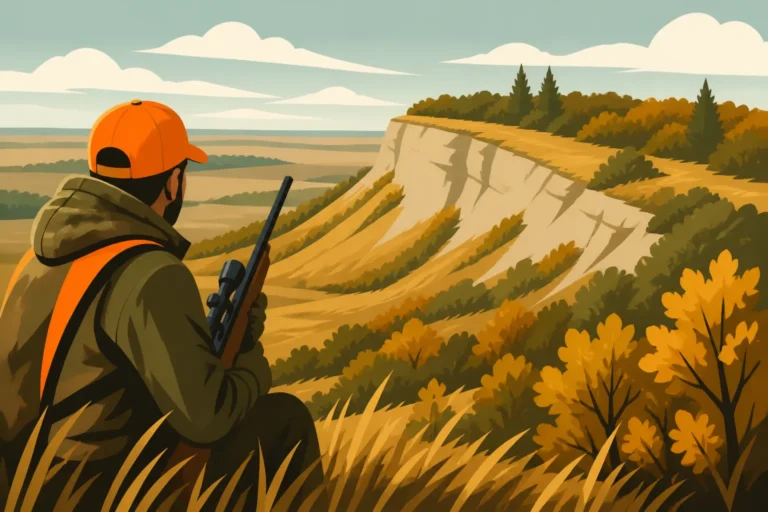
What truly sets the Quill Lakes area apart for big game is its location right in the transition zone between Saskatchewan's southern prairie and the northern aspen parkland. You don't get the vast, unbroken stretches of bush like in the boreal forest, nor do you only find wide-open prairie. Instead, you have a mosaic. Imagine rolling fields of canola, wheat, and barley interspersed with significant bluffs of aspen, often ringed by dense willow thickets, and deep, brushy coulees.
These bluffs and willow runs act as critical cover and travel corridors for deer and moose, offering refuge from the elements and hiding spots in an otherwise agricultural landscape. It’s in these fringes that you’ll often find some of the biggest animals. Understanding how to hunt these transition zones is crucial. Learning to scout these areas effectively, perhaps even utilizing satellite imagery tools like GoHunt, can reveal those hidden bluffs and pinch points that are otherwise invisible from the road. This landscape demands a different approach than purely open prairie, requiring hunters to focus on finding those "islands" of cover and understanding how game animals move between them and the abundant food sources in the fields.
Top Game Species and How to Find Them
The Quill Lakes region is a hunter's paradise, offering a diverse bag of opportunities for both big game and migratory birds. Knowing what to target and where to focus your efforts can make all the difference in turning a scouting trip into a successful hunt.
Whitetail Deer: Adapting to Farm and Bush
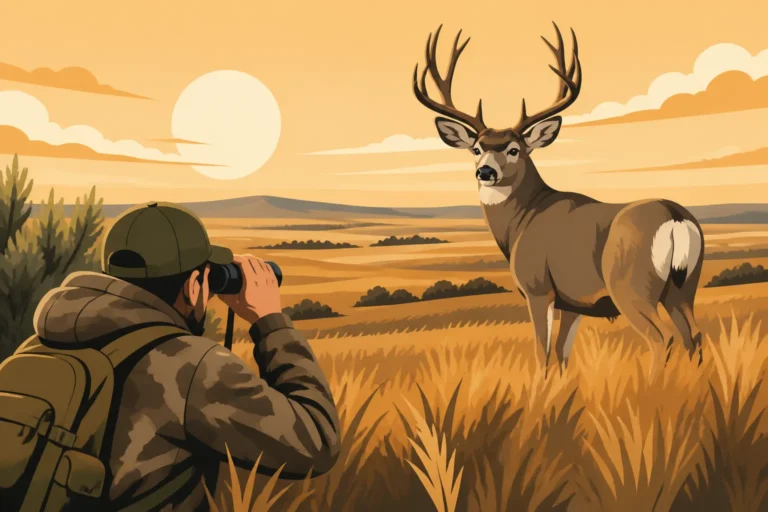
Saskatchewan is famous for its whitetail deer, and the Quill Lakes area is no exception. While perhaps not as densely treed as the far northern forest fringe, the whitetails here thrive on the rich agricultural crops and find ample cover in the numerous aspen bluffs, willow bottoms, and deep coulees that dissect the farmlands. These deer grow big, both in body and antler, thanks to the readily available high-energy forage.
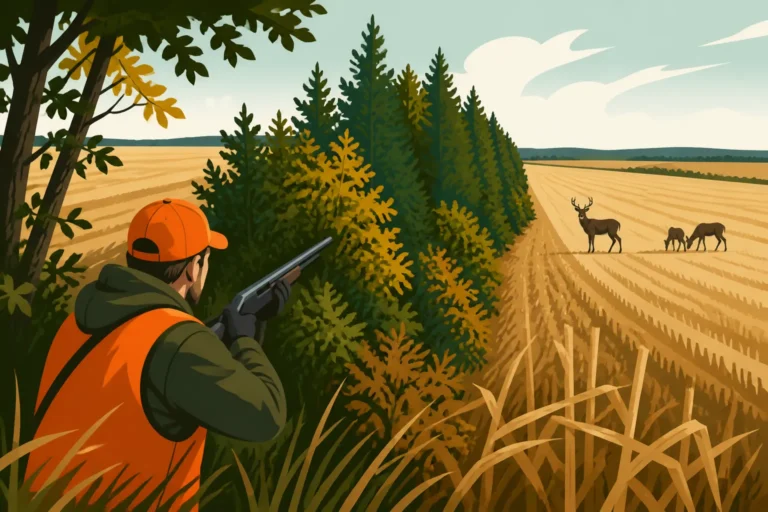
When hunting whitetails here, focus your efforts on the edges of standing or swathed grain fields, particularly those bordering thicker cover. Deer will often bed deep in these bluffs during the day and emerge in the evenings and early mornings to feed. Look for well-worn trails leading from cover into the fields. During the rut in November, bucks will be actively cruising these edges and thicker pockets, scent checking for does. This is a prime time for tactics like Rattling and Calling Farmland Whitetails. Don't overlook the smaller, isolated bluffs or even large willow rings around potholes; these can often hold a surprise buck, especially if they provide visual screening from roads. Remember that deer movement can be highly localized, so extensive scouting, both on foot and with optics, is essential. Knowing Hunting a Willow Run for Whitetails can be a game-changer in this environment.
Moose: Expanding into Farmland Territories
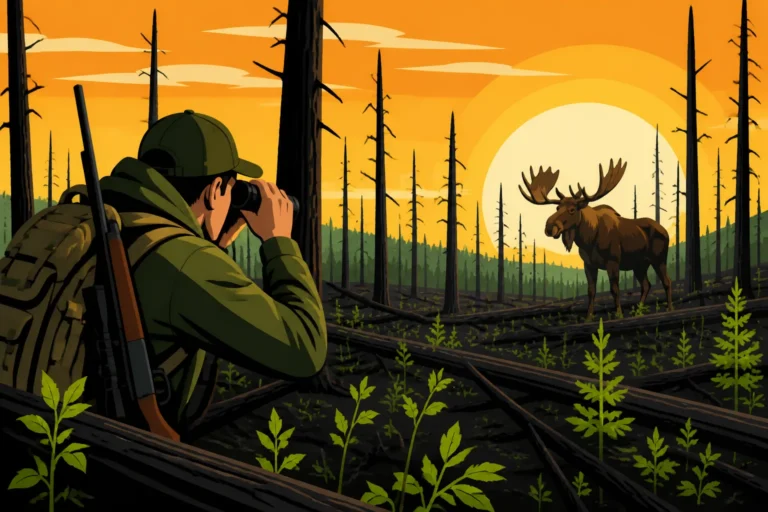
Moose in Saskatchewan aren't just found in the deep boreal forest anymore. Over the last few decades, they've been steadily expanding their range south, and the Quill Lakes region now offers surprising opportunities for moose hunters. These farmland moose tend to be exceptionally large-bodied, thanks to the abundant and nutritious agricultural crops. They find their cover in the densest bush pockets, river drainages, and even substantial slough complexes.
Hunting moose in this region often means focusing on those significant blocks of cover that offer both feed and security. Large willow and aspen bluffs, especially those connected to water sources or riparian areas, are prime spots. Moose are creatures of habit, and they'll often utilize the same travel corridors. Early mornings and late evenings are key, as moose will move from thick cover to feed in adjacent fields. Unlike whitetails, moose can be incredibly stealthy for their size, so moving slowly and glassing thoroughly into heavy cover is critical. Applying techniques like Hunting Farmland Moose in Saskatchewan can significantly increase your odds. Remember that specific zones in this area may require a draw for moose, so check the regulations carefully.
Waterfowl: The Feathered Spectacle
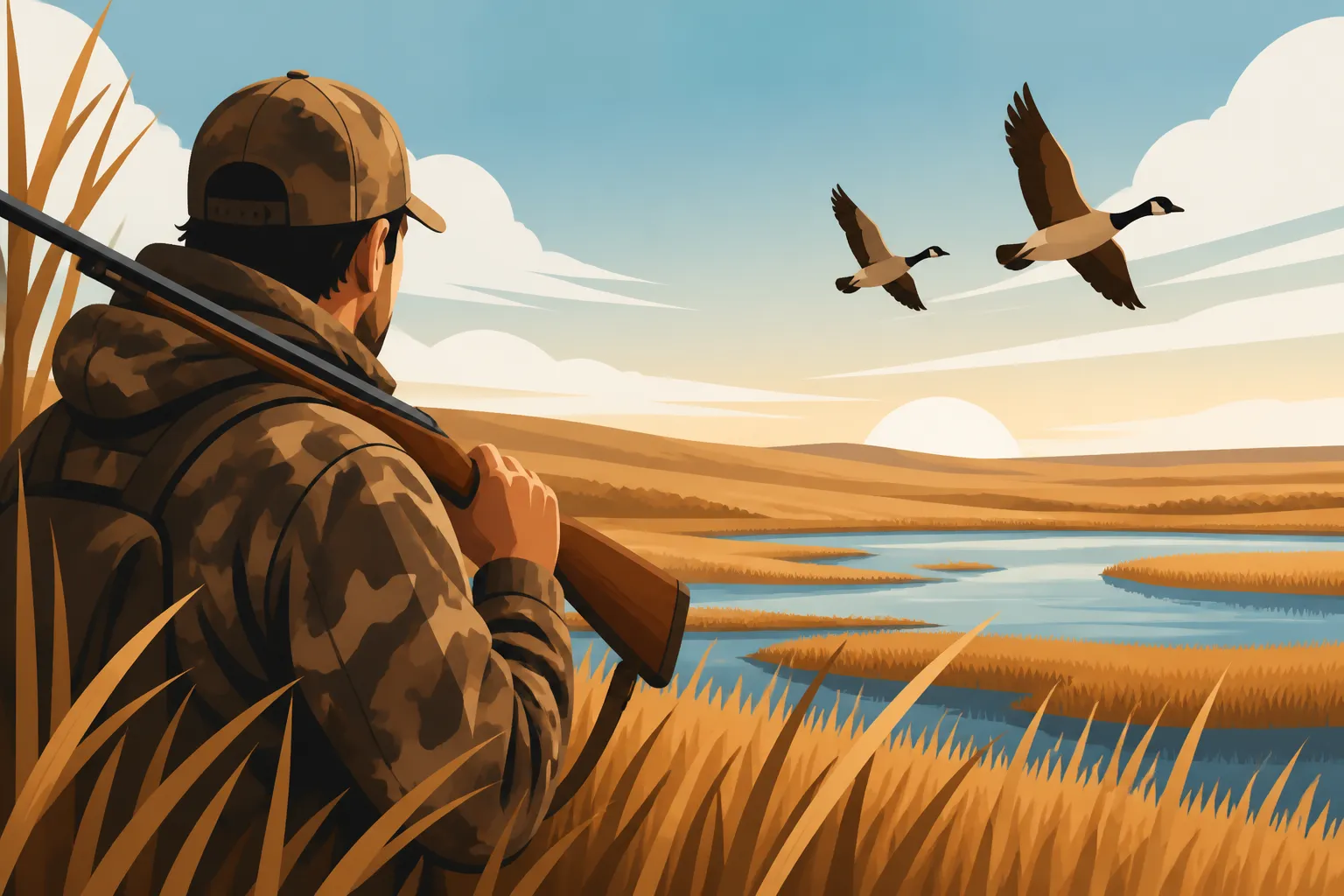
If there's one thing the Quill Lakes are world-renowned for, it's waterfowl. The sheer number of ducks and geese that stage here during the fall migration is simply astounding. Hunters come from all over for the opportunity to experience incredible field hunting for Canada geese, snow geese, and various duck species. The vast grain fields surrounding the lakes provide an endless buffet for these birds, and the lakes themselves offer safe roosting and resting areas.
Success in waterfowl hunting here hinges on diligent scouting. You need to identify which specific fields the birds are using and obtain permission from landowners. Look for fields with fresh stubble, particularly those that have been recently swathed or harvested, as these are often preferred by geese. Ducks will also utilize grain fields but are frequently found on smaller potholes and sloughs, especially for morning feeds. Setting up large decoy spreads and using quality blinds are key. Early season often offers fantastic duck hunting, while later into the fall, the goose hunting truly shines. Being ready for diverse weather conditions, from warm sunny days to crisp, frosty mornings, is part of the challenge and the fun. Remember to adhere to all Non-Toxic Shot for Saskatchewan Waterfowl regulations.
Quill Lakes Region Game Species Overview
| Species | Primary Habitat | Hunting Focus | Key Considerations |
|---|---|---|---|
| Whitetail Deer | Aspen bluffs, willow thickets, field edges | Travel corridors between cover and fields, rut activity | Abundant food leads to large animals; intense scouting needed for access and sign |
| Moose | Dense bush pockets, river bottoms, large sloughs | Isolated heavy cover near croplands | Often found in surprising farmland locations; draw tag typically required |
| Canada Geese | Grain fields, lake shores | Field feeding patterns, large decoy spreads | Requires extensive scouting and landowner permission |
| Snow Geese | Grain fields, Quill Lake shores | Identifying major flight paths, massive decoy spreads | Highly mobile and abundant; specific tactics for large flocks |
| Ducks | Potholes, sloughs, harvested grain fields | Water bodies, morning/evening field feeds | Excellent early season opportunities; jump-shooting or decoy setups |
| Sandhill Cranes | Harvested grain fields, shallow wetlands | Field feeding patterns, unique calling techniques | Seasonally available, check specific regulations; distinct hunting experience |
| Sharp-tailed Grouse | Native grasslands, pasture fringes | Walking up birds, focused on cover near food | Found in remnant prairie and grass; good for upland bird enthusiasts |
Navigating Access and Regulations in the Quill Lakes Area
Hunting in Saskatchewan, especially in a popular and diverse region like the Quill Lakes, requires a solid understanding of land access rules and local regulations. It's not always as straightforward as heading into a national forest, but with a bit of homework, you can find fantastic opportunities.
Understanding Land Ownership and Permission
Saskatchewan is predominantly private land, meaning you'll need to gain permission from landowners before hunting. This is a critical step and one that cannot be skipped. Many hunters find success by simply Knocking on Doors in Saskatchewan Farm Country well in advance of their hunt. Being polite, respectful, and offering to share some game or help with chores can go a long way in building relationships. Farm families are often receptive to hunters who show respect for their land and livelihood.
While private land dominates, there are also parcels of Crown Land, including Wildlife Management Zones (WMZs) and Fish and Wildlife Development Fund (FWDF) lands. These areas are open to public hunting, but they can be scattered and often smaller in size within the Quill Lakes region compared to other parts of the province. Utilizing mapping tools, such as the GoHunt app or Saskatchewan's own iSportsman platform, can be incredibly helpful for identifying these public parcels. Always ensure you have a clear understanding of boundaries before you step onto any land. Getting a clear idea by Reading a Saskatchewan WMZ Map Before You Go is essential.
Key Regulations and Licensing
Before you even think about setting foot in the field, ensure all your licensing and permits are in order. All hunters in Saskatchewan require a valid hunting license for the specific species they are pursuing, as well as a Wildlife Habitat Certificate. For migratory birds, you'll also need a federal Migratory Game Bird Hunting Permit and a Canadian Wildlife Habitat Conservation Stamp.
The Quill Lakes region falls under various Wildlife Management Zones (WMZs), and each zone can have different season dates, bag limits, and specific regulations for different species. For example, specific zones might have "buck-only" regulations for whitetails or require a draw for moose. It's your responsibility to be intimately familiar with the Saskatchewan Hunters' and Trappers' Guide for the current year. Pay close attention to blaze orange requirements, legal shooting hours, and any restrictions on baiting or vehicle use. For non-residents, remember that you must utilize the services of a licensed outfitter to hunt big game in Saskatchewan, though bird hunting rules differ. Always tag your animal immediately upon kill to validate your license correctly.
Tips for a Successful Hunt Around the Quill Lakes
Hunting in the Quill Lakes region can be incredibly rewarding, but it requires preparation, perseverance, and respect for both the land and its wildlife. Here are some actionable tips to help you maximize your chances of success.
Mastering the Art of Scouting and Observation
Scouting is paramount in the Quill Lakes area, perhaps more so than in heavily forested regions. Because cover is often fragmented, animals can be highly concentrated in specific areas. Start your scouting long before opening day, even in the off-season. Use optics extensively – good binoculars and a spotting scope are indispensable. Spend hours glassing distant bluffs, field edges, and coulee systems from elevated positions or public road allowances.
Pay close attention to fresh tracks, rubs, scrapes, and feeding sign. For waterfowl, scout fields in the evenings to observe flight patterns and identify where birds are feeding and staging. Tools like GoHunt can layer satellite imagery over land ownership maps, helping you pinpoint potential hotspots and plan your approach while avoiding private land incursions. Don't be afraid to put boots on the ground in public areas or after securing permission, walking through bluffs and along slough edges to truly understand how animals are using the terrain. Remember that game movements can change rapidly, especially with weather or harvest patterns, so continuous scouting right up to your hunt date is a huge advantage.
Adapting to Weather and Terrain
Saskatchewan weather is famously unpredictable, and the Quill Lakes region is no exception. Early fall hunts can be warm and dry, leading to dusty conditions and late animal movement. Later in the season, you can face extreme cold, heavy snow, and strong winds. Being prepared for everything is crucial. Layer your clothing appropriately, investing in high-quality outerwear that provides warmth without bulk and protects against wind and moisture. Warm boots and hand warmers are essential for those long stands in cold weather, especially if you're Hunting Whitetails at Thirty Below.
The terrain itself demands versatility. You might be walking endless stubble fields for geese, navigating dense willow thickets for whitetails, or carefully stalking a coulee for moose. Comfortable, waterproof boots with good ankle support are a must. A reliable 4×4 vehicle is highly recommended, as grid roads can quickly become impassable with rain or snow, and you might need to get off the beaten path to access certain areas. Always carry a winter survival kit if hunting late season, including extra food, water, blankets, and recovery gear. If you do get into trouble, knowing What to Do If You Get Stuck in the Bush could be a lifesaver.
Respecting Landowners and the Resource
This is perhaps the most important tip of all. The vast majority of hunting in the Quill Lakes region happens on private land, and the generosity of landowners is the lifeblood of these opportunities. Always ask permission, respect their property, close gates, drive on existing trails, and leave no trace. Consider offering to help with a small chore or bringing a token of appreciation. A positive relationship with a landowner can open doors to years of fantastic hunting.
Beyond landowners, always practice ethical hunting. Make clean shots, track wounded animals diligently, and ensure you properly field dress and care for your game. Meat Care in Saskatchewan's Cold Snaps is especially important to ensure your hard-won harvest doesn't spoil. Respecting legal limits, shooting hours, and all other regulations ensures that the incredible hunting opportunities in the Quill Lakes region remain vibrant for future generations.
Disclaimer
Please note that hunting regulations, seasons, and access rules can change frequently. Always consult the most current Saskatchewan Hunters' and Trappers' Guide and federal migratory bird regulations before planning any hunt. This information is provided for general guidance and educational purposes only.