Which Saskatchewan Zones Require CWD Testing
It’s a truly exhilarating feeling when you finally connect with that big Saskatchewan whitetail or majestic moose. But once the harvest is done, many hunters feel a new kind of pressure: navigating all the regulations, especially when it comes to Chronic Wasting Disease (CWD). The requirements can feel confusing and overwhelming, leaving you wondering which zones apply to you and what steps you actually need to take. This guide is here to simplify that process, walking you through which Saskatchewan zones require mandatory CWD testing and outlining exactly what you need to do to comply.
Understanding Chronic Wasting Disease and Its Impact on Hunting
First off, let’s talk about CWD itself. This isn't just some abstract regulation; it's a serious neurological disease that affects cervids – deer, elk, moose, and caribou. It's caused by abnormal proteins called prions, which slowly damage the brain and nervous system of infected animals, eventually leading to death. The scariest part? It's always fatal, and there’s no known cure or vaccine.
The frustrating reality is that CWD has been present in Saskatchewan for a while now. While initially more prevalent in the southern prairie and parkland regions, we've seen it spreading over the years. This means hunters are on the front lines, playing a crucial role in monitoring its spread and managing herd health. It's not just about protecting our deer and moose populations; it's also about ensuring the safety of the meat we bring home to our families. Although there's no confirmed case of CWD jumping to humans, health agencies like Health Canada and the World Health Organization recommend against consuming meat from animals that have tested positive. This is why testing is so vital – it provides peace of mind and helps us make informed decisions.
Why CWD Testing Matters to Hunters
For many of us, hunting is a deep connection to the land and a way to provide healthy, organic food. CWD throws a wrench into that, creating an extra layer of responsibility. When you harvest an animal, you want to be confident that the meat is safe. Mandatory testing in specific areas is designed to help wildlife officials track the disease's prevalence and distribution, which in turn helps manage future hunting seasons and strategies.
Think about it: if CWD goes unchecked, it could severely impact our beloved deer and moose populations over time, potentially leading to reduced hunting opportunities or even population declines. By participating in CWD surveillance, hunters contribute directly to the long-term health of Saskatchewan's wildlife. It's an extra step, yes, but it’s a necessary one that shows our commitment to conservation and ethical hunting practices. When we submit samples, we're not just following a rule; we're providing critical data that informs the Ministry of Environment’s decisions on Saskatchewan's CWD Testing Rules and overall wildlife management.
Identifying Saskatchewan's Mandatory CWD Testing Zones
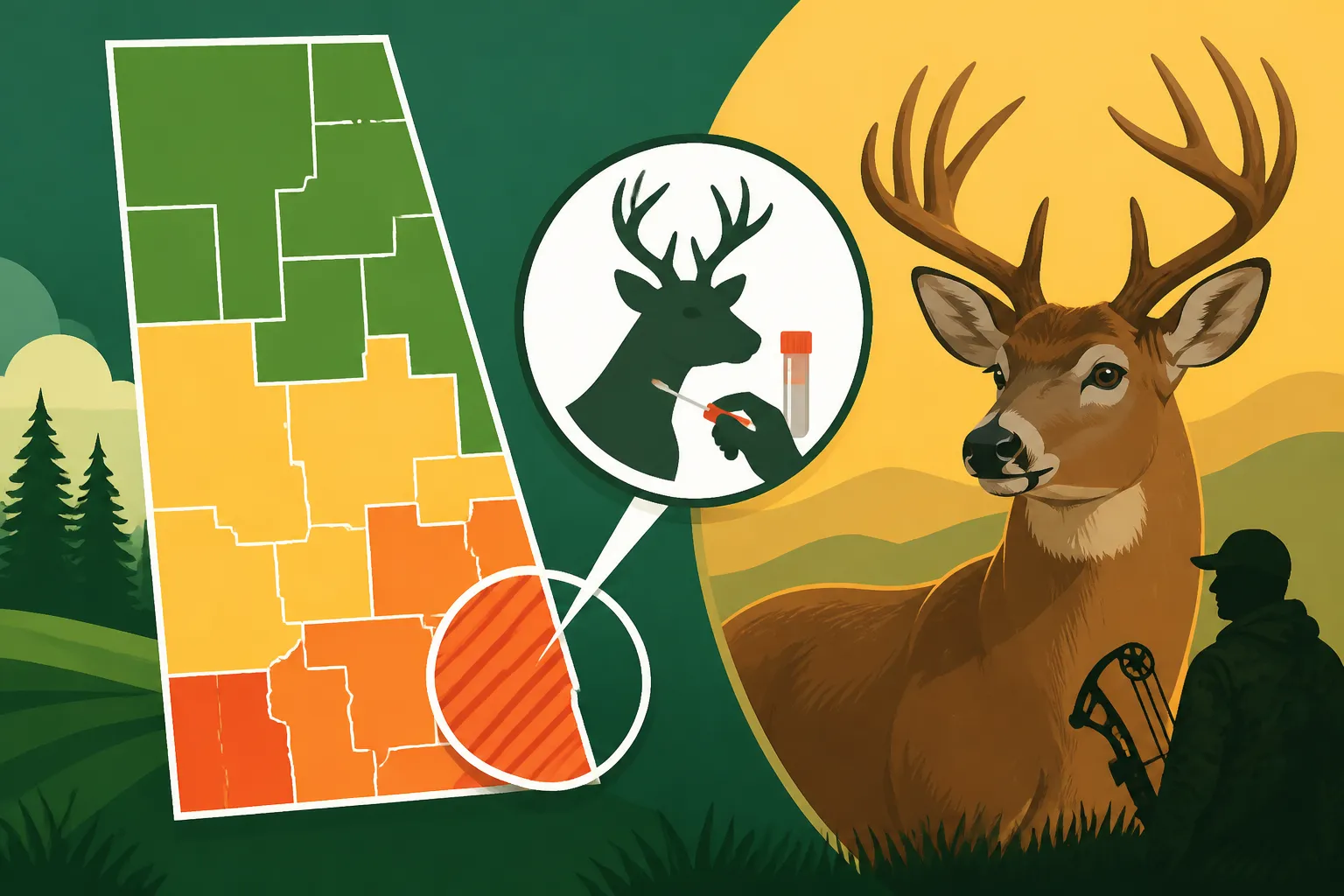
Now, to the core question: which zones require CWD testing? The Saskatchewan Ministry of Environment designates specific Wildlife Management Zones (WMZs) as mandatory CWD testing zones each year. These zones are typically identified due to historical CWD prevalence, new detections, or their proximity to other affected areas, making them critical for monitoring the disease's spread. It's really important to remember that these zones can change annually, so always double-check the most current Saskatchewan Hunters' and Trappers' Guide before you head out.
For the 2023-2024 hunting season, hunters who successfully harvest a cervid (white-tailed deer, mule deer, moose, or elk) in the following WMZs are required to submit the head for CWD testing:
Mandatory CWD Submission Zones (2023-2024 Season):
| Species | Wildlife Management Zones |
|---|---|
| White-tailed Deer | 2W, 3E, 9, 10, 15, 16, 17, 18, 19, 20, 21, 22, 23, 24, 25, 26, 27, 28, 29, 30, 31, 32, 33, 34, 35, 36, 37, 38, 39, 40, 41, 42, 43, 44, 45, 46, 47, 48, 49, 50, 51, 52, 53, 54, 55, 56, 57, 58, 59, 60, 61, 62, 63, 64, 65, 66, 67, 68, 69, 70, 71, 72, 73, 74, 75, 76, 77, 78, 79 |
| Mule Deer | 2W, 3E, 9, 10, 15, 16, 17, 18, 19, 20, 21, 22, 23, 24, 25, 26, 27, 28, 29, 30, 31, 32, 33, 34, 35, 36, 37, 38, 39, 40, 41, 42, 43, 44, 45, 46, 47, 48, 49, 50, 51, 52, 53, 54, 55, 56, 57, 58, 59, 60, 61, 62, 63, 64, 65, 66, 67, 68, 69, 70, 71, 72, 73, 74, 75, 76, 77, 78, 79 |
| Moose | 2W, 3E, 9, 10, 15, 16, 17, 18, 19, 20, 21, 22, 23, 24, 25, 26, 27, 28, 29, 30, 31, 32, 33, 34, 35, 36, 37, 38, 39, 40, 41, 42, 43, 44, 45, 46, 47, 48, 49, 50, 51, 52, 53, 54, 55, 56, 57, 58, 59, 60, 61, 62, 63, 64, 65, 66, 67, 68, 69, 70, 71, 72, 73, 74, 75, 76, 77, 78, 79 |
| Elk | 2W, 3E, 9, 10, 15, 16, 17, 18, 19, 20, 21, 22, 23, 24, 25, 26, 27, 28, 29, 30, 31, 32, 33, 34, 35, 36, 37, 38, 39, 40, 41, 42, 43, 44, 45, 46, 47, 48, 49, 50, 51, 52, 53, 54, 55, 56, 57, 58, 59, 60, 61, 62, 63, 64, 65, 66, 67, 68, 69, 70, 71, 72, 73, 74, 75, 76, 77, 78, 79 |
Note: WMZ 2W and 3E are specific for white-tailed deer and mule deer. All other listed zones apply to all four species if harvested there. Always refer to the official Ministry of Environment guide for the most up-to-date and complete list.
As you can see, the list of zones is quite extensive, covering a huge portion of the province from the prairies up into the forest fringe. It's easy to look at that long list and feel a bit overwhelmed. This is where tools like GoHunt, or simply taking the time to truly understand your Reading a Saskatchewan WMZ Map Before You Go, become indispensable. Knowing your WMZ before you even pull the trigger is paramount.
Why These Specific Zones?
The selection of these zones isn't arbitrary. It's based on scientific surveillance data gathered over many years. Areas with a higher incidence of CWD, or those that serve as key migration corridors where the disease could spread to new regions, are prioritized for mandatory testing. For example, some of the zones in the south and central regions have shown How CWD Spread Across Saskatchewan Zones for quite some time, making ongoing monitoring essential. Meanwhile, zones further north might be included if CWD is detected creeping into new territories or if they border areas where it's already established.
The goal is to get a representative sample of animals from across the landscape, giving wildlife biologists the best possible picture of the disease's distribution and prevalence. This proactive approach helps predict potential future spread and allows for targeted management strategies. Without consistent hunter participation in these designated zones, it would be incredibly difficult for the province to keep tabs on this insidious disease.
The CWD Head Submission Process for Hunters
Once you've harvested an animal in a mandatory testing zone, the next step is submitting the head for testing. It’s a pretty straightforward process, but there are a few key details that you absolutely need to get right to ensure your sample is accepted and processed correctly. Missing a step could mean your effort goes to waste, or worse, leads to a compliance issue.
Preparing and Submitting the Head
The first thing to do after a successful harvest is to properly prepare the head. You’ll need to remove it from the carcass at the neck, making sure to leave at least four inches of neck attached to the head. This ensures that the obex, a small part of the brainstem that’s crucial for CWD testing, is present in the sample. If you’re not sure about the exact cut, there are plenty of resources online that demonstrate it clearly.
Next, you need to keep the head cool, ideally refrigerated or frozen, especially if there's a delay before submission. Freezing is perfectly fine if you can't get it in immediately. You'll also need to attach your valid hunting licence number to the head. This could be done with a tag, permanent marker, or any secure method that won't get lost. The Ministry typically has specific CWD submission forms available online or at submission locations that you’ll need to fill out. These forms capture vital information like the WMZ where the animal was harvested, the date of harvest, and your contact details so they can get back to you with the results.
The CWD Head Submission Deadline is usually quite firm, often extending a few days or weeks beyond the end of the hunting season, but it's best to submit as soon as possible. Delaying can result in a missed opportunity for valuable data collection, and it creates a backlog for the labs. You can find official drop-off locations, including designated freezer depots and Ministry of Environment offices, by checking Where to Drop a Head for CWD Testing on the provincial government website. Don't just show up to any office; make sure it's an official drop-off point, as not all locations are equipped to handle samples.
Receiving Your Results
After you’ve submitted your sample, the waiting game begins. It usually takes several weeks for results to be processed and posted online. The Ministry provides an online portal where you can check Getting Your Saskatchewan CWD Result using your CWD sample number. This is typically a unique identifier given to you at the time of submission.
If your animal tests positive for CWD, you will be notified directly by the Ministry. This can be heartbreaking news, especially after all the effort you put into your hunt. While the decision of Whether CWD Meat Is Safe to Eat is a personal one, based on current scientific understanding, public health agencies recommend against consuming meat from CWD-positive animals. The Ministry will also advise you on What to Do With a Positive Result, which generally involves specific carcass disposal guidelines to prevent further environmental contamination. This often means burying the carcass on the kill site or taking it to an approved landfill, rather than simply leaving it in the field where scavengers could spread the prions.
Beyond Mandatory Zones: Voluntary Testing and Best Practices
Even if you hunt outside of one of the designated mandatory testing zones, the Ministry of Environment strongly encourages voluntary CWD testing. This proactive approach greatly assists in understanding the disease's overall spread throughout the province and helps ensure the health of all Saskatchewan's CWD Positive Numbers are accurately reflected, not just in hotspots. If you harvest an animal in a non-mandatory zone and are concerned, or simply want the peace of mind, collecting and submitting a sample is a responsible choice.
You’d follow essentially the same procedure for preparing and submitting the head as you would for a mandatory zone. Just be sure to indicate on the submission form that it's a voluntary submission. This kind of participation from hunters is invaluable. It’s a testament to the community’s commitment to wildlife stewardship and helps gather data from areas that might not yet be on the mandatory list but could potentially have a low, undetected level of the disease. Remember, the more samples collected across wider areas, the clearer the picture wildlife managers get of How Many Saskatchewan Zones Have CWD and the most effective ways to combat it.
Best Practices for Minimizing CWD Spread
Beyond testing, there are other critical steps hunters can take to help minimize the spread of CWD. One of the most important is proper carcass disposal. If you’re butchering your animal in the field, which is often done, especially during Meat Care in Saskatchewan's Cold Snaps, try to leave the "high-risk" parts (brain, spinal cord, eyes, spleen, lymph nodes) at the kill site. These parts contain the highest concentration of prions.
If you transport your carcass, be mindful of Moving a Carcass Between Zones. There are often regulations about transporting certain parts across WMZ boundaries, especially from mandatory testing zones to non-mandatory ones, to prevent spreading the disease. Always debone your meat if possible, and leave the skull plate and antlers attached for evidence of sex and species as required by regulation, but dispose of the brain and spinal cord properly. Don't discard these high-risk materials in ditches, waterways, or anywhere they could be accessed by other cervids or scavengers. Tools like GoHunt can help you visualize WMZ boundaries, aiding in informed decisions about carcass transport.
Finally, practicing good hygiene is crucial. Always wear gloves when field dressing, and thoroughly clean and disinfect your knives, saws, and processing equipment with a 3% bleach solution after handling any cervid carcass. This applies to your vehicle and any surfaces that came into contact with the animal as well. These simple steps go a long way in protecting both yourself and our precious Saskatchewan wildlife.
Disclaimer
The information provided in this article is for general guidance only and is based on the 2023-2024 Saskatchewan hunting regulations. Hunting regulations, including CWD testing requirements and designated zones, can change annually. It is the responsibility of every hunter to consult the most current Saskatchewan Hunters' and Trappers' Guide, published by the Ministry of Environment, and other official provincial resources before hunting. Always ensure you are fully aware of and comply with all applicable laws and regulations.