The Federal Migratory Game Bird Permit
It's easy to get tangled up in all the different licenses and permits required for hunting in Saskatchewan, especially when you're trying to figure out what applies federally versus provincially for migratory birds. Many hunters scratch their heads, wondering if their provincial game bird license is enough or if there's another hoop to jump through. This comprehensive guide is here to clear the air, breaking down everything you need to know about the Federal Migratory Game Bird Permit, an absolute must-have for anyone planning to hunt ducks, geese, or other migratory game birds in Saskatchewan.
Understanding the Federal Migratory Game Bird Permit: Why It Matters to Every Hunter
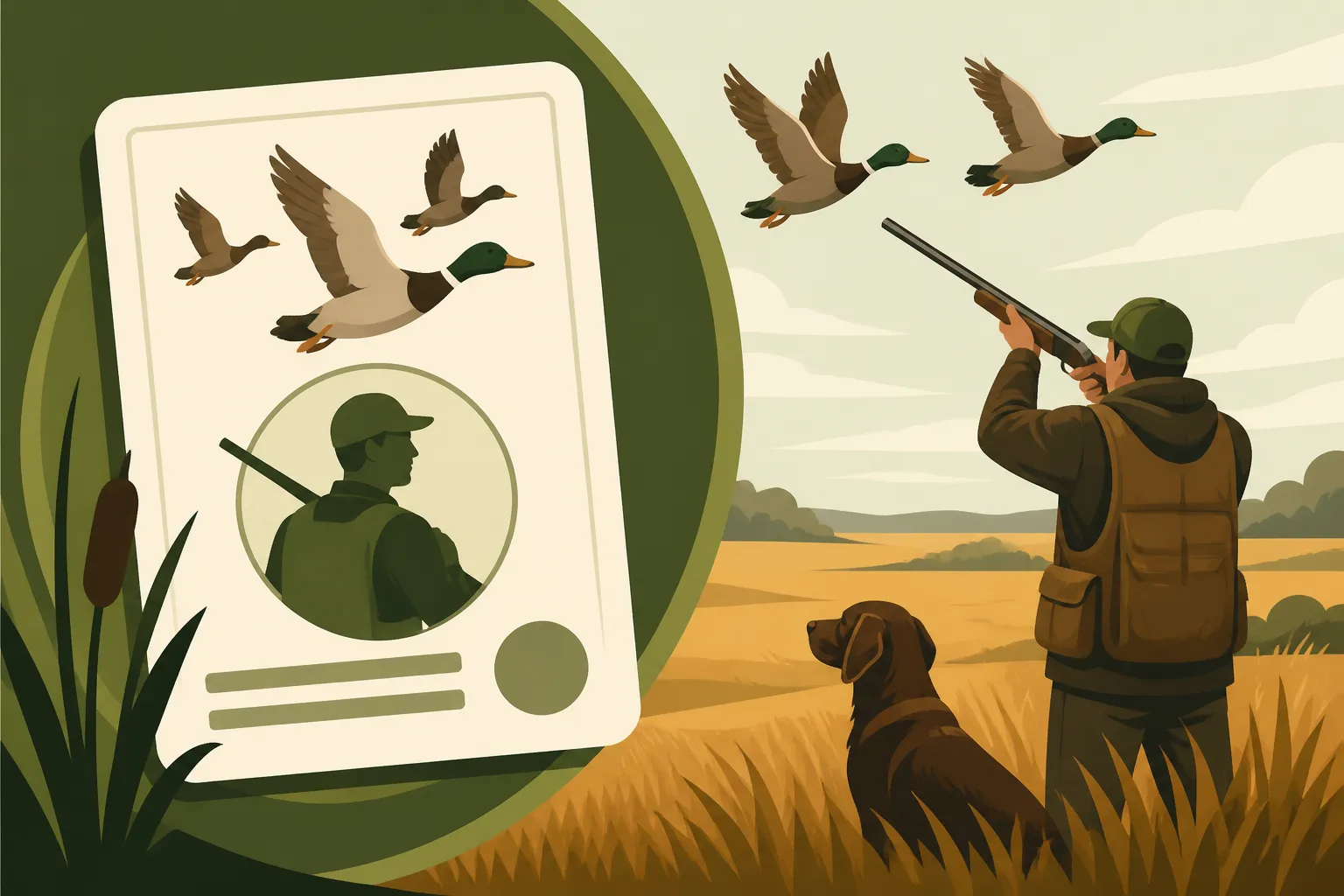
When you’re gearing up for a waterfowl hunt in Saskatchewan, it’s not enough to just have your provincial game bird license in hand. There's a crucial federal layer of regulation that often catches new hunters, and even some seasoned ones, by surprise. The Federal Migratory Game Bird Permit is more than just another piece of paper; it’s a cornerstone of migratory bird conservation across North America, stemming from international treaties designed to protect these incredible birds as they travel vast distances. Without it, you’re simply not legal to hunt ducks, geese, coots, or snipe in Canada, regardless of what provincial licenses you hold. This permit ensures that hunters are contributing to a unified conservation effort that transcends provincial and national borders.
The Dual Licensing System: Federal and Provincial Roles
Navigating the regulations for migratory game birds can feel like threading a needle, thanks to the dual licensing system in Canada. On one hand, you have your provincial license, which governs general hunting activities within Saskatchewan, covers upland birds, and specifies bag limits and season dates for non-migratory species. On the other hand, the Federal Migratory Game Bird Permit, issued by Environment and Climate Change Canada (ECCC), is specifically for species that migrate across provincial and international boundaries. Think of it this way: the federal permit grants you the right to hunt these specific birds anywhere in Canada, while your Saskatchewan game bird license dictates where and when you can hunt them within the province, along with local bag limits and specific rules. Both are absolutely non-negotiable for anyone looking to hunt waterfowl or other migratory species. For instance, while your provincial license might cover upland birds like sharp-tailed grouse, it won't allow you to shoot a Canada Goose without that federal permit.
What Species Are Covered and Why It's Crucial
The Federal Migratory Game Bird Permit specifically covers a range of species that are considered migratory game birds under Canadian law. This primarily includes all species of ducks and geese, as well as American coots, common snipe, and sandhill cranes. It’s important to note that birds like wild turkeys, pheasants, and various grouse species are not covered by this federal permit, as they are managed under provincial jurisdiction as upland birds. The rationale behind federal oversight for these species is rooted in their migratory patterns; they don't respect provincial or international borders, making a coordinated conservation strategy essential. Funds generated from the sale of these permits directly support habitat conservation efforts across the country, benefiting the very birds hunters pursue. Understanding which species fall under this permit is crucial to avoid accidental violations and to ensure you’re legally equipped for your target quarry. You can find detailed breakdowns of these regulations in resources like the annual hunting guide.
Acquiring Your Federal Migratory Game Bird Permit in Saskatchewan
Getting your Federal Migratory Game Bird Permit is a relatively straightforward process, but it’s one that often gets overlooked in the rush to secure provincial licenses and gear up for the season. For Saskatchewan hunters, it’s an annual requirement, and thankfully, the process has become quite accessible, primarily through online channels. Taking care of this early ensures you're ready to hit the fields and marshes as soon as the seasons open. It's a small but significant step that underpins your legal right to hunt migratory birds.
Navigating the Online Application and Purchase Process
The most convenient way to purchase your Federal Migratory Game Bird Permit is through the Environment and Climate Change Canada (ECCC) online portal. This digital storefront allows you to quickly and efficiently secure your permit from the comfort of your home. You'll typically need to provide your full name, address, and an active email address. Critically, you will also need to have your provincial Saskatchewan hunting license number readily available, as the federal system often verifies this information. The cost is standard across Canada, and payment is usually made by credit card. Once purchased, you'll receive a digital copy of your permit, which you can print and carry with you, or save to your mobile device. Just remember, while the digital option is handy, ensure your device has enough battery or you have a physical backup, especially when out in remote areas where cell service is spotty. It’s imperative to complete this step before you ever step foot into a field or marsh targeting ducks or geese.
The Mandatory Habitat Conservation Stamp Explained
Integral to the Federal Migratory Game Bird Permit is the Canadian Wildlife Habitat Conservation Stamp. In fact, when you purchase the permit, you are simultaneously purchasing this stamp. This isn't just a pretty picture for collectors; it's a vital funding mechanism for conservation. The revenue generated from the sale of these stamps is directed to the North American Wetlands Conservation Council (Canada), which then distributes funds to various wetland and habitat conservation projects across the country. These projects are critical for maintaining the breeding grounds, staging areas, and migratory corridors that migratory birds rely on. By purchasing your permit, you're directly contributing to the preservation and enhancement of the very habitats that support Saskatchewan's abundant waterfowl populations. It’s a tangible way hunters contribute to the future of the sport and the wildlife they cherish. Understanding The Habitat Conservation Stamp Requirement can deepen your appreciation for this vital contribution.
Federal Regulations Every Migratory Bird Hunter Must Know
Beyond simply holding the permit, hunters are responsible for understanding and adhering to the specific federal regulations that govern migratory game bird hunting. These rules are put in place to ensure fair chase, prevent overharvesting, and protect the broader ecosystem. While provincial rules often define specific season dates and local bag limits, the federal regulations set the overarching framework, and some rules are entirely federal in scope. Failing to comply with these rules can lead to significant penalties, including fines and license suspensions. It's a hunter's duty to stay informed annually, as minor changes can occur.
Key Federal Rules: Non-Toxic Shot, Baiting, and More
One of the most critical federal regulations for migratory game bird hunters in Saskatchewan, and indeed across Canada, is the mandatory use of non-toxic shot. This means steel, bismuth, or other approved non-lead alternatives must be used when hunting migratory birds. The reason is simple: lead shot, when deposited in wetlands, can be ingested by birds, leading to lead poisoning and death. This rule applies to all migratory game birds, including ducks, geese, coots, and snipe. Furthermore, federal regulations strictly prohibit hunting migratory game birds over baited areas. Baiting is defined as placing or scattering feed in an area to attract birds, and hunting over such an area is a serious offense. This includes hunting too close to recent agricultural activities that might be considered baiting. Other federal rules cover areas like shooting hours, which are typically from one-half hour before sunrise to one-half hour after sunset, and the requirement to retrieve all downed birds. These regulations are designed to ensure ethical hunting practices and the long-term sustainability of migratory bird populations. When you're Hunting Field Hunting Geese in Saskatchewan Stubble, always remember these federal stipulations. For more information, check out Non-Toxic Shot Requirements for Waterfowl.
Understanding Your Daily and Possession Limits
While provincial game bird licenses often specify local bag limits, the federal permit ties into a broader structure of daily and possession limits for migratory birds. The federal government, in cooperation with provincial authorities, sets these limits to manage populations effectively. A daily bag limit refers to the maximum number of a particular species or group of species you can harvest in one day. A possession limit is the maximum number of migratory game birds you can have in your possession at any given time, whether fresh, frozen, or otherwise preserved. This includes birds stored at your home, cabin, or in transit. Typically, the possession limit is twice the daily bag limit, but this can vary by species and zone. It's critical to consult the annual Saskatchewan Migratory Game Bird Hunting Regulations summary, published by ECCC, which outlines the specific federal season dates, bag limits, and possession limits for each migratory game bird species within each designated zone in Saskatchewan. Always check the most current regulations before heading out, especially since Saskatchewan Goose Season Dates and Saskatchewan Duck Season Dates can vary year to year.
Special Considerations for Different Hunters and Situations
The world of hunting regulations can be complex, and migratory bird permits are no exception. Different hunter types and situations require specific attention to ensure full compliance. Whether you're an experienced non-resident hunter traveling to Saskatchewan for its world-class waterfowl, or introducing a youth to the joys of bird hunting, understanding these nuances is key.
Non-Resident Hunters: Additional Requirements and What to Expect
If you're a non-resident of Canada planning to hunt migratory game birds in Saskatchewan, you'll find the process involves a few extra layers compared to residents. First and foremost, you absolutely still need the Federal Migratory Game Bird Permit. This is universal for anyone hunting migratory birds in Canada. In addition to that, non-residents must purchase a specific non-resident Saskatchewan migratory game bird license, which has its own cost and set of regulations. Unlike residents, non-residents hunting waterfowl generally need to do so through a licensed outfitter, or with a Canadian resident host. There are restrictions on How Many Days a Non-Resident Bird Hunter Gets, typically bundled into a five-day term. It’s vital to coordinate closely with your outfitter or host to ensure all federal and provincial requirements are met. This includes understanding rules around bringing firearms into Canada and proper game export procedures. Remember, the federal permit is just one piece of the puzzle, albeit a critical one, for non-residents.
Youth and Mentored Hunters: Getting Started Right
Introducing youth to hunting is a rewarding experience, and Saskatchewan offers opportunities for mentored hunting. For young hunters participating in migratory game bird hunting, the rules are designed to ensure safety and responsible introduction to the sport. While specific age requirements for general hunting licenses exist provincially, a youth hunter targeting migratory birds will still need their own Federal Migratory Game Bird Permit. This instills in them early on the importance of conservation and legal compliance. Often, there are special youth hunting days or seasons for migratory birds, which provide excellent opportunities for new hunters to gain experience under the guidance of an experienced mentor. These special seasons are typically announced in the annual federal regulations summary. Mentors play a crucial role in teaching not just shooting skills, but also the ethical responsibilities and regulatory framework, including the necessity of both federal and provincial permits. Getting their own permit helps them understand their role in the larger conservation picture.
Maximizing Your Migratory Bird Hunting Experience
Having your Federal Migratory Game Bird Permit is the essential first step, but truly maximizing your hunting experience in Saskatchewan involves combining that foundational knowledge with practical field skills and a commitment to conservation. It’s about more than just the harvest; it’s about understanding the birds, their habitats, and how you fit into the larger ecosystem.
Combining Federal Permit Knowledge with Local Scouting
Understanding the federal regulations is paramount, but translating that knowledge into successful hunting trips requires local insights and diligent scouting. Federal season dates and bag limits are broad, but local conditions dictate where the birds will be. This means scouting grain fields for goose feeding patterns, identifying pothole locations for ducks, and understanding migration routes. Tools like mapping applications can be invaluable for pinpointing potential hotspots, tracking waterfowl movements, and noting access points. While GoHunt primarily focuses on big game draw odds and mapping, the principles of thorough pre-hunt research and understanding the landscape are universally applicable. Combining your legal permit knowledge with a deep understanding of the local environment, including Reading a Saskatchewan WMZ Map Before You Go and Scouting Fields for Saskatchewan Waterfowl, will dramatically increase your chances of a successful and fulfilling migratory bird hunt.
Contributing to Conservation Beyond the Stamp
While the Habitat Conservation Stamp is a direct financial contribution to migratory bird conservation, your role as a hunter extends far beyond that annual purchase. Ethical hunting practices are a form of conservation in themselves, ensuring that populations remain healthy and sustainable for future generations. This includes responsible shot placement to minimize crippling, diligently retrieving all downed birds, and respecting bag limits. Participating in volunteer clean-up efforts for wetlands, supporting local wildlife federations like the Saskatchewan Wildlife Federation, and advocating for sound conservation policies are all ways to contribute. Additionally, being a good ambassador for hunting means respecting landowners and adhering to local laws, such as Getting Permission for a Goose Field. Every hunter has a part to play in ensuring the health of migratory bird populations and their habitats. This commitment is what truly defines a responsible outdoors person and ensures that future generations can enjoy the thrill of Waterfowl Hunting Saskatchewan's Grain Fields.
Disclaimer
The information provided in this guide is for general informational purposes only and does not constitute legal advice. Hunting regulations, licensing requirements, and season dates are subject to change. It is the sole responsibility of every hunter to consult the most current official Saskatchewan Hunting Guide and Federal Migratory Game Bird Hunting Regulations prior to engaging in any hunting activities. Always ensure you are fully compliant with all federal, provincial, and local laws.