Bow Draw Weight Rules in Saskatchewan
It can be incredibly confusing and even a little frustrating to navigate all the regulations when you're preparing for a Saskatchewan bow hunt. You want to be ethical, effective, and, of course, legal, but sometimes the sheer volume of rules can feel overwhelming. This guide is here to untangle one specific, but critically important, aspect of bowhunting in Saskatchewan: the legal draw weight requirements for your bow, helping you understand not just the "what," but also the "why" behind them.
Understanding Saskatchewan's Bow Draw Weight Requirements
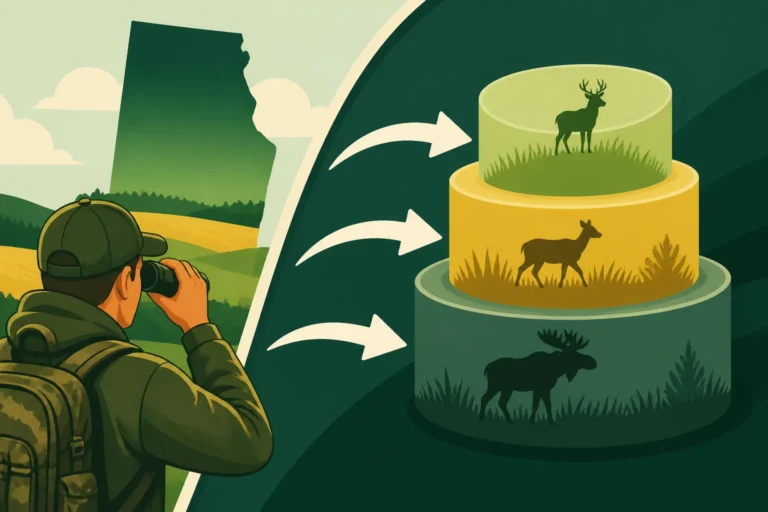
When you're out in the field, whether you're chasing the majestic whitetail or a formidable moose, knowing your gear meets the legal standard isn't just a formality; it's about respecting the animal and ensuring a humane harvest. Saskatchewan has clear guidelines for bowhunters, and draw weight is right at the top of that list. These rules are designed to ensure that hunters are equipped with bows capable of delivering enough kinetic energy to achieve a quick, ethical kill.
The Legal Minimum Draw Weight for Big Game
For any big game animal in Saskatchewan, the legal minimum draw weight for a compound bow, recurve bow, or longbow is 40 pounds. This isn't an arbitrary number; it's a carefully considered threshold. The idea behind this minimum is straightforward: a bow drawing less than 40 pounds generally struggles to generate sufficient kinetic energy to reliably penetrate the hide, muscle, and bone of larger animals, especially if the shot isn't perfectly placed or if there's any external resistance. Imagine putting in all that time scouting and practicing, only to find your setup isn't powerful enough when it matters most. It’s a disheartening thought, and it’s why these rules are in place. The province wants to ensure that every hunter has the best possible chance at a clean, ethical harvest, minimizing suffering for the animal. This legal requirement applies universally to all big game species you might pursue, from deer to bear. Ensuring your bow meets this standard long before your hunt begins is a crucial step in your preparation, right alongside understanding other important aspects like Saskatchewan Hunter Education Requirements.
Distinguishing Requirements for Various Species
One of the great things about Saskatchewan's bowhunting regulations regarding draw weight is their consistency. Unlike some jurisdictions that might have varying minimums based on the specific species—say, a heavier draw for an elk versus a deer—Saskatchewan simplifies things. The 40-pound minimum draw weight applies across the board for all big game animals. This means whether you're hoping to tag a record-book whitetail, an enormous bull moose, or a bruin during Black Bear Hunting in Saskatchewan, your bow needs to be capable of hitting that 40-pound mark. This standardization is a huge benefit for hunters, as it removes much of the guesswork. You don't have to reconfigure your setup every time you switch target species, as long as you're meeting that foundational requirement. Of course, while 40 pounds is the minimum, many experienced hunters opt for a higher draw weight, especially when pursuing larger animals like a full-grown Moose in Saskatchewan's Farmland and Forest, or if they anticipate tougher shots through heavier hide or bone. It's always a good idea to aim for what you can comfortably and accurately shoot, while still exceeding the legal minimum.
Why Draw Weight Matters for Ethical Bowhunting
Beyond just being a legal requirement, understanding draw weight is fundamental to ethical bowhunting. It’s not just about flinging an arrow downrange; it’s about delivering enough energy to ensure a quick, clean kill. No hunter wants to wound an animal and have it suffer or be lost. The science behind draw weight, arrow penetration, and an archer's ability to consistently execute a shot under pressure are all intertwined, forming the backbone of responsible hunting practices.
Kinetic Energy and Arrow Penetration
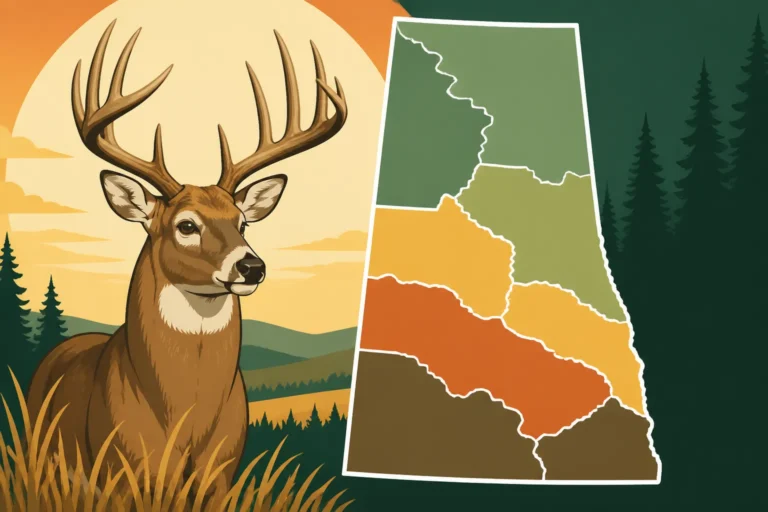
When we talk about kinetic energy in archery, we're discussing the energy of motion that an arrow possesses as it leaves the bow and travels towards its target. Higher draw weights generally translate to faster arrow speeds, which in turn means greater kinetic energy. Why is this so important? Because kinetic energy is directly related to arrow penetration. To achieve a humane kill, your arrow needs to penetrate deep enough to reach vital organs—the heart and lungs. This often means breaking through hide, muscle, and potentially bone. A bow set at the minimum 40 pounds might be sufficient for a perfectly broadside shot on a deer, but if you're aiming for a mature White-Tailed Deer, Saskatchewan's Signature Animal with a thicker hide or an awkward quartering-away angle, that extra kinetic energy from a heavier draw can make all the difference. It dramatically increases the likelihood of a pass-through shot, creating two holes for better blood trailing and a quicker recovery of the animal. This is especially critical when hunting larger, tougher animals or when using fixed-blade broadheads that rely heavily on kinetic energy for optimal performance. You can use tools and apps like those often found on platforms like GoHunt to understand game anatomy better, which then helps you visualize what kind of penetration you need.
Archer's Strength and Form
While the bow's draw weight is a critical factor, it's only one half of the equation. The other, equally important, half is the archer's ability to handle that weight with consistent strength and impeccable form. It's easy to pull back 60 pounds a few times at the archery range when you're rested and calm. But imagine being perched in a tree stand during Hunting Saskatchewan's November Rut, shivering in the cold, after sitting for hours. An adrenaline dump hits as a trophy buck steps out. Can you still draw that 60-pound bow smoothly, hold it steadily at full draw, and execute a clean release without any wobble or struggle? If the answer is no, then your effective draw weight is too high, regardless of what your bow is set to. Shooting a bow that is slightly lighter but allows for perfect form and a stable hold will always result in a more accurate and ethical shot than struggling with a heavier draw. It's about finding that sweet spot where power meets precision. Practicing regularly, especially under conditions similar to those you'll encounter during the Saskatchewan Rifle Season Dates (or rather, archery season in this context, such as When Saskatchewan's Archery Deer Season Runs)—cold weather gear, maybe from a blind, after light exercise—can help you determine your true comfortable and accurate draw weight.
Checking and Adjusting Your Bow's Draw Weight
Once you understand the importance of draw weight, the next step is to ensure your bow is properly set up and maintained. This isn't a "set it and forget it" task; it's something you should regularly check, especially before the season kicks off or if you notice any changes in your shooting comfort or accuracy.
How to Measure Draw Weight Accurately
Knowing your actual draw weight is fundamental. The best way to do this is with a bow scale. These aren't expensive tools, and they're invaluable for any serious bowhunter. To get an accurate reading, attach the bow scale to your bowstring, just as you would attach an arrow nock. Then, slowly and smoothly draw your bow back to your full draw length, letting the scale record the peak weight. It’s crucial to draw it back exactly as you would if you were shooting, ensuring you reach your anchor point and full extension. Repeat this process a few times to get a consistent average. Remember, draw weight can sometimes vary slightly based on temperature or string stretching, so checking it periodically is a good practice. If you find your bow is below the 40-pound minimum for big game in Saskatchewan, you'll need to make adjustments before heading into the field. Sometimes, even if you just swapped out some bow accessories, it’s worth a quick check to ensure everything is still within spec. You can also consult resources on platforms like GoHunt for tips on proper bow setup and maintenance.
Increasing or Decreasing Your Draw Weight Safely
Adjusting your bow's draw weight typically involves turning the limb bolts that secure the limbs to the riser. Most compound bows allow for a range of adjustment, usually around 10-15 pounds. To increase draw weight, you'll tighten these bolts; to decrease, you'll loosen them. However, it’s absolutely critical to do this evenly and in small increments (e.g., half a turn at a time) on both the top and bottom limbs to prevent putting undue stress on the limbs or throwing off your cam timing. Over-loosening the bolts can be dangerous, potentially causing the limbs to detach or suffer damage, so always consult your bow's manual for maximum turns allowed. If you're unsure or need a significant adjustment, taking your bow to a qualified archery pro shop is highly recommended. They have the right tools and expertise to make adjustments safely and then re-check your bow's tune, cam synchronization, and peep sight alignment, all of which can be affected by changes in draw weight. After any adjustment, you’ll also need to re-sight your bow, as the point of impact will surely change. Always make sure your arrows are appropriately spined for your new draw weight and bow combination to ensure optimal flight and accuracy.
Practical Considerations for Saskatchewan Bowhunters
Getting your draw weight right is more than just meeting a legal minimum; it's about preparing your body and your equipment for the challenges of hunting in Saskatchewan's diverse landscapes. From the dense cover of the Hunting Saskatchewan's Forest Fringe to the open expanses of the parkland, effective bowhunting demands physical readiness and a holistic approach to gear.
Training and Conditioning for Heavier Draws
If you're looking to increase your draw weight to gain more kinetic energy, or simply to comfortably handle your current setup through a long season, dedicated training is key. It's not about becoming a bodybuilder, but rather focusing on the specific muscle groups used in archery: your back, shoulders, and core. Incorporate exercises like resistance band pulls, rows, and shoulder presses into your off-season routine. Even simple exercises with light dumbbells can make a big difference. The goal is to build endurance and strength, allowing you to draw your bow smoothly and hold it steady without fatigue. Don't forget to practice drawing your bow repeatedly throughout the week, even if it's just dry firing (with a proper release aid and without an arrow, if your bow allows) or using a tension trainer. When the Hunting Saskatchewan's September Archery Opener arrives, you want to be able to draw your bow confidently, even with cold muscles or after a long stalk. Being physically prepared will significantly enhance your accuracy and, consequently, your chances of an ethical harvest. Many hunters also use scouting platforms like GoHunt to identify potential hunting areas and understand the terrain, which can also help inform your physical preparation needs.
Gear Selection Beyond Draw Weight
While draw weight sets the foundation for power, it's just one piece of the puzzle. An effective bowhunting setup is a harmonious system where every component works together. Your choice of arrow weight is critical; a heavier arrow, even with the same draw weight, will carry more kinetic energy and momentum, translating to better penetration. Consider durable, heavy arrows designed for big game. Then there's the broadhead. Mechanical broadheads open on impact, creating larger wound channels, but they can require more kinetic energy to deploy and penetrate reliably. Fixed-blade broadheads, on the other hand, rely entirely on their sharp edges and your arrow's momentum for penetration, often performing better through bone. For the best chance at a clean kill, especially on larger game, a sharp, durable broadhead that matches your bow's power and your arrow's momentum is paramount. Finally, don't overlook your sights and release aid. A well-tuned sight system helps you place shots accurately, and a smooth, consistent release minimizes torque and improves arrow flight. These elements, combined with sufficient draw weight and a well-practiced shot, form a complete system that maximizes your ethical hunting potential. Looking into Legal Firearms and Bows for Big Game can provide broader context on how various weapon types are regulated.
Here's a quick look at how draw weight and arrow weight can influence kinetic energy (KE) and momentum, which are both vital for ethical penetration:
| Draw Weight (lbs) | Arrow Weight (grains) | Approximate Arrow Speed (FPS) | Approximate Kinetic Energy (ft-lbs) | Approximate Momentum (slug-ft/s) | Recommended for (General) |
|---|---|---|---|---|---|
| 40 | 350 | 240 | 45 | 0.38 | Small deer, antelope |
| 50 | 400 | 260 | 60 | 0.50 | Deer, small bear |
| 60 | 425 | 280 | 74 | 0.59 | Large deer, bear, elk |
| 70 | 450 | 300 | 90 | 0.69 | Large elk, moose, bear |
Note: These values are approximate and depend heavily on bow efficiency, cam design, and string materials.
Disclaimer
Please be aware that hunting regulations, including those concerning bow draw weight, can change. While this guide provides current information, it is always the hunter's responsibility to consult the most recent Saskatchewan hunting regulations guide published by the provincial government before heading into the field. This ensures full compliance with all laws and promotes safe and ethical hunting practices.