Saskatchewan’s Ducks and Geese
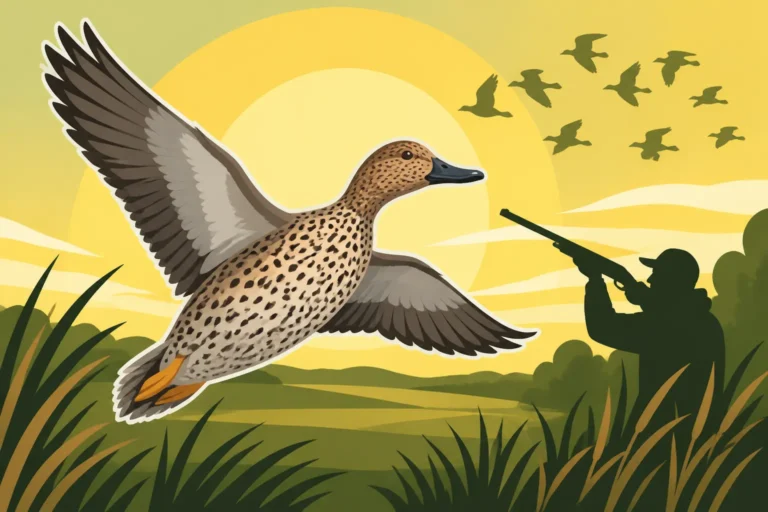
For many hunters, the image of thousands of ducks and geese descending on a golden stubble field or lifting off a prairie pothole is more than just a dream—it's the quintessential Saskatchewan hunting experience. But the reality of successfully hunting these abundant birds often comes with unique frustrations: endless scouting, permission challenges, and the sheer unpredictability of migratory patterns. This comprehensive guide aims to cut through the confusion, providing you with an in-depth look at Saskatchewan's diverse waterfowl species, their habitats, and the strategies you'll need to turn those vivid daydreams into tangible success in the field.
The Waterfowl Mecca: Why Saskatchewan Stands Apart
Saskatchewan isn't just a good place for waterfowl hunting; it's legendary. Mention "Saskatchewan" to a seasoned duck or goose hunter anywhere in North America, and their eyes light up with tales of endless skies filled with birds. This reputation isn't just hype; it's built on a unique combination of geography, agriculture, and migratory patterns that converge to create a truly unparalleled waterfowl experience.
A Landscape Built for Birds
Imagine a landscape dotted with countless small wetlands, glistening under a vast, open sky, surrounded by endless fields of grain. That's Saskatchewan, especially its southern and central regions. These "prairie potholes," a legacy of glacial retreat, act as critical breeding grounds in spring and vital staging areas in fall. These wetlands, numbering in the millions across the Canadian prairies, are the nurseries for a significant portion of North America's duck population. When you add in the vast agricultural lands—wheat, barley, peas, lentils, and canola—that provide an unlimited buffet of high-energy food sources, you have the perfect recipe for attracting and holding massive numbers of waterfowl. The sheer availability of clean water and abundant food makes Saskatchewan an irresistible magnet for ducks and geese throughout their life cycle.
Beyond the potholes, major lakes and sprawling river systems offer safe roosting and loafing areas for birds to rest and digest. These larger bodies of water act as natural highways and sanctuaries, drawing birds from miles around. The balance between small, productive wetlands, rich feeding grounds, and secure resting sites is what truly elevates Saskatchewan to its status as a waterfowl mecca. It’s a complete ecosystem designed by nature and enhanced by agriculture, offering everything a migrating duck or goose could ever want.
The Three Major Flyways Converge
What truly sets Saskatchewan apart is its strategic position at the crossroads of three of North America's four major migratory flyways: the Central, Mississippi, and Pacific flyways. While the Pacific flyway's influence is less pronounced, the Central and Mississippi flyways funnel an incredible volume of birds directly through the province. Think about that for a moment: ducks and geese breeding further north in the boreal forest and tundra, along with those hatched right here on the prairies, all begin their southward journey, and a huge percentage of them pass through, or stage in, Saskatchewan.
This convergence means an astounding diversity of species and sheer numbers of birds that can be overwhelming to witness. Early in the season, you'll see a mix of local birds, often in smaller groups. As fall progresses, the numbers swell dramatically, reaching incredible peaks in late September and October. The sky can literally darken with thousands upon thousands of geese, a spectacle that has to be seen to be believed. This influx of birds brings fresh populations daily, constantly replenishing the hunting grounds, ensuring that even if you have a tough day, new birds are always on their way. It’s this constant flow and sheer volume that makes the Saskatchewan waterfowl experience so utterly unique and why so many hunters return year after year.
A Closer Look at Saskatchewan's Duck Species
While the goose hunting often steals the spotlight, Saskatchewan's duck hunting opportunities are just as spectacular, offering incredible diversity and challenging, fast-paced action. From the iconic greenheads to the less common divers, there’s a duck species for every waterfowler.
The Dabbling Ducks: Puddle Jumpers of the Prairies
Dabbling ducks, often called "puddle ducks," are the bread and butter of prairie duck hunting. They feed by tipping up in shallow water, grazing on vegetation and seeds, or foraging in fields. These are the ducks you'll most commonly encounter in the province's abundant potholes and stubble fields.
Mallards: The king of dabblers, the mallard (or "greenhead" as many affectionately call the drakes) is arguably the most recognized duck in North America, and Saskatchewan holds vast numbers of them. These adaptable birds thrive across the province, nesting in dense cover near water and feeding voraciously on waste grain in agricultural fields. Early in the season, mallards are often found in small family groups on secluded potholes, offering excellent jump-shooting opportunities or small decoy spreads. As the season progresses and temperatures drop, they gather in larger flocks, establishing daily routines between large roosting lakes and feeding in stubble fields. Hunting mallards often involves setting up a spread in a feeding field, hiding in layout blinds, and employing aggressive calling. There's nothing quite like the sight and sound of a flock of mallards committed to your decoys, wings cupped, descending through a crisp Saskatchewan morning sky.
Pintails: Known for their elegant, long necks and the drake's distinctive "pin" tail feather, pintails are early migrators that grace Saskatchewan skies in substantial numbers. They often precede the main mallard migration, moving through in September and early October. Pintails are highly attracted to shallow, temporary wetlands and fresh stubble fields, particularly those with standing water after a rain. They are notoriously wary, often circling high above a spread multiple times before committing, if they commit at all. Successful pintail hunting demands excellent concealment and a realistic decoy spread, often featuring a higher ratio of pintail decoys to reflect their flocking patterns. Many hunters prize pintails not just for their beauty but for the challenge they present, and they make for excellent table fare.
Wigeon, Gadwall, and Shovelers: While mallards and pintails are often the primary targets, Saskatchewan offers a bounty of other dabbling ducks that add variety to any strap. American wigeon, with their distinctive white crown patches and whistling calls, are common on many prairie wetlands. Gadwall, often overlooked, are strong flyers and delicious to eat, frequently found mingling with mallards. Northern shovelers, easily identified by their oversized bills, prefer nutrient-rich shallow waters where they filter small invertebrates. While not always targeted specifically, these species frequently visit decoy spreads set for mallards and pintails, providing additional shooting opportunities and showcasing the incredible biodiversity of Saskatchewan's duck population. The thrill of identifying each species as it works your spread is a fundamental part of the overall experience.
The Diving Ducks: Deep Water Specialists
Diving ducks, unlike their dabbling cousins, feed by submerging themselves completely underwater to forage for aquatic plants, mollusks, and fish. They typically prefer larger, deeper bodies of water, though some can be found on larger potholes.
Canvasbacks and Redheads: These are the aristocracy of the diving duck world, highly prized by hunters for their striking appearance, powerful flight, and delicious meat. Both species are often found on larger, deeper wetlands and lakes, feeding on submerged vegetation. Canvasbacks, with their sloped profile and red heads, are swift and direct flyers. Redheads, with their rounder heads and more compact bodies, are also excellent game birds. Hunting these species typically requires setting up large, open-water decoy spreads on major lakes or larger potholes, often positioning decoys off a point or island where divers naturally congregate. They can be incredibly challenging to decoy, often bombing into a spread with little warning or refusing to commit entirely, circling far out. However, successfully drawing in a flock of canvasbacks or redheads is a crowning achievement for any waterfowl hunter.
Bluebills (Scaup) and Ringnecks: More common than their illustrious cousins, lesser scaup (bluebills) and ring-necked ducks offer fantastic diving duck action. Bluebills migrate in immense flocks, often forming rafts of thousands on large lakes. They are voracious eaters, feeding on seeds, snails, and aquatic insects. Ring-necked ducks, distinguished by their subtle neck ring and obvious white bill ring, often prefer smaller, wooded wetlands and sloughs compared to bluebills. Both are strong flyers and readily decoyed if you find them in the right locations. Hunting these species often involves similar strategies to canvasbacks and redheads, but they can also be found on larger, less-pressured potholes, especially early in the season. They provide consistent action and are a great way to experience diving duck hunting without the intense pressure often associated with the trophy divers.
Buffleheads and Goldeneyes: These smaller, often overlooked diving ducks add another layer of diversity to Saskatchewan's waters. Buffleheads are tiny, black and white ducks, often seen bobbing on small ponds and rivers. They are exceptionally quick in flight and can be quite entertaining to watch. Common goldeneyes, with their bright yellow eyes and distinctive head shape, are typically found on larger rivers and lakes, often in areas with timber. While they might not be the primary target for most waterfowl hunters, they offer unique shooting opportunities, particularly later in the season when other species have moved on. Their small size and erratic flight can be a fun challenge, and they are excellent indicators of healthy aquatic environments.
Saskatchewan's Goose Spectacle: Giants of the Sky
If ducks are the bread and butter, geese are the main course of Saskatchewan's waterfowl feast. The sheer numbers of geese that pass through and reside in the province are staggering, offering hunting experiences that range from intimate decoy spreads to vast, all-day field hunts.
Canada Geese: The Ubiquitous Giant
No discussion of Saskatchewan geese is complete without the Canada goose. They are perhaps the most common and recognizable goose species, and Saskatchewan hosts both resident breeding populations and massive migratory flocks. These birds are incredibly adaptable, thriving in a variety of habitats from remote wilderness to agricultural fields on the outskirts of towns.
Resident vs. Migratory Populations: Saskatchewan has a healthy resident Canada goose population that provides early-season opportunities. These birds are often less wary and can be found in smaller family groups or local flocks on wetlands and feeding in nearby fields. As the fall progresses, huge numbers of migratory Canada geese, particularly the larger "Giant" Canada geese from northern breeding grounds, begin to pour into the province. These birds are often more pressured and demand meticulous scouting and excellent hide work. You'll encounter different sub-species, too, from the smaller "Lesser" Canada geese to the impressive "Greater" Canadas that can weigh over 10 pounds.
Farmland Hunting Strategies: The classic Saskatchewan Canada goose hunt involves setting up a large spread of decoys in a stubble field where birds have been feeding. This requires diligent scouting to find where the geese are actively hitting. Once you secure Getting Permission for a Goose Field, setting up a spread of 100-300 full-body or shell decoys is common. Blinds are essential, typically layout blinds or A-frame blinds, camouflaged perfectly to blend in with the surrounding field. Calling is critical, using a variety of honks, clucks, and moans to entice wary birds into range. The sight of a flock of Canadas descending, wings locked, into your spread is one of the most thrilling experiences in waterfowl hunting. Mentioning the importance of good scouting tools, like those found on GoHunt, can make the difference when locating those prime feeding fields.
Snow, Ross', and Blue Geese: The White Blizzard
The snow goose migration through Saskatchewan is nothing short of epic. These pure white, black-winged birds, along with their smaller cousins, Ross' geese, migrate in flocks numbering in the thousands, sometimes tens of thousands. The "blue goose" is simply a color phase of the snow goose, and they often fly together.
Massive Numbers and Unique Challenges: The sheer volume of snow geese can be overwhelming. They are incredibly wary birds, however, and hunting them effectively presents a unique set of challenges. Their eyesight is legendary, and they spook easily. Traditional decoy spreads for Canada geese often won't cut it. For snow geese, you're looking at spreads often numbering 800 to 1,500 decoys, sometimes even more, consisting of silos, windsocks, and full bodies. These massive spreads are designed to mimic a truly enormous feeding flock. Electronic calls, which are legal for snow geese in both spring and fall in Saskatchewan, are almost essential to mimic the cacophony of a large snow goose flock.
Spring Conservation Season: One of the most unique opportunities for snow goose hunting in Saskatchewan is the spring conservation season. This special season, typically running from March to May, is designed to help manage the rapidly expanding snow goose populations, which are impacting their Arctic breeding grounds. During this season, regulations are often relaxed, allowing for unplugged shotguns (more than three shells), electronic calls, and extended shooting hours. It’s an intense, high-volume hunting experience, often in challenging conditions, but one that offers incredible action and a chance to truly experience the "white blizzard." For details on the different seasons, refer to Saskatchewan's Spring Snow Goose Season.
Specklebelly (White-Fronted) Geese: The Gourmand's Delight
Often considered the finest eating goose, the specklebelly, or white-fronted goose, is a highly sought-after prize in Saskatchewan. These medium-sized geese are known for their distinctive "laughing" call and the dark bars on their white bellies that give them their common name.
Distinct Call and Behavior: Specklebellies are typically found in smaller flocks than snow geese, often flying in tighter, more organized formations. Their call is unmistakable – a high-pitched, almost dog-like bark or laugh, very different from the honk of a Canada goose or the yelp of a snow goose. They are intelligent and wary birds, often approaching a spread with caution and requiring a keen eye from the hunter. While they will sometimes decoy to Canada goose spreads, dedicated specklebelly spreads, often featuring a dozen or two full-body speck decoys, can be very effective.
Hunting Strategies: Similar to Canada geese, specklebellies are primarily hunted in agricultural fields. Scouting for their preferred feeding areas is paramount. They often favor pea fields or stubble with clover or alfalfa. The hunt demands excellent calling, often mimicking their unique laughing call precisely. A well-placed spread, combined with expert calling and superior concealment, is the key to success. Many hunters consider a specklebelly a trophy not just for its delicious meat but for the challenge it presents and the unique character it brings to the waterfowl experience. They truly are a jewel of the prairie skies.
Habitat is Key: Where to Find Waterfowl in Saskatchewan
Understanding the diverse habitats available to waterfowl in Saskatchewan is crucial for successful hunting. The province's landscape offers a mosaic of environments, from small wetlands to vast agricultural expanses, each playing a vital role in attracting and sustaining millions of ducks and geese.
Prairie Potholes and Wetlands
The iconic prairie pothole region of Saskatchewan is arguably the most important waterfowl breeding and staging area in North America. These countless small, shallow wetlands, formed by retreating glaciers, create a dense network of critical habitat.
Importance for Breeding and Feeding: In spring, these potholes become vibrant nurseries where ducks nest and raise their broods. The rich aquatic vegetation and abundant invertebrate life provide essential protein for ducklings to grow. As summer turns to fall, these same potholes transform into vital feeding and resting areas for migrating birds. Ducks will often loaf on the open water during the day, dabbling for seeds and aquatic insects, before heading out to feed in nearby fields at dawn and dusk. Understanding the health and water levels of these potholes is a key part of Scouting Fields for Saskatchewan Waterfowl. A dry fall can concentrate birds on fewer, larger water bodies, while a wet fall can spread them out.
"Pothole Hopping" and Jump-Shooting: For the adventurous hunter, "pothole hopping" offers an exciting, fast-paced method of hunting dabbling ducks. This involves walking or driving between numerous small potholes, cautiously approaching each one, and jump-shooting ducks that flush off the water. It requires stealth, quick reflexes, and an understanding of duck behavior. Alternatively, setting up a small spread of half a dozen mallard decoys on a consistently used pothole can be incredibly effective, especially for pass-shooting birds flying into or out of the wetland. Securing permission from landowners is, of course, absolutely essential before accessing any private land with potholes.
Expansive Grain Fields and Stubble
Saskatchewan's agricultural heartland provides an almost inexhaustible food source for ducks and geese, making its vast grain fields central to autumn waterfowl hunting. After harvest, these fields are littered with waste grain, a high-energy buffet that fuels migration.
Utilizing Fields for Feeding: Ducks and geese primarily use stubble fields for feeding, particularly in the morning and late afternoon. Species like mallards, pintails, Canada geese, snow geese, and specklebellies will gorge themselves on leftover wheat, barley, peas, lentils, and canola. Farmers often plant different crops, and waterfowl show distinct preferences. For example, geese often prefer pea or barley stubble, while ducks will hit a broader range of fields. Observing which fields birds are consistently using is the golden rule of field hunting. GoHunt, a great resource for hunting information, often highlights these specific feeding preferences and patterns.
Strategies for Field Blinds and Decoy Spreads: Hunting these fields requires careful planning. Hunters typically scout fields in the evening to identify active feeding areas for the next morning. Once a hot field is found and permission obtained, the challenge is concealment. Layout blinds, which allow hunters to lie prone in the field, are extremely popular, as are A-frame blinds or natural blinds constructed from hay bales or field edges. Setting a Goose Spread in Swathed Barley or any stubble field involves deploying a large number of decoys—from dozens for ducks to hundreds or even thousands for geese—to mimic a safe, actively feeding flock. The goal is to create an irresistible invitation for incoming birds, making them feel safe enough to commit to the spread.
Major Lakes and River Systems
While potholes and stubble fields grab most of the attention, Saskatchewan's larger lakes and extensive river systems play an equally critical, though often different, role in waterfowl migration.
Large Staging Areas: Lakes like Last Mountain Lake, the Quill Lakes, and the myriad of large water bodies in the northern part of the agricultural zone serve as crucial staging areas and overnight roosts. Thousands upon thousands of ducks and geese will gather on these lakes, feeling secure from predators and hunting pressure. From these large roosts, they will launch their daily flights to feed in surrounding agricultural fields. Hunting directly on these massive bodies of water can be challenging due to their sheer size and the birds' wariness, often requiring specialized boat blinds and extensive decoy setups. However, the edges of these lakes, or the flight paths leading to and from them, can offer incredible pass-shooting opportunities.
Challenges and Opportunities: Hunting these larger water bodies demands a different approach. The birds often hold far out from shore, making them difficult to reach without a boat. Weather can also be a major factor, with high winds and choppy water making hunting unsafe or impossible. However, the reward can be immense. For instance, hunting ducks on a Hunting a Frozen Slough Crossing or a large lake that's partially frozen can concentrate birds into smaller open water pockets, creating unique hunting scenarios. River systems, like the South Saskatchewan and Qu'Appelle Rivers, also provide linear migration corridors and resting areas, especially in stretches with oxbows or calmer backwaters. These areas can offer good opportunities for divers and dabblers, particularly later in the season as smaller waters freeze up.
Essential Strategies for Saskatchewan Waterfowl Success
Even with abundant birds and prime habitat, successful waterfowl hunting in Saskatchewan isn't a guaranteed affair. It takes meticulous planning, hard work, and an understanding of the birds' daily routines. These strategies are the bedrock of consistent success.
Scouting: The Non-Negotiable First Step
This can't be stressed enough: successful waterfowl hunting in Saskatchewan is 90% scouting, 10% shooting. You can have the best gear, the most expensive decoys, and be an Olympic-level shot, but if you're not where the birds want to be, you won't kill anything.
Daily Scouting and Flight Paths: Waterfowl are creatures of habit, but their habits change daily based on weather, feeding pressure, and crop rotation. You must actively scout every day, often both morning and evening, to locate where ducks and geese are currently feeding and roosting. This means driving grid roads, glassing fields with binoculars and spotting scopes, and watching flight patterns. Look for large concentrations of birds on the ground in stubble fields, or observe consistent flight lines between known roosts and feeding areas. Pay attention to the type of crop the birds are in—whether it's wheat, barley, peas, or lentils—as this can inform your decoy spread and calling strategy. Utilizing modern mapping tools, like those offered by GoHunt, can significantly aid in identifying potential feeding areas and navigating land boundaries, streamlining your scouting efforts.
Securing Permission: Once you've identified an active field, the next crucial step is securing permission from the landowner. Saskatchewan has strict private land laws, and hunting without permission is illegal and disrespectful. Approach landowners respectfully, introduce yourself, and clearly state your intentions. Offer to share some of your harvest if successful. Building positive relationships with landowners is incredibly important and can lead to long-term hunting opportunities. Many hunters find that a simple knock on the door, showing respect and courtesy, goes a long way. This is highlighted in our guide on Knocking on Doors in Saskatchewan Farm Country. Never assume access; always ask.
Decoy Spreads and Calling Techniques
Once you've scouted a hot field and secured permission, it's time to set the stage with decoys and bring the birds in with calling. The right spread and effective calling can turn a decent day into an unforgettable one.
Different Spreads for Ducks vs. Geese: The size and type of your decoy spread will vary significantly depending on whether you're hunting ducks or geese, and whether you're in a field or on water. For field-feeding Canada geese and specklebellies, large spreads of full-body decoys (50-300+) or shell decoys are typically needed to appear as a large, safe feeding flock. For snow geese, the numbers can climb to over a thousand windsocks, silos, and full bodies to mimic their immense congregations. On the other hand, for puddle ducks in a pothole, a spread of a dozen mallard and pintail decoys might be all you need. In fields, a combination spread can work, with duck decoys placed closer to the blinds and goose decoys further out. When Setting a Goose Spread in Swathed Barley, consider placing a few "sentinels" or "lookouts" at the edges of the spread to add realism.
Effective Calling: Calling is an art form that takes practice. For Canada geese, a deep, resonant honk and cluck are essential, mimicking excited feeding birds. For specklebellies, master their distinctive "laughing" call. For ducks, a series of greeting calls, feed chuckles, and comeback calls can be highly effective. The key is to read the birds: if they're coming in, call less; if they're flaring or working, call more assertively. For snow geese, electronic calls are incredibly effective and legal in Saskatchewan, allowing you to replicate the overwhelming sound of a thousand feeding snows. Remember, the goal of calling isn't just to make noise, but to sound like happy, content birds, reassuring incoming flocks that your spread is a safe place to land.
Blinds, Gear, and Safe Practices
Even with the best scouting, decoys, and calling, your hunt won't be successful without proper concealment and the right gear. And above all, safety must be your top priority.
Types of Blinds: Effective concealment is paramount, especially for wary geese. Layout blinds are a game-changer for field hunting, allowing you to lie flat, covered by stubble, and pop up for the shot. A-frame blinds, designed to look like hay bales or natural brush lines, are also popular, particularly for groups. Natural blinds, utilizing existing cover like tree lines, willow bushes, or even large hay bales, can be highly effective if you blend in perfectly. The key is to eliminate shine, break up your silhouette, and ensure you're completely hidden from the birds' keen eyesight. A poorly concealed blind will flare even the most committed flock.
Essential Gear: Beyond decoys and calls, several pieces of gear are non-negotiable for Saskatchewan waterfowl. Warm, waterproof clothing is critical, as weather conditions can change rapidly from mild to frigid. Waders are essential for retrieving birds from water or setting up on muddy edges. And, crucially, you must use non-toxic shot for all migratory bird hunting in Canada. This includes steel, bismuth, or tungsten-alloy shot, as lead shot is illegal. Ensure your shotgun is appropriate for non-toxic loads and that you carry enough ammunition. Our guide on Non-Toxic Shot for Saskatchewan Waterfowl provides more detail on this essential regulation. Other useful items include binoculars, a rangefinder, a comfortable bucket for sitting (if not in a layout blind), and a cooler for game care.
Safety Around Water and Firearms: Waterfowl hunting often involves being in or near water, and handling firearms. Always treat every firearm as if it's loaded. Be aware of your shooting lanes and what's beyond your target. When hunting near water, especially larger bodies, wear a life jacket. Be mindful of changing weather, especially strong winds that can make boat travel dangerous. Hypothermia is a real risk in cold, wet conditions. Hunt with a buddy, inform someone of your hunting plans, and carry a fully charged cell phone (though service can be spotty in remote areas). A first-aid kit is also a wise addition to your gear bag.
Seasons, Limits, and Regulations for Waterfowl Hunters
Navigating the rules and regulations is a critical part of a successful and legal waterfowl hunt in Saskatchewan. Understanding provincial and federal requirements is non-negotiable to avoid fines and ensure ethical hunting practices.
Understanding Migratory Bird Permits and Licenses
Hunting migratory game birds in Saskatchewan, which includes all ducks, geese, and cranes, requires both a federal and a provincial license.
Federal Migratory Game Bird Permit: This permit is issued by Environment and Climate Change Canada and is mandatory for all migratory bird hunters across the country. It includes the Canadian Wildlife Habitat Conservation Stamp, which contributes to waterfowl habitat conservation. You can purchase this permit online through the Canada Post website or at designated post offices. This is the absolute first step for any migratory bird hunt. For more information, you can read our detailed guide on Saskatchewan Migratory Bird Permits.
Provincial Licenses: In addition to the federal permit, you'll need a provincial Saskatchewan game bird license. These are purchased through your Saskatchewan Hunter and Angler Licensing (HAL) account. Resident and non-resident fees and requirements differ significantly. Non-residents, especially those from outside Canada, face additional restrictions and often need to hunt with a licensed outfitter for certain species or within specific terms. It's crucial to check the current Saskatchewan Hunting and Trapping Guide for precise dates, limits, and any changes, as these can vary year to year. You'll want to check Saskatchewan Duck Season Dates and Saskatchewan Goose Season Dates well in advance of your trip.
Daily Bag and Possession Limits: Every species has specific daily bag limits (how many you can harvest in one day) and possession limits (how many you can have in your possession at any given time, including those in freezers or at home). These limits are in place to ensure sustainable harvesting. For ducks, for example, there are often species-specific limits (e.g., limits on pintails or canvasbacks) within an overall daily bag limit. For geese, the limits can be quite generous, especially for snow geese. Always double-check the current regulations for Duck Daily Bag Limit by Species and geese before each hunt. Exceeding limits can lead to significant penalties.
Non-Toxic Shot and Other Equipment Rules
Beyond licenses, specific rules govern the equipment you can use and how you hunt.
Non-Toxic Shot Requirement: As previously mentioned, all migratory game bird hunting in Canada requires the use of non-toxic shot. This is a federal regulation aimed at preventing lead poisoning in waterfowl and other birds that ingest spent lead shot. Common non-toxic alternatives include steel, bismuth, and various tungsten alloys. Ensure your shotgun is rated for the chosen non-toxic shot type and that you practice with it to understand its ballistic performance, which can differ from lead. This is thoroughly explained in our guide Non-Toxic Shot for Saskatchewan Waterfowl.
Legal Shooting Hours: Waterfowl hunting generally begins half an hour before sunrise and ends half an hour after sunset. These precise times are critical, and hunters must adhere strictly to them. Using a reliable sunrise/sunset calculator for your specific location and date is essential. Shooting outside of legal hours is a serious offense.
Rules Around Electronic Calls: Electronic calls, which use recorded bird sounds, are generally prohibited for most game bird hunting in Canada. However, a significant exception is made for snow geese during both the regular fall season and the spring conservation season in Saskatchewan. This is due to the need to manage their overpopulation. Always confirm the legality of electronic calls for specific species and seasons. For other species, stick to traditional mouth calls.
Spring Snow Goose Conservation Season
The spring snow goose conservation season is a unique offering in Saskatchewan, distinct from the regular fall hunting season.
Purpose and Extended Season: This special season exists primarily to help manage the rapidly growing populations of snow and Ross' geese. These birds are so numerous that they are causing significant damage to their fragile Arctic breeding grounds, impacting other species and ecosystems. To reduce their numbers, conservation seasons are implemented, allowing hunters to target them during their spring migration back north. This season typically runs for an extended period, often from March through May, offering hunters a chance to chase snows when no other waterfowl seasons are open. This is also covered in Saskatchewan's Spring Snow Goose Season.
Different Rules: During the spring conservation season, many of the standard migratory bird hunting rules are relaxed to maximize harvest efficiency. This usually includes the allowance of unplugged shotguns (meaning you can use more than the standard three shells), the legal use of electronic calls, and often extended shooting hours, sometimes even allowing shooting to continue past sunset. These rules are designed to give hunters a better chance at high-volume hunting to achieve population reduction goals.
Unique Hunting Opportunity: For hunters looking for fast-paced, high-action waterfowl hunting, the spring snow goose season is unparalleled. It's often characterized by enormous flocks, challenging weather, and the need for massive decoy spreads. It's a physically demanding hunt, often conducted in muddy fields, but the reward of seeing thousands of snow geese descend on your spread is an experience unlike any other. It’s also an opportunity to contribute directly to conservation efforts by helping manage an overabundant species.
Planning Your Saskatchewan Waterfowl Adventure
A successful Saskatchewan waterfowl trip requires more than just good shooting; it needs meticulous planning. From deciding between a DIY hunt and an outfitter to timing your visit and connecting with local communities, every detail plays a role in creating a memorable experience.
DIY Hunt vs. Outfitted Experience
Deciding how you'll hunt is one of the first and biggest decisions you'll make. Both DIY (Do-It-Yourself) and outfitted hunts offer distinct advantages and disadvantages.
Pros and Cons of Each Approach: A DIY hunt offers maximum flexibility, potentially lower costs, and the deep satisfaction of earning every bird through your own effort. You're in charge of scouting, setting up, calling, and retrieving. However, it requires a significant time commitment for scouting, extensive gear (decoys, blinds, calls), knowledge of the area, and the logistical challenge of permission. It can be frustrating for first-timers or those with limited time. An outfitted hunt, on the other hand, handles most of the logistics. Guides scout daily, set up massive spreads, provide expert calling, and often handle retrieving. This significantly increases your chances of success and allows you to focus solely on the hunting experience. The downside is the higher cost, less flexibility, and the fact that you're relying on someone else's expertise. Our guide on Booking a Saskatchewan Waterfowl Hunt delves into what to expect from outfitters.
What to Expect from Outfitters: If you choose an outfitter, expect a seamless experience, assuming you've booked with a reputable operation. They will typically provide all the necessary gear, including large decoy spreads, state-of-the-art blinds, and experienced guides. Accommodation, meals, and even bird cleaning are often included in the package. Outfitters are constantly scouting new fields, so you'll be put on fresh birds daily. For non-residents, especially those from outside Canada, using an outfitter often simplifies licensing and ensures compliance with specific regulations. When researching, look for outfits that have a strong track record and good reviews; resources like GoHunt can help identify reputable options.
Timing Your Trip: Early Season vs. Late Season
The timing of your Saskatchewan waterfowl hunt dramatically impacts the type of experience you'll have, the species you'll encounter, and the weather conditions.
Early Season (September): The early season, typically starting in September, is characterized by milder weather and a high proportion of local, resident birds. You'll find a greater diversity of duck species, as many early migrators like pintails are still present. Hunting often involves smaller groups of birds, fewer decoys, and can offer excellent jump-shooting on potholes. Geese, particularly resident Canadas, are still forming larger flocks but haven't faced significant hunting pressure. This is a great time for combo hunts, potentially pairing waterfowl with upland birds. The downside is that the massive migratory pushes haven't fully arrived, and success often relies on finding local birds.
Peak Migration (October): October is often considered the prime time for Saskatchewan waterfowl, as it sees the massive influx of migratory birds from the north. Huge numbers of ducks and geese, including significant snow goose concentrations, are typically moving through the province. The weather starts to turn colder, and birds are focused on feeding to fuel their southward journey. This is when you'll see those truly enormous flocks filling the sky and experience some of the most spectacular field hunting. While the numbers are high, the birds are also warier due to increased hunting pressure, demanding top-tier scouting, concealment, and calling.
Late Season (November): As November rolls in, temperatures drop significantly, and ice begins to form on smaller water bodies. Many ducks and lighter-bodied geese have already pushed south. However, this season offers an opportunity to hunt the hardy "late birds" – robust Canada geese and mallards that linger as long as open water and food sources remain. Hunting in late November often involves bitter cold, heavy clothing, and finding birds concentrated on larger, unfrozen lakes or specific fields. It can be tough hunting, but the rewards are often big, mature birds that have survived the journey so far. Hunters who enjoy the challenge of Hunting Whitetails at Thirty Below often find the late season waterfowl just as rewarding.
Local Insights and Community Connection
Beyond permits and decoys, success in Saskatchewan waterfowl hunting is often enhanced by building relationships and respecting the local culture.
Respectful Landowner Relations: We cannot overstate the importance of treating landowners with respect. They control access to the majority of prime hunting ground. Always ask for permission, drive slowly on their roads, close gates, pick up your spent shells, and never leave garbage. A small gesture, like offering to share some game or helping with a chore, can go a long way. Building a good reputation in a community can open doors to future hunting opportunities. This is key to accessing private land, as outlined in Knocking on Doors in Saskatchewan Farm Country.
Engaging with Local Communities: Locals often have invaluable knowledge about bird movements, hot fields, and where to find permission. Don't be afraid to strike up a conversation at the local diner, gas station, or hardware store. Be polite, ask questions, and share your experiences. Many small towns in Saskatchewan welcome hunters and appreciate the economic boost. They can often provide insights that no mapping app or scouting trip alone could offer.
Responsible Hunting Practices: Always follow ethical hunting practices. Only take clean, ethical shots. Retrieve all downed birds, even if it's a long walk or a messy wade. Be mindful of game laws and limits. Show respect for the animals you hunt and the land you hunt on. By being a responsible and respectful hunter, you not only ensure the longevity of the sport but also contribute positively to the image of hunters in the eyes of the local community.
Comparison of Key Duck and Goose Species in Saskatchewan
To help you distinguish between some of the most common and sought-after waterfowl species in Saskatchewan, here's a quick comparison:
| Species | Size | Key Identification Features | Preferred Habitat | Typical Hunting Method | Table Fare Reputation |
|---|---|---|---|---|---|
| Mallard (Dabbler) | Medium | Green head (drake), iridescent blue speculum, white neck ring | Potholes, stubble fields, shallow water | Decoys (field/water), jump-shooting | Excellent |
| Pintail (Dabbler) | Medium | Long, slender neck; drake has distinctive "pin" tail feather | Shallow potholes, wet stubble fields | Decoys (field/water), careful concealment | Excellent |
| Canvasback (Diver) | Large | Sloped profile, red head (drake), white back, long bill | Large, deep lakes and wetlands | Open water decoys, boat blinds | Premium |
| Redhead (Diver) | Medium | Round, red head (drake), grey body, blue bill | Large potholes, deep wetlands | Open water decoys | Very Good |
| Canada Goose | Large | Black head & neck with white chin strap, grey body | Farm fields, large lakes, rivers | Large field decoys, layout blinds, calling | Good |
| Snow Goose | Large | Pure white body, black wingtips, pink bill with "grin patch" | Farm fields, large staging lakes | Massive field decoys, electronic calls | Fair to Good |
| Specklebelly Goose | Medium | Grey body, black "speckles" on belly, orange legs & bill | Farm fields (especially peas/lentils), marsh | Smaller field decoys, specific calling | Excellent |
Disclaimer
The information provided in this guide is for general informational purposes only and is not intended as legal advice. Hunting regulations in Saskatchewan can change, and it is the hunter's sole responsibility to consult the most current Saskatchewan Hunting and Trapping Guide and federal migratory bird regulations before engaging in any hunting activities. Always ensure you have the correct licenses and permits, and adhere to all local, provincial, and federal laws. Hunter safety is paramount; always follow safe firearm handling practices and be aware of your surroundings.