What CWD Has Done to Saskatchewan Deer
Let's be honest, hearing about Chronic Wasting Disease (CWD) can cast a real shadow over our hunting season plans here in Saskatchewan. It's a scary thought, something that affects the very animals we cherish and pursue. Many of us worry about the long-term health of our deer herds and what it means for the future of hunting. This comprehensive guide is here to break down exactly what CWD is, how it has impacted Saskatchewan's deer populations, and what we as hunters can do to help.
Understanding Chronic Wasting Disease (CWD)
It’s natural to feel a bit overwhelmed when you start reading about CWD. The science can get pretty technical, and the implications for our deer are serious. But at its core, understanding CWD is crucial for every hunter who steps into the Saskatchewan bush or walks our stubble fields. This isn't just some abstract problem; it's a real threat that has already left its mark.
What Exactly is CWD?
Chronic Wasting Disease is a neurological disease, meaning it affects the brain and nervous system, in cervids—our deer, elk, and moose. It's caused by abnormal proteins called prions, not a virus or bacteria. Think of it like a twisted protein that encourages other normal proteins to twist in the same way, gradually destroying brain tissue. This process is slow, taking months or even years, and it's always fatal. There's no cure, no vaccine, and once an animal is infected, its fate is sealed. It's a tough reality to face, knowing that the big buck you're admiring might be silently carrying this disease.
The insidious nature of CWD is that these prions are incredibly resilient. They can persist in the environment for a very long time, resisting disinfectants and even burning. This means that areas where infected animals have spent time, like a favorite bedding area or a popular mineral lick, can become contaminated and potentially infect other deer for years to come. This environmental persistence is one of the biggest challenges in managing the disease, and it’s why hunters need to be so vigilant about carcass disposal.
How CWD Spreads Among Deer
CWD spreads primarily through direct contact between animals. This can be through saliva, urine, or feces from an infected animal. Imagine deer congregating at a food source, rubbing antlers, or simply moving through the same territory. These common interactions, vital to deer social structures, become pathways for transmission. Hunters often express concern about baiting, and for good reason—any activity that concentrates deer can inadvertently increase the risk of disease spread.
What's particularly concerning is that infected animals can shed these prions even before they start showing any clinical signs of being sick. This means a seemingly healthy deer could be spreading the disease without anyone knowing. It's like an invisible enemy among the herd. The disease can also spread indirectly, as mentioned earlier, through environmental contamination where prions are left behind in the soil or plants. This makes it incredibly difficult to contain, especially in areas where deer populations are dense or where deer frequently share common resources like water sources or wintering grounds.
The Long-Term Effects on Infected Animals
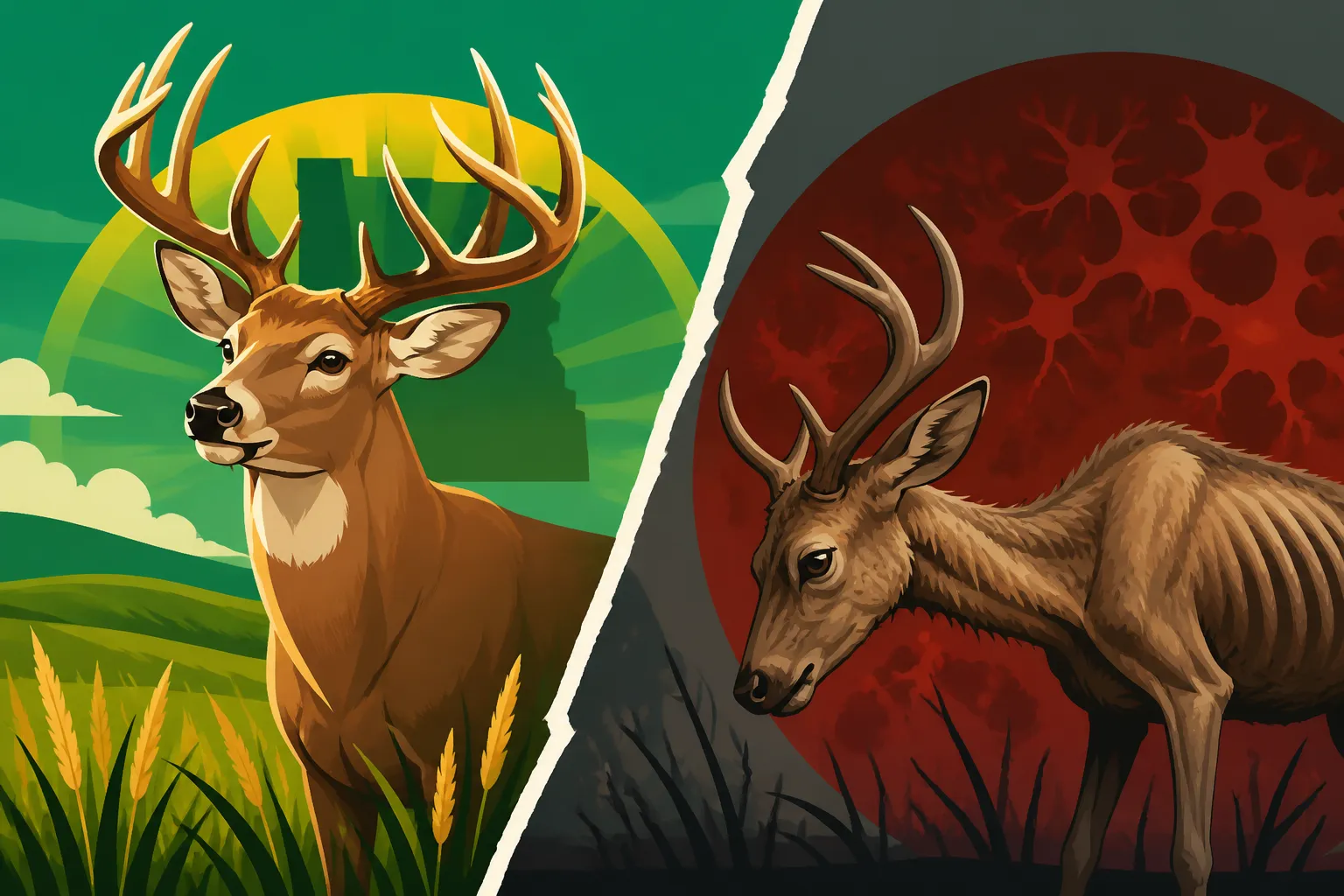
The progression of CWD in a deer is a slow, heartbreaking decline. Initially, you might not notice anything at all. The deer will appear perfectly healthy, feeding and moving normally. But internally, the prions are slowly wreaking havoc on its brain. As the disease advances, you'll start to see more obvious symptoms. These can include drastic weight loss (the "wasting" aspect of the disease), making the animal look emaciated despite apparently feeding. They might show behavioral changes, becoming less coordinated, stumbling, or exhibiting a blank stare.
Think of a deer that seems disoriented, walking in repetitive patterns, or perhaps holding its head in an unusual way. They might become unusually tame or, conversely, highly agitated. Excessive salivation, grinding teeth, and increased thirst are also common. Eventually, the neurological damage becomes so severe that the animal can no longer feed or move properly, leading to its death. It's a drawn-out and sad end for these animals, and witnessing it can be deeply unsettling for anyone who cares about wildlife.
CWD's Impact on Saskatchewan Deer Populations
CWD isn't just a concern for individual deer; it has broader implications for our entire provincial deer population. Hunters often talk about the health of the herd, and CWD directly impacts that health in significant ways that ripple through the ecosystem.
Observable Effects on Deer Health and Behavior
When CWD takes hold in an area, one of the most immediate and visible effects is the presence of sick animals. Hunters are often the first to spot these deer, reporting animals that look unwell, emaciated, or behave strangely. I've had conversations with folks who describe seeing deer that are "just not right," a far cry from the vibrant, alert animals we typically encounter. This can be particularly disheartening when you're out Hunting Saskatchewan's September Archery Opener or Hunting Saskatchewan's November Rut, hoping to see healthy, thriving animals.
Beyond the obvious signs of a severely infected deer, there can be subtle changes in the overall herd. You might notice fewer older, larger animals, or a general decline in the body condition of deer in certain areas. It's a slow burn, not a sudden die-off, but the cumulative effect can gradually reduce the vitality of the herd. This can also alter their typical routines; sick animals might become less wary, making them easier to approach, which can be an unsettling experience for hunters used to the natural caution of wild deer.
Potential for Population Declines
This is where the real anxiety sets in for many of us. While CWD doesn't typically cause massive, sudden die-offs like some other diseases, its long-term impact on deer populations is a serious concern. As more animals become infected and die, especially reproductively active adults, the overall population can begin to decline. This isn't just about the number of animals; it's about the age structure and genetic health of the herd.
Consider a zone where CWD prevalence is high. Over time, that constant attrition of infected animals can mean fewer deer reaching maturity, and a reduced number of does successfully raising fawns. This continuous drain can lead to a gradual but significant drop in deer numbers, making hunting more challenging and potentially requiring adjustments to season lengths or tag allocations. It's a scenario that keeps many wildlife managers and dedicated hunters up at night, pondering the future of our White-Tailed Deer, Saskatchewan's Signature Animal.
How CWD Changes Herd Dynamics
CWD can subtly, but profoundly, alter the social structure and movement patterns of deer. For example, if a high number of adult bucks are removed from the population due to CWD, it can affect breeding patterns and lead to younger, less experienced bucks participating more in the rut. This might mean different behaviors observed during Hunting the Rut in Early to Mid November.
Furthermore, the disease's presence might drive deer to alter their congregation habits. While they are still drawn to prime habitat and food sources, if certain areas become "hotbeds" of CWD contamination, it could theoretically lead to shifts in where deer bed, feed, and travel. This constant pressure from a fatal, incurable disease adds another layer of stress to our wildlife, forcing them to adapt in ways we might not fully understand yet. It's a dynamic situation that calls for ongoing observation and careful management.
Geographic Spread and Hotspots in Saskatchewan
Understanding where CWD is and how it's moving is absolutely critical. It helps us make informed decisions about our hunting locations, testing, and carcass disposal. Saskatchewan is a huge province, and CWD hasn't hit every corner with the same intensity.
The Initial Arrival and Expansion
CWD first arrived in Saskatchewan in the mid-1990s, likely spreading from captive deer facilities. This was a wake-up call, and since then, it has steadily expanded its footprint across our wild cervid populations. The initial detections were often isolated incidents, but over the years, the numbers and geographic range have grown. It’s a classic example of how a disease, once introduced, can slowly but surely establish itself and spread, often along natural travel corridors or areas of high deer density.
The expansion hasn't been uniform. It tends to radiate out from initial infection points, often concentrating in certain wildlife management zones (WMZs) before jumping to adjacent areas. This slow march across the landscape means that what was once a relatively disease-free area might now be seeing its first cases. It's a constant battle for wildlife officials to track this spread and update hunters on the evolving situation. Knowing the history helps us understand the current urgency.
Identifying High-Prevalence Zones
Today, certain regions of Saskatchewan are known to have a higher prevalence of CWD than others. Generally, the disease has been more concentrated in the southwestern and central parts of the province, particularly in some of the prime deer hunting zones. This isn't to say other areas are completely free of CWD, but the frequency of positive tests tends to be higher in these "hotspot" regions. Checking the provincial wildlife agency's maps and reports is vital for hunters, as these resources often indicate which Saskatchewan zones have CWD and where the prevalence rates are highest.
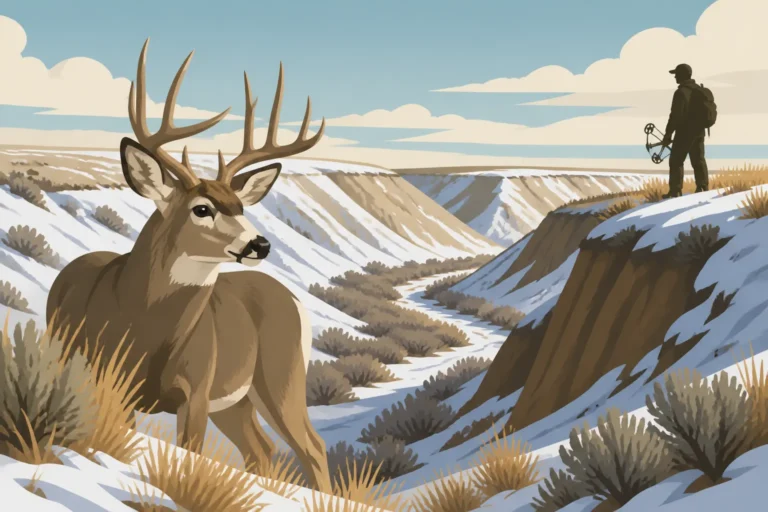
For hunters who regularly pursue deer in these areas, like those glassing for mule deer in prairie coulees or stalking whitetails along river breaks, the awareness and practice of CWD mitigation strategies become even more critical. Knowing you're hunting in a high-prevalence zone means you should be extra diligent about submitting heads for testing and practicing careful carcass disposal. Tools like GoHunt can be invaluable for cross-referencing zone boundaries with CWD information, allowing you to plan your hunt with the most current data.
Movement Across Saskatchewan Zones
The spread of CWD isn't always a linear progression. Deer, particularly bucks during the rut, can cover significant distances, potentially carrying the disease to new areas. This means that a CWD-positive deer harvested in one zone could have originated from another. This makes tracking the exact path of spread incredibly complex. Researchers work to understand How CWD Spread Across Saskatchewan Zones by analyzing test results and mapping movements.
For hunters, this means that even if your usual hunting grounds haven't reported many cases, vigilance is still important. A deer from a higher-prevalence zone could migrate into your area. This interconnectedness of our deer populations underscores the importance of a province-wide approach to CWD management and hunter participation in testing, no matter where you hunt.
Hunter Concerns and Management Strategies
It's completely normal for hunters to feel a mix of concern, frustration, and even a bit of helplessness when it comes to CWD. We care deeply about the animals and the land, and seeing this disease impact them is tough. Thankfully, the province is actively engaged, and hunters have a crucial role to play.
Anxiety and Frustration Among Hunters
I've heard it all at campfires and coffee shops: "Is it safe to eat the meat?" "Are there even any healthy deer left?" "What's the point if all the big bucks are getting sick?" These are valid questions and understandable worries. The fear of the unknown, coupled with the thought of potentially harvesting a sick animal or unknowingly consuming contaminated meat, creates significant anxiety. This concern is real, and it affects how we approach our hunts, from scouting to field dressing.
The misinformation or lack of clear information can also fuel this frustration. Hunters want to do the right thing, but sometimes the rules or the science can seem confusing or constantly changing. It’s a heavy burden to carry when you're trying to enjoy a passion that’s deeply rooted in nature and stewardship. This is why clear communication and readily available information, like that found in resources that discuss Whether CWD Meat Is Safe to Eat, are so vital to empower hunters.
Provincial Monitoring and Research Efforts
Our provincial wildlife management agencies are not sitting idle; they are actively working to understand and manage CWD. This involves ongoing surveillance through mandatory and voluntary testing, collecting samples from harvested animals, and monitoring for clinical signs in the wild. This data is crucial for tracking the spread, identifying prevalence rates, and informing management decisions. They also collaborate with researchers to better understand the disease's ecology, its impact on various species, and potential mitigation strategies.
The goal isn't just to track the disease, but to develop strategies that can slow its spread and minimize its impact on our cervid populations. This is a long-term commitment, and while the progress might sometimes feel slow, the dedication behind the scenes is significant. For hunters looking to delve deeper into the province's efforts, consulting the annual hunting guides and online resources provided by the Ministry responsible for wildlife can offer a more detailed look at these ongoing efforts.
Understanding Mandatory CWD Testing Zones
One of the most direct ways the province involves hunters in CWD management is through mandatory testing zones. In certain WMZs, typically those with higher CWD prevalence or those where CWD is newly detected, hunters are required to submit the heads of their harvested deer for testing. This isn't an inconvenience for the sake of it; it's a vital tool for surveillance. It provides critical data that helps wildlife managers understand the disease's spread and intensity.
Knowing Which Saskatchewan Zones Require CWD Testing before you head out is essential. If you hunt in one of these zones, it's your responsibility to comply with the rules. This usually involves removing the head from the carcass and dropping it off at designated collection sites or partnering taxidermists and meat processors. While it adds a step to the post-harvest process, it’s a necessary contribution to the collective effort to manage CWD.
What Hunters Can Do: Testing, Carcass Disposal, and Ethical Practices
As hunters, we are often the first line of defense and observation when it comes to wildlife health. Our actions have a direct impact on the spread and management of CWD. Taking responsibility and following best practices is not just good citizenship; it's vital for the future of hunting in Saskatchewan.
The Importance of CWD Testing
Submitting your harvested deer for CWD testing, whether it's mandatory in your zone or a voluntary option, is perhaps the single most impactful thing you can do. It provides crucial data points for wildlife managers, helping them paint a clearer picture of the disease's prevalence and distribution. Think of it as contributing to a large-scale health check-up for our deer. Many hunters use mapping tools like GoHunt to scout areas and plan their trips, and this same proactive mindset should extend to CWD testing.
The process for submitting a head is generally straightforward. You'll typically need to locate a designated drop-off site and fill out a submission form. Understanding Saskatchewan's CWD Testing Rules will outline the specific requirements for head removal and submission. Even if you don't hunt in a mandatory testing zone, voluntarily submitting a head is a highly encouraged practice. It provides valuable baseline data for areas where CWD might not yet be widely detected.
Proper Carcass Handling and Disposal
This is an area where hunters can make a huge difference in preventing the spread of CWD. The prions are concentrated in nervous system tissues (brain, spinal cord), but can also be found in lymph nodes and spleen. Improper disposal of these parts can contaminate the environment, creating a risk for other deer. You might be accustomed to field dressing on the spot, but with CWD, a more thoughtful approach is needed.
The key is to minimize the spread of potentially infected material. If you harvest a deer in a CWD-positive zone, it's recommended to bone out the meat in the field, leaving the gut pile, skull, and spinal column at the harvest site. If you must transport the entire carcass, understand the rules about Moving a Carcass Between Zones to prevent carrying the disease to unaffected areas. Dispose of high-risk parts in a secure landfill or by deep burial, making sure scavenging animals cannot access them. Avoid simply leaving carcasses exposed in open areas or disposing of them where other deer might congregate. This also goes for any leftover bone or processing waste from home; ensure it's properly contained.
Reducing the Risk of CWD Transmission
Beyond testing and carcass disposal, there are other ethical practices we can adopt to minimize CWD transmission.
- Avoid Attracting Deer: While not always feasible for every type of hunting, consider the impact of artificial attractants. Concentrating deer at bait sites or mineral stations can increase direct contact and the potential for disease spread.
- Clean Your Gear: If you're hunting in different zones, especially moving from a higher-prevalence area to a lower one, clean your boots, clothing, and gear thoroughly. This reduces the chance of inadvertently transporting prions.
- Report Sick Animals: If you see a deer exhibiting signs of CWD, do not harvest it. Instead, report its location and description to the provincial wildlife authorities. This helps them monitor and potentially remove sick animals from the population.
- Stay Informed: Keep up-to-date with the latest CWD information from the provincial government. Regulations and recommendations can change as new research emerges or as the disease spreads. Your Saskatchewan Hunter Education and Firearms Safety course covered many fundamentals, but CWD is an evolving topic.
The Future of CWD in Saskatchewan
The presence of CWD in Saskatchewan is a reality we must live with for the foreseeable future. There's no magic bullet, no quick fix. However, that doesn't mean the situation is hopeless. Our collective efforts, informed by science and guided by adaptive management, can make a difference in how CWD impacts our cherished deer herds.
Ongoing Research and Hopes for Control
Scientists and wildlife managers are continuously engaged in research aimed at better understanding CWD. This includes studies on prion behavior, genetic resistance in deer, and potential control methods. While a cure or vaccine remains elusive, every piece of research helps us refine our management strategies. This is a global challenge, and Saskatchewan benefits from the collective knowledge and innovations coming from researchers worldwide.
Don't underestimate the long-term impact of this research. What seems like small, incremental steps now could one day lead to breakthroughs that change the landscape of CWD management. For instance, understanding Why Saskatchewan Bucks Grow So Large might also shed light on their susceptibility or resilience to diseases like CWD, offering new avenues for research into herd health.
Adaptive Management by the Province
The provincial government employs an adaptive management approach to CWD. This means that strategies are not set in stone but are continually evaluated and adjusted based on new data, research findings, and the evolving nature of the disease itself. This flexibility is crucial in dealing with such a complex and persistent threat. It involves regular monitoring, reassessment of policies, and open communication with hunters and stakeholders.
This adaptive approach might lead to changes in mandatory testing zones, carcass transport regulations, or even hunting opportunities in specific areas. While these changes can sometimes feel inconvenient, they are a reflection of a dynamic effort to protect our wildlife resources. We all want to see healthy deer herds continue to thrive across Saskatchewan, and adaptive management is a key tool in that pursuit.
The Hunter's Role in Long-Term Stewardship
Ultimately, the future of CWD management in Saskatchewan hinges significantly on the ongoing commitment and responsible actions of hunters. We are not just participants in a sport; we are stewards of the land and its wildlife. By embracing the best practices outlined here – diligent testing, responsible carcass disposal, and staying informed – we contribute directly to the health of our deer populations.
Think about the legacy we want to leave for future generations of hunters. Our actions today, even seemingly small ones like submitting a head for testing, contribute to a larger picture of conservation. The challenges posed by CWD are significant, but by working together, informed and committed, we can continue to enjoy the incredible hunting opportunities Saskatchewan offers, ensuring our deer herds remain as robust and healthy as possible.
Disclaimer
This article is for general informational purposes only and does not constitute professional advice. Laws, prices and regulations vary by location and change over time. Consult a qualified professional for guidance on your specific situation.