Why Mule Deer Fell Back in Some Zones
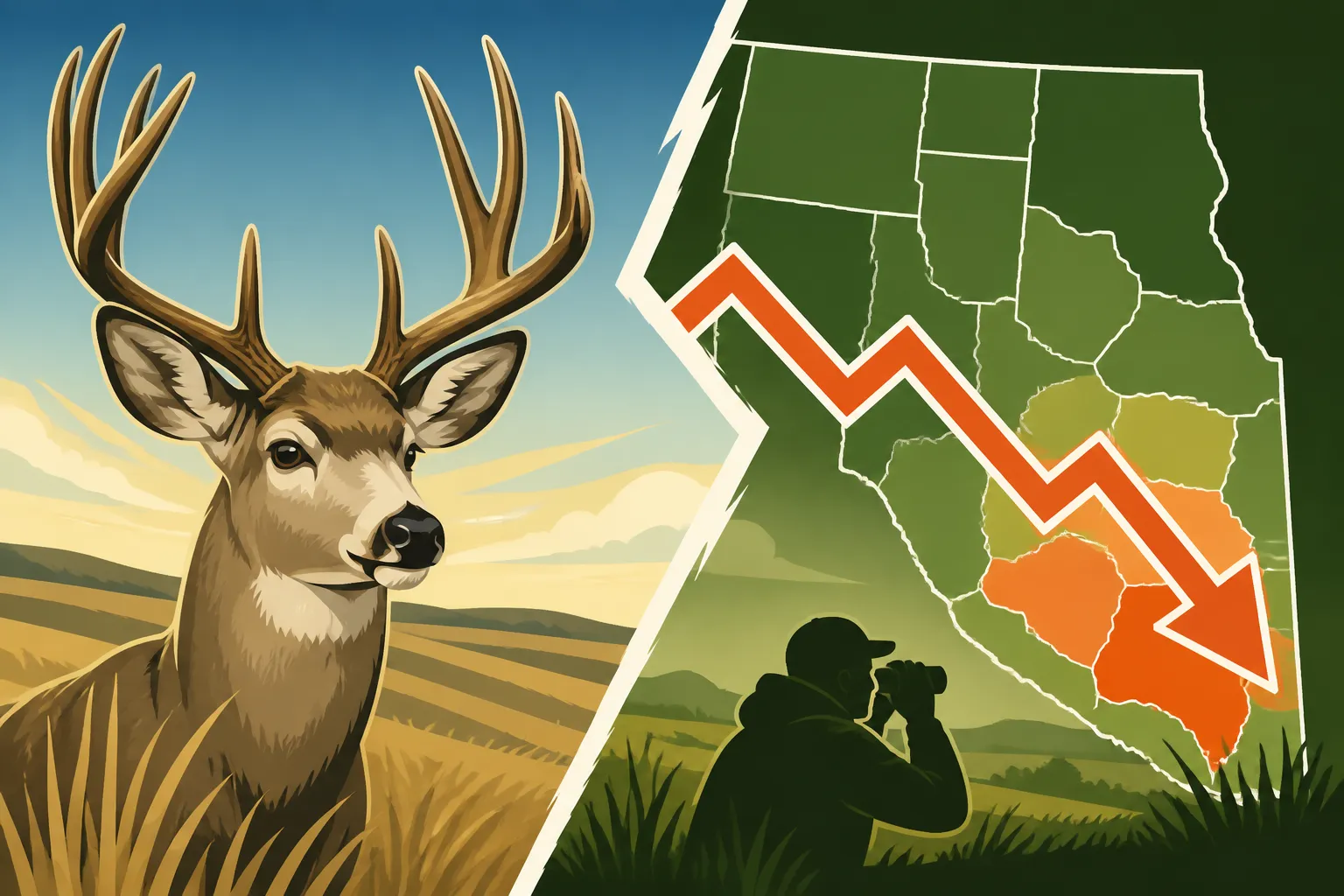
It’s incredibly disheartening when you’ve poured your heart into scouting a favourite zone for mule deer, only to find the population seems to have taken a significant hit. Many hunters across Saskatchewan have observed localized dips in mule deer numbers, leaving them wondering what's truly behind these changes. This comprehensive guide will explore the complex factors that can cause mule deer populations to fall back in specific areas, helping you understand the challenges these magnificent animals face and what it means for your hunting strategy.
Understanding the Fluctuations in Mule Deer Populations
Mule deer, with their distinctive large ears and bounding gait, are a cherished game animal across Saskatchewan's prairies and parklands. Their populations, however, are rarely static. They ebb and flow, influenced by a delicate balance of environmental factors, human activity, and natural pressures. It's not uncommon for hunters to notice a boom-and-bust cycle in certain areas, where one year might see abundant animals, and the next, they seem to vanish. This isn't just a hunch; these localized downturns are often a symptom of larger ecological shifts at play.
The health of a mule deer herd is intrinsically linked to the landscape it inhabits. Unlike whitetails, which often thrive in fragmented habitats and closer to human development, mule deer typically prefer more open, rugged terrain like coulees, river breaks, and larger tracts of native grassland. When conditions are favourable—mild winters, ample forage, good fawn recruitment—their numbers can soar. But introduce a significant stressor, and those numbers can drop surprisingly fast. Understanding this inherent variability is the first step in making sense of why some zones might feel "empty" compared to previous seasons. It also helps us appreciate the resilience these animals show when conditions improve.
Environmental Stressors: Weather's Unseen Hand
When mule deer populations fall back in certain zones, the first place many experienced hunters look is to the weather, especially the severity of recent winters. Saskatchewan winters can be notoriously brutal, and these extreme conditions are often the most impactful, yet least controllable, factor in game animal survival.
Harsh Winters and Deep Snow
A particularly severe winter can decimate a mule deer herd, especially in zones where cover and available forage are already stretched thin. Imagine a season where heavy, wet snow arrives early and stays late, crusting over and making it almost impossible for deer to dig through to their food sources. This deep, persistent snow drains their energy reserves quickly. It's not just about starvation; it's about the sheer metabolic cost of simply moving through the snow. Every step becomes an effort, burning precious calories that are already scarce. Younger deer, like fawns born the previous spring, and older, weaker animals are often the first to succumb. This can have a ripple effect, impacting breeding success and fawn survival for several years afterward. Hunters might notice a distinct lack of yearlings or two-year-olds in the following seasons, which is a tell-tale sign of a hard winter's toll. When the snow settles deep in How Mule Deer Use Coulees in Winter, it provides some shelter, but can also trap them, limiting their movement to find food.
Prolonged Drought Conditions
On the flip side, prolonged drought conditions can be just as detrimental, albeit in a different way. While not as immediately catastrophic as a deep winter, years of dry weather lead to reduced forage quality and quantity. Native grasses and forbs, critical for mule deer nutrition, become sparse and less palatable. Water sources might dry up, forcing deer to travel farther, increasing their exposure to predators and human disturbance. Does in poor body condition due to drought are less likely to successfully carry fawns to term, and even if they do, the fawns born into a drought-stricken environment often struggle to gain enough weight to survive their first winter. This kind of environmental stress can slowly erode a population over several years, making the decline less dramatic but equally impactful. You might see a noticeable drop in overall body condition and antler growth in a zone that has experienced sustained drought, a clear indication of nutritional stress. The impact of How Drought Moves Saskatchewan Game can be significant for herd health.
Habitat Loss and Fragmentation
Beyond the immediate impacts of weather, long-term changes to the landscape are a significant driver behind why mule deer populations might be struggling in specific zones. Habitat loss and fragmentation are ongoing concerns that directly affect the carrying capacity of the land.
Conversion of Native Grasslands
Mule deer are creatures of the prairie and parkland, relying heavily on native grasslands, sagebrush coulees, and river breaks for survival. These areas provide both food and crucial escape cover. However, as agricultural practices intensify and expand, many of these vital natural habitats are being converted to cropland. When a coulee or a section of native prairie is broken up and replaced with monoculture fields, it dramatically reduces the quality and quantity of suitable mule deer habitat. Even if some small pockets remain, the fragmentation makes it harder for deer to move safely between feeding and bedding areas, increases their vulnerability to predation, and isolates smaller populations, which can lead to reduced genetic diversity. This pressure is particularly evident in zones with high agricultural conversion rates. Hunters often use tools like GoHunt to visualize satellite imagery and understand how much native habitat remains in their chosen hunting grounds.
Human Encroachment and Infrastructure
Increased human presence and infrastructure development also play a role. New roads, fences, oil and gas developments, and residential expansion can disrupt traditional mule deer migration routes and create barriers that are difficult or dangerous for them to navigate. Fences, in particular, can be deadly for mule deer, which typically jump rather than crawl under them. A string of new fences can essentially cut off a herd from critical winter range or summer feeding grounds. Increased traffic on rural roads also leads to more vehicle collisions, especially during migrations or the rut, removing mature animals from the population. While Saskatchewan has vast open spaces, localized development can still have a pronounced effect on game in specific areas. Scouting tools often integrated into platforms like GoHunt can help identify areas of increasing human development, allowing hunters to adapt their strategies. When Scouting a Saskatchewan Wildlife Management Zone it's crucial to look for these changes.
Disease, Predation, and Management Practices
While weather and habitat are massive influencers, other factors like disease, predation, and even specific management approaches can contribute to declines in mule deer numbers in certain zones.
Chronic Wasting Disease CWD
Chronic Wasting Disease (CWD) is an ever-present concern in Saskatchewan's deer populations, and mule deer are particularly susceptible. CWD is a neurological disease that is always fatal, and once established in a herd, it can significantly impact population health. While it doesn't cause a sudden, dramatic die-off across an entire zone, a high prevalence of CWD in a specific area can lead to a slow, insidious decline in numbers, as infected animals gradually sicken and die. It's especially impactful because it tends to affect older animals that are critical for breeding success, and also younger animals who get exposed. Many zones in Saskatchewan have mandatory CWD testing, which helps monitor the spread and prevalence of the disease. Understanding What CWD Has Done to Saskatchewan Deer is vital for hunters, and complying with testing requirements is crucial for long-term herd health.
Predation Pressure
Predation is a natural part of any ecosystem, but an imbalance can sometimes exacerbate population declines, especially when other stressors are already at play. Coyotes are the primary predator of fawns on the prairies, and while deer populations can generally withstand typical coyote pressure, a localized surge in coyote numbers coinciding with a year of poor fawn recruitment due to drought or harsh winter can be particularly damaging. Larger predators like wolves, though less common in prime mule deer country, can also have an impact where their ranges overlap, especially on weakened animals. Bears, while not typical mule deer predators, can sometimes take fawns. When deer are already struggling due to habitat or weather, even "normal" predation levels can feel more impactful.
Past Management Decisions and Hunter Harvest
Sometimes, past management decisions can contribute to localized population dynamics. While overall mule deer management in Saskatchewan is carefully considered, certain zones might have had specific antler restrictions, season lengths, or tag allocations that, in hindsight, didn't perfectly align with the local population's needs or environmental conditions. Over-harvest of mature bucks in a specific, accessible zone could, for example, theoretically affect breeding dynamics, though deer are remarkably resilient in this regard. Conversely, under-harvest of a thriving population can sometimes lead to habitat degradation if deer numbers exceed the carrying capacity, making them more vulnerable to winter kill in the long run.
It's also worth noting that non-resident hunting rules have changed for many species in Saskatchewan, which can sometimes lead to perceptions of reduced pressure or increased local opportunity, though this largely affects overall management rather than causing localized declines. For instance, Non-Resident Game Bird Licence Changes have been implemented, but mule deer draw systems remain key for managing those populations.
Here's a simplified overview of common factors and their potential impact on mule deer populations in specific Saskatchewan zones:
| Factor | Direct Impact | Long-Term Effect | Observable Sign for Hunters |
|---|---|---|---|
| Severe Winter | Direct mortality, especially fawns/older deer | Reduced recruitment, skewed age structure | Fewer yearlings, smaller overall herd numbers |
| Prolonged Drought | Poor body condition, reduced fawn survival | Lower reproductive rates, weaker herd | Poor antler growth, thin deer |
| Habitat Loss | Reduced forage/cover, movement barriers | Lower carrying capacity, isolated populations | Fewer deer sightings in once-productive areas |
| CWD | Fatal neurological disease | Slow, continuous attrition | Sickly-looking deer, localized population drop |
| Increased Predation | Fawns taken, stress on adults | Reduced recruitment, altered deer behaviour | More coyote sightings, fewer fawns at heel |
| Human Encroachment | Disruption, collisions | Increased stress, movement restrictions | Deer avoiding certain areas, roadkill |
What Hunters Can Do and How to Adapt
When you notice that mule deer numbers have fallen back in some of your favourite Saskatchewan zones, it’s easy to feel frustrated or discouraged. But as hunters, we also have a role to play in observing, reporting, and adapting our strategies.
Research and Observation
The first step is always good research. Platforms like GoHunt and provincial resources provide information on herd health and CWD prevalence in different zones. Keep detailed notes from your own scouting trips year to year. When you're out Glassing a Saskatchewan Coulee for Mule Deer, pay attention not just to numbers but to the age class and overall health of the deer you're seeing. Are fawns present? Do the animals look healthy? Are there signs of CWD? This kind of personal observation, combined with official data, can give you a clearer picture of what's happening on the ground. Hunters who truly pay attention to Reading Whitetail Sign in Saskatchewan Bluffs will also pick up on mule deer patterns.
Don't be afraid to broaden your scouting efforts. If one zone is consistently showing reduced numbers, it might be time to explore adjacent zones or areas with different habitat types. Sometimes, deer just shift their patterns in response to localized changes, rather than disappearing entirely. Learning about Hunting Saskatchewan's Southern Prairie might reveal new opportunities in areas less impacted by some of these specific pressures.
Adapting Hunting Strategies
When numbers are down, it usually means adjusting expectations and tactics. If you're seeing fewer deer, it might be a year to focus on quality over quantity, perhaps choosing to pass on younger animals and letting the population rebuild. Patience becomes even more critical. You might need to spend more time Stalking Mule Deer in Open Prairie or dedicate more days to your hunt to find success. Consider adjusting your hunting pressure in areas that seem particularly sparse to give the animals a break.
Furthermore, being mindful of ethical hunting practices, such as ensuring clean kills and retrieving all game, becomes even more paramount when populations are sensitive. Hunters can also contribute by participating in CWD testing programs, which provide valuable data for wildlife managers to make informed decisions about herd health and management strategies. Staying current on the Saskatchewan's CWD Testing Rules is an important part of responsible hunting.
Supporting Conservation Efforts
Ultimately, if you're concerned about mule deer populations, supporting conservation initiatives is one of the most impactful things you can do. Organizations dedicated to habitat preservation, scientific research, and responsible wildlife management play a crucial role in the long-term health of all game species. This could involve volunteering, donating, or simply advocating for policies that protect critical mule deer habitat, like native grasslands and coulee systems. By understanding the challenges and actively contributing to solutions, we can all help ensure that Saskatchewan's mule deer continue to thrive for generations to come.
Disclaimer
This article is for general informational purposes only and does not constitute professional advice. Laws, prices and regulations vary by location and change over time. Consult a qualified professional for guidance on your specific situation.