Elk in the Moose Mountain Country
It’s no secret that Saskatchewan holds some truly incredible hunting opportunities, but sometimes, understanding where to find specific big game, like elk, can feel like trying to solve a complex riddle. Many hunters dream of pursuing elk closer to home, and for those eyeing the southeastern part of our beautiful province, the Moose Mountain region often comes to mind. This comprehensive guide is here to shed light on exactly where Saskatchewan's elk herds live today, focusing on the unique challenges and immense rewards of pursuing these majestic animals in the distinctive Moose Mountain Country.
The Unique Appeal of Moose Mountain Elk
Moose Mountain Provincial Park and the surrounding areas present a truly distinct landscape within Saskatchewan, a beautiful anomaly of forested hills rising out of the flat prairie. For hunters, this translates into a unique set of circumstances for pursuing elk, a species that thrives on the interface between dense cover and abundant forage.
Why Moose Mountain Stands Out for Elk
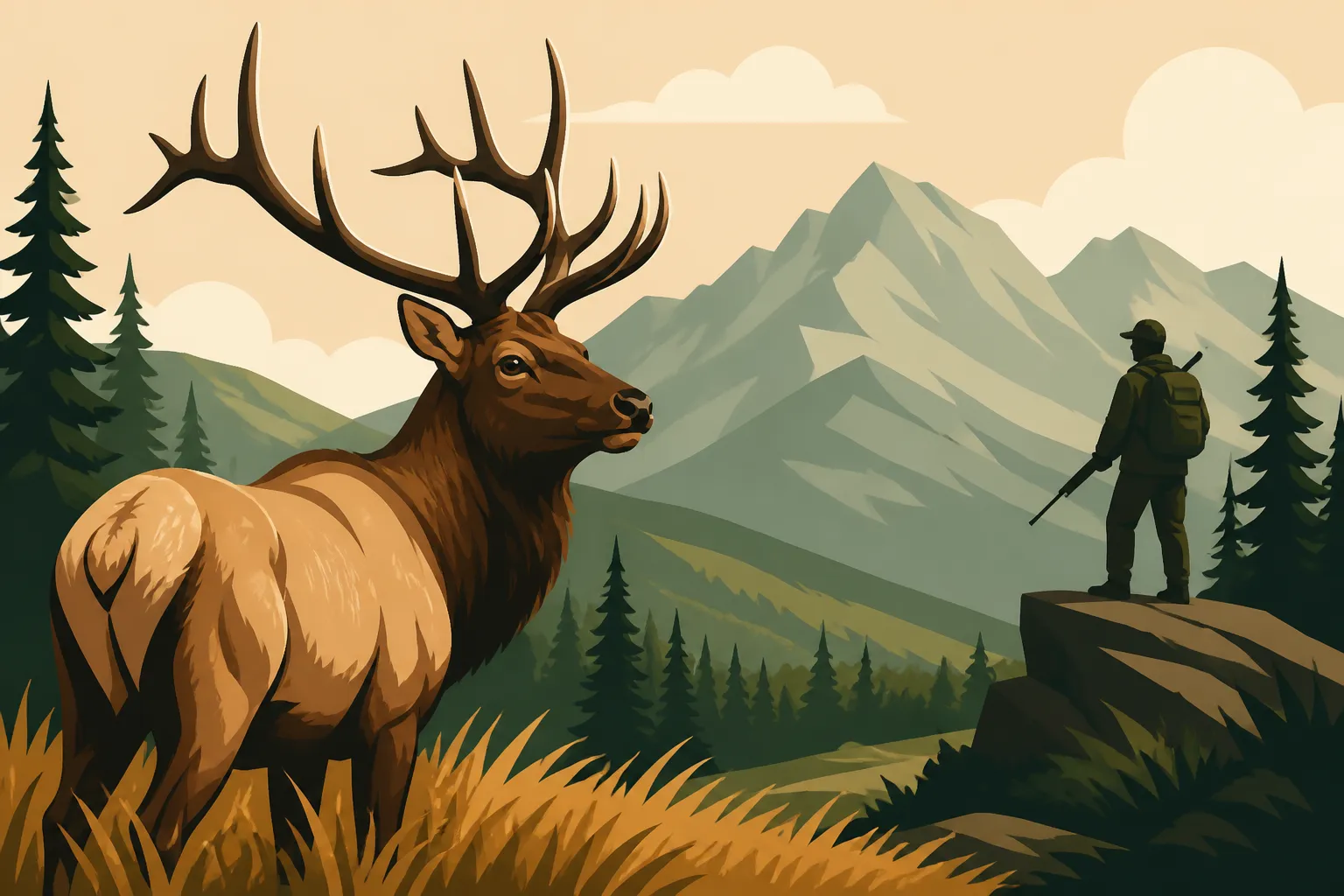
Moose Mountain isn't what most people picture when they think of traditional elk country, which is often vast wilderness and towering peaks. Yet, this region, with its rolling aspen and spruce forests, interspersed with productive agricultural fields, provides an ideal mosaic habitat for elk. The hills offer crucial thermal cover, protection from the elements, and security, while the surrounding farmlands offer a smorgasbord of high-energy forage. This combination has allowed elk to not only establish themselves but to flourish, creating a viable population that sustains hunting opportunities. It's a testament to the adaptability of these magnificent animals and the richness of this particular ecosystem. The topography itself, a mix of dense bush, open clearings, and subtle elevation changes, makes for an exciting and often challenging hunt, far different from chasing whitetails in a typical prairie bluff.
When we talk about Moose Mountain, we're not just talking about the provincial park itself, but the broader landscape that supports these animals. This includes adjacent Crown lands, private woodlots, and the extensive network of fields and pastures that buffer the main forest blocks. Hunters often find that elk utilize all these components, moving seamlessly between the sanctuary of the forest and the rich feeding grounds of the agricultural lands. This constant movement necessitates a different scouting and hunting approach, one that respects the boundaries of both public and private lands, and understands the daily routines of a herd that lives on the edge of two very different worlds.
Understanding the Elk Population in This Region
The elk population in Moose Mountain has generally been strong, a testament to the available habitat and feed. While exact numbers fluctuate year to year due to factors like winter severity, predation, and hunting pressure, the overall trend has shown that this region consistently holds a healthy herd. These elk tend to be highly localized, often staying within certain ranges that offer the best combination of security cover and food sources. Unlike some other parts of the province where elk might be more migratory, Moose Mountain elk often have smaller, more defined home ranges.
Understanding the specific dynamics of these local herds is key for any hunter hoping to fill an elk tag. While not boasting the sheer vastness of a herd like you might find in some larger boreal forest areas, the Moose Mountain elk are known for their resilience and their ability to grow into impressive animals. The rich agricultural forage, particularly in the fall and early winter, provides excellent nutrition, which can contribute to impressive antler growth in bulls. Many local hunters have stories of encountering formidable bulls within these hills, highlighting the trophy potential that Moose Mountain offers. When considering herd health and trends, factors like the severity of recent winters, disease prevalence, and localized pressures all play a role, making scouting and staying informed about local conditions paramount.
Prime Habitat and Movement Patterns
Elk are creatures of habit, yet incredibly adaptable. In a mixed landscape like Moose Mountain, their patterns are often dictated by the availability of food, water, and security, all while navigating the presence of human activity.
Where Elk Bed and Feed in Moose Mountain
In Moose Mountain Country, elk expertly utilize the landscape's diverse features. During the day, particularly during hunting season, they'll often retreat into the densest pockets of forest, using the thick aspen and spruce stands as their bedding grounds. These areas provide excellent cover from predators, both four-legged and two-legged, as well as protection from harsh winds and snow. Look for areas with dense undergrowth, downed timber, or thick stands of mature spruce – these are often prime spots for elk to lay up and feel safe. Knowing where the elk bed is half the battle; the other half is understanding how they get there and how they leave. You'll often find trails funneling into and out of these thickets.
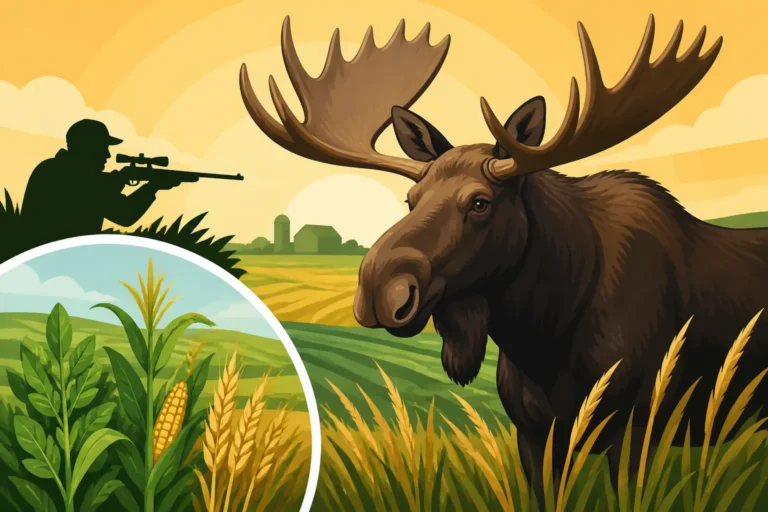
As evening approaches and into the night, elk typically move out of their bedding areas to feed. The vast agricultural fields surrounding the Moose Mountain core are their primary food source in the fall and winter. They'll frequent fields of standing corn, swathed grain, or fields that have already been harvested, picking up dropped kernels and grazing on alfalfa or winter wheat. You might also find them in natural meadows, marsh edges, or even along cutlines within the forest, browsing on aspen and willow. These feeding forays often occur under the cover of darkness, making them elusive for hunters. It's during those crucial low-light hours of dawn and dusk that you'll have the best chance of intercepting them as they transition between their secure bedding areas and their evening buffet. For more on this, you might find our guide on Hunting Elk on Saskatchewan Grain Land particularly useful.
The Influence of Agricultural Lands on Elk Behavior
The proximity of Moose Mountain's forest cover to extensive agricultural lands is a double-edged sword for elk and hunters alike. For the elk, it means a reliable and calorie-rich food source, contributing to their impressive body size and antler growth. They become habituated to feeding on crops like peas, lentils, wheat, and especially corn, often prioritizing these over natural browse when available. This behavior makes them predictable to a degree – they will go to the food – but also incredibly wary, especially during daylight hours. They understand the patterns of farm machinery and human presence, often waiting until the absolute last light to emerge from cover, or even moving entirely at night.
For hunters, this means the game becomes one of patience, stealth, and, most importantly, securing access. Elk are notorious for spending their daytime hours deep in thick cover on private land or within the park, only to slip out into neighboring fields once legal shooting light fades. This makes getting permission to hunt private land absolutely critical. Without it, you might find yourself watching elk from a distance, just outside the boundaries of areas you can legally hunt. Using mapping tools, like those provided by GoHunt or similar services, can be invaluable for identifying potential public access points or for pinpointing landowners to approach for permission. It's all about understanding the checkerboard of land ownership and how these animals exploit it.
Strategies for Hunting Moose Mountain Elk
Hunting elk in Moose Mountain is a game of patience, stealth, and a deep understanding of their habits. It's not a spot-and-stalk prairie hunt, nor is it a deep bush experience. It's a blend.
Scouting and Accessing Elk Country
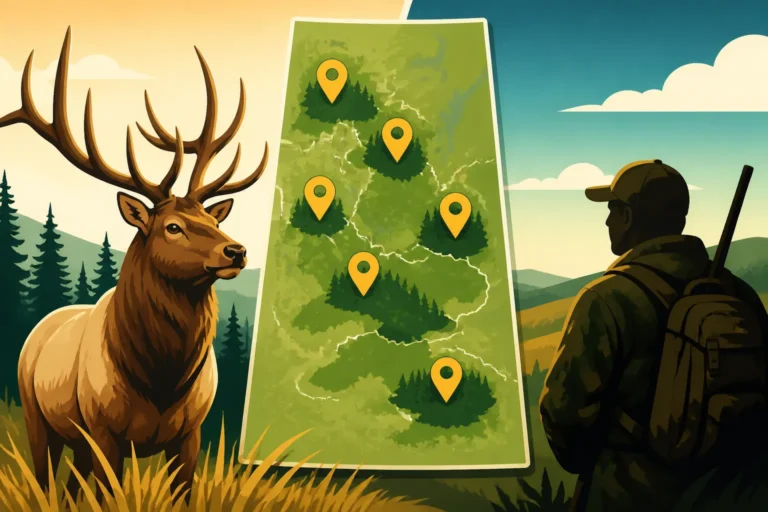
Successful elk hunting in Moose Mountain starts long before opening day. Pre-season scouting is paramount. You need to identify key travel corridors, feeding areas, and bedding sites. Look for fresh tracks, rub lines on trees (especially during the rut), fresh droppings, and areas where elk have obviously been feeding. Pay close attention to pinch points where dense cover meets open fields, or natural funnels created by terrain features. These are often excellent locations for setting up a stand or planning an ambush. Even during the off-season, you can learn a tremendous amount about elk movement. Our article on Scouting With Satellite Imagery in Saskatchewan can offer some great tips for understanding the lay of the land from afar.
Accessing elk country in this region often involves a combination of public and private land. While some Crown land exists, and of course, the provincial park offers non-hunting recreational opportunities, much of the prime elk habitat is on private property. This brings us back to the critical step of Getting Private Land Permission in Saskatchewan. Don't underestimate the importance of knocking on doors, introducing yourself, and respectfully asking for permission well in advance of the season. A good relationship with landowners can be the single most important factor in your success. When planning your route, be sure to also consult a Reading a Saskatchewan WMZ Map Before You Go to understand boundaries and regulations specific to your hunting zone.
Effective Hunting Methods for the Terrain
Given the mixed forest and agricultural landscape of Moose Mountain, a blend of hunting techniques tends to be most effective. Still-hunting, moving slowly and deliberately through bedding areas or along travel corridors, can be highly productive, especially on windy or rainy days when elk movement is quieter. Pay attention to the wind at all times; elk have an incredible sense of smell, and a swirling wind will ruin your hunt faster than anything else. Using terrain features to your advantage, such as small hills or thickets, to break up your silhouette and mask your movement is crucial.
Calling can also be very effective, especially if you're hunting When the Elk Rut Peaks in the early fall. Bugles, cow calls, and calf chirps can pique the curiosity of bulls or draw in cows looking for company. Stand hunting from a treestand or ground blind positioned on a well-used trail between bedding and feeding areas, or overlooking a natural funnel, is another excellent strategy, particularly during the rifle season. Remember, elk are large, wary animals, and getting a shot opportunity often means being in the right place at the right time, having exercised extreme patience. Be familiar with Legal Firearms and Bows for Big Game to ensure your equipment is appropriate and legal for elk.
Challenges and Considerations for Moose Mountain Elk Hunters
Hunting elk in Moose Mountain is not without its unique challenges, from navigating land access to contending with Saskatchewan's often unpredictable weather. Being prepared for these aspects can make all the difference between a frustrating trip and a successful one.
Navigating Mixed-Use Landscapes and Regulations
One of the primary challenges in Moose Mountain Country is the patchwork of private and public land. Hunters often find elk using small, isolated woodlots or dense cover on private land, only to move into fields on adjacent properties. This makes understanding property lines and securing multiple permissions (if necessary) extremely important. You can't just wander onto posted land, and even retrieving a downed animal on land where you don't have permission requires specific steps and often a call to the landowner. Always be respectful and adhere to all posted signs.
Beyond private land, it's vital to be aware of specific regulations that might apply to elk in the Moose Mountain Wildlife Management Zones. Elk hunting in Saskatchewan is often draw-only for specific zones, and the Moose Mountain region is no exception. Understanding the draw odds and application process is critical if you want a chance at pursuing these animals. Always double-check the Saskatchewan Big Game Season Dates for the specific zone you are targeting, as these can vary. Furthermore, given the size of a bull elk – remember, a mature What a Bull Elk Weighs in Saskatchewan is a lot of meat to handle – having a plan for recovery is essential, especially if you're hunting in rugged bush.
Weather and Environmental Factors
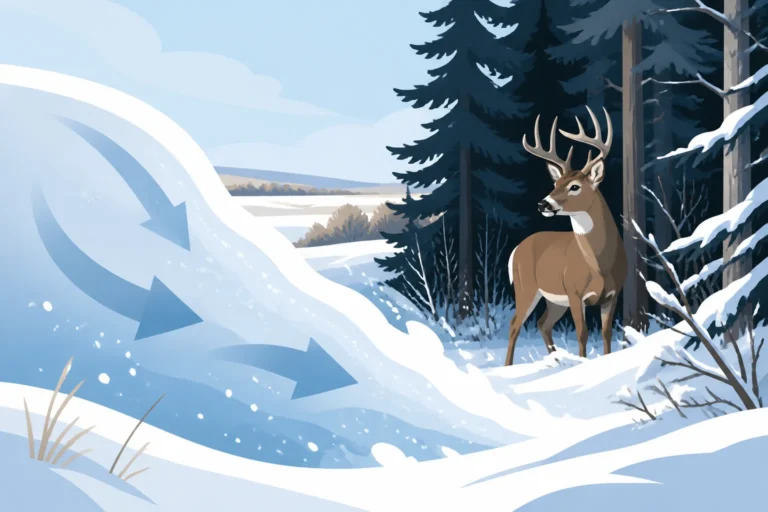
Saskatchewan weather, particularly in the fall and early winter, can be a wild card. Early snowfalls can certainly get elk moving and push them into certain feeding areas, making them more visible. However, extreme cold or heavy snow can also make access challenging, limit visibility, and put both hunter and animal at risk if not prepared. Hunters must be ready for anything, from mild, sunny days to blustery, freezing conditions, and should always dress in layers. Our article on Field Dressing in Saskatchewan's Deep Cold offers practical advice for dealing with harvested game in harsh conditions.
Beyond immediate weather, broader environmental factors can influence elk behavior and numbers. Prolonged droughts can reduce forage quality in natural areas, potentially pushing elk further into agricultural fields. Conversely, mild winters can lead to higher calf survival rates and herd growth. Staying informed about these environmental trends can give you an edge in predicting where elk might be found and how they might be behaving. Always ensure you are complying with provincial regulations regarding hunter visibility, such as How Much Blaze Orange Saskatchewan Requires, for your own safety and that of others, especially in areas with mixed-use recreation. And once you've successfully harvested your elk, understanding the rules for Transporting Game Meat in Saskatchewan is crucial.
Disclaimer
This article is for general informational purposes only and does not constitute professional advice. Laws, prices and regulations vary by location and change over time. Consult a qualified professional for guidance on your specific situation.