Where Badgers Dig on the Prairie
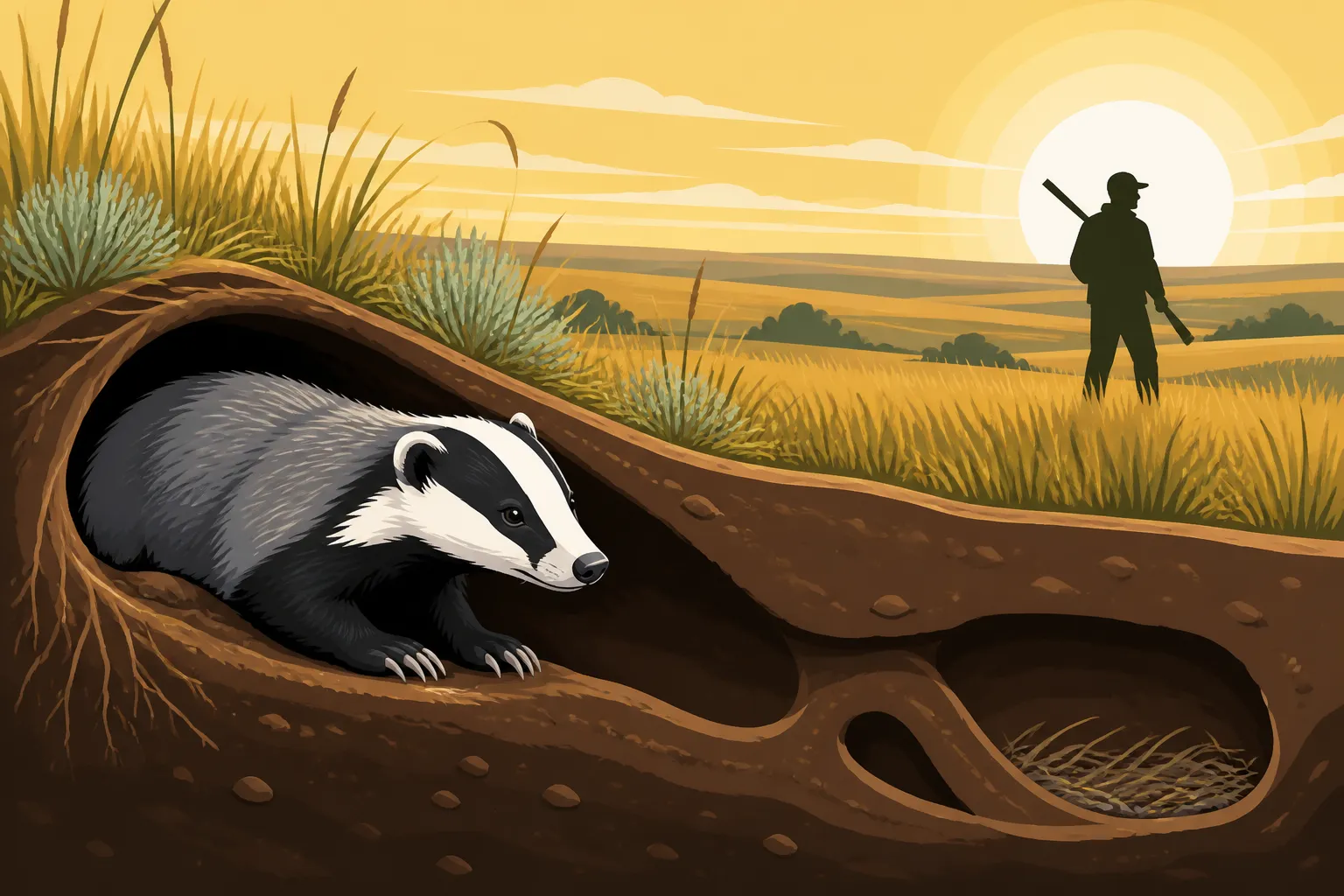
If you've spent any time walking the open expanses of Saskatchewan's prairie, you've undoubtedly stumbled upon them – those tell-tale mounds of freshly dug earth, often with a gaping hole beside them. These aren't just random disruptions; they're the calling cards of one of the prairie's most industrious residents: the badger. For hunters and outdoor enthusiasts alike, understanding where these powerful diggers make their homes can unlock secrets to the landscape, reveal prime hunting grounds, and even help you navigate the terrain safely. This guide is all about helping you decipher where badgers dig on the prairie and what that means for you.
Understanding the Badger's Prairie Habitat
Badgers are fascinating creatures, built for one thing: digging. Their short, powerful legs, long claws, and stocky bodies make them absolute masters of excavation. But they don't just dig anywhere; their choice of habitat is quite specific, driven by their primary food source and the need for shelter. Knowing these preferences is key to predicting their presence.
The Ideal Prairie Landscape for Badgers
When you think of a badger's perfect home, imagine vast, open stretches of native grassland or lightly grazed pastures. They thrive in areas where the soil is relatively loose and easy to dig, often sandy or loamy. Think of the rolling prairie south of Swift Current or the more arid regions further west. These environments are rich in their preferred prey, like Richardson's ground squirrels (often called gophers), pocket gophers, and various mice and voles. The short to medium height of the grass allows them good visibility for hunting and less obstruction for digging.
While they are powerful, badgers aren't typically found in dense forests or heavily cultivated fields where the soil is compacted or consistently tilled. They need that access to underground prey, which is harder to come by in such conditions. Therefore, when you're scouting, look for those untouched or minimally disturbed areas. Hunting Saskatchewan's Southern Prairie often means encountering prime badger country.
Why Badgers Choose Specific Areas to Dig
It's not just about the general landscape; badgers are quite particular about the specific spots they excavate. Their digs serve multiple purposes: a pantry for their next meal, a safe refuge from predators, and a cozy den for raising young. They are opportunistic predators, constantly seeking out burrows of other animals. If there's a thriving gopher colony, you can bet a badger isn't far behind, systematically digging out one burrow after another.
Beyond hunting, soil type plays a massive role. Sandy or loamy soils are not only easier to dig through but also tend to hold their shape better for den stability. You'll often find them on slight rises or slopes, which can offer better drainage and a clearer view of approaching threats. In winter, these underground burrows provide crucial insulation from Saskatchewan's brutal cold, making den sites strategic choices for survival. Understanding this means when you see a series of fresh digs, it's a good indication of abundant underground activity and suitable soil conditions.
Common Prairie Locations Where You'll Find Badger Digs
While badgers prefer open prairie, their adaptability means you can find their signs in a variety of locations across Saskatchewan's vast landscape. These areas often concentrate their prey, making them prime targets for a badger's keen nose and powerful paws.
Native Grasslands and Pastures
Hands down, native grasslands and grazed pastures are the quintessential badger habitats. These are the vast, unbroken stretches of the prairie where livestock like cattle or horses roam, keeping the grass to a manageable height. This allows badgers easy access to the ground and good visibility. The soil in these areas, undisturbed by modern agriculture, is often ideal for digging, and they host dense populations of ground squirrels and gophers. These are veritable buffets for a badger.
When you're out Hunting a Native Grassland Pasture for deer or antelope, always keep an eye out for badger activity. Clusters of fresh holes can indicate a high density of prey animals, which in turn might attract other predators or game animals using those same food sources. Tools like GoHunt can be invaluable for identifying these expansive native grasslands and historical pasture boundaries, helping you pinpoint areas where badger activity is likely to be concentrated.
Field Edges, Shelterbelts, and Abandoned Farmyards
Even in agricultural zones, badgers find their niches. Field edges, especially those bordering uncultivated land, provide a transition zone where prey animals often congregate. A badger might follow a gopher colony right to the edge of a wheat field, digging along the boundary. Shelterbelts, those rows of trees planted to protect fields from wind, also offer critical cover and often harbor rodent populations that badgers exploit. The looser soil at the base of trees or where older farm implements have disturbed the ground can be attractive.
Abandoned farmyards are another hotspot. The old foundations, overgrown gardens, and dilapidated outbuildings become havens for mice, voles, and even ground squirrels. A badger will readily move into such an area, digging under old sheds or along fence lines. These spots, while not pure prairie, offer a similar bounty of easy-to-access food. Remember, Hunting a Summerfallow Field Border or checking out an Hunting an Abandoned Homestead Yard could lead you straight to badger sign.
River Valleys and Coulees
Saskatchewan's river valleys and coulees present unique microclimates and habitats that badgers frequently utilize. The banks of rivers and the slopes of coulees often feature sandy or gravelly soils, which are perfect for digging. These areas also tend to have a higher diversity of small mammals and insects, providing a varied menu for badgers. The broken topography offers more secluded spots for dens and nurseries, away from human disturbance.
When you're trying to Hunting Mule Deer in Prairie Coulees or traversing a Hunting a Prairie Coulee Bottom, be especially vigilant for badger holes. The uneven terrain can make them harder to spot, and a misstep could lead to a sprained ankle. The cover provided by the coulee walls and the presence of water can create an oasis for game, and badgers are simply another part of that rich ecosystem. Identifying these features on a map, perhaps using a mapping application like GoHunt, can help you anticipate badger encounters and plan your approach.
The Importance of Badger Digs for Hunters and the Ecosystem
Beyond just knowing where they are, understanding the role of badger digs is valuable for anyone spending time in the Saskatchewan outdoors. These furry excavators are more than just a source of trip hazards; they're integral to the prairie ecosystem and can even offer insights for hunters.
Badger Digs as Indicators of Prey
For hunters, especially those pursuing coyotes, foxes, or even certain bird species, badger digs are like neon signs pointing to food sources. If a badger is actively digging in an area, it's because there's a strong presence of ground squirrels, gophers, or other rodents. These small mammals form the base of the food chain for many prairie predators. Seeing fresh badger sign in a particular pasture means it's likely a productive area for calling coyotes or setting up for foxes.
This knowledge can significantly cut down on scouting time. Instead of guessing where the prey might be, let the badger do the initial legwork. A series of active badger holes tells you that area has a high density of small game, which can attract larger predators. Knowing this can help you strategically place stands or plan your approach when Calling Coyotes in Saskatchewan Stubble or Calling Coyotes at First Light.
Ecosystem Engineers: How Badgers Benefit Other Species
Badgers are often called "ecosystem engineers" because their digging activities profoundly impact their environment. While their holes can be a nuisance for humans, they create vital habitats for numerous other species. Abandoned badger burrows are regularly taken over by foxes, coyotes, skunks, and even various birds and reptiles, providing crucial shelter from predators and harsh weather. They are essentially free real estate for wildlife.
Moreover, their digging helps to aerate the soil, turning over nutrients and facilitating water penetration, which can benefit plant growth. They also help control rodent populations, which can prevent overgrazing or crop damage in some areas. So, while you might grumble about dodging their holes, remember that badgers play a critical role in maintaining the health and biodiversity of the prairie ecosystem.
Navigating Badger Country Safely
As a hunter or outdoor enthusiast, one of the most immediate concerns with badger digs is safety. Stepping into an unseen badger hole can lead to serious injury, from twisted ankles to broken legs, particularly when moving quickly or carrying heavy gear. This risk is amplified when Hunting Saskatchewan Winter Weather Safely as snow can conceal these traps.
Always be aware of your footing, especially in known badger habitats like native pastures or coulees. When hunting in these areas, consider wearing sturdy boots with good ankle support. If you're Using a Pointing Dog on Saskatchewan Prairie or Using a Flushing Dog in Thick Cover, be mindful of your dog's safety as well. A dog running at full speed into a badger hole can suffer severe injuries. On a reconnaissance trip, using mapping apps like GoHunt to highlight potential high-traffic areas or areas with known badger activity can help you pre-plan safer routes.
Recognizing and Interpreting Badger Sign
Not every hole in the ground is a badger hole, though it might sometimes feel that way! Being able to correctly identify badger sign, and even interpret its freshness, can give you a real edge when you're out in the field.
Distinguishing Badger Digs from Other Animal Burrows
Badger holes have a very distinctive look, quite different from, say, a gopher mound or a coyote den. Typically, a badger dig will be an oval-shaped opening, wider than it is tall, usually around 8-12 inches across. The most characteristic feature is the large, fan-shaped pile of excavated earth (the "spoil pile") extending out from one side of the entrance. This pile is often much larger than what a gopher or a pocket gopher would create, reflecting the badger's powerful digging ability and the volume of earth it displaces.
In contrast, a gopher mound is usually a smaller, more symmetrical cone of dirt, often with the entrance hole plugged or much smaller. A coyote den, especially a main one, will often have multiple entrances, be larger overall, and might have scat or prey remains around the entrance. A badger hole is almost always focused on one main entry/exit point, designed for quick access to underground tunnels. When Reading Sign After Fresh Saskatchewan Snow, the pattern of the spoil pile is very distinct from other animals pushing up snow.
Using satellite imagery on a platform like GoHunt can sometimes even reveal the larger, more disturbed areas associated with active badger activity, looking like small, irregular patches of lighter soil where fresh earth has been brought to the surface.
Fresh vs. Old Digs
The freshness of a badger dig tells you a lot about recent activity in the area. A fresh dig will feature loose, moist soil, often darker than the surrounding ground, particularly after a rain. You might see recent claw marks in the dirt. The edges of the hole will be sharp and well-defined. This indicates a badger has been working there very recently, perhaps within the last 24-48 hours.
Older digs, on the other hand, will have compacted, weathered soil. Grass and weeds might be starting to grow on the spoil pile and around the edges of the hole, softening its outline. The colour of the soil will have blended more with the surrounding earth. While an old hole still represents a potential hazard, it suggests the badger has moved on, or at least isn't actively working that particular burrow. However, old burrows can still be used by other animals, so always approach with caution.
Here’s a quick comparison to help you distinguish badger digs from other common prairie burrows:
| Feature | Badger Dig | Richardson's Ground Squirrel (Gopher) Burrow | Coyote Den | Pocket Gopher Mound |
|---|---|---|---|---|
| Entrance Shape | Oval, wider than tall | Circular | Larger, often multiple openings (circular/oval) | Often plugged, no visible open hole from surface |
| Entrance Size | 8-12 inches wide | 2-4 inches diameter | 12-24 inches or more wide | Not visible from surface |
| Spoil Pile | Large, fan-shaped, distinct mound | Small, conical or crescent-shaped | Large, scattered, often with debris | Small, fan-shaped, often crescent-shaped, fresh earth |
| Soil Texture | Loose, often coarse, may show claw marks | Fine, often compacted | Loose, can contain fur/bones | Very fine, sifted, often plugs the hole |
| Purpose | Hunting prey, denning, shelter | Denning, food storage, shelter | Denning, raising pups, shelter | Feeding, tunnel maintenance |
| Location Hint | Open prairie, pastures, field edges, coulees | Open grasslands, pastures, cultivated fields | Secluded banks, heavy cover, coulees | Cultivated fields, lawns, pastures |
Knowing where badgers dig on the prairie isn't just a trivial piece of natural history; it's a practical skill for anyone navigating Saskatchewan's wilder spaces. From identifying prime hunting grounds to safeguarding your steps and those of your hunting dog, the signs left by these industrious animals hold a wealth of information. Their presence speaks to the health of the ecosystem and the abundance of smaller prey animals that form the base of the prairie food chain. So next time you see that tell-tale fan of earth, you'll know exactly what you're looking at, and perhaps, what opportunities or challenges lie ahead.
Disclaimer
This article is for general informational purposes only and does not constitute professional advice. Laws, prices and regulations vary by location and change over time. Consult a qualified professional for guidance on your specific situation.