Why Wetland Drainage Hurts Saskatchewan Ducks
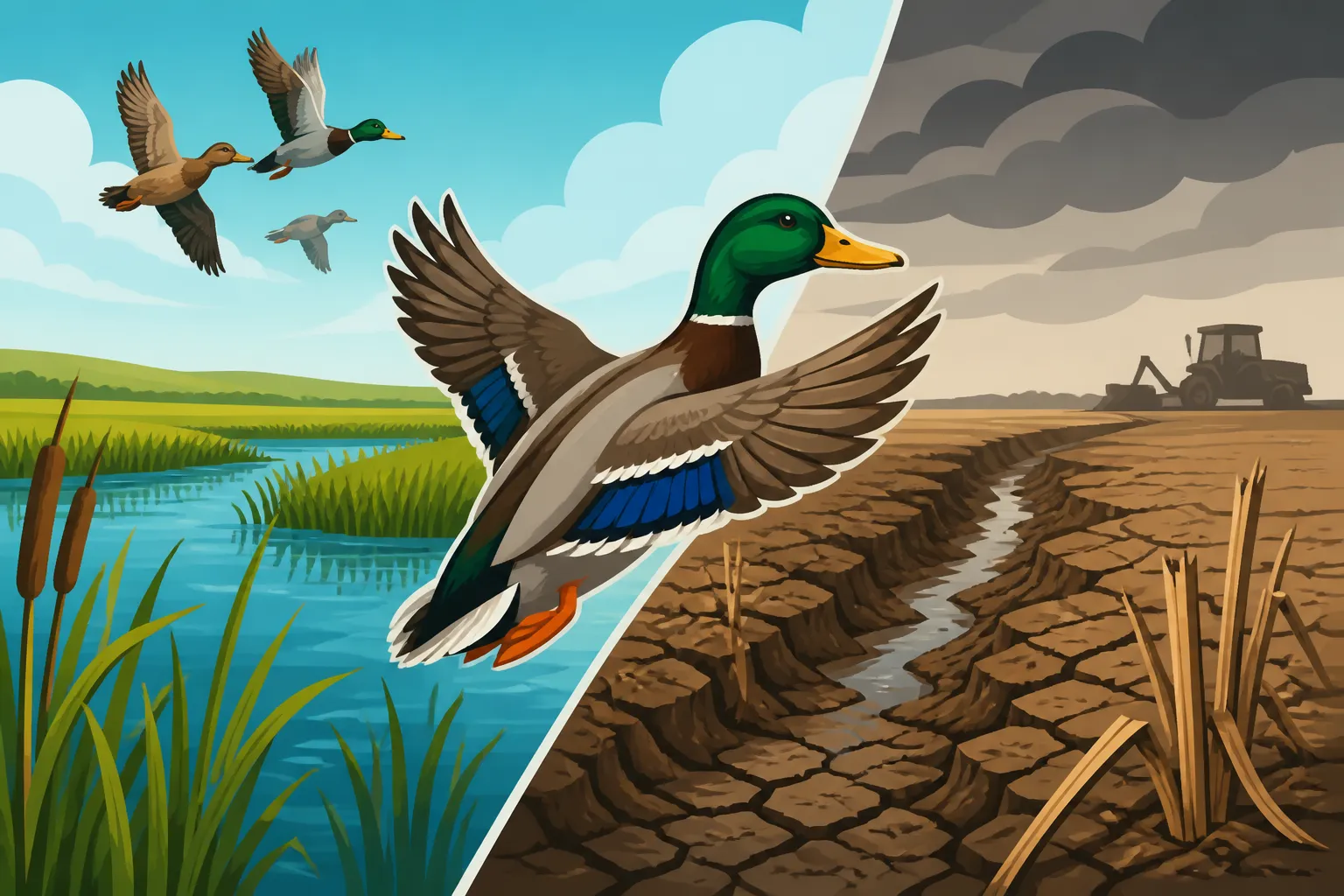
It's truly heartbreaking to witness the vast, shimmering wetlands that once dotted the Saskatchewan landscape slowly disappear, replaced by dry fields. This relentless drainage directly impacts the incredible duck populations our province is famous for, diminishing their vital nesting grounds and altering the migratory patterns that have sustained them for generations. This guide will delve into why these prairie potholes are so crucial, how drainage occurs, and the far-reaching consequences for ducks and the entire ecosystem.
The Vital Role of Prairie Potholes for Saskatchewan Ducks
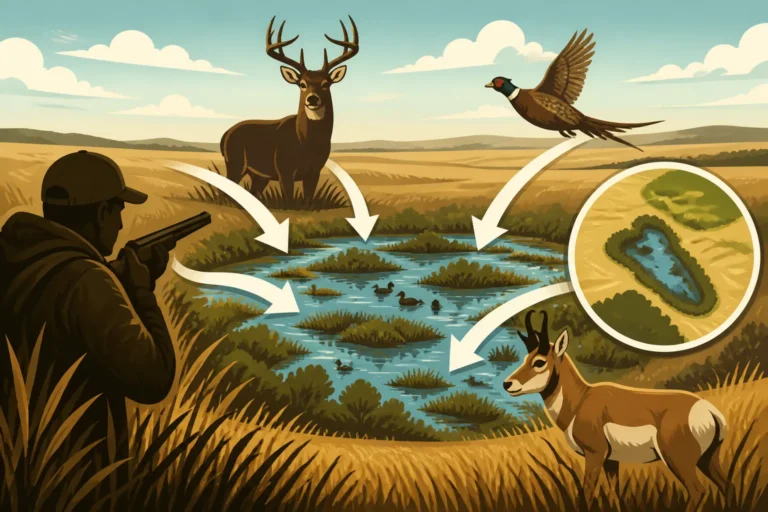
Saskatchewan, particularly its southern and central regions, sits within what’s known as the Prairie Pothole Region – an area often dubbed "North America's Duck Factory." This isn't just a catchy phrase; it's a profound truth based on the sheer biological productivity of these wetlands. These aren't just puddles; they are complex ecosystems providing everything a duck needs to thrive, especially during the critical breeding season.
A Nursery for Millions
Imagine spring arriving in Saskatchewan. The snow melts, and thousands upon thousands of shallow depressions fill with water. These are the prairie potholes, and for migratory ducks arriving from their southern wintering grounds, they are an absolute haven. Each small wetland acts as a distinct territory for breeding pairs. Ducks like mallards, pintails, blue-winged teal, and gadwalls quickly claim their spots, drawn by the rich invertebrate life that explodes in the shallow, warm waters. These invertebrates – insect larvae, crustaceans, and snails – are an essential protein source, critical for hens building nests and laying eggs. Without this readily available, nutrient-dense food, hens simply can't produce healthy clutches.
Beyond the food, these potholes offer essential nesting cover around their edges. Dense stands of cattails, sedges, and grasses provide camouflage and protection from predators for nesting hens. A hen sitting on a nest in thick cover is far less likely to be discovered by a fox or a coyote than one exposed in an open field. This mosaic of water bodies and surrounding cover is what makes Saskatchewan's landscape so uniquely suited to raising ducklings. It’s why places like the Quill Lakes region have historically been such magnets for Saskatchewan's Ducks and Geese.
Food and Shelter All Season Long
As the season progresses, these wetlands continue to provide crucial resources. Once ducklings hatch, they rely heavily on the invertebrate soup found within the potholes. This rich diet allows them to grow rapidly, preparing for the arduous migration ahead. Different types of wetlands also provide different benefits. Some may be ephemeral, drying out by late summer, while others retain water year-round, offering consistent refuge. This diversity in wetland types ensures that ducks have options as water levels fluctuate.
Beyond food, potholes provide shelter from severe weather, especially during spring and fall migrations. A sudden cold front or a strong wind can be devastating for exposed birds, but a cattail-lined slough offers a safe haven. For hunters, understanding this intricate relationship between ducks and their wetland habitats is key. Tools like GoHunt can help you visualize these historical wetland patterns, even in areas where drainage has changed the landscape, giving you a better understanding of what drew birds to certain locations in the first place. You'll often find that the best areas for Pothole Hunting Prairie Ducks are those that have retained some semblance of their original wetland character.
How Wetland Drainage Actually Happens
While the benefits of wetlands are clear, the reality on the ground is that drainage continues, driven by a complex mix of economic pressures and modern agricultural practices. It's not always a malicious act, but rather a slow, incremental loss that adds up to massive ecological damage over time.
Agricultural Expansion and Modern Equipment
The primary driver of wetland drainage in Saskatchewan is the expansion of agricultural land. Farmers are always looking to maximize their arable acreage, and a pothole, especially a smaller one, can seem like an obstacle in the middle of a prime field. With ever-larger machinery, farmers need expansive, uninterrupted fields for efficient seeding, spraying, and harvesting. Even small, seemingly insignificant wetlands can break up a field, costing time and fuel.
The methods for drainage vary. Sometimes it's as simple as ditching – digging a shallow trench to connect a wetland to a larger drainage system, allowing water to flow away. Other times, farmers might install tile drainage, which involves burying perforated pipes beneath the surface to draw water out of the soil. And in some cases, potholes are simply filled in with earth, effectively erasing them from the landscape. This push for "every acre in production" has a profound impact, especially on species like those Which Ducks Nest in Saskatchewan's Potholes. The economics can be compelling for individual producers, but the cumulative effect on the environment is undeniable.
Cumulative Effects and Invisible Losses
One of the biggest challenges with wetland drainage is that it often happens piecemeal, and the cumulative impact is underestimated. A farmer drains one small pothole here, a neighbor drains another there. Individually, these acts might seem minor, but over decades, millions of acres of wetlands have been lost across the prairies. This isn't just about water disappearing; it's about the loss of entire mini-ecosystems. The connectivity between wetlands is also crucial. When one is drained, it affects the hydrological balance of adjacent wetlands, sometimes causing them to dry up faster or become less productive.
Moreover, the effects aren't always immediately visible. A pothole might appear to hold water in the spring, but if its underground connection to the water table has been severed or its natural basin altered, it may dry up much earlier than it historically would have. This early drying can be catastrophic for late-nesting ducks or broods that need water and food well into the summer. Efforts to conserve and restore these vital areas, like those supported by the Saskatchewan's Wildlife Habitat Certificate and Saskatchewan's Fish and Wildlife Development Fund Lands, are crucial but face an uphill battle against these persistent pressures.
The Devastating Impact on Duck Populations
The direct link between wetland drainage and declining duck populations is undeniable. It's a fundamental issue of habitat loss – without suitable places to breed, feed, and raise their young, ducks simply cannot sustain their numbers.
Reduced Nesting Success and Brood Survival
When wetlands are drained, the immediate consequence is a reduction in available breeding territories. Ducks return north expecting to find these critical wet areas. If they're gone, birds are forced to crowd into remaining wetlands, leading to increased competition for resources and higher stress levels. More importantly, the loss of dense nesting cover around the wetland edges directly impacts nesting success. Hens are forced to nest in less secure locations, often closer to agricultural fields or roadways, making their nests far more vulnerable to predation. Predators like skunks, raccoons, and crows can easily locate nests in sparse cover.
Even if eggs hatch, the survival of ducklings is precarious. Drained landscapes often mean fewer temporary wetlands, which are crucial for broods. These shallow, insect-rich waters allow ducklings to feed and hide from aerial predators. Without these "brood ponds," ducklings face longer journeys to find food and shelter, increasing their exposure to predators and their risk of mortality from exhaustion or starvation. This directly impacts the number of young ducks that fledge and contribute to the population, diminishing the very reason Why Saskatchewan Is Called a Duck Factory.
Habitat Fragmentation and Disease Risk
Extensive wetland drainage also leads to habitat fragmentation, meaning the remaining wetlands become isolated pockets in a sea of agricultural land. This isolation can be detrimental for several reasons. Ducks might have to fly further between suitable feeding and resting areas, expending valuable energy. More critically, smaller, isolated wetlands can lead to increased disease transmission. When large numbers of birds are forced into a few remaining water bodies, conditions become ripe for the spread of avian botulism or other diseases, which can decimate local populations quickly.
Imagine a duck trying to find a mate and raise a family when its traditional breeding grounds have vanished. GoHunt's detailed satellite imagery can sometimes reveal how much a landscape has changed over time, highlighting areas where wetland loss has been particularly acute. Understanding these changes helps explain why certain regions might see fewer birds than they once did, even if they still hold some water. The importance of maintaining connected wetland systems cannot be overstated for the long-term health and resilience of our duck populations.
Beyond Ducks: Broader Ecological Consequences
While ducks are often the most visible victims of wetland drainage, their plight is a symptom of a much larger ecological imbalance. Wetlands are natural sponges and filters, and their loss has far-reaching effects on the entire ecosystem, impacting everything from water quality to flood control.
Water Quality and Flood Control
Natural wetlands act as Earth's kidneys. They filter runoff from surrounding lands, trapping sediments, absorbing excess nutrients (like nitrogen and phosphorus from fertilizers), and breaking down pollutants before they reach larger rivers and lakes. When wetlands are drained, this natural purification system is lost. Consequently, more sediment, agricultural chemicals, and pollutants flow directly into waterways, degrading water quality downstream and impacting aquatic life, including fish and other invertebrates.
Furthermore, wetlands are nature's best flood control mechanism. They act like giant sponges, soaking up immense volumes of water during heavy rains or rapid snowmelt, slowly releasing it over time. This reduces the peak flow of water, preventing or mitigating flooding in downstream communities and agricultural areas. Draining wetlands removes this vital buffering capacity, leading to faster runoff, increased erosion, and a higher likelihood of destructive floods. This is a critical consideration for communities across Saskatchewan, highlighting why even small Hunting a Saskatchewan Dugout at Dusk or Hunting a Willow Ring Around a Pothole features have significant hydrological value.
Biodiversity Loss for Other Species
The impact of wetland drainage extends far beyond just ducks. Wetlands are incredibly biodiverse habitats, supporting a vast array of plant and animal species. Amphibians like frogs and salamanders rely entirely on wetlands for breeding and survival. Many species of shorebirds, wading birds, and songbirds depend on the insects and aquatic life found in and around potholes. Muskrats, turtles, snakes, and countless invertebrate species also call these wetlands home.
When wetlands disappear, these species lose their habitat, food sources, and breeding grounds. This can lead to local extinctions and a overall decline in biodiversity, weakening the entire ecological fabric of the prairie landscape. The interconnectedness is profound; what affects one species often has a ripple effect throughout the food web. The cumulative effect of What Cropland Change Did to Prairie Game underscores how deeply these alterations impact a wide range of wildlife. Conserving our wetlands is not just about saving ducks; it's about preserving the rich natural heritage and ecological health of Saskatchewan for generations to come.
Disclaimer
This article is for general informational purposes only and does not constitute professional advice. Laws, prices and regulations vary by location and change over time. Consult a qualified professional for guidance on your specific situation.