Hunting Saskatchewan’s Boreal North
Hunting the vast and untamed Boreal North of Saskatchewan can feel like stepping into another world, a place where dense forests, countless lakes, and intricate waterways dominate the landscape, often leaving you wondering where to even begin. It's a land of incredible beauty and unparalleled hunting opportunities, but also one that demands respect, careful planning, and a deep understanding of its unique challenges. This comprehensive guide is here to walk you through everything you need to know, from understanding the terrain and the majestic game that call it home, to mastering navigation, planning your logistics, and ensuring your safety in this wild frontier.
The Unique Landscape of Saskatchewan's Boreal North
The Boreal North isn't just a different "zone" on a map; it's an entirely different hunting experience compared to the open prairies or even the mixed aspen parkland further south. This is a region defined by its coniferous forests, its abundant water, and its rugged, often unforgiving terrain. It’s a place that demands a different mindset, different gear, and different tactics. You can't just drive out, hop out of the truck, and expect to find game lurking around every corner like you might on a field edge.
Topography and Vegetation: A Hunter's Perspective
Imagine endless stands of black spruce, jack pine, and balsam fir, broken up by aspen and birch in regenerating areas, all stretching as far as the eye can see. The ground underfoot is often a mosaic of moss, lichen, and dense underbrush, making silent movement a true art form. Topographically, while it lacks the dramatic elevation changes of mountains, the Boreal North is far from flat. You'll encounter rolling hills, rocky outcrops, glacial moraines, and low-lying muskegs that can swallow a boot whole. These seemingly subtle changes in elevation create critical micro-habitats that game animals rely on. For example, a slightly higher, drier ridge might be a preferred travel corridor for moose or a bedding area for bears, offering a vantage point or escape cover that the lower, wetter areas simply don't. Understanding these nuances in vegetation and elevation is key to unlocking success here.
The dense cover is both a blessing and a curse. It provides unparalleled sanctuary for mature animals, allowing them to grow old and wise, often unseen. This is why Saskatchewan is known for growing some truly massive moose and bears. However, it also means visibility can be extremely limited, often measured in mere yards rather than hundreds of meters. Long-range shooting is rare; instead, you're looking for close encounters, quick decisions, and precision shots. Hunters often find themselves working through thick stands, trying to decipher faint game trails and navigate without disturbing the pristine quiet. It's a physical challenge, but the reward of connecting with an animal in such a wild setting is truly incomparable.
Climate and Seasonal Challenges
The northern climate presents its own set of challenges that dictate the rhythm of the hunt. Summers are short and intense, bringing with them swarms of insects that can test the patience of even the most seasoned outdoorsperson. Early fall, while beautiful, can still be warm, requiring diligent meat care. As the season progresses into late October and November, the temperatures plummet, and the first significant snowfalls begin. This is when the Boreal truly transforms. Snow makes tracking game much easier, but it also means dealing with extreme cold, frozen waterways, and potentially impassable roads. Hunting Saskatchewan Winter Weather Safely becomes paramount.
Hunting in these conditions demands robust gear, from insulated clothing systems that layer effectively to reliable shelter and heating options for extended stays. Frostbite is a real concern, and a sudden drop in temperature or an unexpected blizzard can turn a challenging hunt into a dangerous situation quickly. Adapting your hunting schedule to daylight hours, which shorten dramatically in the late season, and being prepared for rapid weather changes are non-negotiable aspects of northern hunting. The sheer cold can also affect firearm performance and battery life for electronics, so redundancy and preparedness are key.
Waterways: The Lifelines of the North
One of the most defining features of Saskatchewan's Boreal North is its intricate network of lakes, rivers, and streams. These aren't just scenic backdrops; they are the highways and lifelines for both wildlife and hunters. Moose often use shorelines for feeding and travel, while bears patrol riverbanks for berries and fish. Waterfowl find refuge in countless potholes and lakes, even far north. For hunters, these waterways can be the primary means of access into remote areas where roads simply don't exist. Canoe trips, boat rides, or even float plane charters are common ways to reach otherwise inaccessible territory.
Understanding the flow of rivers, the depth of lakes, and the presence of rapids or beaver dams is crucial for safe travel. A small stream you can easily step over in early fall might become a raging torrent after heavy rains or a frozen hazard in winter. Many hunters rely on these water routes to set up remote camps, access distant hunting grounds, or even for game retrieval. Learning to read the water, knowing where game animals cross, and respecting the power of nature's arteries are vital skills for anyone venturing deep into the Boreal. Some of the most productive hunting spots are found along these critical riparian corridors.
Prime Big Game Opportunities in the Boreal
When you think of big game in the Boreal, a few species immediately come to mind, and for good reason. The deep woods and vast expanses of the northern forest provide the ideal habitat for some of North America's most iconic animals. The lack of human pressure and abundant forage allows these animals to thrive, often reaching impressive sizes.
Moose: The Crown Jewel of Northern Hunting
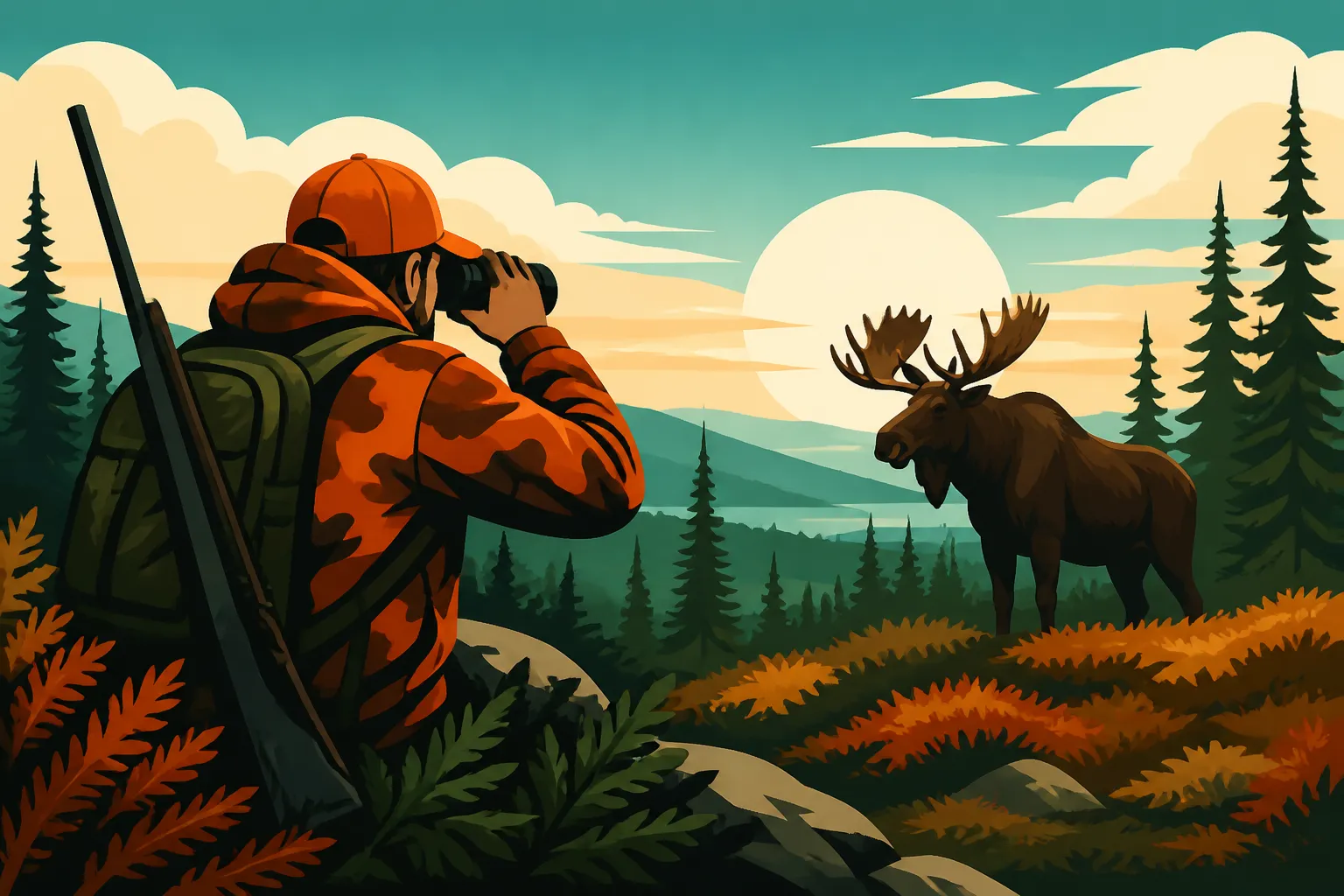
Without a doubt, moose are the undisputed kings of the Boreal North. Their massive size, imposing antlers, and preference for dense cover make them an incredibly challenging yet highly sought-after trophy. The northern zones of Saskatchewan are renowned for producing some truly gargantuan bulls, partly due to genetics and partly due to the sheer lack of hunting pressure in many remote areas. Moose thrive in areas with mixed forest and access to wetlands, where they browse on willow, aspen, and aquatic vegetation. Moose Hunting Saskatchewan's Farmland and Forest gives you a sense of their adaptability, but in the Boreal, they are truly wild.
Hunting Boreal moose often involves a combination of still-hunting, calling, and sometimes patiently waiting on travel corridors. During the rut, typically in late September and October, calling can be incredibly effective. A skilled caller imitating a cow in estrus or a challenging bull can draw a bull in from surprisingly far distances. However, the dense cover means these encounters often happen at close quarters, requiring quick reactions and steady nerves. Retrieving a moose in the Boreal is a monumental task, often requiring specialized gear or even a return trip by boat or ATV. Success often hinges not just on finding a moose, but on having a solid plan for getting it out. Calling a Bull Moose in the Rut is a critical skill to develop for this experience.
Black Bear: Abundant and Challenging
Saskatchewan's Boreal North is also home to a very healthy population of black bears, including a significant percentage of color-phase bears – chocolate, cinnamon, and even blonde. These bears thrive in the vast forests, finding ample food sources from berries and nuts to new growth and small game. Bear hunting in the Boreal is often done in the spring (May-June) or fall (September-October), with different strategies employed for each season. Spring bear hunting, for example, often focuses on baiting, as bears emerge from hibernation hungry and are more predictable in their feeding patterns. Setting a Bear Bait Site in Saskatchewan is a detailed process that requires dedication and understanding of bear behavior.
Fall bear hunting, conversely, often relies more on spot-and-stalk tactics, particularly around berry patches, remote cutlines, or areas where bears might be concentrated before denning for the winter. The sheer density of the Boreal forest provides incredible cover for bears, making them elusive and cunning. Hunters need to be patient, observe signs like claw marks on trees or scat, and be prepared for close encounters. Judging a bear's size and sex in the field can be tricky, especially with color variations, adding another layer of challenge to the hunt. The reward, however, is a fantastic hunting experience in truly wild country. Black Bear Hunting in Saskatchewan offers more insights into this popular pursuit.
Predators and Other Northern Game
Beyond moose and bear, the Boreal North is a thriving ecosystem for various predators and furbearers, offering additional hunting and trapping opportunities. Wolves, for instance, are present throughout the northern forests, maintaining the health of the moose and deer populations. While incredibly difficult to hunt, harvesting a Boreal wolf is a highly prized achievement for many hunters, symbolizing a deep understanding of the wilderness. Hunting Wolves in the Northern Bush is a testament to the skill required. Lynx, pine marten, fisher, and beaver are also commonly found, often pursued by trappers during the winter months.
While not typically the primary target for big game hunters, encountering these other species adds to the rich tapestry of the Boreal hunting experience. The presence of a healthy predator population is a strong indicator of a balanced ecosystem. Understanding the roles these animals play, their movements, and their sign can also aid in tracking and understanding the broader game movements in an area. For instance, fresh wolf tracks might indicate moose are in the area, or a lynx sighting could hint at snowshoe hare concentrations.
Small Game and Upland Birds of the Northern Bush
While the big game often steals the spotlight, the Boreal North also offers excellent opportunities for small game and upland bird hunters. These species provide a different kind of challenge and a chance to explore the forest on foot with a shotgun or small-caliber rifle, often filling out the larder with delicious wild meat.
Ruffed and Spruce Grouse: Forest Floor Delights
The northern forests are teeming with grouse, primarily ruffed grouse and spruce grouse. Ruffed grouse, with their characteristic drumming display, prefer mixed stands of aspen and poplar, often near old logging roads or clearings. They're masters of camouflage and can be incredibly explosive when flushed, providing a thrilling challenge for wing shooters. Ruffed Grouse Hunting Saskatchewan's Bush Trails is a classic Boreal experience, walking quiet trails and anticipating a sudden flush. A good pointing dog can be a huge asset in these dense environments, helping locate birds before they burst from cover.
Spruce grouse, on the other hand, are more typically found in dense coniferous forests, particularly around black spruce and jack pine. They are often referred to as "fool hens" due to their tendency to hold tight, sometimes allowing a hunter to approach quite closely before flushing. This makes them a bit easier for new hunters or those preferring a more leisurely pace. Both species are excellent table fare and provide a fantastic reason to spend more time exploring the quieter corners of the Boreal. Hunting grouse often involves covering a lot of ground, paying attention to changes in vegetation, and listening for their distinctive calls.
Snowshoe Hare: The Boreal's Cycle King
The snowshoe hare is a cornerstone species of the Boreal ecosystem, famous for its dramatic population cycles that peak and crash every 8-10 years. In years of high numbers, the Boreal can seem alive with hares, offering incredible hunting opportunities. They thrive in dense coniferous thickets, willow swamps, and regenerating cutblocks, where they can find ample cover and browse. Their ability to change fur color with the seasons – brown in summer, pure white in winter – is a marvel of adaptation that makes them incredibly hard to spot against a snowy backdrop.
Hunting snowshoe hare is a fantastic way to experience the Boreal, often done on foot with a .22 rifle or a small-gauge shotgun. It's a game of patience, keen eyesight, and often, following fresh tracks in the snow. Hunting Snowshoe Hare in Saskatchewan's Bush can be particularly engaging in late fall and winter when their white coats are in full display, making for a challenging target against the dark timber. Hares provide excellent camp meat and are a great way to introduce new hunters to the challenges and rewards of hunting in dense cover. The cyclical nature of their populations means some years will be more productive than others, but they are always present, providing a constant source of food for many Boreal predators.
Essential Navigation and Scouting in Remote Territory
One of the biggest hurdles and most critical skills for hunting the Boreal North is navigation. With limited roads, vast expanses of uniform forest, and often no cell service, getting lost is a real, potentially life-threatening concern. Therefore, mastering navigation and effective scouting methods is paramount to a successful and safe hunt.
Leveraging Digital Tools and Satellite Imagery
Modern technology has revolutionized how hunters approach remote areas, and the Boreal North is no exception. Apps like onX Hunt and GoHunt, for example, provide invaluable satellite imagery, property boundaries (crucial for understanding Crown vs. private land), and GPS capabilities right on your smartphone or dedicated GPS unit. These tools allow you to virtually scout an area from your couch, identifying potential access points, dense cover, pinch points, and water sources that might hold game. You can mark waypoints for proposed camp locations, key terrain features, or game sign, and then navigate directly to them in the field. Scouting With Satellite Imagery in Saskatchewan is a skill that will dramatically increase your efficiency.
However, relying solely on electronics can be risky. Batteries die, devices get wet, and signals can be unreliable in dense bush or deep valleys. Always download offline maps for your hunting area before you leave service. Use these digital maps to identify key features like old logging roads, power lines, or major drainages that can serve as linear features for navigation. The ability to instantly see your position on a detailed satellite map, overlaid with land ownership, is a game-changer for understanding the terrain and planning your movements safely and efficiently. Remember, these tools are powerful aids, but they don't replace fundamental woodsman skills.
Understanding Physical Maps and Compass Skills
Despite the wonders of digital technology, a good old-fashioned topographical map and a compass are still absolutely essential in the Boreal. They don't run out of battery, and they provide a broader perspective of the landscape that a small screen sometimes can't. Topo maps show elevation changes, waterways, and trails that might not be visible on satellite imagery due to tree cover. Learning to read contour lines, identify terrain features like ridges, valleys, and saddles, and correlate them with what you see on the ground is a skill that takes practice but is invaluable.
A compass allows you to orient your map and navigate without relying on GPS. Knowing how to take a bearing, follow a line of travel, and back-track to a known point can quite literally save your life if your electronics fail. Always carry a physical map of your hunting area, preferably waterproofed, and know how to use it with your compass. Even if you primarily use GPS, regularly checking your position against a physical map helps you maintain situational awareness and develop a mental picture of the terrain, which is vital in featureless bush.
Remote Scouting and Reading Sign
Actual boots-on-the-ground scouting, even if limited, is the final piece of the navigation and game-finding puzzle. The Boreal is a dynamic environment, and recent changes like blowdowns, new logging activity, or beaver dams can alter game patterns. Look for fresh tracks, rub lines, scrapes, browse marks, and bedding areas. Moose trails can be surprisingly well-defined in the bush, acting as highways. Bear sign might include scat, overturned rocks, or claw marks on trees. Reading Sign After Fresh Saskatchewan Snow can be incredibly productive, revealing recent animal activity and travel patterns.
Pay attention to natural pinch points – areas where topography or dense cover funnels animals into a smaller corridor. These might be narrow strips of high ground between two muskegs, river crossings, or the edge of a recent cutblock meeting mature timber. These are ideal locations for setting up a stand or focusing your still-hunting efforts. Remote scouting also includes simply observing the habitat – what plants are growing, where are the berry bushes, where is the freshest browse? This comprehensive approach, combining digital, physical, and on-the-ground observation, is what truly prepares you for a successful Boreal hunt.
Strategic Approaches for Hunting the Northern Boreal
Hunting in the dense, often featureless Boreal forest requires specific strategies tailored to the environment and the animals that live there. You can't just employ the same tactics you'd use in an open whitetail woodlot or a prairie coulee. It's a game of patience, quiet movement, and understanding how animals use the thick cover to their advantage.
Still-Hunting and Tracking in Dense Cover
Still-hunting is perhaps the most effective and rewarding method for pursuing big game in the Boreal. This isn't about sitting stationary; it's about moving incredibly slowly and deliberately, stopping frequently to observe, listen, and scan the surroundings. Think of it as hunting at a snail's pace, taking only a few steps, then pausing for several minutes, letting your eyes and ears do the work. The goal is to spot game before it spots you, or to hear the subtle sounds of an animal moving through the dense underbrush. This is especially effective when there's a light dusting of snow, which dampens sound and reveals fresh tracks.
Tracking becomes an integral part of still-hunting in the Boreal. Learning to identify and follow fresh tracks – noting their size, stride, and direction of travel – can lead you directly to game. Moose, in particular, often leave very clear trails. When tracking, it’s critical to move quietly, check the wind constantly, and always be prepared for a shot, as an animal can often be just ahead, bedded down and listening. The sheer vastness means you might walk for miles without seeing anything, but that one slow, deliberate stalk could put you on the bull of a lifetime.
Calling Tactics for Moose and Bears
For moose and bear, calling can be an extremely potent strategy, particularly during specific seasons. For moose, the rut in late September and October is prime time for calling. Imitating a cow's mournful bawl or a bull's guttural grunts can draw in curious or aggressive bulls. The dense Boreal cover often means that bulls will circle downwind, trying to catch a scent before committing, so setting up strategically and paying attention to wind direction is crucial. Sometimes, a "raking" sound, scraping a moose scapula or paddle against a tree, can simulate a bull rubbing his antlers and provoke a response.
Black bears, while not as vocally responsive as moose, can sometimes be drawn in with calls, especially during the spring when they're looking for food. Distress calls, mimicking a fawn or cub in distress, can pique a bear's predatory interest. During the fall, when bears are focused on foraging, a subtle vocalization might just be enough to get their attention if they're close by. Persistence and patience are key with calling, as animals might take a while to respond or approach. It's also important to be ready for an encounter once you start calling, as the animal could appear much sooner and closer than you expect.
Establishing Remote Camps and Logistics
Given the remoteness of many Boreal hunting areas, establishing a functional remote camp is often a necessity. This could range from a simple spike camp for a few nights to a more elaborate wall tent setup for extended stays. Logistically, this means packing in all your supplies – food, water, fuel, cooking gear, sleeping arrangements, and emergency supplies. Weight and space become critical considerations. Many hunters use canoes, ATVs, or even fly-in services to get their gear into these locations.
The choice of camp location is also strategic. You want to be close enough to your hunting grounds for easy access, but far enough away not to spook game. Proximity to a reliable water source is important, as is a spot with good drainage and some protection from the wind. Safety from bears is always a consideration, so proper food storage (hanging bags, bear-resistant containers) is non-negotiable. Having a comfortable, warm, and dry camp to return to after a long day in the bush is vital for maintaining morale and energy during a multi-day hunt. Camping on Saskatchewan Crown Land often means being self-sufficient in every aspect.
Planning Your Boreal Adventure: Gear, Safety, and Regulations
Successfully navigating and hunting Saskatchewan's Boreal North is as much about meticulous planning and preparedness as it is about hunting skill. The remote nature of the terrain, combined with potentially extreme weather, means that what you bring, and how you prepare, can make or break your trip.
Crucial Gear for Northern Conditions
Your gear choices are paramount when heading into the Boreal. Forget cotton – synthetic layers or merino wool are essential for staying warm and dry, even when wet. A good layering system allows you to adapt to fluctuating temperatures throughout the day. Outer layers need to be waterproof and windproof to protect against rain, snow, and biting winds. Insulated, waterproof boots that can handle deep snow and soggy terrain are non-negotiable; cold, wet feet will quickly ruin a hunt. Remember, you might be sitting still for hours in a stand or blind, so over-dressing is often better than under-dressing. Boots for Sitting Still in Deep Cold are an important investment.
Beyond clothing, a reliable backpack capable of carrying heavy loads (especially if you're quartering game for retrieval) is essential. Navigation tools (GPS, compass, maps, power banks), a quality headlamp with spare batteries, a first-aid kit designed for remote wilderness, fire-starting supplies, and emergency shelter are all critical safety items. A high-quality knife and game bags are a must for field dressing. For those venturing far from conventional roads, consider a satellite communication device like a satellite phone or a two-way satellite messenger (like a Garmin InReach or Zoleo) to ensure you can call for help in an emergency, as cell service will be non-existent.
Safety Protocols in Remote Saskatchewan
Safety in the Boreal is not just a suggestion; it's a way of life. Always inform someone of your exact hunting plans, including your route, expected return time, and who to contact if you don't check in. This is called a "trip plan" and it's essential. Travel with a partner whenever possible. In bear country, carrying bear spray and knowing how to use it is prudent, even when hunting. Understand the signs of hypothermia and frostbite, and how to treat them. What to Do If You Get Stuck in the Bush is also valuable knowledge.
Water safety is another key consideration. If you're using a boat or canoe, ensure everyone wears a PFD. Be aware of changing weather conditions on large lakes, which can quickly become dangerous with high winds. Proper firearm handling and safety are always critical, especially in dense cover where visibility can be limited. Always identify your target clearly and know what lies beyond it. Lastly, ensure you have enough food, water, and emergency rations for several extra days in case you get delayed due to weather, mechanical issues, or a successful hunt requiring an extended stay for retrieval.
Understanding Northern Hunting Zones and Rules
Saskatchewan's hunting regulations vary by Wildlife Management Zone (WMZ), and the Boreal North encompasses several distinct zones. It is absolutely crucial to familiarize yourself with the specific rules for the zone you plan to hunt, including season dates, bag limits, species availability, and any special restrictions. Different zones may have different antler point restrictions for moose or specific requirements for bear tags. The official Saskatchewan Hunters' and Trappers' Guide is your go-to resource, and it's wise to review it thoroughly before each season.
Pay close attention to regulations regarding baiting, vehicle use, and accessing Crown land. Some areas may have specific closures or restrictions due to forestry operations, wildfire risk, or other conservation efforts. Being well-versed in these rules not only keeps you legal but also ensures you're hunting ethically and sustainably. Knowing Saskatchewan's Big Game Season Dates for your chosen zone is just the first step; understanding all the nuances of the regulations is vital for a safe and successful Boreal hunt.
Public Access and Land Regulations in the North
One of the biggest advantages of hunting Saskatchewan's Boreal North is the abundance of public land, primarily known as Crown land. However, simply knowing it's "public" isn't enough; understanding the specific rules for access, different types of Crown land, and where you can and cannot go is critical to avoid issues.
Navigating Saskatchewan's Crown Land Access
Vast tracts of the Boreal North are Crown land, meaning they are publicly owned and generally open for hunting. This is a huge benefit, offering incredible opportunities for unguided, self-sufficient hunts. However, access to these remote areas can be challenging. Many areas are roadless, requiring float planes, boats, or extensive hiking to reach. Where roads do exist, they are often gravel, poorly maintained, or old logging roads that may become impassable with rain or snow. It's not uncommon to encounter private land interspersed with Crown land, even in the north, particularly along major waterways or near communities. Using mapping tools like onX Hunt, which clearly delineates land ownership, is incredibly helpful here. Reading Saskatchewan Crown Land Layers on onX can save you a lot of headaches and keep you legal.
Even on Crown land, there can be specific restrictions. For instance, some areas may be designated as Provincial Parks or Wildlife Management Areas with altered hunting rules, or even outright prohibitions. There may also be active grazing leases on Crown land where ranchers have exclusive rights to graze cattle, but public access for hunting is generally still permitted, provided you respect the land and any livestock. Always double-check regulations for specific areas, as what's allowed in one WMZ may be restricted in another. Saskatchewan's Crown Land Access provides more general details.
Utilizing Old Logging Roads and Cutlines
Old logging roads and cutlines are often the lifelines for hunters accessing the deeper Boreal. These narrow tracks, originally created for forestry operations, cut through vast expanses of timber, offering pathways where none existed before. They can provide relatively easier walking, act as natural game corridors, and sometimes offer slight elevation changes that improve visibility. However, many of these roads are not maintained, can be overgrown, washed out, or blocked by fallen trees. They can also become incredibly muddy and impassable after rain, or snow-drifted shut in winter.
When using these routes, understanding their condition and having a vehicle capable of handling rough terrain (like a good 4×4 truck or ATV) is often essential. Always be prepared for downed trees that require chainsaw work to clear, or deep ruts that demand careful navigation. From a hunting perspective, these linear features are often excellent places to still-hunt or set up stands, as game animals frequently use them for travel. Hunting a Saskatchewan cutline can be very productive for both moose and bear.
Respecting Trapping Areas and Commercial Operations
It's important to remember that the Boreal North is not just a hunting ground; it's also actively used by trappers, commercial fishermen, and forestry operations. Trapping lines, often marked by blazes on trees or subtle trails, are active areas during the fall and winter. While hunters can legally be in these areas, it's a matter of respect and safety to be aware of active trap sets. Many trappers post signs, but not all. Be mindful of their livelihood and property.
Similarly, active forestry operations will have heavy equipment and falling trees, posing significant safety hazards. Always respect signage and avoid active logging sites. The North is a working landscape, and coexisting respectfully with all users is part of the hunting ethos. If you encounter active operations or trappers, a friendly wave and a brief chat can go a long way in fostering positive relationships and ensuring everyone can enjoy the wilderness safely. Knowing the varied uses of the land helps you plan your hunt to minimize conflicts and maximize your enjoyment.
Table of Common Boreal Game and Hunting Methods
| Species | Preferred Habitat | Primary Hunting Methods (Boreal) | Optimal Season |
|---|---|---|---|
| Moose | Mixed forest, wetlands, river/lake edges, recent burns | Calling (rut), Still-hunting, Tracking | Late Sep – Oct |
| Black Bear | Dense coniferous/mixed forest, berry patches, cutlines | Baiting (Spring), Spot-and-stalk (Fall) | Spring, Fall |
| Wolf | Remote Boreal forest, cutlines, near prey populations | Calling, Tracking, Chance encounters | Fall, Winter |
| Ruffed Grouse | Mixed aspen/poplar stands, old roads, clearings | Still-hunting, Flushing with dogs | Early Fall |
| Spruce Grouse | Dense coniferous (spruce/pine) thickets | Still-hunting, Walking trails | Early Fall |
| Snowshoe Hare | Dense coniferous thickets, willow swamps, cutblocks | Still-hunting, Tracking in snow | Late Fall, Winter |
Disclaimer
This article is for general informational purposes only and does not constitute professional advice. Laws, prices and regulations vary by location and change over time. Consult a qualified professional for guidance on your specific situation.