Hunting Saskatchewan’s Porcupine Hills
Hunting the Porcupine Hills region of Saskatchewan can feel like stepping into a different world compared to the vast open prairie. It’s a stunning, rugged landscape that offers incredible hunting opportunities, but it also presents unique challenges that can frustrate even seasoned hunters. This guide will walk you through what to expect and how to prepare for a successful and safe hunt in this remarkable part of our province.
Understanding the Porcupine Hills Ecosystem
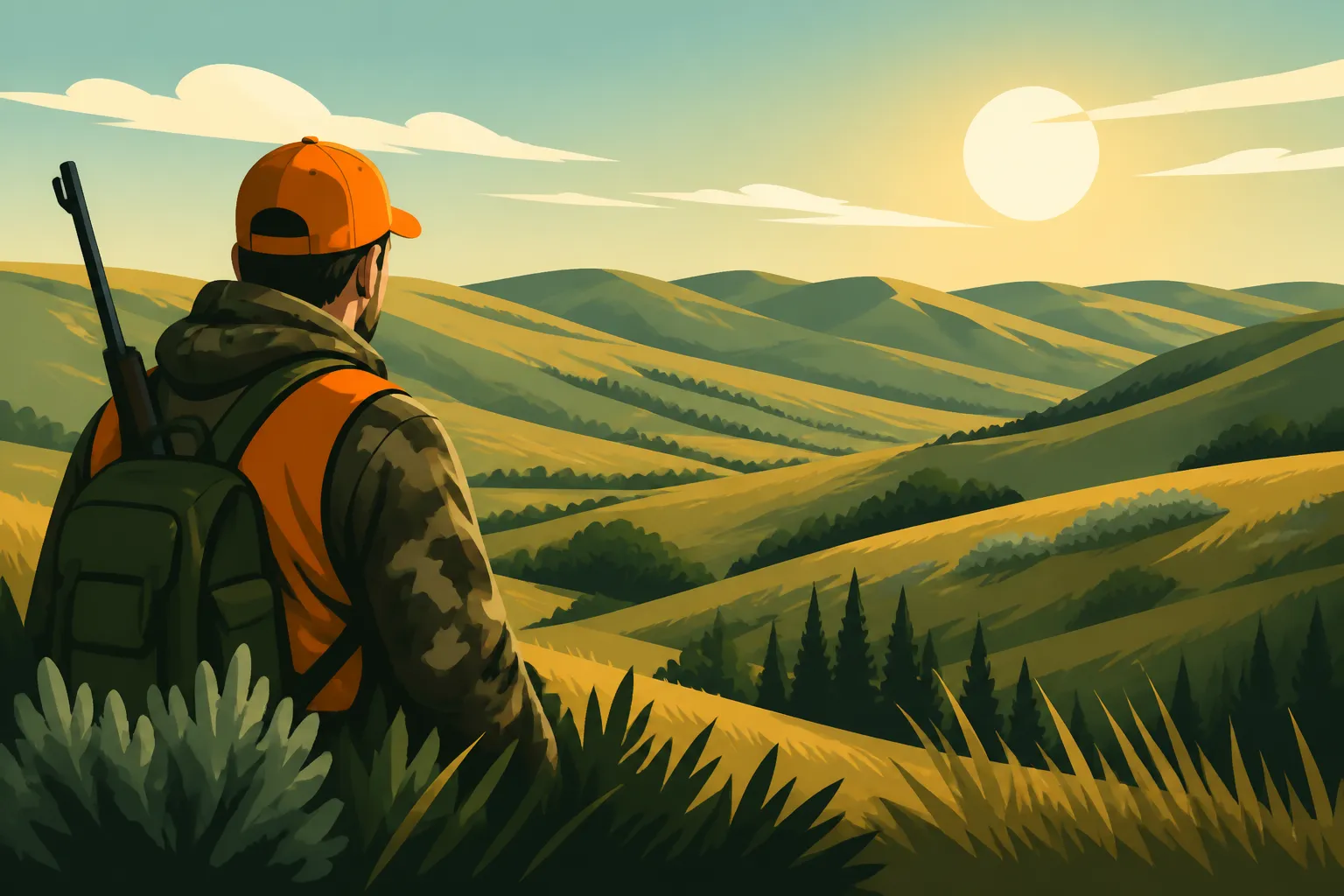
The Porcupine Hills, nestled in east-central Saskatchewan, are a truly unique geographical feature. Unlike much of the province's gently rolling prairie, this area boasts significant elevation changes, dense forest, and a remarkable diversity of habitats. Understanding this distinct ecosystem is the first step to planning a successful hunt.
Geography and Terrain
Imagine a landscape carved by ancient glaciers, leaving behind a series of rolling hills, steep ridges, and deep coulees that are often heavily wooded. This isn't flat prairie hunting; it's a mix of mature aspen stands, spruce and pine forests, willow swamps, and open meadows, all interwoven with a complex network of waterways, sloughs, and small lakes. You'll find elevation gains and descents that will test your legs and your resolve, especially when navigating thick brush or packing out an animal.
The terrain varies from relatively gentle slopes that might transition into farm fields on the fringes, to truly rugged, untamed bush that requires careful navigation. The ground underfoot can be uneven, littered with deadfall, and incredibly wet in places. During the colder months, deep snow can accumulate quickly, making travel even more arduous. Hunters often find themselves working through dense cover, sometimes with limited visibility, which demands a different approach than the long-range glassing common in other parts of the province. This blend of forest and open pockets creates a complex environment that animals use to their advantage, making them challenging to locate and approach.
Key Species and Habitat
The Porcupine Hills are a wildlife haven, supporting a remarkable array of game species that thrive in its varied habitats. White-tailed deer are abundant, especially in the forest fringe areas and where the hills meet agricultural land. These bucks often grow large, benefiting from the plentiful browse in the bush and the nutritional boost from nearby grain fields. Mule deer, though less common than whitetails, can sometimes be found on the more open, broken slopes, particularly on the western edges where the landscape transitions toward prairie.
But it's not just deer. The dense forests and wetland areas are prime habitat for moose, which often frequent the thick timber and wet lowlands. Elk herds also roam these hills, utilizing the mix of forest cover for bedding and open meadows for grazing. You'll find a healthy population of black bears, which depend on the forest for berries, nuts, and denning sites. For those interested in smaller game, the Porcupine Hills are fantastic for Hunting Saskatchewan's Upland Birds, with ruffed grouse and spruce grouse common in the bush, and Hungarian partridge found on the edges where bush meets farm fields. The rich mosaic of food sources, water, and dense thermal cover makes this area incredibly productive for a wide range of animals.
Preparing for a Porcupine Hills Hunt
Hunting in the Porcupine Hills demands more than just a rifle and a tag; it requires careful preparation, the right gear, and a strategic approach to scouting. The rugged landscape and varied weather conditions mean you need to be self-sufficient and ready for anything.
Essential Gear and Equipment
When you head into the Porcupine Hills, think robust and reliable. Your clothing system needs to be versatile, allowing for layering to adapt to rapidly changing temperatures, from crisp mornings to surprisingly warm afternoons, or sudden cold snaps. Waterproof and windproof outer layers are non-negotiable, as you'll likely encounter rain, snow, or wet brush. Good quality, waterproof boots with excellent ankle support are paramount, especially given the uneven terrain and potential for wet ground. You'll be doing a lot of walking, often off-trail, so comfort and durability in your footwear are key.
Beyond clothing, a reliable navigation system is crucial. While a physical map and compass are essential backups, modern GPS devices or robust hunting apps on your phone (like onX Hunt) can be invaluable for pinpointing your location, marking waypoints, and tracking your route in dense bush where landmarks are scarce. Always carry extra batteries or a power bank. High-quality binoculars are important for glassing openings or identifying game in the timber, and a powerful headlamp or flashlight is a must for navigating in low light or emergencies. Don't forget a well-stocked first-aid kit, fire-starting supplies, and enough food and water for longer than you expect to be out. A sturdy pack for carrying gear and, hopefully, meat, is also essential. Remember to check Legal Firearms and Bows for Big Game and wear the required Saskatchewan Blaze Orange Rules for safety.
Scouting and E-Scouting Strategies
Effective scouting is the cornerstone of a successful Porcupine Hills hunt. Traditional boots-on-the-ground scouting, done well before the season, involves looking for fresh sign like tracks, rubs, scrapes, and bedding areas. Pay attention to natural funnels, saddlebacks, and dense cover near food sources. However, the sheer size and ruggedness of the Porcupine Hills make e-scouting an incredibly powerful tool that saves time and effort.
Tools like onX Hunt and GoHunt are game-changers here. Before you even leave home, you can pore over satellite imagery and topographic maps to identify potential bedding areas, travel corridors between dense cover and feeding grounds, and water sources. Look for areas where different habitat types meet, like the edge of a dense spruce forest transitioning into an aspen stand or a brushy cutline. Use the mapping features of onX Hunt to mark potential stand locations, possible access points, and even challenging terrain features you’ll want to avoid. Pay special attention to elevation changes and how they might funnel animals. GoHunt can also provide valuable insights into hunt success rates and draw odds for specific zones, helping you refine your area selection. By layering historical aerial photos with current satellite views, you can often identify old logging roads, clearings, or beaver ponds that might not be obvious from the ground. This combination of digital reconnaissance and physical scouting will give you a significant advantage in breaking down this vast and complex hunting ground. Scouting With Satellite Imagery in Saskatchewan can tell you a lot before you ever drive a gravel road.
Strategies for Specific Game in the Porcupine Hills
The diverse habitat of the Porcupine Hills means that different species require different hunting strategies. What works for a whitetail in a dense poplar bluff won't necessarily be effective for an elk grazing in an open meadow. Understanding these nuances is key to filling your tag.
Whitetail and Mule Deer Tactics
For white-tailed deer in the Porcupine Hills, the name of the game is often stealth and patience. Whitetails here live in dense cover, using the varied topography to evade hunters. Still-hunting slowly through aspen bluffs, along the edges of spruce thickets, or through willow runs can be very effective. Look for fresh sign, move into the wind, and take frequent pauses to scan the woods. Rifle hunters might find success hunting pinch points or funnels created by the terrain. Treestands or ground blinds strategically placed near food sources, bedding areas, or travel corridors can also pay off, especially during the rut. Patience is crucial; a whitetail might stand perfectly still in thick cover, waiting for you to pass, so always expect movement where there is none. During the late season, when snow pushes deer into thicker cover, knowing Where Saskatchewan Whitetails Bed in Snow can be invaluable.
Mule deer, while less common, tend to prefer the more open, broken country, especially on the western fringes of the hills. If you're targeting mule deer, focus on glassing coulee bottoms, south-facing slopes, and areas with scattered timber and open patches. Spot-and-stalk tactics, common for mule deer on the prairie, can be adapted here, utilizing the terrain for cover as you approach. Patience with your optics from a high vantage point is often the best approach to locate them before making a move.
Moose and Elk Hunting Approaches
Moose thrive in the Porcupine Hills' mix of dense forest, swamps, and riparian areas. Moose Hunting Saskatchewan's Farmland and Forest in this region often involves still-hunting through thick timber, paying close attention to fresh tracks, browse, and rubs. During the rut, calling can be highly effective. Cow calls, grunts, and raking a paddle on trees can mimic the sounds of a rival bull or a receptive cow, drawing in curious or aggressive bulls. Access can be difficult, and moose often retreat deep into the bush. Having a plan for Getting a Moose Out With a Quad or by quartering is essential due to their immense size and the challenging terrain.
Elk, which are present in healthy numbers, often graze in open meadows or along the edges of agricultural fields during low-light hours, retreating into the dense timber for bedding during the day. Elk Hunting in Saskatchewan here can involve glassing these open areas at dawn and dusk, then either waiting for them to move into range or planning a quiet stalk into their bedding cover. Bugling can be an effective tactic during the rut, especially when trying to locate herds or challenge a bull. Understanding their movement patterns between feed and cover is key, as they are intelligent and wary animals. They often use the high ground and dense cover to their advantage, so being aware of wind direction and thermals is critical.
Bear and Upland Bird Opportunities
The Porcupine Hills offer excellent opportunities for black bear hunting. Black Bear Hunting in Saskatchewan is often done by baiting in the spring, which is a popular and effective method. Setting up well-maintained bait sites, often in secluded areas with good visibility from a stand, allows hunters to observe bears and make an ethical shot. Fall bear hunting can involve spot-and-stalk, particularly in areas rich with berry crops or where bears might be feeding on natural mast. Identifying active feeding areas or fresh scat is key to finding bears in the fall.
For upland bird enthusiasts, the Porcupine Hills are a paradise. Ruffed grouse are plentiful in the aspen and mixed wood forests, often found along old logging roads, ATV trails, and natural clearings. Still-hunting or walking these trails slowly, listening for drumming or flushes, is a productive method. Spruce grouse are found in the dense spruce and pine stands. Hungarian partridge, while preferring more open country, can be found along the edges of fields and shelterbelts that border the hills. A good bird dog can dramatically increase your success and enjoyment when pursuing these birds, but walking slowly and covering ground methodically works well too.
Navigating Access and Regulations
Hunting in the Porcupine Hills, like anywhere in Saskatchewan, means understanding where you can hunt and what rules apply. The land ownership here is a mosaic, and regulations can vary even within close proximity, making pre-hunt planning critical.
Crown Land vs. Private Land Access
A significant portion of the Porcupine Hills region is comprised of Crown land, particularly within the larger forested blocks. This public land is generally open for hunting by residents, offering vast tracts to explore. However, Crown land is often interspersed with private holdings, grazing leases, and agricultural land, creating a patchwork that can be confusing if you don't do your homework. Using mapping apps like onX Hunt is absolutely essential here, as they often have layers that clearly delineate Crown land boundaries, allowing you to confidently stay on public access areas. Always verify your location.
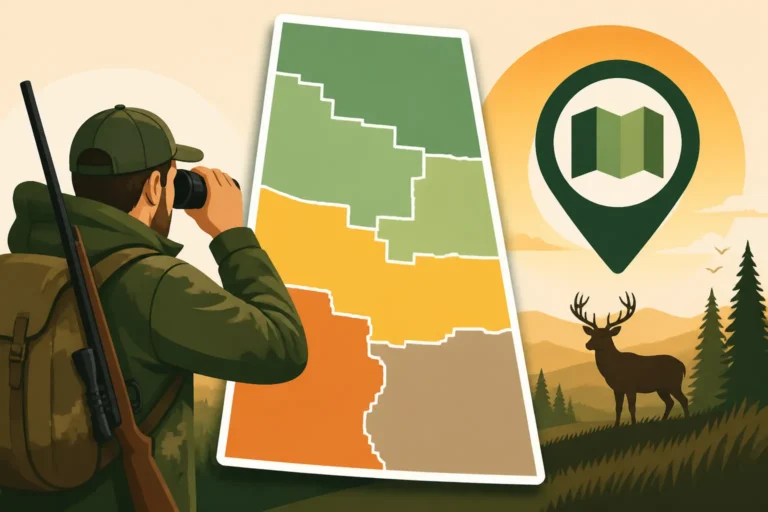
For any hunting on private land, including grazing leases, you must obtain permission from the landowner or leaseholder before stepping foot on the property. Failing to do so is trespassing and can result in serious penalties, not to mention a bad reputation for all hunters. Knocking on Doors in Saskatchewan Farm Country requires respect and courtesy. Even if land appears un-posted, it's always best practice to seek permission. Some areas of the Porcupine Hills also feature Fish and Wildlife Development Fund (FWDF) lands, which are public lands specifically managed for wildlife habitat and generally open for hunting, often with specific access rules. Knowing how to find and interpret Reading a Saskatchewan WMZ Map Before You Go will be your best friend.
Specific Zone Considerations and Rules
The Porcupine Hills fall within several Wildlife Management Zones (WMZs), and the specific regulations for species, seasons, and bag limits will vary from zone to zone. It's not a one-size-fits-all situation. For example, a zone might have a general open season for antlered whitetail deer but require a draw for antlerless deer or for certain moose or elk tags. Some zones might have different archery or muzzleloader season dates. You absolutely need to consult the current Saskatchewan Hunters' and Trappers' Guide, published annually by the provincial government, for the most up-to-date information for your specific WMZ.
Pay close attention to draw requirements for species like moose and elk, as these are often highly sought after and may require building priority points. For resident hunters, understanding Saskatchewan's Big Game Draw process and deadlines is critical. Non-residents, of course, have different rules and generally need to book through a licensed outfitter to hunt big game. Always double-check opening and closing dates, legal shooting hours, and any specific equipment restrictions for the zone you plan to hunt. Failure to know and follow the rules can lead to fines and loss of hunting privileges, which nobody wants.
Safety and Logistics in Rugged Terrain
Hunting in the Porcupine Hills is an adventure, but its remote and rugged nature also demands a heightened focus on safety and logistical planning. Being prepared for the unexpected is not just a good idea; it's essential for a positive outcome.
Weather Preparedness and Emergency Planning
Saskatchewan weather, particularly in the fall and winter, can be incredibly unpredictable. A warm, sunny morning can quickly turn into a blizzard, heavy rain, or a deep freeze. When hunting the Porcupine Hills, you must be prepared for drastic temperature swings and rapid changes in conditions. Layers are your best friend, allowing you to add or shed clothing as needed. Always carry extra warm, waterproof clothing, even if the forecast looks mild. Hypothermia is a serious risk in wet and cold conditions. Hunting Saskatchewan Winter Weather Safely means more than just bundling up; it means understanding the signs of frostbite and hypothermia and how to prevent them.
Beyond clothing, a comprehensive emergency plan is paramount. Carry a reliable form of communication – a satellite phone or a two-way satellite messenger like a Garmin inReach is highly recommended, as cell service can be non-existent in many parts of the hills. Always tell someone your exact hunting plan, including your route, where you'll be parking, and when you expect to return. Pack a whistle, signal mirror, fire starter, shelter (even a large orange garbage bag can be life-saving), high-calorie snacks, and a well-stocked first-aid kit. Knowing basic first aid and survival skills could be the difference in an emergency situation.
Off-Road Travel and Retrieval Challenges
Accessing prime hunting areas in the Porcupine Hills often requires venturing off main roads. Many old logging roads and cutlines exist, but they can be rough, muddy, deeply rutted, or completely grown over. A high-clearance 4×4 truck is often a necessity, and an ATV or side-by-side can be invaluable for navigating deeper into the bush. However, be aware of the rules for Quad and Side-by-Side Rules on Crown Land and always respect marked private land. Expect trails to be challenging, especially after rain or snow. Getting stuck is a real possibility, so carry recovery gear like a winch, shovel, tow strap, and traction mats.
Retrieving a large animal like a moose or elk from the dense, rugged terrain of the Porcupine Hills is arguably the biggest physical challenge you'll face. These aren't flat fields where you can drive right up to your game. Be prepared to quarter your animal on site and pack it out, often over considerable distances and difficult ground. Bringing along a game cart, even if you think you might not need it, can be a back-saver. Hunting with a partner or a group significantly eases the burden of retrieval and enhances overall safety. Planning your route in and out, considering how you'll get an animal back to your vehicle, is just as important as finding the animal itself. Remember that Meat Care in Saskatchewan's Cold Snaps is vital to prevent spoilage, especially if you have a long retrieve ahead.
| Species | Primary Habitat | Key Hunting Strategy | Gear Considerations |
|---|---|---|---|
| White-tailed Deer | Dense aspen, spruce thickets, bush edges | Still-hunting, stand hunting funnels/feeding areas, tracking | Quiet clothing, good optics, reliable navigation |
| Mule Deer | Open slopes, broken coulees, western fringes | Spot-and-stalk from vantage points | High-power binoculars/spotting scope, comfortable boots |
| Moose | Thick timber, willow swamps, riparian zones | Still-hunting, calling during rut, tracking | Waterproof gear, game cart/pack frame, powerful headlamp |
| Elk | Forest cover for bedding, open meadows for graze | Glassing field edges, bugling (rut), quiet stalking | Long-range optics, wind-checker, quiet approach |
| Black Bear | Mature forests, berry patches, denning sites | Baiting (spring), spot-and-stalk (fall), keen observation | Scent control, reliable rifle/bow, sturdy blind |
| Upland Birds | Trails, forest edges, clearings, shelterbelts | Still-hunting trails, flushing dogs, slow methodical walks | Comfortable boots, light shotgun, dog (optional) |
Disclaimer
This article is for general informational purposes only and does not constitute professional advice. Laws, prices and regulations vary by location and change over time. Consult a qualified professional for guidance on your specific situation.