One-on-One Versus Two-on-One Guiding
One of the biggest questions hunters face when planning a guided trip to Saskatchewan, or anywhere really, is figuring out the right guiding ratio. It’s a common frustration: you want the best possible experience, but you also need to manage your budget and expectations. This guide will walk you through the nuances of one-on-one versus two-on-one guiding, helping you understand what each option offers and how to choose the perfect fit for your next hunting adventure in the vast and game-rich lands of Saskatchewan.
Understanding Guiding Ratios in Saskatchewan Hunting
When you’re looking at booking a guided hunt, you’ll often see options like "1×1" or "2×1" guiding ratios. These numbers essentially tell you how many hunters will be sharing a guide. It's not just a detail; it profoundly impacts your entire experience, from the moment you step into the field to the success of your hunt. Saskatchewan’s diverse terrain and abundant wildlife offer fantastic opportunities, but the method of guiding can make or break your trip, especially if you have specific goals in mind.
What is One-on-One Guiding?
Imagine this: it's just you and your guide, navigating a frosty Saskatchewan morning. This is the essence of one-on-one guiding. You are the sole focus of your guide's attention, and every decision, every movement, every whispered piece of advice is tailored specifically to you and your immediate hunting situation. This personalized approach means that if you're deep in the bush tracking a monster whitetail or carefully approaching a remote mule deer in a prairie coulee, your guide is dedicating every ounce of their expertise to your pursuit.
The benefits here are clear. You get undivided attention, meaning the guide can truly focus on your technique, your comfort, and your specific hunting goals. If you're a newer hunter, this can be invaluable for learning field craft, tracking, and shot placement. For seasoned veterans, it means maximum flexibility; if a sudden opportunity arises, your guide can react instantly without needing to consult another hunter or consider their specific needs or preferences. This ratio is often sought after for high-value hunts, like pursuing a top-tier whitetail during Hunting Saskatchewan's November Rut, where every moment counts and stealth is paramount. The downside, as you might expect, is the cost. It's generally the most expensive option because you're essentially paying for your guide's full, exclusive time and expertise.
What is Two-on-One Guiding?
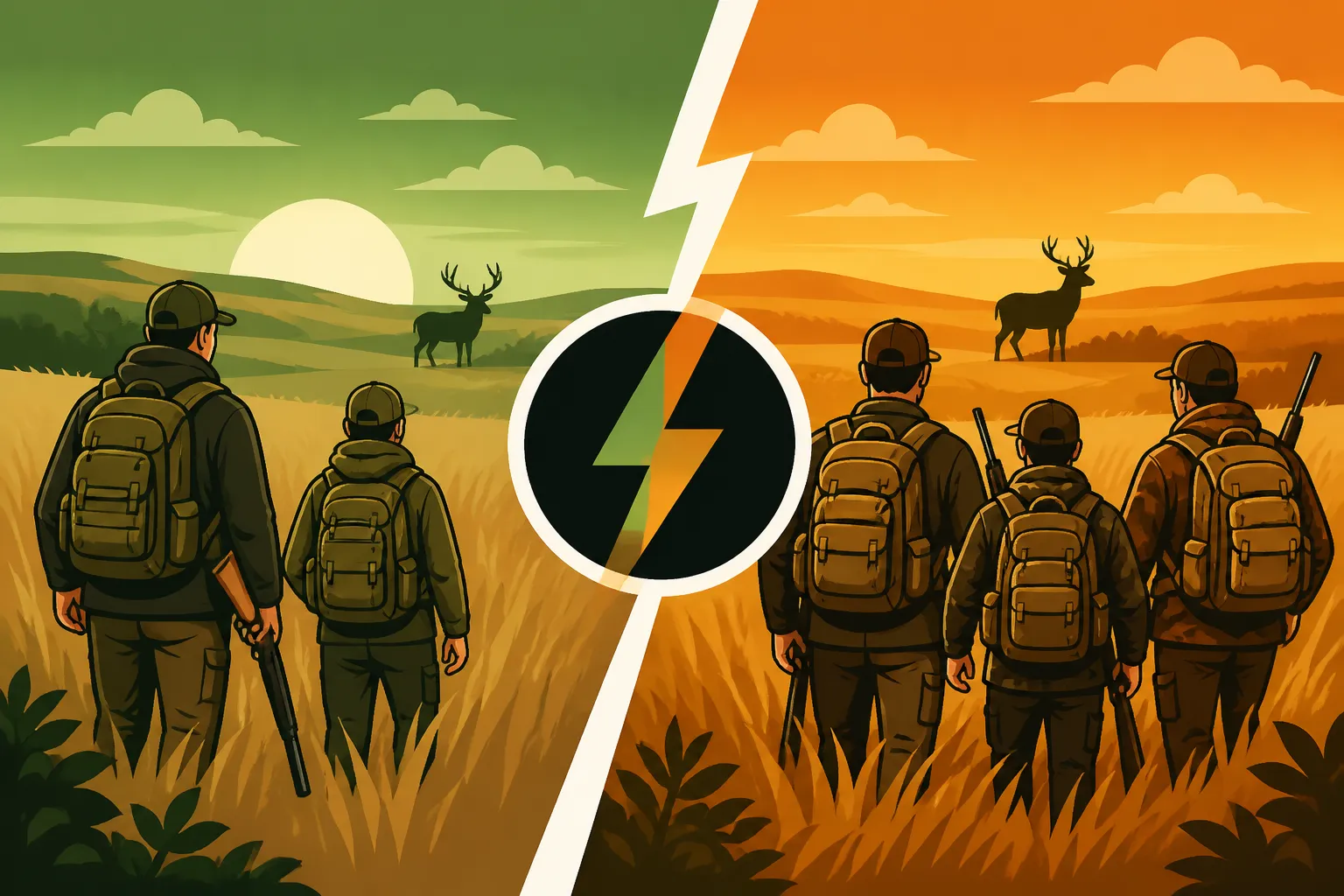
Now picture this scenario: you and a hunting partner, perhaps a buddy or a family member, are sharing a guide. This is two-on-one guiding. It's a very popular option, especially for friends or couples who want to experience the hunt together and split some of the costs. In a 2×1 setup, the guide still provides invaluable expertise and direction, but their attention and planning must now accommodate two individuals, which naturally leads to a different dynamic.
The most significant advantage of 2×1 guiding is the cost efficiency. By sharing the guide's fee, each hunter's individual expense is reduced, making a guided trip to Saskatchewan more accessible. Beyond the financial aspect, it fosters a unique camaraderie. You get to share the highs and lows, the long waits and the thrilling moments, with someone close to you. This can create lasting memories and stories that you’ll recount for years. However, this shared experience also comes with shared attention. The guide has to balance the needs, skill levels, and expectations of two hunters. This can mean less flexibility in the field – for example, if one hunter is ready to move, the other might need more time, or if two animals present themselves simultaneously, a decision has to be made about whose opportunity to prioritize. It can also mean a slower pace overall, as more coordination is required for every move, especially in situations demanding extreme stealth or precise timing.
Factors to Consider When Choosing Your Guiding Ratio
Deciding between one-on-one and two-on-one guiding isn't just about the numbers; it's about matching the experience to your personal hunting philosophy, your budget, and the specific adventure you're chasing. Saskatchewan offers a vast canvas for hunters, from the dense northern bush to the sprawling southern prairies, and your choice of guiding ratio will significantly influence how you interact with that landscape and its wildlife.
Your Hunting Style and Goals
Think about the kind of hunter you are and what you hope to achieve. Are you a solo adventurer, seeking introspection and a deep connection with the wilderness? Do you crave intense, strategic hunts where every move is calculated and stealth is paramount? If your goal is to pursue a specific, elusive trophy animal, like a mature whitetail buck in its prime, or to spend hours honing specific tracking skills, then one-on-one guiding provides the focused attention necessary for those nuanced challenges. Your guide can dedicate themselves to reading every sign, interpreting every wind shift, and reacting instantly to a developing situation without any divided attention. This is especially true for specialized hunts like Bowhunting Saskatchewan's September Season, where precision and quiet movement are critical.
Conversely, if your primary goal is a more relaxed experience, perhaps sharing laughs around a campfire and enjoying the social aspect of hunting, then a two-on-one setup might be perfect. Maybe you’re introducing a younger hunter to the sport through Saskatchewan Youth and Mentored Hunting, where a shared guide can offer support to both of you. If you’re hunting a species where opportunities come frequently, like abundant ducks and geese during Waterfowl Hunting Saskatchewan's Grain Fields, sharing a guide often doesn't detract from the experience at all, and can even enhance it with shared excitement.
Budgetary Considerations
Let's be realistic: cost is almost always a factor. One-on-one guiding, by its very nature, commands a higher price tag. You are, after all, monopolizing a skilled professional's time and expertise. This premium investment is for that undivided attention and tailored experience we've discussed. When you’re looking at "what a Saskatchewan guided hunt costs," you'll notice a significant difference in the per-hunter price between these two options.
Two-on-one guiding, however, allows you to split that cost, making the overall trip more affordable for each individual hunter. This can be a game-changer for many, enabling them to experience a world-class hunt in Saskatchewan that might otherwise be out of reach. When you're browsing platforms like BookYourHunt for packages, you'll see how this pricing structure plays out. While a 2×1 hunt reduces the individual cost, it's important to remember that you're also sharing the guide's time. It's a trade-off: more budget-friendly, but less individualized attention. Weighing this financial aspect against your desired experience is key to a satisfying hunt.
The Species You're Pursuing
The type of animal you're hunting in Saskatchewan can be a major determinant in your guiding ratio choice. Some species and hunting methods are simply better suited to one-on-one attention, while others integrate well into a shared guiding experience.
For instance, if you're coming to Saskatchewan specifically for a trophy Whitetail Hunting in Saskatchewan or Mule Deer Hunting Saskatchewan's Prairie, especially during the peak rut, a one-on-one guide can be invaluable. These hunts often involve meticulous tracking, quiet stalking, and quick, crucial decisions. A dedicated guide can focus solely on reading deer sign, watching wind currents, and positioning you for the best shot without having to coordinate with a second hunter. They can react instantly if a magnificent buck breaks cover unexpectedly, ensuring your opportunity isn't diluted by shared attention. This singular focus can significantly increase your odds on a highly sought-after animal in challenging terrain like the forest fringe.
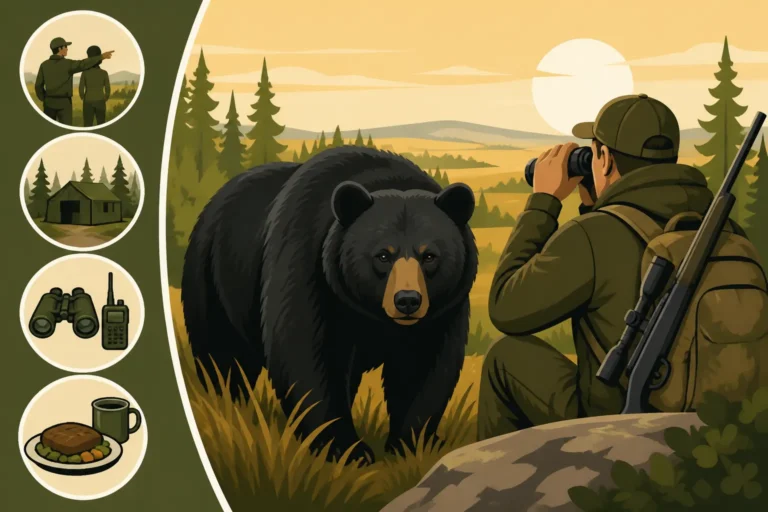
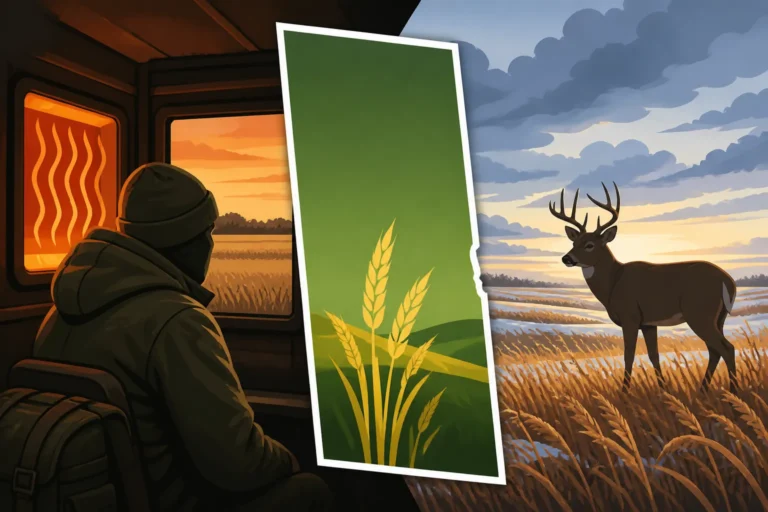
On the other hand, certain hunts lend themselves perfectly to a two-on-one scenario. Consider Baiting Black Bear in Saskatchewan. Often, hunters sit in fixed stands over baits. While a guide sets up the baits and transports hunters, the actual hunting often involves quiet waiting. Two hunters can comfortably share a guide's services, perhaps even sharing a large blind, rotating stand locations, or simply enjoying the experience together. The same applies to Field Hunting Geese in Saskatchewan Stubble, where a guide sets up a massive decoy spread and manages the flock calls, but the shooting opportunities are generally abundant enough for two hunters to have plenty of action. The guide's primary role shifts from intimate, focused stalking to managing the logistics and overall success of the group.
Personal Preferences and Group Dynamics
Beyond the practicalities, your personal comfort and the dynamics of your hunting party play a huge role. Are you someone who thrives on solitude in the woods, preferring minimal conversation and maximum focus? If so, a one-on-one guide might be exactly what you need to fully immerse yourself in the hunting experience without the distractions of a companion. This allows for a deeper connection with your guide and the environment, facilitating a truly personal journey.
However, many hunters cherish the shared experience. Going with a trusted friend, a sibling, or a spouse on a two-on-one guided hunt can be incredibly rewarding. It provides opportunities for shared stories, mutual support, and celebrating successes together. Imagine the satisfaction of you and your long-time hunting buddy both tagging out on Saskatchewan deer with the help of one excellent guide! This camaraderie often outweighs the slight reduction in individual guide attention for many. It's crucial, however, that the two hunters in a 2×1 scenario have compatible hunting styles, fitness levels, and expectations. Discrepancies in these areas can lead to frustration and diminish the experience for both parties, as the guide will constantly be mediating or compromising.
Practical Implications for Your Saskatchewan Hunt
The choice between one-on-one and two-on-one guiding extends far beyond the initial booking. It weaves into the very fabric of your daily hunt, influencing everything from how quickly you can react in the field to the depth of instruction you receive. Understanding these practical implications is essential for setting realistic expectations and ensuring your Saskatchewan hunting trip is everything you dreamed of.
Logistics and Flexibility on the Ground
Think about the fluidity of a hunt. In a one-on-one situation, when your guide spots a distant whitetail or a fresh track in the snow, the decision to pursue, stalk, or set up an ambush is almost instantaneous. There's no need to huddle, debate, or consider a second hunter's stamina or preferences. This allows for lightning-fast reactions to opportunities that often vanish in moments. If you're hunting a tricky area like a willow run or trying to get close to an animal in open prairie, that immediate response can be the difference between a successful shot and watching a trophy disappear over the horizon. This agility is especially critical during intense periods like Hunting Saskatchewan's November Rut, where bucks are constantly on the move and opportunities can present themselves with little warning.
With a two-on-one setup, every strategic move requires more coordination. If the guide spots an animal, they must brief two hunters, ensure both are ready, and then often position both for a shot. This process naturally takes more time. If one hunter has a physical limitation or needs a moment, the entire group slows down. While a good guide will manage this skillfully, there will inevitably be compromises. Perhaps one hunter gets the primary shot opportunity, or the stalk is less aggressive to accommodate both. It’s a give-and-take that prioritizes the shared experience, but might mean missing a fleeting chance that a solo hunter would have capitalized on.
Quality of Instruction and Experience
For many hunters, especially those new to Saskatchewan's unique hunting environment or those looking to expand their skills, a guided hunt is also an educational experience. The guiding ratio directly impacts the depth of this instruction.
In a one-on-one setting, you become the student, and your guide is the dedicated mentor. They can explain every detail, from reading subtle game sign in the Hunting a Saskatchewan Bush Bluff to perfecting your grunt calls late in the rut. They can critique your stalk, offer immediate feedback on your shot setup, and immerse you in the nuances of hunting a particular species. This personalized coaching accelerates your learning curve significantly, building confidence and competence. For someone looking to truly understand the local environment and animal behaviour, this intense focus is unparalleled.
With two-on-one guiding, the instruction becomes more generalized. While the guide will still offer advice and share knowledge, it's divided between two individuals. They might provide general tips to both, but deep, personalized coaching for each hunter is less feasible. The guide's priority shifts to facilitating opportunities for both hunters, which might mean less time for in-depth explanations or personalized skill development. For experienced hunters who are confident in their abilities and simply need local knowledge and logistics, this might not be an issue. However, if you're hoping for a comprehensive educational experience, the undivided attention of a one-on-one guide will prove more beneficial. Platforms like GoHunt can sometimes specify if an outfitter offers a particular focus on instruction, which could help narrow down your choice.
Potential Scenarios and Trade-offs
Let's consider a few hypothetical situations to illustrate the real-world trade-offs.
Scenario 1: The Early Tag Filler
In a two-on-one deer hunt, what happens if one hunter bags their trophy on day one? Does the hunt essentially become a one-on-one experience for the remaining hunter, or does the guide's attention remain somewhat split, perhaps assisting with carcass retrieval or simply having less urgency since one tag is filled? Outfitters handle this differently, and it's a critical question to ask upfront. In a one-on-one hunt, this isn't an issue – your hunt continues until you fill your tag or the hunt concludes, with full guide dedication.
Scenario 2: Conflicting Desires
Suppose you and your partner in a two-on-one duck hunt have different ideas about where to set up or what type of field to hunt. You might prefer a distant pond for pintails, while your partner wants a stubble field for Canada geese. The guide must mediate, potentially leading to a compromise that isn't ideal for either hunter's primary goal. In a one-on-one scenario, these decisions are entirely yours, guided by your guide's expertise, leading to a much more focused pursuit.
Scenario 3: The Rare Opportunity
You're stalking through the Hunting the Forest Fringe for Big Bucks on a 2×1 hunt. A massive buck suddenly appears, offering a fleeting shot opportunity for only one hunter due to brush or angle. The guide has to make a quick decision about who gets the shot, which can create tension. In a 1×1 hunt, that opportunity is unequivocally yours.
These scenarios aren't meant to deter you but to highlight the realities. A well-vetted outfitter and an upfront conversation about these possibilities, perhaps found through research on sites like BookYourHunt, can help mitigate potential issues in a 2×1 hunt.
| Feature | One-on-One Guiding (1×1) | Two-on-One Guiding (2×1) |
|---|---|---|
| Guide Attention | Exclusive, undivided, personalized | Shared between two hunters |
| Cost (per hunter) | Higher | Lower |
| Flexibility | High; quick decision-making | Moderate; requires coordination |
| Instruction | Deep, tailored, hands-on | General, less individualized |
| Camaraderie | Primarily with guide | High, shared with hunting partner |
| Pace of Hunt | Faster, more aggressive if desired | Slower, more deliberate |
| Ideal For | Trophy hunts, new hunters needing intense coaching, specialized techniques, solitude | Friends/family hunting together, budget-conscious, less demanding species, social experience |
| Decision-Making | Yours, with guide input | Collaborative or guide-mediated |
Making the Right Choice for Your Saskatchewan Adventure
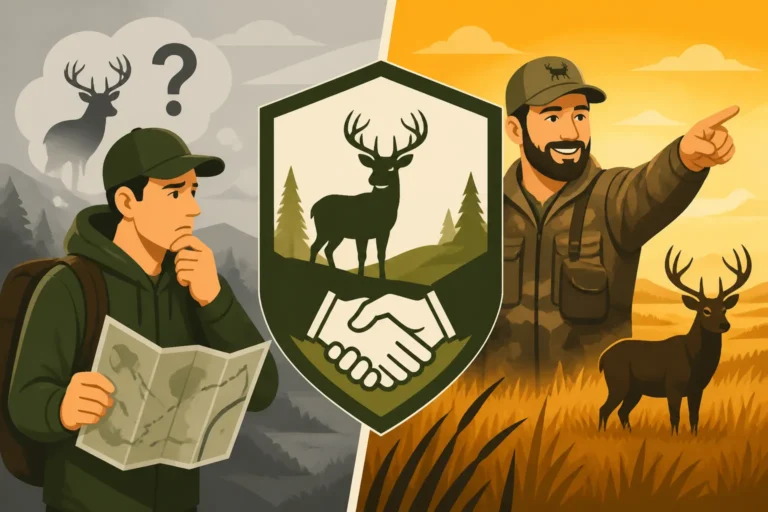
Ultimately, there's no universally "better" option between one-on-one and two-on-one guiding. The ideal choice is deeply personal and depends entirely on what you value most in a hunting trip to Saskatchewan. It's about aligning your expectations, your budget, and your hunting aspirations with the experience an outfitter can provide.
Asking the Right Questions to Your Outfitter
Before you commit to a booking, especially if you're leaning towards a two-on-one package, don't be afraid to ask detailed questions. A reputable outfitter will appreciate your thoroughness. For example, inquire specifically: "What does the 2×1 ratio truly mean in terms of daily guide time in the field?" "If one hunter fills their tag early, what happens to the remaining hunter's experience?" "How are conflicting preferences handled?" "What is the typical hunter-to-guide ratio in camp outside of the field?" Understanding these nuances can prevent misunderstandings and ensure a smoother trip. When you're using resources like GoHunt to research potential outfitters, look for reviews or detailed descriptions that shed light on their guiding philosophy and how they manage different ratios. Also, remember to clarify details around Tipping a Saskatchewan Guide, as expectations might differ based on the guiding ratio and overall service.
When One-on-One Shines
One-on-one guiding truly shines when your hunt is about maximum focus, personalized instruction, and an uncompromised pursuit of a specific goal. If you're coming to Saskatchewan to chase a once-in-a-lifetime trophy, like a massive non-typical whitetail buck, or to experience the intense challenge of Hunting the Forest Fringe for Big Bucks, that dedicated guide attention can be priceless. It allows for unwavering concentration, instant adaptability to changing conditions, and the freedom to spend hours tracking or waiting for that perfect moment. It's also the superior choice for hunters who are either new to the sport and need extensive coaching, or those seeking a deep, solitary connection with nature, where the guide acts as a facilitator of that personal journey.
When Two-on-One is Ideal
Conversely, two-on-one guiding becomes the ideal choice when the shared experience is a priority. If you're bringing a close friend, a family member, or even a spouse, and you want to share the adventure, the storytelling, and the inevitable highs and lows together, then 2×1 is perfect. It's also an excellent option for those on a tighter budget who still want to experience the thrill of a guided hunt without the premium price tag of a solo booking. For species where hunting often involves fixed positions, like sitting in ground blinds over bait for Baiting Black Bear in Saskatchewan, or in a layout blind during Field Hunting Geese in Saskatchewan Stubble, the need for constant, singular guide attention on a stalk is less pronounced, making a shared guide highly practical and enjoyable. The key is ensuring both hunters are compatible in their expectations and hunting styles, setting the stage for a harmonious and memorable trip. No matter your choice, thorough preparation and clear communication with your outfitter, as advised in Choosing the Right Saskatchewan Outfitter, will set you up for a fantastic hunting experience in Saskatchewan.
Disclaimer
This article is for general informational purposes only and does not constitute professional advice. Laws, prices and regulations vary by location and change over time. Consult a qualified professional for guidance on your specific situation.