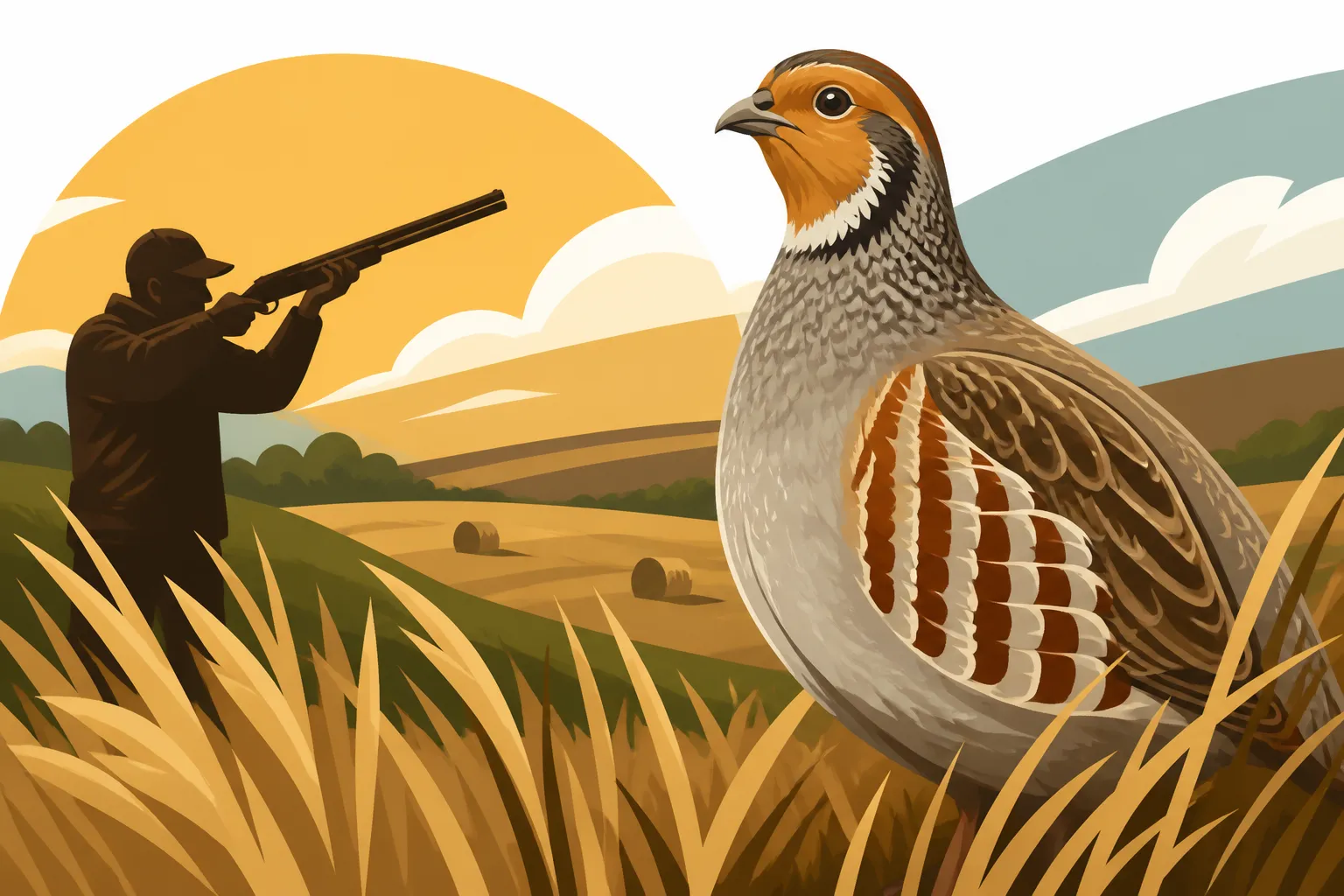
Hungarian Partridge on Saskatchewan Farms
There's nothing quite like the explosive flush of a covey of Hungarian partridge rising from a prairie stubble field, making your heart leap into your throat. For many hunters in Saskatchewan, chasing these elusive "Huns" across our vast agricultural landscapes is a cherished tradition, but finding them consistently can feel like a game of hide-and-seek. This guide will walk you through everything you need to know to successfully hunt Hungarian partridge on Saskatchewan farms, from understanding their habits to mastering hunting strategies and navigating local regulations.
Understanding Hungarian Partridge in Saskatchewan
Hungarian partridge, often affectionately called Huns, are a staple of the Saskatchewan upland bird hunting scene. These feisty little birds, introduced from Europe, have found a true home in the agricultural heartland of the province, providing countless hours of challenging and rewarding hunting opportunities.
A Bit About the Bird Itself
The grey partridge, or Hungarian partridge (Perdix perdix), isn't native to North America, but it has certainly made itself comfortable. Originally brought over in the late 19th and early 20th centuries, they thrived in areas with intensive agriculture that mimicked their European homelands. These are relatively small game birds, typically weighing about 12-14 ounces, with a distinctive grey-brown plumage, a chestnut horseshoe patch on the breast (more pronounced in males), and a short, rust-coloured tail that flashes when they flush.
What makes Huns so captivating to hunt is their behaviour. They are covey birds, meaning they live in small family groups, usually 8-15 birds, that stick together for protection. When disturbed, they explode from cover in a burst of wings and frantic calls, often scattering in multiple directions, making for a challenging shot. They prefer to run rather than fly when danger approaches, using their natural camouflage to melt into the landscape, only taking wing as a last resort. Their diet primarily consists of seeds, grains, and insects, which makes Saskatchewan's diverse farmlands an absolute buffet for them.
Where They Thrive on Saskatchewan Farms
Saskatchewan's agricultural landscape is, quite frankly, a paradise for Hungarian partridge. Unlike larger game birds that might prefer dense bush or extensive forest, Huns are perfectly adapted to open country. They flourish in mixed farming areas where there's a patchwork of grain fields (wheat, barley, oats, lentils, peas, canola), hayfields, pasture, and vital escape cover provided by shelterbelts, brushy coulees, and undisturbed grassy areas.
The key to their success on farms lies in the availability of food throughout the year and protective cover. In the spring and summer, fields provide abundant insects for chicks and nesting cover. Once harvest rolls around, the leftover grains in stubble fields become an easy and crucial food source, sustaining them through the leaner winter months. Think of a typical Saskatchewan farm: a mix of cultivated fields, perhaps a few treed shelterbelts planted decades ago, a ditch or two grown thick with weeds and bushes, and maybe a slough ringed with tall grass. This diverse mosaic provides everything a covey of Huns needs to survive and thrive. They need edges – the transition zones between different types of cover and food sources – which farmlands provide in spades.
Population Trends and Factors
Like all wildlife populations, Hungarian partridge numbers in Saskatchewan aren't static; they fluctuate based on a variety of environmental factors. We see cycles where numbers are high for a few years, offering fantastic hunting, followed by dips. Understanding these trends can help hunters manage expectations and appreciate the resource.
One of the biggest factors influencing partridge populations is weather, particularly during nesting and overwintering periods. A cold, wet spring can significantly impact nesting success, reducing chick survival. Conversely, a mild winter with less snow cover can lead to higher overwinter survival rates, as birds have easier access to food and expend less energy staying warm. Severe blizzards, however, can be devastating, burying food sources and leading to direct mortality. Habitat loss and fragmentation due to changing agricultural practices can also play a role, as can predation pressure from raptors, coyotes, and foxes.
While partridge numbers might vary, Saskatchewan generally boasts a robust population, especially in the central and southern agricultural zones. The province's commitment to habitat programs, often supported by initiatives like the Wildlife Habitat Protection Act (WHPA), helps ensure critical upland bird habitat is preserved. Keeping an eye on provincial wildlife reports or talking to local landowners and wildlife officers can give you a good sense of current population trends in a specific area.
Locating Partridge on Saskatchewan Farmland
Finding Hungarian partridge isn't about aimlessly walking fields; it's about reading the landscape and understanding their daily patterns. These birds are creatures of habit, and if you know what to look for, you can significantly increase your chances of finding a covey.
Prime Habitat: Shelterbelts, Field Edges, and Fallow Land
When you're out scouting or actively hunting, think "edge habitat." Hungarian partridge absolutely love the transition zones.
- Shelterbelts and Tree Rows: These are perhaps the most iconic partridge holding areas on Saskatchewan farms. A dense row of caragana, poplar, or willow provides crucial thermal cover in cold weather, protection from aerial predators, and a ready escape route. Huns will often loaf just inside these shelterbelts, especially on sunny days, or use them to travel between feeding and roosting areas. If you find an old, thick shelterbelt with good grassy cover underneath, it's always worth a walk.
- Field Edges: The boundaries where a cultivated field meets a treeline, a pasture, a road ditch, or even another field type are hotspots. These edges often have taller grass, weeds, and brush that provide ideal cover, while the adjacent fields offer food. Look for edges where different crop types meet, such as a pea field next to a wheat stubble field.
- Fallow Land and Pasture: Fields left fallow for a season or two often grow up in thick weeds and grasses, creating fantastic partridge cover and insect-rich feeding grounds. Pastures, especially those with good grass height and perhaps some rolling terrain or brush patches, are also excellent. Huns will often feed in short-grass pastures but retreat to taller cover when disturbed. Look for subtle depressions, old farm equipment, or even abandoned homesteads within these areas, as they can concentrate birds. For more on this, check out our guide on Hunting a Saskatchewan Quarter Section.
Reading the Landscape for Coveys
Beyond just general habitat, you need to look for specific signs and understand how Huns use these areas throughout the day.
- Morning and Evening: Like most game birds, partridge are most active at dawn and dusk. In the early morning, they'll often be found feeding in stubble fields, moving out from their roosting cover. As the sun rises and temperatures drop in the evening, they'll again move to feed before heading back to secure cover for the night. This means that a field that seems empty in the middle of the day might be teeming with birds at prime times.
- Dusting Bowls: Partridge love to take dust baths, especially in sandy or fine soil areas. Look for small, shallow depressions, often near the edges of fields or in dry dirt roads, with disturbed earth and perhaps a few loose feathers. This is a clear sign that birds are frequenting the area.
- Droppings and Feathers: While harder to spot than say, pheasant droppings, fresh partridge droppings can indicate recent activity. Small, dark, pellet-like droppings are what you're looking for. Feathers, particularly primary flight feathers, can signal a feeding or roosting area, or perhaps where a bird was hit by a raptor.
- Tracks: In soft soil or light snow, tiny bird tracks leading into or out of cover are a dead giveaway. They'll often form distinct patterns where a covey has been walking and foraging together.
Understanding these subtle clues, combined with good scouting tools, can greatly improve your success. Apps like GoHunt, for instance, can be invaluable for identifying potential habitat, mapping out access points, and marking areas where you've seen birds or found sign.
The Importance of Water and Grit
Like all birds, Hungarian partridge need access to water and grit for digestion. While they can get some moisture from dew and the food they eat, readily available water sources are always a draw, especially in drier periods.
- Water Sources: Look for sloughs, dugouts, small creeks, or even drainage ditches that hold water. These areas often have lush vegetation around them, providing both water and excellent cover. When you're scouting with tools like GoHunt, identify these water features on the map and focus your efforts on the surrounding edges and vegetation. Birds might not be directly in the water, but they'll be in the protective cover nearby. Our guide on Hunting a Dugout in Dry Country offers more specific tactics for these spots.
- Grit: Partridge, lacking teeth, swallow small stones or grit to help grind up their food in their gizzards. This means they'll frequent areas with gravel, such as roadsides, farm approaches, or gravel pits. Often, after feeding in a stubble field, a covey will move to a gravel road to pick up grit before retreating to heavier cover. Keep an eye on these transition zones, especially in the mid-morning or late afternoon, as birds move to and from these grit-rich areas.
Hunting Strategies for Hungarian Partridge
Hungarian partridge hunting is an active pursuit that requires patience, observation, and often a good pair of boots. There are several ways to approach them, each with its own charm and effectiveness.
Walking Them Up: The Classic Approach
This is, by far, the most common and often the most rewarding method for hunting Huns in Saskatchewan. It's a physical endeavor, but the payoff of a covey exploding at your feet is unmatched.
- Solo Hunter: If you're hunting alone, focus on systematically working the edges of fields, shelterbelts, and brushy draws. Walk at a steady, deliberate pace, pausing frequently. Huns are masters of holding tight, and sometimes that brief pause is enough to make them nervous and flush. Work into the wind if possible, as it helps carry your scent away and allows birds to flush into the wind, often flying slower. Be ready for a quick shot, as they can be out of range in seconds.
- Group Hunting: Hunting with a group can be incredibly effective. Form a line and walk fields or cover together, ensuring good spacing. This helps to push birds out of cover more consistently. One common tactic is to have "blockers" positioned at the end of a shelterbelt or field edge, while "walkers" push birds towards them. Communication is key to safety and success in a group. Remember to always know where your hunting partners are.
- Working the Terrain: Don't just walk in straight lines. Zigzag through heavy cover, walk both sides of a shelterbelt, and pay extra attention to dips, rises, and thick pockets of vegetation. These are all places a covey might hunker down. When working a shelterbelt, make sure to walk both sides as birds will often run through the cover to the opposite side you are on. The goal is to surprise them or push them into a flushable position. For strategies on hunting specifically at specific locations, you might find our guide on Hunting a Shelterbelt Between Two Fields helpful.
Utilizing a Good Bird Dog
A well-trained bird dog can elevate your Hungarian partridge hunting experience from good to absolutely phenomenal. Dogs not only help you find birds you might otherwise walk past but also aid immensely in retrieving downed birds, minimizing losses.
- Pointing Dogs: Breeds like German Shorthaired Pointers, English Pointers, Brittanys, and Setters excel at finding and holding partridge. A good pointing dog will "lock up" on point when they scent birds, allowing you to walk in, flush the covey, and prepare for your shot. This can be particularly effective for Huns, which are prone to running. A dog that can pin them down gives you a much better chance. Read more about this in our article on Using a Pointing Dog on Saskatchewan Prairie.
- Flushing Dogs: Labradors, Springer Spaniels, and other flushing breeds are also excellent choices. While they won't point, their keen noses and energetic drives will cover ground quickly and flush birds out of dense cover. For coveys that are running hard, a flushing dog can keep the pressure on. The key with a flushing dog is to keep them within gun range and under control so you're ready when the birds take flight. Our guide on Using a Flushing Dog in Thick Cover provides more insights.
- Dog Training and Etiquette: Regardless of breed, ensure your dog is well-trained, especially on "whoa" or "heel" commands, and accustomed to gunshots. A disciplined dog is safer and more effective. Always be mindful of your dog's safety, especially around farm machinery or livestock, and ensure they stay hydrated. A hunting vest for your dog, especially one in blaze orange, is also a wise investment for visibility.
Decoying and Calling
While not as common for Hungarian partridge as it is for waterfowl, some hunters do experiment with decoying and calling, particularly in specific scenarios.
- Calling: Partridge calls are available, and some hunters find success with soft clucking or "chucking" calls to try and locate scattered birds after a covey flush. If a covey scatters wide, a soft assembly call might bring singles or small groups back together, or at least help you pinpoint their general location. This is more of a follow-up tactic rather than a primary one.
- Decoying: Decoying partridge is rare but can be tried, especially on birds that have been pressured and are wary. Some hunters will place a small spread of partridge decoys in a known feeding area, particularly if hunting from a blind or a stationary position. The idea is to draw in curious birds, especially if combined with soft calling. However, due to the highly mobile nature of Huns and their tendency to run, this is generally considered a niche tactic for these birds. It's far more common to just walk them up or hunt over a dog.
Essential Gear and Preparations
Being prepared for a day of Hungarian partridge hunting means having the right equipment and understanding the local regulations. Saskatchewan weather can be unpredictable, and farm landscapes vary, so versatility is key.
Shotguns and Ammunition Choices
Selecting the right firearm and ammunition is crucial for a successful and ethical partridge hunt.
- Shotgun Gauge: The 12-gauge is popular for its versatility, offering a wide range of loads. However, for the smaller and faster partridge, a 20-gauge or even a 28-gauge can be an excellent choice. Their lighter weight is appreciated during long walks, and with modern loads, they deliver plenty of punch for these birds. Many experienced Hun hunters prefer the lighter gauges for a quicker swing on flushing birds.
- Shot Size and Choke: For Hungarian partridge, smaller shot sizes are generally preferred. #6, #7, or even #7.5 lead shot are common choices. They provide a dense pattern, which is vital for these fast-moving targets. As for choke, an Improved Cylinder or Modified choke is often ideal. Huns flush close and move fast, so a more open pattern helps connect with them quickly. If you're hunting in very open country and expecting longer shots, a Full choke might be considered, but generally, more open chokes offer greater versatility on flushing birds.
- Ammunition Type: While lead shot is permissible for upland birds in Saskatchewan, always double-check local regulations. If you're hunting near water bodies that might attract waterfowl, you might choose to use non-toxic shot to avoid any confusion or accidental violation. However, for upland birds specifically, lead is typically fine.
Dressing for Success: Weather and Terrain
Saskatchewan weather can change on a dime, especially during the fall hunting season. Dressing in layers is always the smartest approach.
- Layering System: Start with a moisture-wicking base layer, add an insulating mid-layer (fleece or down), and top it with a waterproof and windproof outer shell. This allows you to adjust your clothing as the day warms up or cools down, or if you're transitioning from strenuous walking to more stationary scouting.
- Footwear: You'll be doing a lot of walking, often through stubble, uneven ground, and possibly wet grass or mud. Comfortable, waterproof, and supportive hunting boots are non-negotiable. Ensure they are well broken-in before your hunt to prevent blisters.
- Blaze Orange: Saskatchewan has specific requirements for hunters to wear blaze orange. This is for safety, making you visible to other hunters and landowners. Always check the current regulations for the specific amount and placement of blaze orange required. It's often required on both your headwear and outer garment.
- Accessories: A good pair of gloves, a warm hat, and eye protection are also essential. Shooting glasses not only protect your eyes but can also enhance visibility in different light conditions. A comfortable hunting vest or game bag is incredibly useful for carrying extra shells, water, snacks, and, of course, your harvested birds. If you're hunting later in the season, prepare for colder weather, perhaps consulting our article on Hunting Saskatchewan Winter Weather Safely.
Navigating Access: Permission and Public Land
Hunting in Saskatchewan, particularly on farmland, often involves navigating land access. Understanding the rules is paramount to a respectful and legal hunt.
- Private Land Permission: The vast majority of Saskatchewan's prime Hungarian partridge habitat is on private farmland. You absolutely must obtain permission from the landowner before hunting on private land. This is not just courteous; it's the law. Approach landowners respectfully, ideally in person, well in advance of the season, and always be prepared for a polite "no." Offering to share some of your harvest can sometimes help build rapport. A good resource for understanding these obligations is Saskatchewan Landowner Permission Law.
- Posted Land: Land that is "posted" with signs indicating no hunting or specific restrictions must be respected. Always look for these signs before entering any property. Our guide on What Saskatchewan's Posted Signs Must Say can help clarify.
- Public Land: While most partridge are found on private farms, there are also areas of public Crown land, including certain Wildlife Management Zones (WMZs) and Fish and Wildlife Development Fund (FWDF) lands, where hunting is permitted without specific landowner permission. However, it's critical to know exactly where these boundaries are. Tools like the GoHunt app or specialized land ownership maps are invaluable for identifying and navigating public land parcels. They can overlay land ownership information on satellite imagery, helping you pinpoint those legal hunting areas and avoid trespassing. Always carry a copy of a Saskatchewan WMZ Map Before You Go.
Here's a quick reference for essential gear:
| Item | Description | Why It's Essential |
|---|---|---|
| Shotgun | 12, 20, or 28-gauge with Improved Cylinder or Modified choke | Appropriate power and pattern for fast-flushing, close-range birds. |
| Ammunition | #6, #7, or #7.5 lead shot (check regulations for non-toxic requirements) | Dense pattern for small birds, sufficient killing power. |
| Hunting Boots | Waterproof, comfortable, broken-in, good ankle support | Protects feet from moisture, provides comfort for long walks over uneven terrain. |
| Layered Clothing | Base layer, insulating mid-layer, waterproof/windproof outer shell | Adapts to changing Saskatchewan weather, allows for temperature regulation during activity. |
| Blaze Orange | Vest, jacket, and/or hat meeting provincial requirements | Crucial for hunter safety and visibility to others in the field. |
| Game Vest/Bag | Comfortable vest with ample pockets and a large game pouch | Carries shells, water, snacks, and securely holds harvested birds. |
| Water Bottle | Insulated water bottle | Keeps you hydrated during physical exertion. |
| GoHunt App or Map | Digital mapping app or physical land ownership map | Identifies land ownership, public land, and helps navigate terrain, locate cover, and mark spots. |
| First-Aid Kit | Basic kit for minor injuries, blisters, cuts | Essential for addressing common hunting mishaps. |
| Dog (if applicable) | Well-trained pointing or flushing dog | Significantly improves success rates, helps locate and retrieve birds. |
Seasons, Regulations, and Ethical Considerations
Hunting Hungarian partridge in Saskatchewan isn't just about finding the birds; it's also about understanding and adhering to the provincial regulations and upholding ethical hunting practices. These elements ensure the sustainability of the resource and the positive reputation of hunters.
Key Season Dates and Bag Limits
Saskatchewan has a generous upland bird season, but it's crucial to consult the current year's Saskatchewan Hunters' and Trappers' Guide for precise dates and limits. Regulations can change annually, so never rely on outdated information.
- Season Dates: Generally, the Hungarian partridge season opens in early September and runs well into December. This extended season provides opportunities to hunt in various conditions, from mild early fall days to crisp, cold winter mornings. For specific dates, always check the Saskatchewan Upland Bird Seasons section in the official guide.
- Daily Bag Limit: The daily bag limit for Hungarian partridge is typically quite generous, often around 8 birds per day for residents. This allows for a substantial harvest over multiple outings.
- Possession Limit: The possession limit is usually double the daily bag limit, allowing you to accumulate birds over several days of hunting.
- Licensing: All hunters require a valid Saskatchewan Game Bird Licence and a Wildlife Habitat Certificate. Non-residents will have different licensing requirements, often needing to go through an outfitter. Ensure your HAL account is set up correctly and all necessary permits are purchased before you head afield. For comprehensive details, refer to the Saskatchewan Game Bird Seasons and Limits.
Respecting the Resource and Landowners
Ethical hunting goes beyond legal compliance; it embodies a respect for wildlife, the land, and those who own it.
- Fair Chase: Always strive for a fair chase. Don't shoot birds on the ground or engage in practices that give you an unsporting advantage. The challenge is part of the appeal.
- Shot Placement and Retrieval: Aim for clean, ethical shots that result in a quick kill. More importantly, make every effort to retrieve all downed birds. A good dog is invaluable here. Wasting game meat is illegal and unethical.
- Leave No Trace: Pack out everything you pack in. This includes spent shotgun shells, food wrappers, and any other litter. Leave gates as you found them (open or closed), avoid damaging fences or crops, and drive only on designated trails or farm roads as permitted by the landowner. Show respect for the farmer's property as if it were your own.
- Communication: Maintain open and respectful communication with any landowners who grant you permission. Thank them sincerely for the opportunity, and perhaps offer to help with a small task or share some of your harvest as a gesture of goodwill. This builds positive relationships and helps ensure future access for all hunters. This is especially true when Knocking on Doors in Saskatchewan Farm Country.
Handling and Care of Your Birds
Proper handling of your harvested partridge is essential to ensure the meat is of the highest quality for the table.
- Field Dressing: As soon as possible after harvesting, field dress your birds. This involves removing the entrails to allow the carcass to cool down quickly. Cooling the birds prevents bacterial growth and spoilage, especially on warmer early-season days. Simply make a small incision and remove the organs, then wipe out the cavity if necessary.
- Cooling and Transport: Once field-dressed, place the birds in a game bag or cooler. If it's a warm day, a cooler with ice (ensuring the birds don't sit directly in melted water) is ideal. On colder days, simply hanging them in a cool, shaded spot to air out before transport is sufficient. The goal is to get the body temperature down as quickly as possible.
- Processing: Back at home, you can either pluck the birds whole or breast them out. Plucking provides a whole bird, great for roasting, while breasting is quicker and provides boneless meat. Store the meat in airtight bags in the refrigerator for a few days or freeze it for longer storage. Properly cared for Hungarian partridge are absolutely delicious, offering a lean, mild-flavoured meat that is a true culinary reward for your efforts in the field.
Disclaimer
Please remember that hunting regulations, seasons, and licensing requirements can change. Always consult the most current Saskatchewan Hunters' and Trappers' Guide published by the Saskatchewan Ministry of Environment before planning any hunting trip. This guide is for informational purposes only and should not be considered a substitute for official regulations.