Guided Hunts for a First-Time Hunter
Starting out as a hunter in a place as vast and game-rich as Saskatchewan can feel incredibly overwhelming, especially when you're navigating new landscapes, regulations, and the sheer challenge of finding game. For many, the idea of stepping into the bush or onto the prairie for the first time, trying to figure it all out alone, is enough to deter them. This guide is here to walk you through how a guided hunt can be the perfect entry point for a first-time hunter, providing the support, knowledge, and confidence you need to make those initial adventures truly memorable and successful.
Why a Guided Hunt Makes Sense for New Hunters
When you're first dipping your toes into the world of hunting, especially in a place like Saskatchewan that boasts incredible opportunities but also complex environments, it's easy to feel lost before you even begin. A guided hunt isn't just about ensuring you see game; it's about providing a structured, safe, and educational experience that lays a solid foundation for your future hunting pursuits. Think of it as having a seasoned mentor right by your side, sharing decades of wisdom in a condensed, actionable way.
Navigating the Saskatchewan Hunting Landscape
Saskatchewan is truly a hunter's paradise, but its sheer scale and diverse habitats can be daunting. From the rolling prairies of the south to the dense boreal forests of the north, each region presents its own challenges and rewards. For a first-timer, simply understanding where to go, what species are in season, and how to access land legally can be a full-time job. This is where an outfitter shines. They have intimate knowledge of specific Wildlife Management Zones (WMZs), understand local game movements, and, crucially, have already secured land access, often private, that would be nearly impossible for a newcomer to arrange.
Imagine trying to decipher a detailed WMZ map, cross-referencing it with Crown land boundaries, and then knocking on doors in a remote area hoping to get permission from a landowner – it's a monumental task. An outfitter bypasses all that. They've already done the legwork, sometimes for years, cultivating relationships and scouting prime areas for specific game like White-Tailed Deer, Saskatchewan's Signature Animal or Moose in Saskatchewan's Farmland and Forest. They know the subtle nuances of terrain, where a particular bluff holds deer in the wind, or which slough offers a crossing point for moose. This local expertise saves you countless hours of frustration and vastly increases your chances of a meaningful encounter with wildlife.
Furthermore, regulations can be a maze, especially regarding Saskatchewan Hunting Licences and What They Cost and specific season dates for different species and zones. An outfitter is well-versed in these rules, ensuring you comply with all legal requirements, from having the correct tags validated to understanding legal shooting hours. This peace of mind allows you to focus on the hunt itself, rather than constantly worrying about unintentional infractions.
Learning from the Experts
One of the greatest benefits of a guided hunt for a novice is the invaluable education you receive. A good guide is not just a driver or a spotter; they are a teacher. They'll explain everything from reading animal sign to understanding wind direction, effective shot placement, and ethical field dressing. These are lessons that take years to acquire on your own, often through trial and error. With a guide, you get a crash course in practical hunting skills.
Consider the intricacies of animal behavior. A seasoned guide can interpret subtle cues – a flicker of an ear, a particular track, the way a deer moves through cover – that a new hunter would completely miss. They can teach you the art of patience, the importance of silence, and how to use cover to your advantage. For example, they might show you how to identify a fresh rub or scrape, explaining what it tells you about the buck that made it and when he might return. You'll learn about different calling techniques, how to pattern game, and even the subtle art of Reading Sign After Fresh Saskatchewan Snow. This direct, hands-on mentorship accelerates your learning curve in a way no book or online video ever could.
Moreover, guides are often experts in tracking and recovering game, a critical skill for any hunter. If you make a shot that isn't immediately fatal, a guide's experience in following a blood trail, sometimes over long distances and challenging terrain, can mean the difference between recovering your animal and losing it. They also provide insight into proper meat care in various conditions, which is paramount for utilizing your harvest ethically, especially in Saskatchewan's variable weather.
Safety and Confidence in the Field
Hunting, by its very nature, carries inherent risks, from navigating unfamiliar terrain to handling firearms. For a first-time hunter, these concerns can be magnified, leading to anxiety rather than enjoyment. A guided hunt significantly mitigates these risks by placing you in the hands of an experienced professional who prioritizes your safety above all else. This not only keeps you safer but also builds your confidence.
Your guide will be familiar with the local environment, including potential hazards like hidden sloughs, rough terrain, or areas where larger predators might be present. They'll ensure proper firearm handling practices are followed at all times, reviewing safety protocols before you even step into the field. This oversight is particularly crucial when you're still developing your own routines and instincts around firearm safety. They are also typically equipped with first-aid supplies and have emergency communication plans in place, which is vital in Saskatchewan's often remote hunting areas where cell service can be spotty.
Beyond physical safety, there's the psychological safety of having someone competent and supportive by your side. A first shot at an animal can be an intense, emotional experience. A guide provides calm reassurance, helping you maintain composure and focus. They can talk you through shot placement, remind you to breathe, and celebrate with you when you succeed. This positive reinforcement, coupled with the confidence of knowing you're in good hands, transforms a potentially stressful situation into an empowering and positive experience. It helps you understand the gravity and responsibility of taking an animal's life, fostering respect for the game and the land.
What to Expect from a First-Time Guided Hunt in Saskatchewan
Embarking on your first guided hunt is an exciting prospect, but knowing what to anticipate can help manage expectations and ensure a smoother experience. Saskatchewan outfitters offer a range of experiences, but certain elements are fairly consistent across the board, providing a solid framework for what a new hunter can look forward to.
The Typical Hunt Experience
A guided hunt typically begins with an orientation, often at the lodge or camp, where you'll meet your guide and the rest of the hunting party. This is where you'll discuss safety rules, review the hunting plan for the day, and confirm your target species. For a first-time hunter, this is a great opportunity to ask any questions you have, no matter how small they might seem. You'll often be assigned a personal guide or be part of a small group with a dedicated guide, ensuring personalized attention.
Days generally start early, well before first light, to get into position before animals become active. Depending on the species and terrain, this might involve driving to a specific area, then walking or using an ATV to access blinds, stands, or strategic glassing points. For instance, a whitetail hunt might see you Sitting All Day in a Saskatchewan Blind overlooking a prime feeding area or travel corridor, while a mule deer hunt might involve more Glassing a Saskatchewan Coulee for Mule Deer and spot-and-stalk tactics. Guides are constantly scouting and adapting to conditions, so flexibility is key. Your guide will interpret sign, use calls, and position you for the best possible shot opportunities.
After the hunt, usually at dusk, you'll return to camp for a hearty meal and time to share stories. Many camps offer comfortable lodging, home-cooked meals, and a friendly atmosphere where you can relax and reflect on the day's adventures. This communal aspect is a big part of the guided hunt experience, allowing you to connect with other hunters and learn from their experiences as well.
Support Beyond the Shot
The guide's role doesn't end once you've pulled the trigger. In fact, some of their most crucial work begins then. If you're successful, your guide will assist with tracking, recovery, and the initial field dressing of your animal. For a first-timer, learning how to properly field dress an animal is a fundamental skill, and having a guide walk you through each step ensures it's done correctly and efficiently. They'll teach you about separating the edible portions, the best way to cool the meat, and how to handle the hide and antlers if you plan to take them to a taxidermist.
Furthermore, most outfitters will handle the transportation of your harvested animal from the field back to camp, where they often have facilities for further processing and cold storage. This logistical support is invaluable, especially for larger game like moose or elk, where getting the animal out of the bush can be a monumental task. They can also connect you with local meat processors or taxidermists, streamlining the process of getting your trophy home. Understanding the process of Meat Care in Saskatchewan's Cold Snaps is critical for preserving your harvest, and your guide will be your primary teacher.
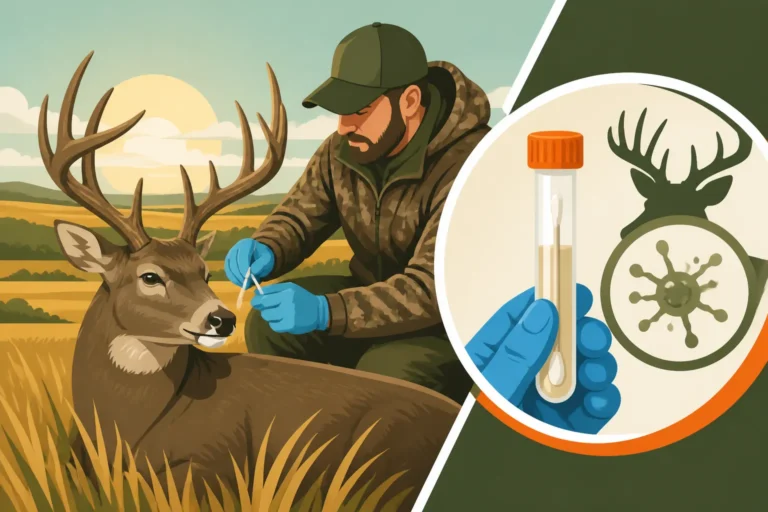
When it comes to permits and paperwork for transporting your game, especially if you're a non-resident, your outfitter will often assist in ensuring all necessary documentation is in order. This includes proper tag validation and understanding any CWD (Chronic Wasting Disease) testing requirements for specific zones, which are important for Saskatchewan's CWD Testing Rules. This comprehensive support, from the moment you locate an animal to the safe storage and transport of your harvest, is a defining feature of a well-run guided hunt.
Understanding Costs and Inclusions
One of the first questions any potential hunter has is about cost. Guided hunts in Saskatchewan represent a significant investment, but understanding what's typically included can help justify the expense for a first-timer. While specific prices vary widely based on the outfitter, species, duration, and level of luxury, most packages cover a substantial portion of your hunting trip.
A typical package might include:
- Guiding services: One-on-one or two-on-one guide-to-hunter ratio.
- Accommodations: Lodge, cabin, or camp lodging for the duration of your hunt.
- Meals: Home-cooked meals, often including packed lunches for the field.
- Field transportation: Use of vehicles, ATVs, or UTVs to access hunting areas.
- Field dressing and basic caping: Initial processing of the animal in the field.
- Game retrieval and storage: Getting the animal back to camp and stored in coolers.
- Pre-scouted areas and land access: The outfitter's private land access or knowledge of public hunting grounds.
What's usually not included are your hunting licenses and tags (e.g., Saskatchewan Resident Deer Licence Cost), gratuities for your guide and camp staff, travel to and from Saskatchewan, taxidermy, meat processing beyond basic field dressing, and personal hunting gear. It's crucial to clarify all inclusions and exclusions with your chosen outfitter beforehand to avoid any surprises. Reputable outfitters will be transparent about their pricing and what is covered, as outlined in discussions about What a Saskatchewan Guided Hunt Costs.
| Feature | Guided Hunt (First-Timer) | DIY Hunt (First-Timer) |
|---|---|---|
| Local Knowledge | Provided by experienced guide; prime areas pre-scouted. | Requires extensive personal research and scouting. |
| Land Access | Often pre-arranged, including private land. | Must secure own permissions (Crown or private). |
| Learning Curve | Accelerated with direct mentorship and instruction. | Slow, often by trial and error over many seasons. |
| Safety | Guide ensures safety protocols; emergency plans in place. | Sole responsibility of the individual hunter. |
| Field Processing | Guide assists with tracking, dressing, and retrieval. | Hunter must perform all tasks independently. |
| Regulations | Guide ensures compliance with complex rules. | Hunter must meticulously understand all regulations. |
| Logistics | Outfitter handles camp, food, transport in the field. | Hunter responsible for all planning, supplies, and gear. |
| Confidence | Builds quickly with expert support and guidance. | Can be challenging to maintain through initial failures. |
| Cost | Higher upfront investment, but includes many services. | Lower initial cost, but hidden expenses can add up. |
Choosing the Right Outfitter for Your First Saskatchewan Adventure
Selecting the right outfitter is arguably the most critical step for a successful first guided hunt. It’s not just about finding someone with an available spot; it’s about finding a reputable guide who aligns with your expectations, values safety, and genuinely wants to educate and support new hunters.
Researching Your Options
The digital age makes researching outfitters easier than ever, but it also means wading through a lot of information. Start by identifying the species you're most interested in for your first hunt. Are you dreaming of a classic Saskatchewan whitetail, or perhaps a challenging black bear adventure? Once you have a target in mind, you can narrow down outfitters who specialize in those species and operate in regions known for them. For instance, Black Bear Hunting in Saskatchewan often takes place in the boreal forest.
Utilize online platforms that list outfitters, like BookYourHunt or GoHunt. These sites can be excellent resources for finding outfitters, reading reviews from past clients, and comparing services. Pay close attention to reviews, specifically looking for comments about how the guide interacted with new or less experienced hunters. Did they offer patient instruction? Was safety a priority? You want to hear about positive experiences with mentorship and support, not just high success rates. Websites like Reading Outfitter Reviews Honestly can help you discern genuine feedback from overly enthusiastic or unfair critiques. Look for outfitters who have a long-standing presence and a history of satisfied clients.
Beyond online listings, consider attending hunting shows or expos. Many Saskatchewan outfitters have booths where you can meet them in person, ask questions, and get a feel for their personality and operation. This personal interaction can be incredibly valuable in determining if they're a good fit for you. Also, don't underestimate the power of word-of-mouth. If you know experienced hunters, ask for their recommendations or if they've heard good things about specific Saskatchewan outfits.
Key Questions to Ask Before Booking
Once you have a shortlist of potential outfitters, it's time to dig deeper. Don't be shy about asking detailed questions; a professional outfitter will appreciate your thoroughness. Here are some key inquiries for a first-time hunter:
- Experience with new hunters: "Do you frequently guide first-time hunters? What kind of support and instruction do you offer them?" This is paramount for your learning experience.
- Licensing and Insurance: "Are you a fully licensed Saskatchewan outfitter, and what kind of insurance do you carry?" This protects both you and the outfitter. You can learn more about Checking a Saskatchewan Outfitter Licence to verify.
- Inclusions and Exclusions: Get a detailed breakdown of what's covered in the price and what isn't, especially concerning licenses, gratuities, meat processing, and taxidermy.
- Typical Hunt Day: "Walk me through a typical day on your hunt for [specific species]." Understand the schedule, methods used (e.g., stand hunting, spot-and-stalk), and level of physical exertion expected.
- Success Rates: While not a guarantee, ask about past success rates, but more importantly, ask how they define success. A good outfitter focuses on the overall experience, not just punching a tag.
- References: "Can you provide references from past clients, especially first-time hunters?" Talking to previous clients can give you honest insights.
- Gear Requirements: "What gear do I need to bring, and what does the outfitter provide?" This includes specifics about clothing, footwear, and any specialized equipment. What to Bring to a Saskatchewan Deer Camp can offer a good general overview.
- Safety Protocols and Emergency Plans: "What safety measures are in place, and what is your emergency plan in case of an accident or medical issue?"
- Payment and Cancellation Policies: Understand the deposit structure, payment deadlines, and what happens if you need to cancel or if the hunt is impacted by unforeseen circumstances like weather.
By asking these questions, you're not just gathering information; you're also assessing the outfitter's professionalism, transparency, and commitment to their clients.
Tailoring the Hunt to Your Needs
As a first-time hunter, you might have specific preferences or limitations that need to be addressed. Perhaps you're keen on archery hunting, or you have physical restrictions that require certain accommodations. Don't assume; communicate these needs openly with potential outfitters.
Some outfitters cater specifically to youth or beginner hunters, offering specialized guidance and ensuring a positive, educational experience. If you're considering bringing a younger hunter, look for outfitters who have experience with Saskatchewan Youth and Mentored Hunting programs. Similarly, if you have mobility challenges, inquire about accessible blinds or hunting methods that don't require extensive walking. Outfitter services can range from primitive drop camps to luxurious lodges with all the amenities. For your first hunt, a comfortable base camp can greatly enhance your experience, allowing you to focus on the hunting without added discomfort.
Also, consider the duration of the hunt. Shorter, three-to-five day hunts might be a good starting point to gauge your interest and stamina without committing to a full week. Some outfitters offer combo hunts, allowing you to pursue multiple species, which could be an exciting way to get more diverse experience. However, for a truly focused first hunt, specializing in one species might be more beneficial for learning. Ultimately, the best outfitter for you will be one who listens to your needs, answers your questions thoroughly, and makes you feel confident and excited about your upcoming adventure.
Preparing for Your Guided Hunt as a Newbie
You've booked your hunt, the excitement is building – now it's time to prepare! Effective preparation is crucial for a successful and enjoyable first guided hunt, covering everything from physical fitness to understanding the rules and packing the right gear.
Physical and Mental Readiness
Hunting, even from a stand, often involves more physical exertion than people expect. You might be walking to and from blinds, climbing into treestands, or helping retrieve an animal. While a guided hunt isn't typically as strenuous as a backcountry DIY expedition, a reasonable level of fitness will enhance your comfort and endurance. Start incorporating regular walks, especially with a pack, into your routine months before your trip. If you'll be doing any mountain hunting (unlikely for a typical Saskatchewan first hunt, but some areas have hills), practice on inclines.
Mentally, prepare for long hours of quiet observation, early mornings, and potentially cold weather. Hunting often requires patience and resilience. It's not always action-packed; much of it is spent observing, waiting, and appreciating the natural world. Go into it with an open mind and a willingness to learn, regardless of the outcome. A positive attitude, even if the game isn't cooperating, will make the experience far more rewarding. It's easy to get frustrated if you don't see anything, but remember, the guide is working hard for you, and sometimes, that's just how hunting goes. Focus on the learning opportunities.
Gear Essentials for the First-Timer
Your outfitter will provide a detailed packing list, but generally, you'll need good quality, layered clothing suitable for Saskatchewan's often unpredictable weather. Expect anything from mild fall days to bitter cold, especially later in the season. Blaze orange is a mandatory requirement for big game hunting during rifle seasons in Saskatchewan, so ensure you have the appropriate outer layers. How Much Blaze Orange Saskatchewan Requires can give you specifics.
- Clothing: Layers are key. Think thermal underwear, fleece mid-layers, and waterproof/windproof outer shells. Avoid cotton.
- Footwear: Comfortable, waterproof, insulated boots are non-negotiable. You'll be spending a lot of time on your feet or sitting still in potentially cold, damp conditions.
- Headwear and Gloves: Warm hats, neck gaiters, and layered gloves are crucial for retaining body heat.
- Hunting Gear:
- Firearm/Bow: Ensure your weapon is sighted in and you are proficient with it. Bring ample ammunition. Practice shooting from various positions you might encounter, not just from a bench. For insights, check Legal Firearms and Bows for Big Game and Practicing Before a Guided Deer Hunt.
- Optics: Binoculars are essential for glassing. A rangefinder is highly recommended for ethical shot placement.
- Backpack: A small day pack for essentials like water, snacks, extra layers, and your tag.
- Knife: A good field dressing knife is always useful.
- Headlamp: For navigating in the dark before sunrise and after sunset.
- Personal Items: Medications, toiletries, camera, and a small first-aid kit.
Remember, comfort equals endurance, and endurance increases your chances of success and enjoyment. Don't skimp on quality gear, especially clothing and boots, as Saskatchewan weather can be unforgiving.
Understanding Rules and Regulations
Before you even arrive, it’s critical to familiarize yourself with Saskatchewan's hunting regulations. While your guide will ensure you comply in the field, knowing the basics yourself is part of being a responsible hunter. This includes understanding Saskatchewan Hunter Education Requirements, which are mandatory for all first-time hunters. Many provinces offer online courses, making it convenient to get this done.
You'll need to understand the process for obtaining your Wildlife Habitat Certificate and your specific hunting licenses and tags through the Saskatchewan Setting Up a Saskatchewan HAL Account. Know the season dates for your chosen species in your WMZ, bag limits, and any antler restrictions. For non-residents, there are additional rules, as Rules for Non-Residents Hunting Saskatchewan stipulates that non-residents must hunt with a licensed outfitter for big game.
Pay particular attention to rules regarding firearm transport, tagging of animals, and evidence of sex requirements. Your guide will reinforce all these points, but having a foundational understanding means you can focus on the hunt itself rather than getting bogged down in basic compliance questions. Being well-informed not only keeps you legal but also shows respect for the guide and the resource.
Disclaimer
This article is for general informational purposes only and does not constitute professional advice. Laws, prices and regulations vary by location and change over time. Consult a qualified professional for guidance on your specific situation.