Hunting Around the Quill Lakes
Hey there, fellow hunters and outdoor enthusiasts! So, you're looking for something a little different, maybe a hunting experience that combines the best of Saskatchewan's diverse landscapes? You're tired of the same old spots, the ones everyone talks about, and you're craving a unique challenge and a chance to truly connect with the wild. Well, you've landed in the right place, because today we're going to dive deep into hunting around the Quill Lakes, a region that often gets overlooked but holds incredible potential for those willing to learn its secrets.
Understanding the Quill Lakes Ecosystem for Hunters
The Quill Lakes region is truly a marvel of nature, a place where prairie meets parkland, and vast saline lakes draw in incredible numbers of migratory birds. If you've never been, picture a landscape shaped by ancient glaciers, leaving behind rolling hills, aspen bluffs, and countless potholes and sloughs. What makes it truly special are the three large, interconnected saline lakes – Big Quill, Middle Quill, and Little Quill. This unique blend of highly productive agricultural land, interspersed with natural cover and those immense water bodies, creates an ecosystem that supports a surprisingly diverse array of game animals.
The Unique Landscape and Its Appeal to Game
The Quill Lakes are among the largest saline lakes in Canada, and their salty waters mean they don't freeze as readily or completely as freshwater bodies. This is a huge draw for migratory birds, offering staging areas and vital feeding grounds for a significant portion of North America's waterfowl. But it's not just the water that's important; the mosaic of habitats around the lakes is what really makes this area tick for hunters. You'll find dense stands of aspen and willow bluffs, particularly as you move north and east from the immediate lake shores, offering crucial thermal cover and browse for deer and moose. Then there's the rich agricultural land – immense fields of wheat, barley, canola, and peas – providing an endless buffet for everything from geese to deer. Throw in the countless smaller freshwater potholes, brushy coulees, and shelterbelts, and you have a perfect storm of habitat diversity. This mixture means that game animals have everything they need to thrive: food, water, and cover, all within relatively close proximity. It’s this intricate balance that makes Why Saskatchewan Bucks Grow So Large and supports such abundant bird populations.
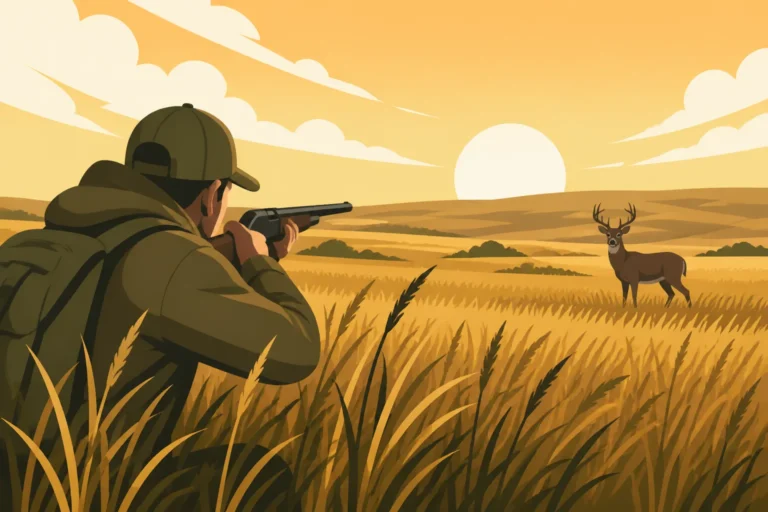
Imagine cresting a rolling hill, and suddenly before you stretches a golden field of swathed grain, backed by a dark line of aspen bluffs, and in the distance, the shimmering expanse of a Quill Lake. That's the visual you'll often encounter here, and it's these transitional zones – where field meets forest, or forest meets wetland – that are often the most productive for hunting. The animals use these edges for travel, feeding, and bedding, making them prime spots for scouting and setting up.
Key Game Species Drawn to the Area
Given the diverse habitat, it's no surprise that the Quill Lakes region boasts a variety of game species. However, it truly shines for two main categories: waterfowl and white-tailed deer.
-
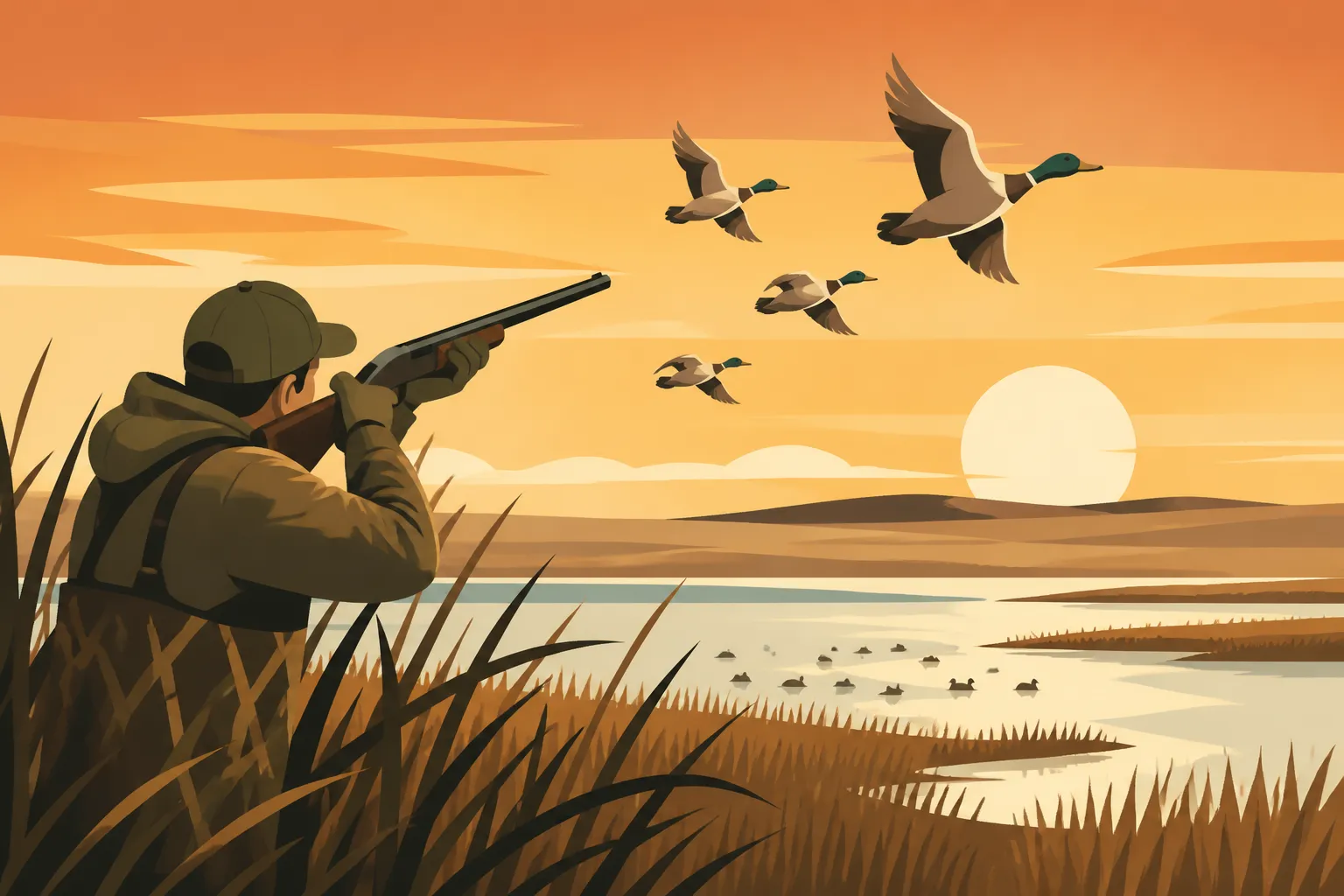
Waterfowl: This is, arguably, the Quill Lakes' most famous offering. The lakes themselves are critical staging areas for massive numbers of snow geese, Canada geese, specklebellies, and various duck species during migration. The surrounding agricultural fields provide abundant food sources, leading to incredible concentrations of birds. Hunters flock here specifically for the world-class goose and duck hunting. You'll find everything from mallards and pintails working small potholes to huge flocks of snow geese blanketing harvested fields. Saskatchewan's Ducks and Geese are a huge draw, and the Quill Lakes are a prime example of why.
-
White-tailed Deer: While the region isn't typically highlighted in the same breath as the northern forest fringe for giant whitetails, the Quill Lakes area produces some excellent deer, particularly big-bodied bucks that capitalize on the rich agricultural diet. They utilize the aspen bluffs, willow thickets, and deep coulees for bedding and cover, venturing into the fields to feed, especially at dawn and dusk. The relatively fragmented cover can make them a challenge to hunt, as they often stick to the dense pockets of bush, but a patient hunter who understands how deer use these transitions can be very successful. Hunting Whitetails on Saskatchewan Farmland requires specific tactics that are well-suited to this region.
-
Upland Birds: Don't overlook the potential for Saskatchewan's Upland Birds here. Sharp-tailed grouse can be found in the native grasslands and along the edges of cultivated fields, especially in areas where there's still some unbroken prairie. Hungarian partridge are also quite common, often holding tight in stubble fields, shelterbelts, and around farmyards. While not as plentiful as waterfowl or deer, they offer a fun diversion and an opportunity for a mixed bag hunt.
-
Other Species: While less prevalent, you might also encounter coyotes, which are an open-season species, utilizing the same field and brush edges as other game. Occasionally, a wandering moose might also show up, particularly in the more heavily treed areas or along larger drainage systems, though moose are less common in the immediate Quill Lakes basin compared to more northern zones.
Navigating Access and Regulations Around the Quill Lakes
Hunting in an area like the Quill Lakes, which is a mix of agricultural and natural land, means understanding access is paramount. Unlike vast tracts of continuous Crown land, here you'll be dealing with a checkerboard of ownership, requiring diligence and respect.
Public vs. Private Land: Securing Permission
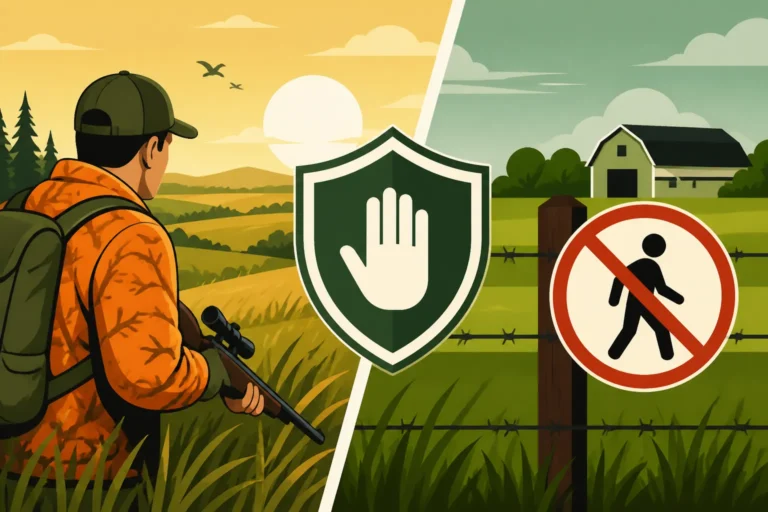
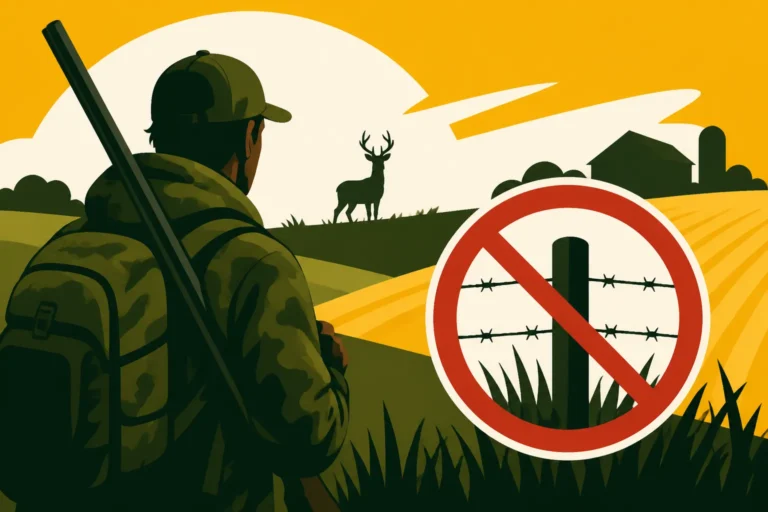
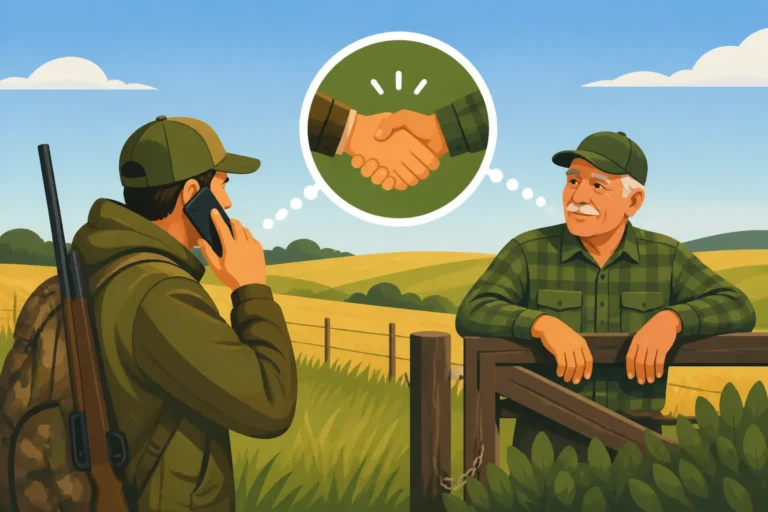
The majority of the land immediately surrounding the Quill Lakes, and indeed throughout much of Saskatchewan's productive agricultural belt, is privately owned. This means that Getting Private Land Permission in Saskatchewan isn't just a good idea, it's a legal requirement. Trespassing, even unintentionally, can lead to fines and loss of hunting privileges, and it gives all hunters a bad name.
Here's how to approach it:
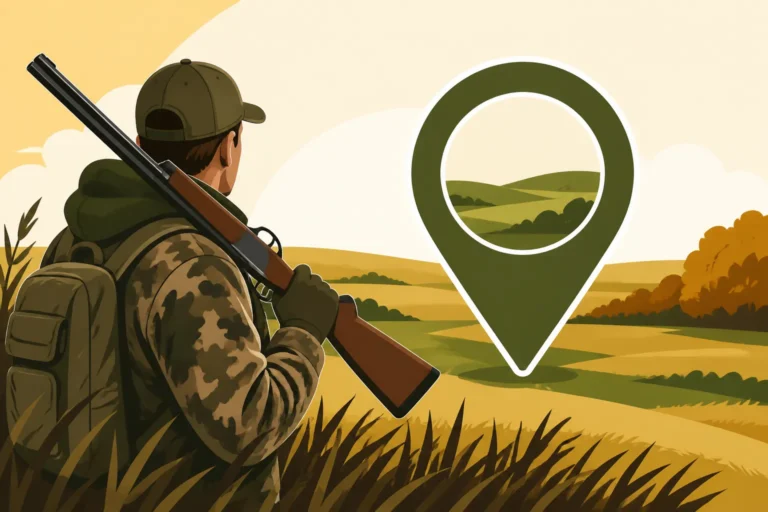
- Preparation is Key: Before you even leave home, spend time with a good land ownership mapping tool. This is where modern technology really shines. Services like onX Hunt or GoHunt offer detailed satellite imagery layered with property lines, landowner names, and often even contact information. Using these tools to identify potential hunting spots and the corresponding landowners is invaluable. You can save yourself a lot of driving and frustration by doing your homework beforehand.
- The Knock-on-Door Method: Once you've identified potential areas and landowners, the traditional method of knocking on doors is still the most effective. Dress respectfully, have your hunter education certificate and licence ready, and introduce yourself clearly. Be polite, explain exactly what you want to hunt, and ask for permission. Offer to share contact information and follow up with a text or call if you've been granted access. Remember, you're a guest on their land.
- Respecting "No Hunting" Signs: If you see "No Hunting," "No Trespassing," or "Posted" signs, those landowners have made their wishes clear. Respect them absolutely. Even if you think a spot looks perfect, move on. Building a positive relationship with landowners is critical for the future of hunting in Saskatchewan.
- Utilizing Crown Land: While less common than in the north, there are pockets of Crown land around the Quill Lakes. These might include road allowances (though specific rules apply to hunting on or near roads), some undeveloped marshland, or specific Wildlife Management Zones (WMZs) that incorporate public access. Tools like onX Hunt are excellent for identifying these areas as well, showing Crown land layers clearly. Always verify specific rules for Crown land use, as some areas may have restrictions on vehicle access, overnight camping, or treestand placement. Hunting Whitetails on Saskatchewan Crown Land often means a different approach than on private land.
Specific Zone Considerations and Draw Insights
The Quill Lakes region falls within several Wildlife Management Zones (WMZs), and understanding which zone you're in is absolutely critical for legal hunting. Each WMZ has specific season dates, bag limits, and often different regulations for various species.
For big game like deer, you'll need to consult the Saskatchewan Hunters' and Trappers' Guide for the precise WMZ boundaries and regulations. Whitetail deer licences are generally available over-the-counter for residents in most of these zones, but understanding the specific dates for archery, rifle, and muzzleloader seasons is non-negotiable.
For species like moose or elk, if they are present in huntable numbers in a WMZ bordering the Quill Lakes, they will almost certainly be draw-only. This means applying through Saskatchewan's Big Game Draw, which requires careful planning and an understanding of the draw system. Saskatchewan's Big Game Draw is a complex topic, but suffice it to say, if you're hoping for a draw tag near the Quill Lakes, you'll need to be aware of application deadlines and draw odds.
Waterfowl hunting, while requiring a federal migratory bird permit in addition to your provincial licence, often has more general season dates across broad regions, but bag and possession limits are species-specific. Always double-check the current year's guide and the federal migratory bird regulations.
Here's a simplified look at typical game presence and access considerations around the Quill Lakes:
| Game Species | Typical Habitat | Primary Access Type | Hunting Strategy Considerations |
|---|---|---|---|
| White-tailed Deer | Aspen bluffs, willow thickets, coulees, slough edges, field borders | Predominantly Private Land (Permission Required); limited Crown Land | Focus on transition zones between cover and food. Scouting bedding areas in thick bush, watching field edges at dawn/dusk. Stand hunting over scrapes/rubs or elevated blinds for field observation. Calling can be effective during the rut. Patience is key. |
| Waterfowl | Saline lakes (staging), freshwater potholes, agricultural fields (feeding) | Mix of Private Land (Permission Required for fields); some public access to water bodies/FWDF lands | Extensive scouting for active feeding fields. Large decoy spreads for geese (Canada, Snow, Specklebelly). Smaller spreads for ducks on potholes or field edges. Building blinds or using natural cover. Understanding flight patterns is crucial. |
| Upland Birds | Native grasslands, shelterbelts, stubble fields, farmyards | Mostly Private Land (Permission Required) | Walking up sharptails in grass or light cover, often with a flushing dog. Hunting Huns along shelterbelts or field edges. Focus on areas with varied cover. Patience and slow, methodical walking are vital. |
| Coyote | Open fields, coulees, brush edges | Mix of Private Land (Permission for access); Crown Land | Calling (distress or challenge calls) in open areas. Hunting over a carcass bait in winter (where legal and with landowner permission). Spot and stalk in very open country, being mindful of cover and wind. |
Strategies for Hunting the Quill Lakes Region
Hunting around the Quill Lakes demands a specific set of strategies, largely dictated by the landscape and the prevalent game. It's a place where patience, meticulous scouting, and good landowner relations will always pay off.
Whitetail and Mule Deer Tactics
While the Quill Lakes are known more for whitetails, there can be areas to the west or south, particularly in the more open prairie and coulee country, where mule deer might also be present. However, the immediate Quill Lakes basin is primarily whitetail territory.
- Reading the Edges: Whitetails here are masters of using the transitional zones. They'll bed deep in a poplar bluff or a willow-choked slough during the day, then emerge into adjacent stubble fields or standing crops (if legal to hunt near) at dawn and dusk. Your strategy should revolve around identifying these travel corridors and feeding areas. Look for well-worn trails leading from thick cover to fields. These "pinch points" are ideal locations for a treestand or ground blind. Remember to consult Hunting a Bush Bluff for understanding how deer use these features.
- Scouting is Paramount: Driving around at first light or last light, well before the season, can reveal key feeding patterns. Glassing fields from a distance with good binoculars or a spotting scope will show you where deer are entering and exiting. Pay attention to fresh tracks, rubs, and scrapes, especially during the pre-rut and rut periods. During the rut, Grunt Calls Late in Saskatchewan's Rut can be surprisingly effective for pulling out a cruising buck from a nearby thicket.
- Utilizing Cover: Unlike dense boreal forest, the cover here is often isolated bluffs or slough pockets. This means deer can be very concentrated. Still-hunting slowly and quietly through these smaller patches of cover, especially on a windy day when your scent is dispersed and noise is muffled, can be effective. However, be prepared for quick shots as deer may burst out. For a more stationary approach, setting up a Hanging a Stand on a Saskatchewan Bush Edge or a pop-up ground blind offers concealment and a stable shooting platform.
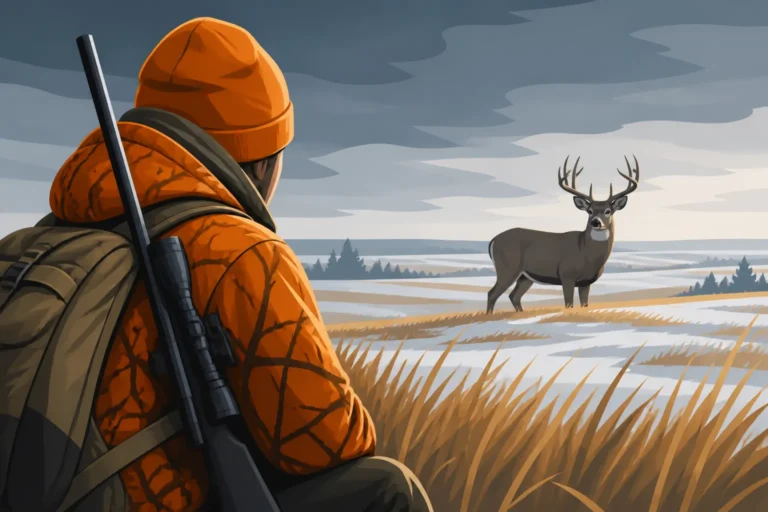
- Snow Tracking: If you get a fresh snowfall, it can be a game-changer. Deer sign becomes incredibly obvious, and you can track fresh buck trails. This is particularly effective in the broken cover around the Quill Lakes, where a track might lead you into a small bluff where a buck is bedded. This is where Reading Sign After Fresh Saskatchewan Snow becomes an essential skill.
Waterfowl Heaven: Decoying and Field Hunting
If you're coming to the Quill Lakes for waterfowl, you're in for a treat, but it requires strategy and flexibility. The sheer numbers of birds can be overwhelming, but getting them into your spread is the art.
- Scouting, Scouting, Scouting: I can't stress this enough for waterfowl. Birds will be moving constantly, shifting feeding areas based on harvest progress, weather, and hunting pressure. You need to be out at dawn and dusk, putting miles on your truck (with permission, of course!) to find where the birds are actively feeding. Pay attention to flight lines, too. Geese, in particular, will follow consistent paths from their roost to their feeding grounds. Many hunters use tools like GoHunt or onX Hunt to mark potential fields and access points during their scouting efforts. Scouting Fields for Saskatchewan Waterfowl is the single most important step.
- Permission is Critical: As mentioned, you absolutely need permission to hunt private fields. Build those relationships. Many farmers are happy to have hunters help manage bird populations, especially if they're causing crop damage, but never assume.
- Decoy Spreads: For geese, big spreads are often the name of the game. Full-body decoys, silos, and even simple rags can be effective, depending on the species. Setting a Goose Spread in Swathed Barley (or any other grain) correctly, with family groups and feeding clusters, will make your setup look natural. For snow geese, think massive numbers – hundreds, even thousands, of decoys to imitate a giant flock. For ducks, smaller, more realistic spreads on potholes or along field edges usually suffice.
- Concealment: Geese and ducks have incredible eyesight. You need to be completely hidden. Layout blinds are standard for field hunting. For pothole hunting, natural cover like cattails or willow bushes is your best friend. Make sure you're brushed in thoroughly.
- Calling: Effective calling is crucial, especially for Canada geese and specklebellies. Practice your calling before the hunt! For snow geese, electronic callers are often legal during the spring conservation season, but check regulations carefully for the fall.
- Weather Conditions: Wind is your friend for waterfowl, helping to make decoys look alive and providing a natural flight path for incoming birds. Overcast days can also improve hunting, as birds fly lower. Be prepared for Hunting Saskatchewan Winter Weather Safely if you're chasing late-season birds.
The Quill Lakes are a dynamic and productive hunting ground. With careful planning, respectful access, and adaptable strategies, you can have some truly unforgettable hunting experiences in this unique part of Saskatchewan.
Disclaimer
This article is for general informational purposes only and does not constitute professional advice. Laws, prices and regulations vary by location and change over time. Consult a qualified professional for guidance on your specific situation.