What a Guide Fee Actually Covers
For many hunters, especially those venturing to a new province like Saskatchewan, the excitement of booking a guided trip can quickly turn into a bit of a head-scratcher when trying to understand the nitty-gritty of what’s actually covered by the guide fee. It's not always as simple as a flat rate, and you don't want to be caught off guard by unexpected expenses. This guide aims to clear up that confusion, breaking down the typical inclusions and common exclusions so you can plan your Saskatchewan hunting adventure with confidence and a much clearer budget in mind.
Decoding the All-Inclusive: What Your Guide Fee Typically Covers
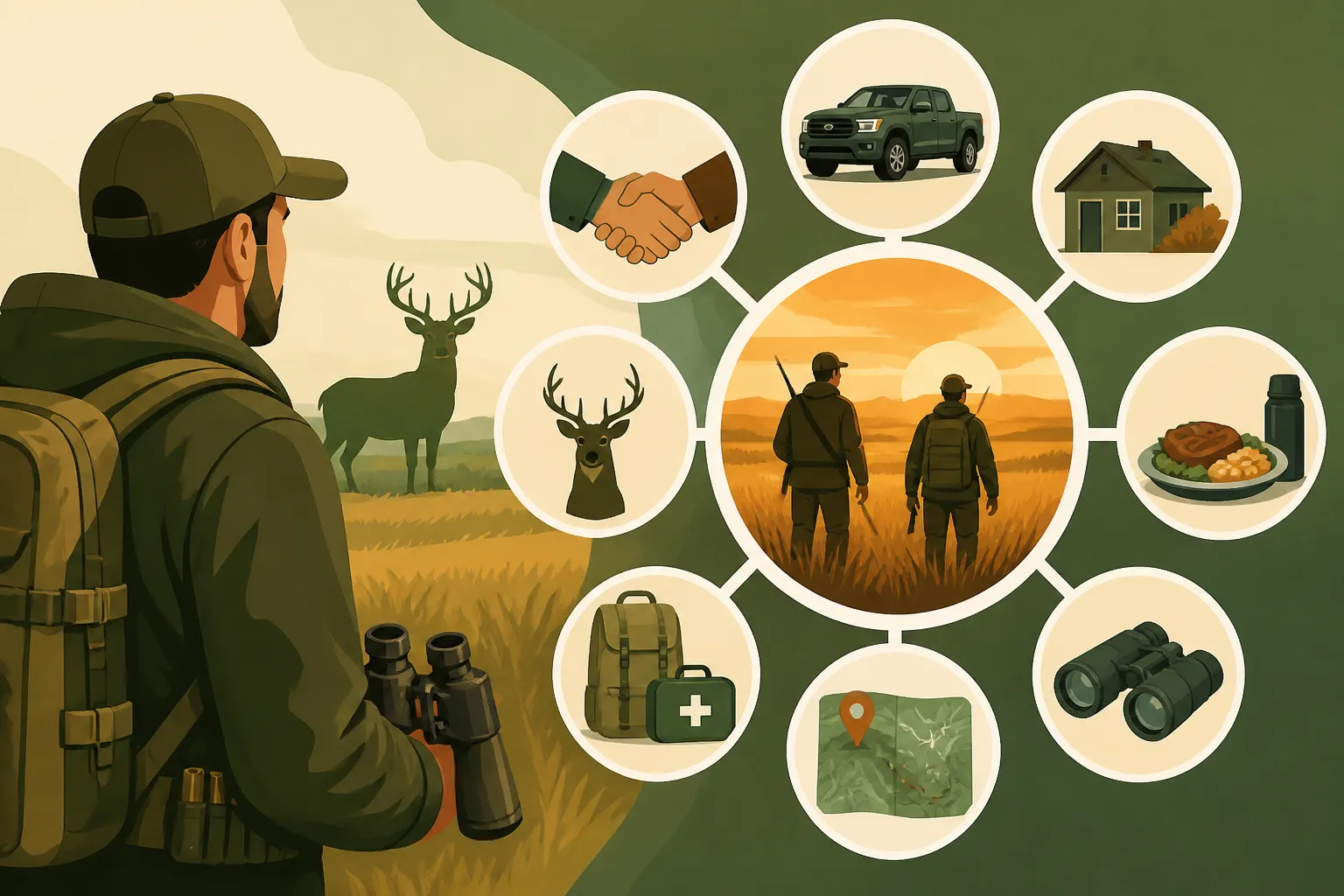
When you book a guided hunt in Saskatchewan, the term "all-inclusive" can feel a bit nebulous, leaving you wondering exactly what's encompassed. Generally speaking, a significant portion of your guide fee goes towards ensuring your primary needs and the core hunting experience are taken care of once you arrive at camp. This usually includes your daily guided hunting efforts, a place to rest your head, and sustenance to keep you fueled for the field.
Daily Guiding Services and Field Support
At the heart of any guide fee is, quite naturally, the guide's expertise and time spent actively hunting with you. This isn't just someone pointing you towards a treestand; it's a comprehensive service designed to maximize your chances of success and ensure your safety. Your guide is your eyes and ears on the ground, and their fee covers this invaluable resource.
They've spent countless hours before your arrival scouting the land, identifying active game trails, bedding areas, and feeding patterns. This isn't a casual stroll; it's a dedicated effort to understand the current movements of the animals. Once you're in camp, your guide will lead you to prime hunting locations, whether that's a strategically placed blind overlooking a stubble field for whitetails, or a remote cutline deep in the boreal forest for moose. They'll also provide transportation to and from these hunting spots, which might involve anything from a comfortable truck ride down a gravel road to a bumpy ATV journey over rough terrain or even a walk through thick bush. This logistical support is crucial, especially in Saskatchewan's diverse and sometimes challenging landscapes.
Beyond just getting you to the spot, your guide is there to offer real-time advice on shot placement, animal identification, and how to react in different hunting scenarios. They're your companion and mentor, sharing their deep understanding of Saskatchewan's whitetail or the habits of Moose in Saskatchewan's Farmland and Forest. This also extends to the critical moments after the shot. If you're fortunate enough to connect with an animal, your guide coordinates and often assists with tracking, recovery, and the initial field dressing process. This can be a physically demanding task, especially with large game like a bull moose or a big whitetail buck, and their experience here is vital for both efficient recovery and proper meat care, particularly in unpredictable Saskatchewan weather.
Accommodation and Meals During Your Stay
Another significant component of your guide fee almost always includes your lodging and meals for the duration of your hunt. This is where the "camp" experience truly comes into play, creating a comfortable base of operations.
Accommodation types can vary widely depending on the outfitter and the specific hunt package. Some outfitters offer rustic but comfortable wall tents or portable shelters, especially for more remote wilderness hunts. Others provide well-appointed cabins or even full-service lodges complete with amenities. The fee covers your bunk or room, often in a shared space with other hunters, providing a warm and dry place to sleep after a long day in the field. This isn't just about a bed; it's about having a dedicated space to dry your gear, relax, and prepare for the next day's hunt.
Similarly, hearty meals are usually a standard inclusion. Hunters burn a lot of calories, and good food is essential for maintaining energy and morale. You can typically expect three square meals a day, often served family-style, with plenty of coffee and snacks in between. This covers everything from a substantial breakfast before dawn to packed lunches for the blind or stand, and a delicious dinner to cap off the day. Many outfitters pride themselves on the quality of their camp cooking, turning mealtime into a social highlight of the trip. The cost of food, preparation, and serving staff, if applicable, is factored into your guide fee. When you're researching outfits, platforms like BookYourHunt often detail the specific lodging and meal arrangements for each package, which can be incredibly helpful for setting expectations.
The Added Value: Beyond the Obvious Inclusions
While daily guiding, lodging, and meals form the bedrock of what a guide fee covers, there's a wealth of intangible value and logistical support that often goes unappreciated. This "behind-the-scenes" work is crucial to a smooth and successful hunting trip, especially in a place as vast and wild as Saskatchewan.
Logistics, Safety, and Expertise
A guide fee also covers the extensive logistical planning that precedes and accompanies your hunt. This involves far more than just finding a good spot. Outfitters manage land access, secure necessary permissions, and coordinate schedules to ensure smooth operations. For example, if you're hunting on Saskatchewan's Community Pastures and Hunting or private farmland, your outfitter has likely invested significant time and effort in building relationships with landowners to ensure you have legal access. This often involves detailed knowledge of Saskatchewan's Landowner Permission Law and navigating the complexities of different land types, like Hunting a Grazing Lease Quarter.
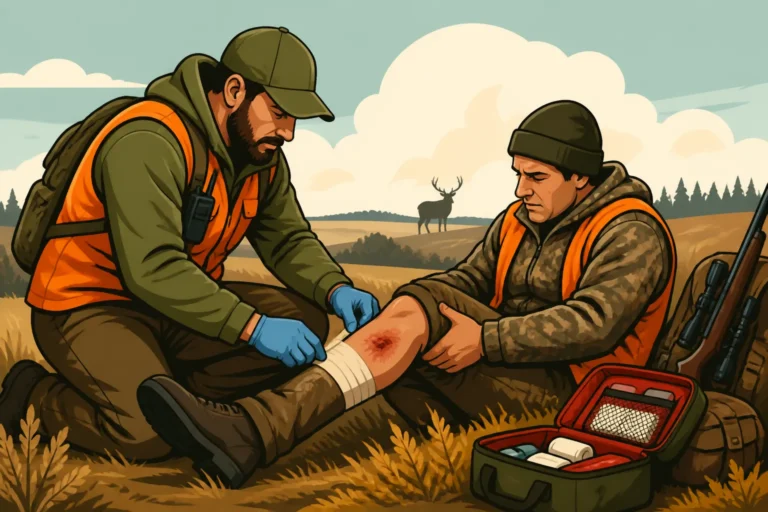
Safety is paramount, and a professional outfitter builds robust safety protocols into every aspect of the hunt. This includes emergency communication plans, first aid provisions, and ensuring guides are trained to handle unexpected situations in remote areas. Whether it's a sudden change in weather, a vehicle breakdown in the bush, or a medical emergency, your guide's fee contributes to having these contingencies in place. Their knowledge of Hunting Saskatchewan Winter Weather Safely or navigating Saskatchewan Wildfire and Road Closures is invaluable.
Furthermore, you're paying for their specialized knowledge of Why Saskatchewan Bucks Grow So Large or Where Saskatchewan's Mule Deer Live. This isn't just about general hunting; it's about an intimate understanding of specific species, local ecosystems, and how various environmental factors affect game movement. This deep expertise, honed over years in the field, is arguably one of the most significant values you receive. They know the subtle nuances, like Hunting the Rut in Early to Mid November or Hunting a Frozen Slough Crossing, that can make or break a hunt. Tools like GoHunt might offer maps and analytics, but they can't replicate the on-the-ground, real-time wisdom of a seasoned Saskatchewan guide.
Initial Game Care and Processing Coordination
After the successful harvest, your guide's role continues with the crucial initial care of your game. This is often where many hunters, particularly those from warmer climates, underestimate the importance of rapid and proper handling in Saskatchewan's cold temperatures.
The guide fee typically includes the meticulous field dressing of your animal, which involves gutting it quickly and cleanly to begin the cooling process. For larger animals like moose or elk, this might involve quartering the animal in the field to facilitate removal from remote areas. They'll also assist with transporting the game back to camp, often utilizing specialized equipment like ATVs, trailers, or even game sleds, especially when you're Getting a Moose Out With a Quad from thick cover. This prevents meat spoilage and ensures you maximize your harvest.
Once back at camp, your guide or camp staff will usually hang the carcass in a cool, secure location like a meat pole or a walk-in cooler. This allows the meat to properly age and cool, which is essential for tenderness and flavour. While the initial field processing and care are covered, extensive butchering and packaging are generally not. However, your outfitter will often coordinate with local butchers or meat processors and can arrange for your meat to be taken there. They can also offer advice on Meat Care in Saskatchewan's Cold Snaps or Transporting Game Meat in Saskatchewan, ensuring your valuable harvest makes it home in top condition. This logistical bridge from field to freezer is a critical, often unseen, benefit of paying a guide fee.
What's Usually Extra: Common Exclusions from Your Guide Fee
While a guide fee covers a substantial portion of your hunting trip, it's crucial to understand what's typically not included. Overlooking these exclusions can lead to unexpected costs and budget shortfalls, dampening an otherwise fantastic experience. Always clarify these points with your outfitter before booking your trip.
Licences, Tags, and Mandatory Fees
One of the most common exclusions, and often one of the larger upfront costs, is your hunting licences and species-specific tags. These are almost universally the hunter's responsibility to purchase separately, and their cost is not rolled into the guide fee.
In Saskatchewan, you'll need a general hunting licence (often called a Wildlife Habitat Certificate for residents), along with specific tags for the animal you're pursuing – be it a Saskatchewan Resident Deer Licence Cost, Saskatchewan Moose Licence Cost, or Black Bear Licence Cost and Limits. For non-residents, these costs can be higher and may also require booking through an outfitter, as covered in Why Non-Residents Must Book an Outfitter. There might also be additional fees, such as for the Federal Migratory Game Bird Permit if you're chasing waterfowl, or a Habitat Conservation Stamp Requirement.
Beyond licences, there are often mandatory testing fees, particularly for Chronic Wasting Disease (CWD). Saskatchewan has specific Mandatory CWD Testing Zones, and if you harvest an animal in one of these zones, you'll be responsible for submitting the head and covering any associated testing costs. While your guide can certainly help you understand the process of Where to Drop a Head for CWD Testing, the financial burden of the test itself generally falls on the hunter. Always check current regulations and pricing for all necessary permits and tests well in advance of your hunt. You can find detailed information on these topics in guides like Saskatchewan Hunting Licences and What They Cost.
Meat Processing, Taxidermy, and Shipping
After the field dressing and initial cooling provided by your guide, the more extensive processing of your game meat and the handling of any trophies are typically not included in the guide fee.
Once your animal is back at camp and properly cooled, most hunters will want their meat cut, wrapped, and frozen. This is a specialized service provided by local butcher shops, and the cost will be your responsibility. Your outfitter can usually recommend reputable processors in the area, and sometimes even arrange delivery, but the bill for the butchering itself will come directly to you. Consider factors like Getting Meat Processed in Saskatchewan and how you plan to transport it. If you're travelling a long distance, you might need specialized coolers or even shipping services, which are additional expenses.
Similarly, if you plan to have a European mount, shoulder mount, or full body mount done for your trophy, the services of a taxidermist are separate. Your guide will properly cape the animal in the field for taxidermy, ensuring the hide is prepared correctly for transport. However, the cost of the taxidermy itself, along with any necessary shipping to get the cape and antlers to your chosen taxidermist or back to your home, will be an additional cost. Outfitter websites rarely include these post-hunt services in their quoted guide fees, so budget accordingly for these lasting mementos of your trip.
Travel, Tips, and Personal Expenses
The guide fee primarily covers your experience from the moment you arrive at the designated meeting point or camp. Everything leading up to that, and many personal incidentals during the trip, are typically your responsibility.
This includes all travel expenses to and from Saskatchewan. Whether you're flying into Saskatoon or Regina, or driving across the border with your firearms, the costs of flights, fuel, vehicle wear and tear, and any overnight stays required during your commute are separate. If you're a non-resident, you'll also need to consider the process for Declaring a Firearm at the Canadian Border and the potential costs associated with that.
Tipping your guide and any camp staff is customary and expected in the hunting industry, and this is never included in the upfront guide fee. Tips are a way to express your appreciation for their hard work, dedication, and the quality of your experience. The amount can vary, but generally, a percentage of the hunt cost is a good starting point. You can find more detailed guidance on Tipping a Saskatchewan Guide.
Finally, personal expenses like alcoholic beverages, souvenirs, any extra snacks or toiletries you might need, and any unexpected personal items are your responsibility. While camp meals are provided, some hunters like to have their favourite specific drinks or comfort foods, and these would be an extra purchase. It's always a good idea to bring some extra cash for these incidentals.
| Category | Typically INCLUDED in Guide Fee | Typically EXCLUDED from Guide Fee |
|---|---|---|
| Hunting Services | Daily guiding, pre-hunt scouting, in-field instruction, game recovery, field dressing, initial meat cooling/hanging at camp. | Additional trophy prep beyond basic caping, specific specialized gear rental (e.g., thermal scopes). |
| Accommodation & Food | Lodging at camp (cabin, lodge, tent), all meals, non-alcoholic beverages, basic snacks. | Alcohol, specialized dietary requests (if extra cost), personal comfort foods, extra hotel nights before/after hunt. |
| Licenses & Permits | None, these are always separate. | All hunting licenses, species-specific tags, CWD testing fees, federal migratory bird permits. |
| Post-Harvest | Initial field dressing, transportation of game back to camp, hanging carcass for cooling. | Meat processing (butchering, wrapping, freezing), taxidermy services, shipping of meat or trophies. |
| Travel & Personal | In-hunt transportation (e.g., ATV to stand, truck to field). | Travel to/from Saskatchewan (flights, fuel), airport transfers, tips for guides/staff, personal gear, souvenirs, insurance. |
| Safety & Logistics | Safety briefings, emergency plans, basic first aid available, land access permissions arranged by outfitter. | Personal hunting insurance, medical evacuation insurance. |
Gaining Clarity: How to Ensure You Know What You're Paying For
The key to avoiding sticker shock or disappointment on your guided Saskatchewan hunt is proactive communication and thorough research. Don't leave anything to assumption; get all the details solidified before you commit.
Ask Detailed Questions Upfront
When you're comparing outfitters and considering different packages, don't be shy about asking a comprehensive list of questions. A reputable outfitter will welcome your inquiries and be transparent about their services. It's often helpful to organize your questions into categories like "What's included in the price?", "What additional costs should I expect?", and "What are the payment terms?".
Specific questions you might ask include:
- "Does the accommodation include private rooms or is it shared?"
- "What kind of meals are provided, and can you accommodate dietary restrictions?"
- "What is the exact process for purchasing licenses and tags for my specific hunt?"
- "What's the typical tipping range for guides and camp staff?"
- "Do you assist with arrangements for meat processing and taxidermy, and what are the average costs for those services?"
- "Is airport pickup/drop-off included, or will I need to arrange my own transportation to camp?"
Platforms like BookYourHunt often have standardized listings, but always follow up directly with the outfitter for the most current and specific details tailored to your booking. This direct conversation is crucial for understanding the nuances that might not be captured in a general brochure. Getting detailed answers will not only clarify your budget but also give you a good sense of the outfitter's professionalism and customer service. You can learn more about finding the right fit in Choosing the Right Saskatchewan Outfitter.
Read Contracts and Agreements Carefully
Once you've decided on an outfitter, you'll typically be presented with a contract or booking agreement. This document is your best friend for understanding exactly what your guide fee covers and what your responsibilities are. Don't skim it; read every single clause.
Pay close attention to sections detailing inclusions and exclusions, payment schedules, cancellation policies, and any liability waivers. For instance, the contract should clearly state whether your Saskatchewan Black Bear Hunt Prices include trophy fees, or if those are only payable upon success. It should also outline when deposits are due, if they are refundable under certain conditions, and the final payment deadline. Understanding these terms, especially those related to Saskatchewan Deposit and Cancellation Terms, is vital for protecting your investment.
If anything in the contract is unclear, or if it contradicts something you were told verbally, get clarification in writing before you sign. A responsible outfitter will ensure you fully understand the agreement. Keep a copy of the signed contract for your records, as it serves as a legally binding document outlining the terms of your guided hunt. This thorough review process is a critical step in Planning a Saskatchewan Hunting Trip and ensures there are no surprises once you're in the field.
Disclaimer
This article is for general informational purposes only and does not constitute professional advice. Laws, prices and regulations vary by location and change over time. Consult a qualified professional for guidance on your specific situation.