Hunting a Shelterbelt Between Two Fields
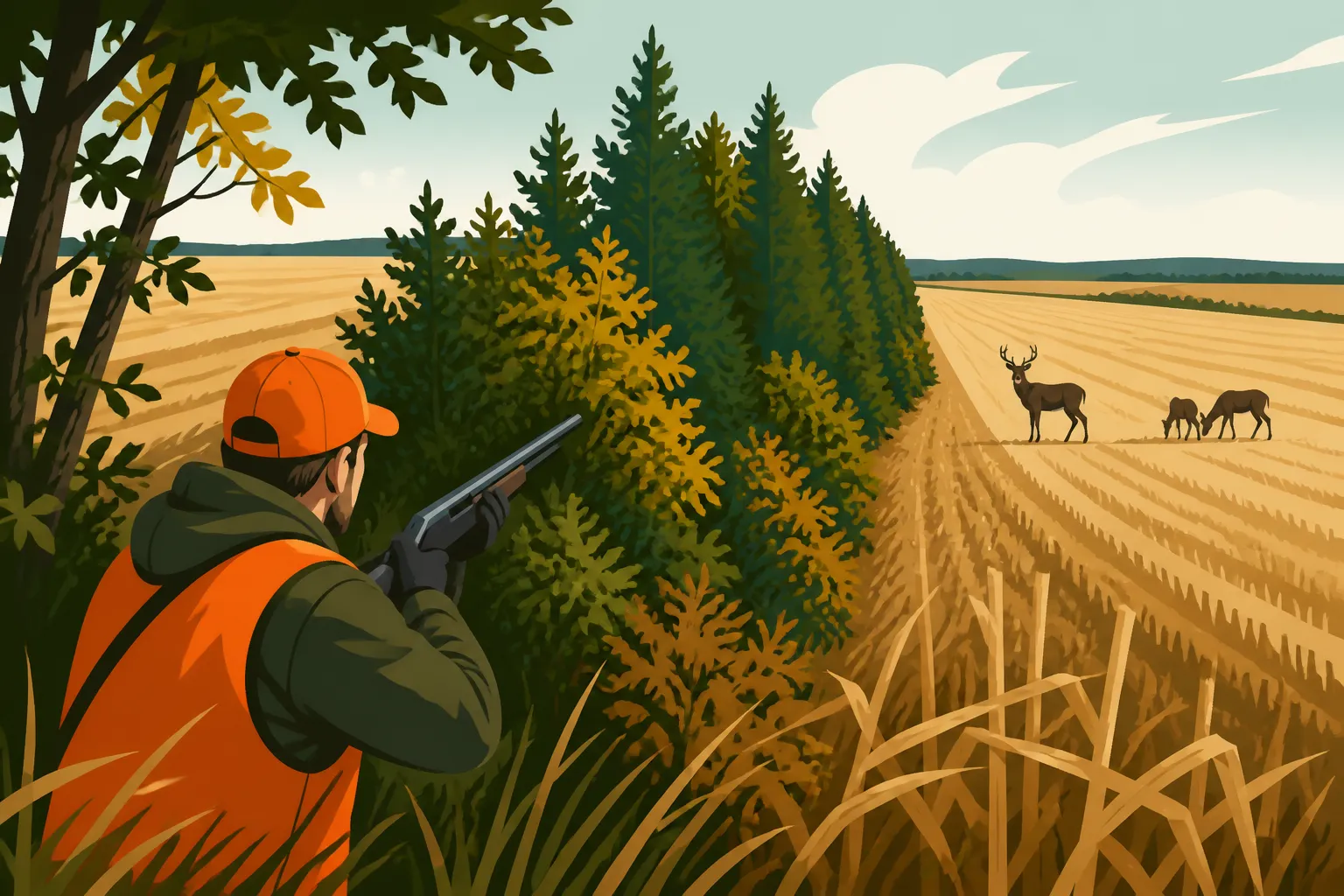
There's a specific kind of frustration that hits hard when you're hunting Saskatchewan, especially when you're trying to figure out whitetail deer. You've scouted the big, beautiful grain fields, seen the tracks leading out into the wide-open stubble or standing crop, only for the deer to seemingly vanish into thin air right before prime shooting light. Often, that vanishing act happens right at the edge of one of those crucial shelterbelts, the linear strips of trees and shrubs that crisscross our farmlands. These green walls are often overlooked, but they are absolute goldmines for deer movement and bedding. This guide is all about peeling back the layers of these unassuming habitats and showing you how to effectively hunt a shelterbelt between two fields in Saskatchewan.
Understanding the Shelterbelt's Role in Saskatchewan's Landscape
Saskatchewan's agricultural landscape is a tapestry of immense open fields, but it's the smaller, often overlooked features that can be key to hunting success. Among the most vital of these are the shelterbelts – those lines of trees that farmers planted decades ago to protect their fields from wind erosion, create snow traps, and offer a bit of shade. For hunters, these aren't just rows of trees; they're lifelines for wildlife.
Why Shelterbelts are Deer Magnets
Imagine being a deer in a vast, open Saskatchewan field. You're exposed, vulnerable to predators, and the elements. That’s where a shelterbelt becomes your sanctuary. These strips, often composed of hardy trees like caragana, elm, ash, and various conifers, provide dense thermal and visual cover. Deer use them as bedding areas during the day, especially when the fields around them are harvested and offer little hiding. They provide a safe haven from the bitter winter winds that whip across the prairie, offering a critical microclimate where deer can conserve energy.
Beyond just cover, shelterbelts also serve as critical travel corridors. Deer are naturally wary and prefer to move under the concealment of trees and shrubs rather than exposing themselves in open fields. A shelterbelt stretching between two larger blocks of bush, or even just connecting two separate feeding areas, becomes a natural highway for them. This means you’re not just looking at a bedding area, but also a funnel point where deer movement is concentrated. This is particularly true when one field might be holding a standing crop like corn or a later-harvested pea field that provides excellent daytime cover, while the adjacent field is a fresh stubble field attracting deer for evening feeding. The shelterbelt becomes the connection, the safe passage.
Common Species and Their Habits in Shelterbelts
While we're primarily focused on whitetail deer, it's important to understand that a shelterbelt is an ecosystem unto itself, hosting a variety of other species whose presence can influence deer behavior. Whitetails are the undisputed kings of these linear habitats. They'll utilize the thickest parts for bedding, often creating well-worn trails that run the length of the belt, as well as paths that cut perpendicular, leading directly into the adjacent fields. During the rut, these trails become even more pronounced as bucks cruise looking for does. You'll find rub lines on the smaller trees, often facing the open field, and scrapes strategically placed along the edge or just inside the cover.
But deer aren't the only residents. You'll frequently find coyotes using shelterbelts for hunting smaller prey like rabbits and pheasants, or simply for travel. Their presence can make deer more cautious, pushing them deeper into the cover or causing them to only move at very low light. Small game, like snowshoe hares and various bird species, also thrive here, adding to the ecosystem but sometimes alerting deer to your presence if you're not careful. Understanding these interactions helps you predict how deer will react to pressure or different times of day. For instance, if you jump a coyote in a shelterbelt, don't be surprised if the deer have already moved out to a safer, more distant location or hunkered down even deeper.
Scouting and Planning Your Shelterbelt Hunt
Effective hunting, especially in tricky environments like shelterbelts, begins long before you ever set foot in the field with your weapon. Pre-season scouting and meticulous planning are your greatest allies.
Pre-Season Reconnaissance and Digital Tools
Modern hunting has been revolutionized by digital mapping tools, and they are absolutely indispensable when it comes to breaking down a shelterbelt. Platforms like GoHunt, among others, allow you to analyze satellite imagery, giving you a bird's-eye view of the terrain. You can identify the exact width and density of the shelterbelt, spot potential pinch points, natural openings, or areas where the cover is thicker – all from your couch. Look for distinct trails that lead in and out of the shelterbelt, especially those connecting to known food sources (like a standing canola field or a recently swathed barley field) or other cover blocks. Identifying these primary entry and exit points is crucial because deer, being creatures of habit, will often use the same paths repeatedly.
It's not just about what you see from above; it's also about what you learn on the ground. During the off-season or even early fall before hunting pressure sets in, walk the perimeter and, if possible, the interior of the shelterbelt. You're not looking to disturb deer, but rather to confirm what you saw on your maps. Pay close attention to the ground for old rub lines, scrapes, and bedding areas. These provide historical data on deer usage. Many hunters get frustrated because shelterbelts are so thick it feels impossible to see anything, but that's precisely why deer love them. You need to identify those subtle travel lanes. A great strategy is to scout just after a rain, as fresh tracks will be much more evident. Remember, the goal is to pinpoint where deer feel safe traveling and bedding, so you can place yourself accordingly. For deeper insights into using these modern technologies, check out our guide on Scouting With Satellite Imagery in Saskatchewan.
Reading Sign and Understanding Deer Movement
Once you're on the ground, becoming a skilled tracker and sign-reader is paramount. The shelterbelt itself often conceals most of the movement, but the edges and immediate approaches will tell a story. Fresh tracks entering or exiting the cover, especially where the ground is soft or muddy, indicate recent activity. Pay attention to the direction of travel and whether the tracks are from a single deer or a group. Droppings can give you a clue about how recently deer have been in the area and what they’ve been feeding on. Fresh, soft droppings suggest very recent presence.
Rub lines, particularly those on saplings or small trees along the edges of the shelterbelt, are a strong indicator of a buck's presence. Bucks will rub their antlers to mark territory and remove velvet. Scrapes, which are areas where a buck paws the ground and often urinates, are also key indicators of rutting activity. These are usually found near major travel corridors or intersections within the shelterbelt itself, or along its edges. The location of these signs, coupled with an understanding of wind direction, will help you predict deer movement. Deer almost always approach a bedding area or food source with the wind in their face, allowing them to scent-check for danger. Therefore, if you find a major trail leading into a shelterbelt, you’ll want to position yourself downwind of it, anticipating their approach. Learning to decipher these subtle clues is vital for success. Our article on Reading Whitetail Sign in Saskatchewan Bluffs offers further reading on interpreting deer behavior through their sign.
Effective Hunting Strategies for Shelterbelts
Hunting a shelterbelt requires a blend of patience, strategic placement, and knowing when to be aggressive. It's not like hunting wide-open fields; it's about navigating dense cover.
Stand Placement and Approach
Choosing the right spot for your stand or blind is perhaps the most critical decision when hunting a shelterbelt. Your primary considerations must be wind direction, visibility, and your entry/exit routes. For elevated stands, a tree stand placed along the downwind edge of the shelterbelt, overlooking a well-used trail leading into a feeding field (like a productive lentil field or a fresh stubble field), can be incredibly effective. You want to be positioned so deer approaching or leaving the cover will pass within shooting range, but not directly downwind of your position. Consider areas where the shelterbelt might narrow, creating a natural choke point, or where a small ditch or topographical feature funnels deer movement.
Ground blinds are also highly effective, especially in thicker sections of the shelterbelt where good tree stand trees might be scarce. A well-camouflaged pop-up blind tucked deep into the cover, offering a clear shooting lane out onto a trail or field edge, can be deadly. The key with any setup is to ensure your approach and departure routes don't alert deer. Try to use existing ditches, topography, or the shelterbelt itself to conceal your movement. An ideal scenario would be to place your stand or blind on the side of the shelterbelt that offers the least intrusive access, perhaps from a quiet country road or an unused field approach. Once you're in the stand, minimize movement and noise. Getting set up correctly can often mean the difference between seeing deer and spooking them. For more details on effective stand setups, check out our guide on Hanging a Stand on a Saskatchewan Bush Edge. You might also find tactics relevant to hunting other dense crop edges in Hunting a Field of Standing Corn.
Still-Hunting and Drives
For hunters who prefer to be more active, still-hunting through a shelterbelt can be a very rewarding, albeit challenging, endeavor. This method involves moving very slowly and quietly, taking a few steps, then pausing to observe for several minutes. You're trying to spot deer before they spot you. This works best during the middle of the day when deer might be bedded down in the thickest cover, but also more relaxed. You’ll want to move into the wind, or crosswind, to prevent deer from scenting you. Pay close attention to subtle movements, the flick of an ear, or a patch of hide that looks out of place. This is a game of patience and observation. A still-hunt can be particularly effective in longer, less dense shelterbelts where there are intermittent openings or breaks in the cover.
Small, organized drives can also be highly effective in shelterbelts, especially during the rifle season. This usually involves one or two "pushers" walking slowly and deliberately through the shelterbelt, while "standers" are positioned at the likely escape routes at the far end or along the sides. Safety is paramount here: clear communication, knowing exactly where everyone is, and understanding your shooting lanes are non-negotiable. Drives work well for pushing deer out of dense cover and towards hunters positioned in open fields or strategic breaks. However, shelterbelts can be extremely thick, making communication and safe movement difficult. It's often best for small groups, perhaps 2-4 hunters, where everyone knows the plan intimately. This method is often employed when you suspect deer are bedded in a specific belt and aren't moving to traditional stand locations.
Calling and Decoying Tactics
While not always the first tactic hunters consider for dense cover, calling and decoying can be surprisingly effective in shelterbelts, especially during the rut. Grunt calls can be used to simulate a buck cruising for does, or a doe in estrus. During the peak of the rut, bucks are often on the move and curious, making them susceptible to these sounds. Rattling antlers, mimicking two bucks fighting, can also draw in curious bucks looking to assert dominance or steal a doe. The key is to know when to use what call and at what volume. In the relatively confined space of a shelterbelt, you don't need a lot of volume, but rather realistic, intermittent sequences.
Decoys can also play a role, particularly a single buck or doe decoy placed strategically at the edge of the shelterbelt, facing outwards towards the open field. This can draw a real buck out of the cover, or provide a visual focal point that draws his attention away from your position. However, placing a decoy requires careful thought: it needs to be visible, yet not so exposed that it looks unnatural, and you need a clear shooting lane towards it. The challenge is often getting a buck to commit fully to the decoy when he knows there's thick cover just behind it. Combining rattling and grunting with a visible decoy can sometimes be the perfect recipe to entice a cautious Saskatchewan buck out of his sanctuary. For tips on volume and technique, check out our piece on Rattling Volume in Open Parkland which can be adapted, and for late-season calling, look into Grunt Calls Late in Saskatchewan's Rut.
Here's a quick comparison of tactics for shelterbelt hunting:
| Hunting Method | Ideal Season | Pros | Cons | Best Conditions |
|---|---|---|---|---|
| Tree Stand | Early/Rut/Late | Good visibility, scent control, elevated perspective. | Limited mobility, can be cold, requires suitable trees. | Well-defined trails, wind favors stand location. |
| Ground Blind | Early/Rut/Late | Excellent concealment, comfortable, can hunt in any weather. | Limited visibility, requires careful placement, scent management critical. | Thick cover, heavy winds, hunting with youth/disabled hunters. |
| Still-Hunting | All Seasons | Highly mobile, covers more ground, adapts to deer movement. | Requires extreme stealth, easy to spook deer, can be tiring. | Mid-day, light snow for tracking, wind in your favor. |
| Small Drive | Rut/Late (Rifle) | Can push deer out of thick cover, effective for multiple hunters. | Requires coordination, safety concerns, can over-pressure an area. | Small groups, defined shelterbelts, known escape routes. |
| Calling/Decoying | Rut (especially) | Can entice curious or rutting bucks into range. | Not always effective, requires timing, risk of spooking. | Active rut, calm conditions, good visibility for decoy. |
Seasonal Considerations and Adapting Your Approach
Deer behavior, and thus your hunting strategy, shifts dramatically throughout Saskatchewan's diverse hunting seasons. What works in September might fail completely in November or December.
Early Season Archery Tactics
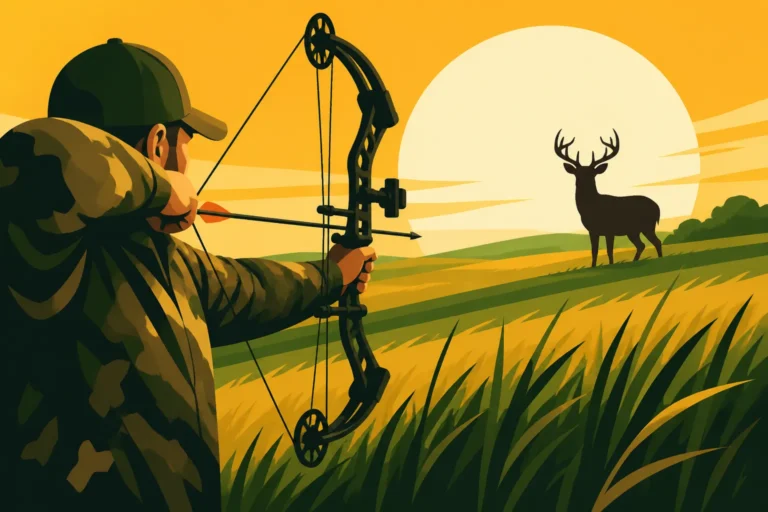
When Saskatchewan's archery season opens, often in September, deer patterns are largely predictable and focused on food. They haven't experienced significant hunting pressure yet, and their primary goal is to fatten up before winter. During this time, shelterbelts serve as daytime bedding areas, offering thermal cover from the still-warm sun and protection from insects. Deer will emerge from these belts in the late afternoon or evening to feed in adjacent fields of peas, lentils, or early-harvested cereals, and return to the safety of the shelterbelt at first light.
Your early season strategy should revolve around these predictable feeding patterns. Focus on stand or blind placements overlooking trails that clearly lead from the shelterbelt directly into active food sources. Pay attention to wind direction, ensuring your scent is carried away from these trails. Mornings can be productive if you can get into your stand quietly before dawn, catching deer returning from their nocturnal feeding. Evenings are often more consistent, as deer are less wary when heading out to feed. Consider a stealthy approach along a low-lying ditch or another strip of cover to reach your stand unnoticed. For a comprehensive look at starting your season strong, delve into Hunting Saskatchewan's September Archery Opener.
Rut Season Rifle Strategies
The whitetail rut in Saskatchewan, peaking in early to mid-November, is arguably the most exciting and productive time to hunt shelterbelts. Bucks, driven by the urge to breed, will abandon their typically reclusive behavior and become far more active during daylight hours. They use shelterbelts not just for bedding, but as cruising lanes, scent-checking for does and marking their territory. The predictable patterns of the early season give way to more erratic, opportunistic movements.
During the rut, an all-day sit in a well-placed stand or blind overlooking a shelterbelt can be incredibly effective. Bucks will often cruise these lines of cover, paralleling the fields, or cutting across them to check different areas. This is when aggressive calling, using grunt tubes and rattling antlers, can truly pay off, as dominant bucks are eager to confront rivals or find receptive does. Look for fresh rubs and scrapes that indicate active buck sign. Positioning yourself where two shelterbelts intersect or where a belt widens into a small pocket of bush can increase your odds. Remember, bucks might come from any direction during the rut, so vigilance is key. To maximize your chances during this critical period, be sure to read Hunting the Rut in Early to Mid November.
Late Season and Winter Hunting
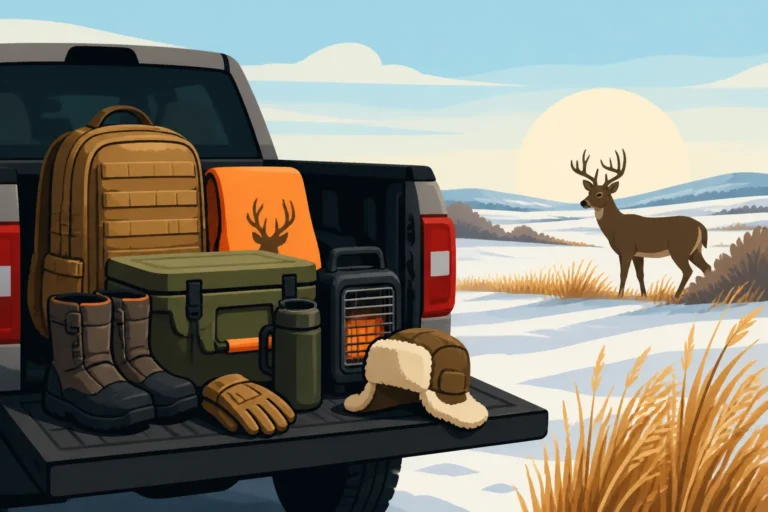
As December rolls in and temperatures plummet, Saskatchewan enters its true winter. Snow often blankets the ground, and deer behavior shifts again, becoming focused on survival, conserving energy, and finding any remaining food sources. Shelterbelts become even more critical during this period, offering essential thermal cover from the biting cold winds and heavy snowfalls. Deer will often yard up in the densest parts of these belts, or seek refuge where the shelterbelt meets a larger block of bush or standing crop like a full cornfield.
Late season hunting in shelterbelts often involves tracking fresh sign in the snow. A fresh snowfall can reveal exactly where deer are bedding and how they’re moving between food and cover. Still-hunting becomes particularly effective, as the snow muffles your footsteps, allowing for quieter movement. Pay attention to how deep snow pushes deer into specific areas of the shelterbelt, often the most sheltered and densest sections. Setting up an ambush point on a well-used trail leading to a known winter food source, such as a standing swath or leftover stubble, can be productive. Be prepared for extreme cold, dress warmly, and prioritize safety. Understanding where deer retreat during harsh weather is essential, so check out Hunting the December Late Season Cold and Where Saskatchewan Whitetails Bed in Snow for more detailed strategies.
Disclaimer
Always consult the current Saskatchewan hunting regulations and local laws before planning any hunting trip. Ensure you have proper licensing, landowner permission where required, and adhere to all safety guidelines. Hunting conditions can change rapidly, and your safety is your responsibility.