Hunting the Missouri Coteau Hills
Hunting the rugged, undulating terrain of Saskatchewan’s Missouri Coteau Hills can be an incredibly rewarding experience, but let's be honest, it's also profoundly challenging. Many hunters look at these expansive, often unforgiving hills with a mix of awe and trepidation. Its rolling hills, deep coulees, and thick brush can feel like a labyrinth, making it tough to know where to even begin, let alone consistently find game. But trust me, beneath that rugged exterior lies some of Saskatchewan's most rewarding hunting opportunities. This comprehensive guide is designed to cut through the mystery, providing you with the knowledge and strategies to confidently pursue big game and upland birds across this unique landscape.
Understanding the Unique Landscape of the Missouri Coteau Hills
The Missouri Coteau is not just another part of the prairie; it’s a distinct geographical feature that demands a different approach from hunters. Formed by glacial activity, its landscape is a chaotic mix of hummocks, hollows, and deep draws that are completely unlike the flat or gently rolling agricultural land found elsewhere. This isn't country you simply drive through; it's country you need to immerse yourself in.
Geological Formation and Topography
Imagine a colossal glacier retreating, leaving behind a jumbled mess of sediment, boulders, and ice chunks. As these ice chunks melted, they created depressions, while the sediment formed hills and ridges. This process, known as stagnation moraine, is precisely what gave birth to the Missouri Coteau. What you see today are these dramatic, rolling hills, often rising hundreds of feet from the surrounding plains, riddled with countless potholes, sloughs, and deep, winding coulees.
The topography is an endless series of ups and downs, without any real pattern, which makes navigation tricky, but also creates incredible pockets of shelter and diverse microclimates. These features dictate everything, from where game beds down to how they travel and feed. Unlike typical prairie, where a big buck might be seen from miles away, the Coteau allows animals to seemingly vanish into thin air, even when they’re only a few hundred yards from your position. Understanding these folds and undulations is your first key to success here. It’s a land of hidden valleys and secret routes, and learning to read it is paramount.
Dominant Vegetation and Cover Types
The vegetation in the Missouri Coteau is a direct reflection of its varied topography and moisture retention. While the surrounding prairie might be dominated by agricultural crops, the Coteau is largely native grassland, punctuated by dense stands of woody cover. You’ll find vast expanses of mixed-grass prairie, perfect for sharp-tailed grouse and foraging mule deer, but then suddenly encounter thick willow bottoms in the coulees and around sloughs.
In the more sheltered draws and on north-facing slopes, you'll often discover clumps of aspen and balsam poplar, creating dense thermal and security cover for whitetail deer and even elk in some areas. The edges of these bluffs, where grassland meets dense brush, are natural travel corridors and feeding zones. In particular, the willow and buckbrush thickets provide excellent escape cover and browsing opportunities. Knowing these transitions between open grass and heavy brush is critical, as game will use them extensively for concealment and movement. It's not uncommon to find deer bedded down in a dense thicket on a sunny slope, perfectly hidden from view, only to emerge at dusk to feed in the adjacent grasslands.
Water Sources and Their Importance
Given the Coteau's glacial origins, it's absolutely littered with wetlands – everything from small, ephemeral potholes that dry up in late summer to larger, permanent sloughs and small lakes. These water sources are magnets for wildlife, especially in a dry year. They provide essential drinking water, of course, but also create crucial habitat for ducks, geese, and a multitude of other creatures. For big game, water sources often define travel patterns and bedding areas.
Deer, in particular, will often bed in cover adjacent to water, or use the dense vegetation surrounding sloughs as escape routes. In a dry autumn, any remaining water becomes a high-traffic area. While Pothole Hunting Prairie Ducks is a common strategy here, don't overlook these spots for bigger game. You'll often find game trails leading directly to these water sources, especially during the morning and evening hours. Identifying these key watering points, particularly those with good cover nearby, should be high on your scouting list.
Prime Game Species and Their Habitat Preferences
The Missouri Coteau Hills are a rich tapestry of ecosystems, supporting a diverse array of game animals. While the region is celebrated for its trophy potential, successfully hunting here means understanding which species thrive where, and how to adapt your tactics to their unique behaviours in this landscape.
Whitetail Deer Strategies in Coteau Country
Whitetail deer absolutely love the Coteau. The endless folds of the land, the dense willow and aspen bluffs, and the proximity to agricultural fields on the fringes provide everything a big buck needs to thrive and evade hunters. Unlike the wide-open prairie where whitetails might stick to river bottoms, here they use every bit of cover the hummocks and hollows offer. They'll often bed down on sunny, south-facing slopes in thick brush during the day, soaking up warmth and staying hidden.
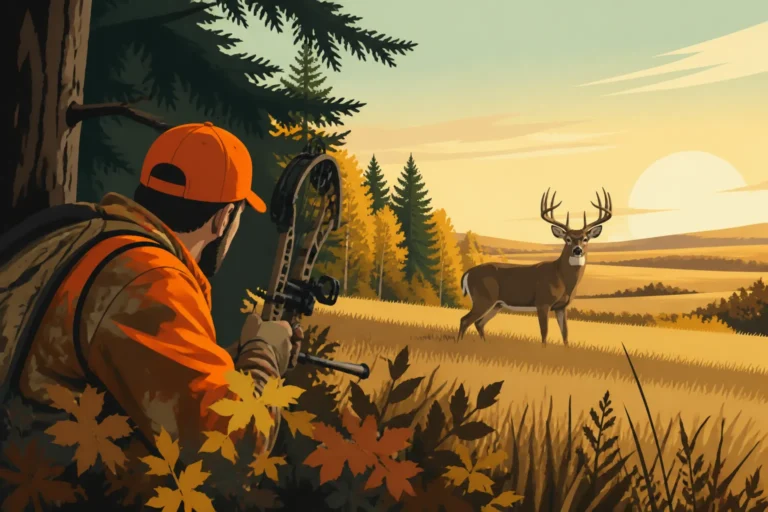
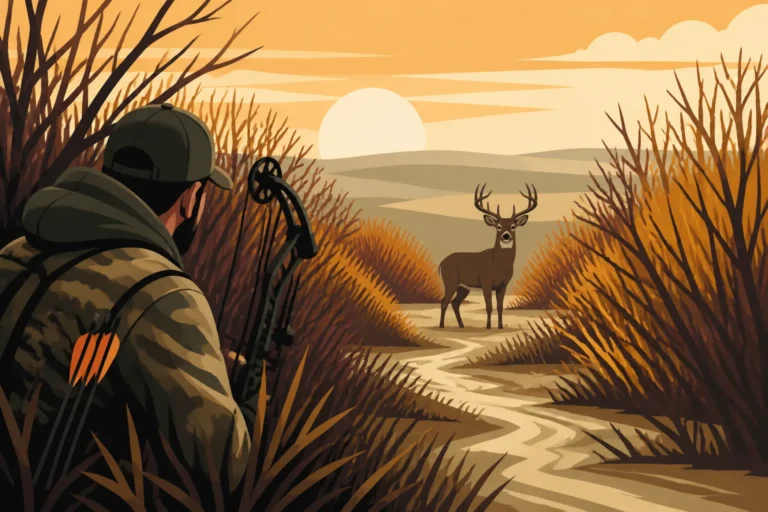
Your best bet for Hunting Whitetails on Saskatchewan Farmland adjacent to the Coteau is often to focus on the transition zones, where the rugged hills meet cultivated fields. Look for trails leading out of the heavy cover into stubble fields or standing crops like corn or peas. During the rut, these bucks become more active, cruising the edges of bluffs and dropping into coulees. Rattling and calling can be effective, especially if you set up on a high point overlooking a dense drainage, allowing the sound to carry. Still-hunting through the thickest cover can also be highly productive, but be prepared for close-quarters encounters and quick shots.
Mule Deer Tactics on the Coteau Slopes
While whitetails prefer the denser cover, mule deer are the true kings of the open, rugged slopes and grassy draws of the Missouri Coteau. Their big ears, keen eyesight, and bounding gait are perfectly suited to this country. They often prefer the higher, more exposed ridges and the wide-open bowls of the coulees, where they can spot danger from a distance. If you're looking for Mule Deer Across Saskatchewan's Prairie, the Coteau provides prime habitat. They tend to be more herd-oriented than whitetails, so if you spot one, there are likely more nearby.
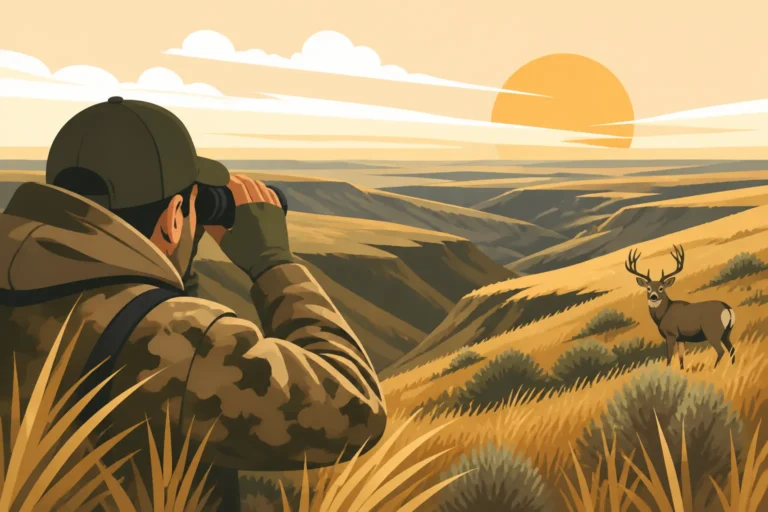
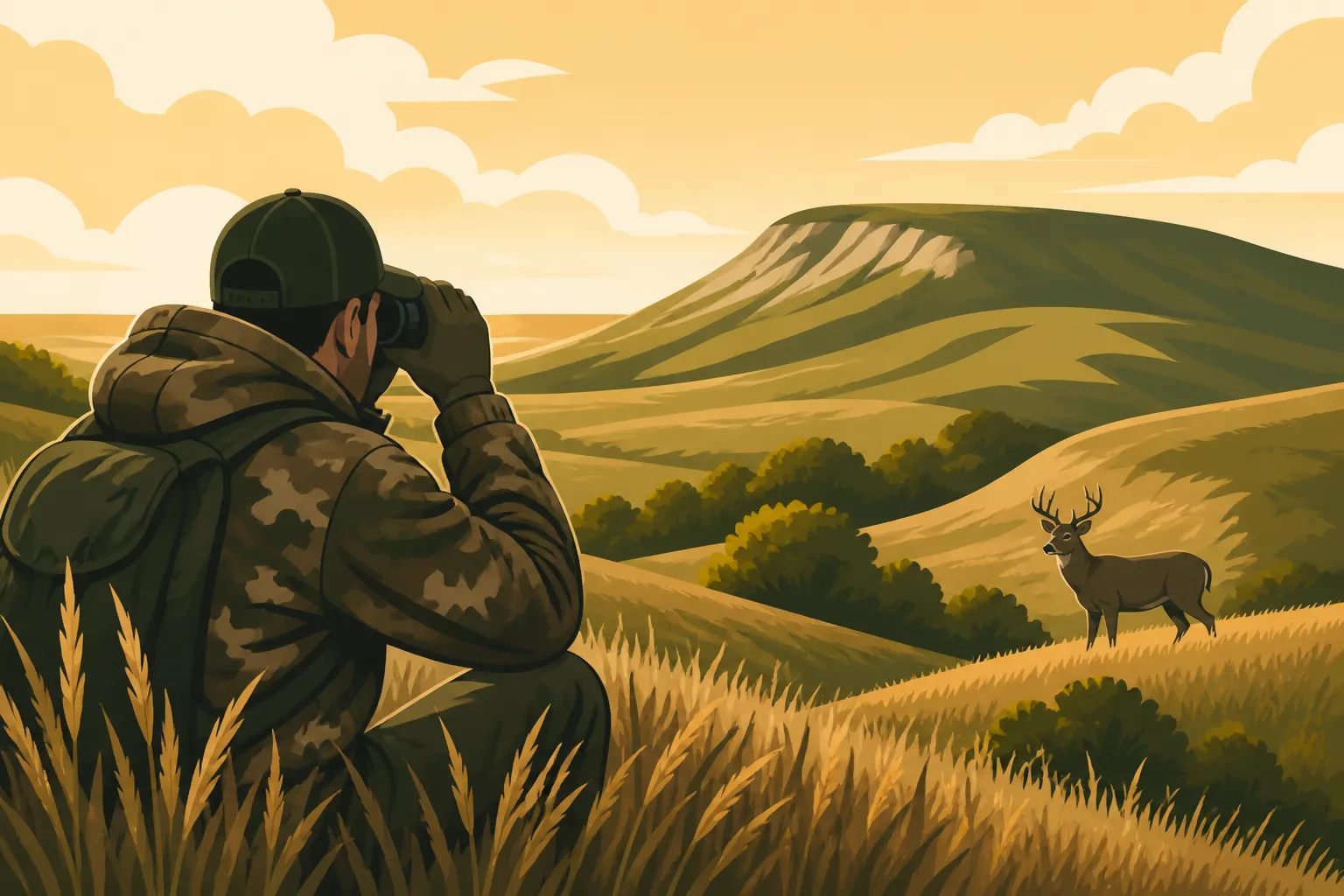
The key to hunting mule deer here is glassing. You simply cannot effectively hunt the Coteau for mule deer without high-quality optics and a lot of patience. Spend hours on high vantage points, meticulously picking apart the coulees and hillsides. Look for that tell-tale grey coat, the distinctive fork of antlers, or the dark shape against a lighter background. Once you spot them, the challenge becomes the Spot-and-Stalk Mule Deer in Saskatchewan approach. The constantly changing elevation and swirling winds can make closing the distance incredibly difficult. Use the terrain to your advantage, staying below ridge lines and using any available brush for cover. A mapping tool like GoHunt can be invaluable for identifying potential stalking routes and predicting wind direction in varying terrain.
Upland Birds: Sharptails and Huns in Coteau Grasslands
Beyond the big game, the Missouri Coteau offers fantastic opportunities for upland bird hunters. This native grassland environment is ideal for sharp-tailed grouse and Hungarian partridge, which thrive in these conditions. Sharptails particularly favour the rolling grasslands with interspersed patches of buckbrush and sage, using these areas for both feeding and cover. You’ll often find them dusting in open areas or perched on small rises, keeping an eye out.
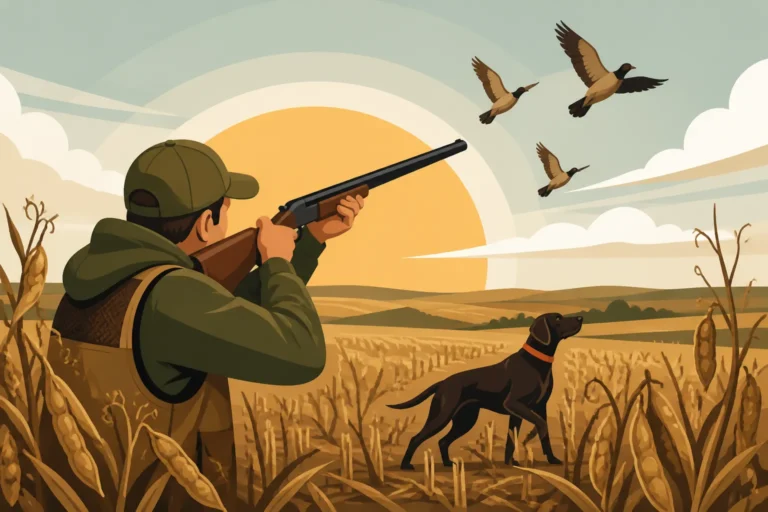
To find sharp-tailed grouse, a classic strategy involves Walking Up Sharp-Tailed Grouse in Saskatchewan by traversing these grassy hillsides, especially during the mid-morning when they are actively feeding after dew-off. A good bird dog can be a tremendous asset, helping to locate and flush birds from denser cover. For Hungarian partridge, also known as Huns, focus on the edges where grasslands meet cultivated fields or along abandoned farmsteads within the Coteau. They often hold tight in thick grass or shelterbelts, so you’ll need to walk them up. Hunting Hungarian Partridge on Saskatchewan Farms adjacent to the Coteau is often productive, as they utilize the food sources from fields but retreat into the Coteau’s cover. Be prepared for coveys to burst out at your feet, offering fast-paced shooting.
Essential Hunting Strategies for the Coteau
Successfully hunting the Missouri Coteau is less about brute force and more about smart planning and adapting to the land. This isn't a place for casual walks; it requires dedication, patience, and a willingness to work for your opportunities.
Scouting and Glassing Techniques
Before you even step foot in the field, good scouting is paramount. Utilize satellite imagery to identify key terrain features, potential water sources, and areas of dense cover. Tools like GoHunt can provide detailed topographical maps and public land overlays, helping you to plan your approach. Once on the ground, the Missouri Coteau is a glasser's paradise. As mentioned for mule deer, finding a high vantage point and patiently glassing is the most effective way to locate game.
Spend extended periods behind your binoculars or spotting scope, meticulously scanning every fold, coulee, and brush patch. Look for subtle movements, a flick of an ear, the shine of an antler, or a change in colour that indicates an animal. Early morning and late evening are prime times, but don't discount the middle of the day, especially if animals are bedded on open slopes. Pay particular attention to north-facing slopes for bedding areas in warmer weather, and south-facing slopes when it's cold. When Glassing a Saskatchewan Coulee for Mule Deer, remember to scan both the bottoms and the rims, as animals use both for travel and cover.
Stalking and Approaching Game
Once game is spotted, the true challenge begins: the stalk. The Missouri Coteau's broken topography can be both a blessing and a curse. It offers endless opportunities to use terrain features for concealment, but also creates unpredictable wind currents and blind spots. Always pay meticulous attention to wind direction, as thermals can shift dramatically in the coulees. Using natural draws, ridge lines, and thick brush, try to stay out of sight and downwind of your quarry.
Move slowly, deliberately, and quietly. Every step should be calculated to avoid dislodging rocks or breaking branches. Be prepared to crawl, duck, and use every bit of cover available. When approaching a target in the open, even a tiny rise or a clump of sagebrush can provide enough concealment for a final approach. This is where fitness really pays off; you'll be covering steep, uneven ground, and often doing so quickly to close the distance before an animal moves. The ability to make quick, ethical shots after a strenuous stalk is crucial.
Adapting to Weather and Terrain Challenges
Hunting the Missouri Coteau means being prepared for anything Mother Nature throws at you. The weather can change in an instant, from calm and sunny to strong winds, rain, or even early season snow. Always pack extra layers, rain gear, and plenty of water. The terrain itself is energy-sapping; those endless hills and coulees will test your endurance. Invest in good quality hiking boots with excellent ankle support.
Navigation can also be a challenge, especially in deep coulees or thick brush where visibility is limited. Always carry a reliable GPS device or use a mapping app on your phone (download offline maps!), and know how to use them. For situations like Hunting Saskatchewan Winter Weather Safely, ensure you have adequate cold-weather gear and emergency supplies. Be mindful of potential hazards like hidden sloughs or icy slopes. In this country, going slow and steady often wins the race, as rushing can lead to injury or spooking game.
Access, Regulations, and Local Considerations
Before you head out to the Missouri Coteau, it's vital to understand the rules of the game, both legal and ethical. Respecting landowners and adhering to regulations ensures a positive experience for everyone and preserves hunting opportunities for the future.
Navigating Public and Private Land Access
The Missouri Coteau is a mosaic of land ownership. While there is Crown land available for public hunting, a significant portion is privately owned, often by ranchers or farmers. It is absolutely critical to know whose land you are on. Always consult updated land ownership maps; services like GoHunt or other provincial land apps are invaluable for this. For Reading Saskatchewan Crown Land Layers on onX, ensure your maps are downloaded and up to date before heading into areas with limited cell service.
For private land, you must obtain permission from the landowner before hunting. This isn't just a courtesy; it's the law in Saskatchewan. Driving around and knocking on doors is often the best approach for Getting Private Land Permission in Saskatchewan. Be polite, respectful, and prepared for rejection – not every landowner will grant access, and that's their right. Building relationships with landowners over time can open up incredible opportunities. Remember, even if you have permission to hunt a Hunting a Saskatchewan Quarter Section, always clarify boundaries and any specific rules they might have.
Key Regulations and Season Dates
As with any hunting in Saskatchewan, you need to be intimately familiar with the provincial hunting regulations. The Missouri Coteau falls within specific Wildlife Management Zones (WMZs), and each zone has its own unique season dates, bag limits, and specific rules for species. Make sure you know exactly which WMZ you are hunting in.
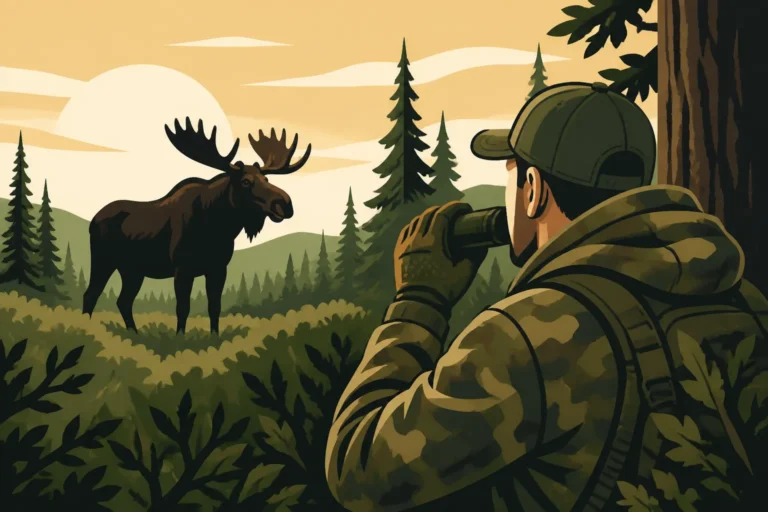
Check the current Saskatchewan Big Game Season Dates for deer and any draw species like moose or elk. If you're pursuing upland birds, review the Saskatchewan Game Bird Seasons and Limits carefully. Pay attention to legal shooting hours, specific weapon restrictions (e.g., archery-only zones or seasons), and tag validation requirements. Always have your license and Wildlife Habitat Certificate on your person. Ignorance of the law is never an excuse, and game wardens are active in this region.
Respecting the Land and Local Communities
Hunting in the Missouri Coteau is a privilege, not a right. It's our responsibility as hunters to be stewards of the land and respectful members of the community. This means packing out everything you pack in, and leaving no trace behind. Avoid driving off-road unless explicitly permitted by a landowner, as this can damage sensitive grassland ecosystems and create ruts. If you're parking along a grid road, ensure your vehicle is completely off the travelled portion and not blocking access.
When interacting with locals, whether they're landowners, other hunters, or small-town residents, always be courteous and friendly. A positive reputation goes a long way in fostering good hunter-landowner relations and ensuring continued access for everyone. Take care to close all gates, avoid disturbing livestock, and report any illegal activity you witness to provincial authorities. By respecting the land, the wildlife, and the people of the Missouri Coteau, you contribute to a sustainable hunting future for this truly special part of Saskatchewan.
| Species | Preferred Coteau Habitat | Key Hunting Method |
|---|---|---|
| Whitetail Deer | Dense willow/aspen bluffs, deep coulees, field edges | Still-hunting, Stand hunting, Rattling |
| Mule Deer | Open grassy slopes, wide coulee bowls, exposed ridges | Glassing, Spot-and-stalk |
| Sharp-tailed Grouse | Rolling native grasslands, buckbrush patches | Walking them up (with/without dog) |
| Hungarian Partridge | Field edges, shelterbelts, thick grass near agriculture | Walking them up (often tighter holds) |
Disclaimer
Hunting is an inherently dangerous activity. This guide provides general information and strategies, but hunters are solely responsible for their own safety, ethical conduct, and compliance with all current federal, provincial, and local hunting laws and regulations. Always prioritize safety, respect wildlife and landowners, and ensure you have the necessary licenses and training before heading into the field. Conditions can change rapidly, and hunters should always be prepared for emergencies.