What a Draw Application Costs
It can feel like a maze sometimes, trying to figure out all the fees involved in hunting, especially when you're looking at a big game draw in a place like Saskatchewan. The cost of a draw application might seem like a minor detail, but it's an important part of your overall budget, and understanding exactly what you're paying for can save you a lot of guesswork and frustration. This guide is going to walk you through the specifics of what a draw application costs in Saskatchewan, breaking down the fees and explaining what's included so you can plan your next hunting adventure with confidence.
Decoding Saskatchewan's Big Game Draw System and Associated Fees
The Saskatchewan big game draw is a rite of passage for many resident hunters hoping to pursue coveted species like moose, elk, or even a coveted antlered mule deer tag in certain zones. Unlike general over-the-counter licenses for whitetail deer in many zones, these opportunities are limited, and the draw system is how the province fairly allocates those tags. It's a system designed to manage wildlife populations responsibly, ensuring sustainable hunting for generations to come, but it definitely adds a layer of complexity (and cost!) to your hunting plans. For those interested in the broader picture, the article on Saskatchewan's Big Game Draw provides a comprehensive overview.
When you decide to throw your hat in the ring for a draw, it's not just a simple click of a button; there are specific fees involved. These aren't just arbitrary numbers; they contribute to the significant administrative costs of running such a complex system. From processing applications to managing priority pools and communicating results, a lot goes on behind the scenes. This is where your draw application fee comes in, and understanding its purpose can help you see it not just as an expense, but as an investment in the system that provides these unique hunting opportunities. For those using platforms like GoHunt, researching draw odds and past application trends can feel like a game in itself, but the actual application still needs that financial commitment.
It’s easy to get caught up in the excitement of applying for a dream tag, perhaps for a trophy moose or an elusive elk, and overlook the smaller financial details. But those details are crucial. Beyond the application fee itself, there's the underlying requirement of holding a Saskatchewan's Wildlife Habitat Certificate and often a resident hunting license, which are separate costs. It’s like buying a concert ticket – you need the ticket to get in, but you also need to make sure you have transportation and maybe a place to stay. All these pieces add up, so being aware of each component is essential for a realistic budget. The total cost of a hunting trip really starts right here, with the very first steps of applying. For general information on fees, refer to Saskatchewan Hunting Licences and What They Cost.
Breaking Down the Costs: What Your Application Fee Actually Covers
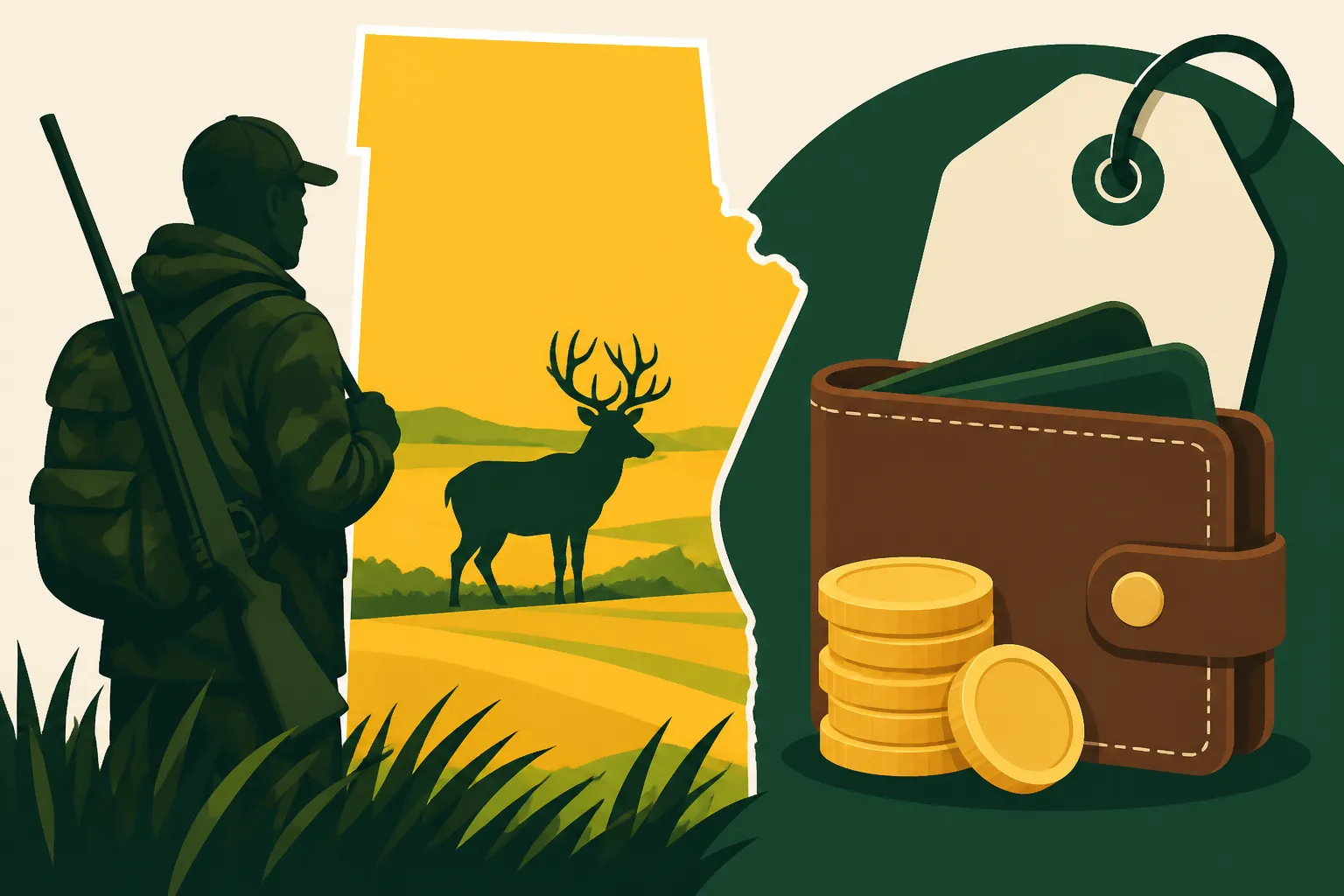
Let's get down to the brass tacks: what exactly does a Saskatchewan big game draw application cost, and what are you actually paying for? The fee for a draw application itself is relatively modest, typically ranging around the $10-$15 mark per application. For example, a resident big game draw application usually costs around $10. These fees are set by the Saskatchewan Ministry of Environment and are subject to change, so always check the most current Hunting and Trapping Guide. This small fee contributes directly to the operational expenses of the draw system, including the ongoing maintenance and development of the Saskatchewan's HAL Account and Licensing system.
However, it’s critical to understand that this application fee is not the cost of the actual hunting license. It's simply the fee to enter the draw. Think of it like buying a lottery ticket; you pay a small fee to play, but if you win, you still have to pay for the prize itself. In this case, the "prize" is the opportunity to purchase the big game license. So, if you're successful in the draw, you'll then be required to purchase the specific license for the species and zone you drew, and those costs are significantly higher, varying by species. For example, a Saskatchewan Resident Deer Licence Cost might be around $35-$45, while a Saskatchewan Moose Licence Cost could be over $80.
Beyond the application fee and the actual license cost, every hunter in Saskatchewan (with a few minor exceptions for certain youth or senior permits) is also required to purchase a Wildlife Habitat Certificate (WHC). This certificate is a mandatory annual purchase, usually costing around $20-$30, and it goes directly towards conservation efforts, habitat preservation, and wildlife management across the province. You can't even apply for a draw or purchase any hunting license without first acquiring your WHC. So, when you're tallying up your initial investment, remember to factor in the draw application fee, the eventual license cost (if successful), and the annual WHC. These costs, along with the processing fees for online transactions through the HAL account system, form the foundation of your initial financial outlay for hunting in Saskatchewan.
Let's put this into a quick table for clarity on potential costs for Saskatchewan Resident Licence Options:
| Item | Typical Resident Cost (approx. CAD) | Notes |
|---|---|---|
| Wildlife Habitat Certificate (WHC) | $20 – $30 | Mandatory annual purchase, supports conservation. Must be purchased before any license or draw application. |
| Big Game Draw Application Fee | $10 – $15 per application | Fee to enter the draw for species like moose, elk, mule deer (certain zones). Non-refundable. |
| If Successful in Draw: | ||
| Resident Antlered Mule Deer Licence | $35 – $45 | Example cost, varies by species and type (antlered/antlerless). |
| Resident Moose Licence | $80 – $100 | Example cost, varies by species and type. |
| Resident Elk Licence | $60 – $80 | Example cost, varies by species and type. |
| Transaction Fees | Varies ($2-$5 per transaction) | Online processing fees, can apply to WHC, draw applications, and license purchases. |
Note: These are approximate costs for residents and are subject to change. Always consult the official Saskatchewan Hunting and Trapping Guide for the most up-to-date and accurate figures.
Non-Resident Considerations
For non-residents looking to hunt big game in Saskatchewan, the situation is quite different and generally more costly. Non-residents, with very few exceptions, are required to book their big game hunts through a licensed outfitter. This means you won't be individually applying for draw tags in the same way a resident does. Instead, the outfitter will have an allocation of tags for specific species and zones, and the cost of your hunt package, which can range from several thousands to tens of thousands of dollars depending on the species and experience, will include the permit itself. So, while a non-resident isn't directly paying a "draw application fee" in the same way, the opportunity cost is significantly higher as it's bundled into a comprehensive guided experience. This is a crucial distinction and often a source of confusion for hunters from outside the province who are used to different systems. The article "Why Non-Residents Need an Outfitter" elaborates on this point.
Strategies for Managing Your Draw Application Costs and Maximizing Your Chances
Alright, so you know the costs. Now, how do you make the most of your investment, especially when it comes to those elusive draw tags? It's not just about spending money; it's about spending it smartly and strategically. Many hunters apply for multiple draws across different species or zones to increase their odds, which of course means incurring multiple application fees. While that can boost your chances, it also means multiplying those initial $10-$15 fees. Remember that When Saskatchewan's Big Game Draw Opens is usually in May, giving you time to strategize.
One key strategy is to thoroughly research the draw odds for various species and zones. Resources like the Saskatchewan Ministry of Environment's official statistics or even platforms like GoHunt can provide valuable insights into what your chances truly are. If you're consistently applying for a "trophy moose" tag in a zone with historically low odds, perhaps adjusting your strategy to a more accessible elk or antlered mule deer draw in a different zone might be a better use of your application fee dollars, especially if getting a tag in hand is your primary goal. Understanding the "Which Saskatchewan Zones Draw Fastest for Mule Deer" or similar articles on draw odds can guide your decisions before the Saskatchewan Big Game Draw Deadlines roll around.
Another often-overlooked aspect is understanding the "How Saskatchewan's Priority Pools Work". Saskatchewan uses a priority pool system for its big game draws, meaning the longer you apply for a species without success, the higher your priority becomes in subsequent draws. This system rewards persistence. So, while applying year after year might seem like a continuous stream of application fees, it's actually building your equity in the system. Knowing this can help you decide whether to stick with a long-shot draw for years or if you should shift your focus to species where you might gain a tag sooner. For example, applying for a trophy moose in the Legacy Pool can take many years, but for some, the waiting is part of the challenge and the eventual reward.
Finally, consider applying as a party. "Applying as a Party in Saskatchewan's Draw" can sometimes increase your collective odds, especially if one member of your party has higher priority. While each member of the party still incurs their own application fee and would be responsible for their own license fee if drawn, it's a social way to share the experience and potentially leverage combined priority to secure tags. Just remember, if one person in the party draws, everyone in the party draws, so make sure everyone is committed to purchasing the license if successful. This can be a great way for a family or group of friends to plan a hunt together, spreading out the potential costs and increasing the collective excitement around the draw results. This is especially useful for species listed under "Which Saskatchewan Species Are Draw Only".
Common Misconceptions and Additional Costs to Consider
It’s easy to focus solely on the listed fees, but the world of hunting finances often has hidden corners that can catch you off guard. One common misconception is that the application fee somehow guarantees you a tag, or at least a higher chance. This simply isn't true; it’s merely the entry ticket. Your success depends on the number of available tags, the total number of applicants, and your priority in the draw, not on how much you paid for the application itself. It's a true lottery in that sense, with the added complexity of priority.
Another area that can confuse new hunters (or those new to Saskatchewan) is the distinction between a "draw" tag and an "over-the-counter" tag. Many species, particularly whitetail deer in certain zones, have licenses available for direct purchase without going through a draw. For these, you only pay the license fee and the Wildlife Habitat Certificate, bypassing the draw application fee entirely. Always check the official "Saskatchewan Whitetail Season Dates by Zone" and specific zone regulations to see what's available through a draw versus direct purchase. Understanding these nuances is crucial for accurate financial planning and ensuring you're applying for the right type of tag.
Beyond the direct licensing and application costs, don't forget the broader financial picture of your hunting trip. Fuel, accommodation (especially if you're not lucky enough to be Hunting Whitetails on Saskatchewan Farmland close to home), gear, ammunition, meat processing, and potential taxidermy are all significant expenses that can dwarf the initial application fee. A budget that only accounts for the license and draw fees is an incomplete budget. Even something as simple as "Meat Care in Saskatchewan's Cold Snaps" can introduce unexpected costs if you're not prepared with proper coolers or processing services. Utilizing online mapping tools and planning resources, such as those found on GoHunt, can help you visualize your trip and remember these ancillary costs.
Finally, always be aware of potential rule changes. The Saskatchewan Ministry of Environment can adjust fees, draw rules, and season dates annually. Subscribing to updates from their official channels or regularly checking the latest Hunting and Trapping Guide is essential. What was true last year might not be true this year, and being caught off guard by a fee increase or a change in application deadlines can be frustrating. Stay informed, plan carefully, and enjoy the pursuit of big game in Saskatchewan. The thrill of the chase, and hopefully, the success of a drawn tag, often makes the financial planning well worth the effort.
Disclaimer
Please be aware that hunting regulations, license costs, and draw application fees in Saskatchewan are subject to change. Always consult the most current Saskatchewan Hunters' and Trappers' Guide, published by the Saskatchewan Ministry of Environment, or visit their official website for the most accurate and up-to-date information before making any hunting plans or purchases. This article provides general information and approximate costs only.