Moose in Saskatchewan’s Farmland and Forest
Hunting moose in Saskatchewan can feel like a daunting task for many, especially when you consider the sheer size of the province and the diverse habitats these magnificent animals call home. It's not just about heading into the deep bush anymore; moose have adapted to, and even thrived in, some unexpected corners of our landscape. This guide will walk you through everything you need to know about Saskatchewan's moose, from their preferred environments in the farmlands and forests to their behavior patterns, helping you unravel the mysteries of pursuing these incredible big game animals.
Understanding Saskatchewan Moose: A Unique Challenge
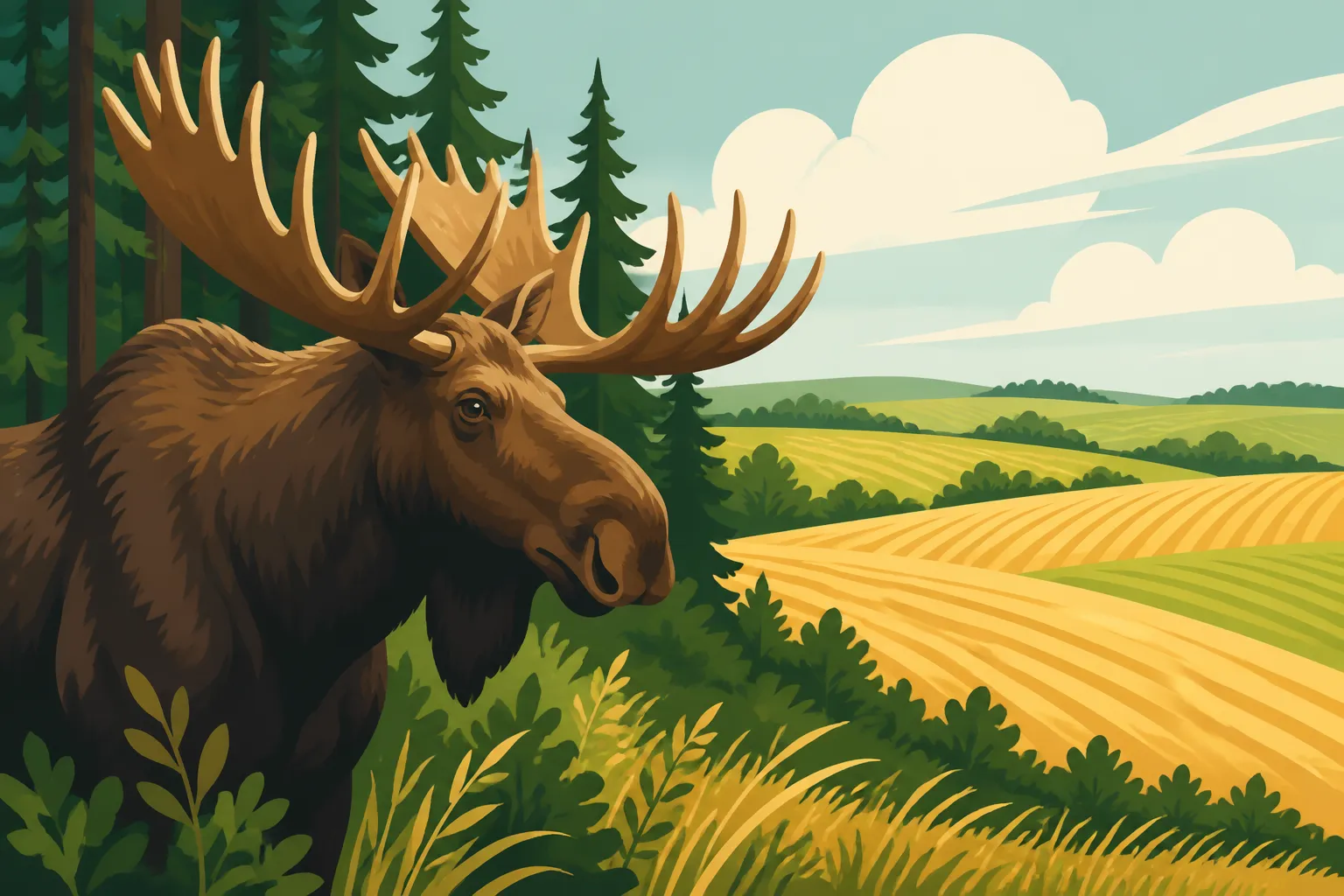
Saskatchewan's moose population presents a fascinating study in adaptation and resilience. These giants of the deer family are not merely confined to the dense boreal forests of the north; they’ve expanded their range dramatically, particularly into the aspen parkland and even agricultural areas, offering unique hunting opportunities and challenges.
History of Moose Expansion into Farmland
Historically, moose were creatures of the deep woods, their presence firmly rooted in the northern boreal forests. However, over the past few decades, we’ve witnessed a significant shift. As agricultural practices have opened up more land, and as deciduous growth has regenerated in cut blocks and disturbed areas, moose have found new niches. They're incredibly adaptable animals, and the mosaic of cover, water, and food found in the transition zones—where forest meets farmland—has proven to be exceptionally appealing. This expansion has led to increasing opportunities for hunters in areas once thought devoid of moose, fundamentally changing how many of us approach Moose Hunting Saskatchewan's Farmland and Forest. This demographic shift isn't just a quirky anomaly; it's a testament to the animals' ability to capitalize on new food sources and reduced predator pressure in these mixed environments.
Key Characteristics and Behavior
Saskatchewan moose, whether they’re living deep in the bush or on the edge of a pea field, are defined by their sheer size, impressive antlers on the bulls, and generally solitary nature outside of the rut. They are primarily browsers, relying on woody vegetation like willow, aspen, and balsam fir, but their diet becomes much more varied in agricultural areas where they might supplement with crops. Their large size, long legs, and powerful build make them perfectly suited for traversing boggy terrain and deep snow, which is common in their traditional northern habitats. In farmland settings, these same attributes allow them to navigate sloughs, shelterbelts, and dense bluffs with surprising stealth. Observing their tracks, rub lines, and feeding sign is paramount, as their movements are often patterned around available browse and water sources.
Why Saskatchewan Moose Are Special
There's something truly special about Saskatchewan moose. Perhaps it's the contrast of finding such a majestic creature against the backdrop of an open field, or the quality of the bulls that come from our province. Saskatchewan consistently produces some incredible moose, with antlers that make a hunter's heart pound. The diverse habitats, from the rich browse of the forest fringe to the nutritious crops in agricultural zones, contribute to the impressive body size and antler development we see here. Furthermore, the challenge of hunting these animals in vastly different terrains, whether it's still-hunting through thick boreal forest or glassing wide-open parkland, truly makes a Saskatchewan moose hunt a unique experience. It’s a pursuit that demands patience, keen observation, and an intimate understanding of the landscape.
Where Moose Roam: Farmland vs. Forest Ecosystems
Understanding the distinct preferences of moose in Saskatchewan's varied landscapes is crucial for any hunter. The strategies you employ and the areas you focus on will differ significantly depending on whether you're pursuing an animal on the agricultural fringe or deep within the northern woods.
Farmland Fringe Habitats
The farmland fringe is a truly unique environment for moose. Here, you'll find them inhabiting bluffs of aspen and willow, dense stands along creek bottoms, and even larger shelterbelts or abandoned farmyards. These areas often provide an incredible mix of dense cover for bedding and security, juxtaposed with readily available, nutrient-rich food sources from adjacent agricultural fields. Imagine a large willow ring around a slough, bordered by a standing canola field—that’s prime farmland moose country. They aren't just passing through; many of these moose spend their entire lives within these fragmented habitats, using the cover of a small bush island during the day and venturing out to browse on crops at night. Access can sometimes be easier than in the deep forest, but securing Getting Permission for a Goose Field or any land access is always the first step.
Boreal Forest Strongholds
In stark contrast, the boreal forest offers the classic moose habitat: vast expanses of spruce, pine, and aspen, interspersed with wetlands, muskeg, and numerous lakes and rivers. This is where you'll find the truly wild, rugged moose. These areas offer endless cover and a consistent supply of their preferred browse. Hunters here often rely on cutlines, old logging roads, and waterways for access. The challenge lies in the sheer scale of the terrain and the density of the vegetation. Moose in these areas often have vast home ranges, and finding them can involve extensive tracking, still-hunting, or relying on calling during the rut. Understanding how moose utilize different types of forest cover, from mature stands to regenerating burns, is key. Platforms like GoHunt can be invaluable for pinpointing remote access points and understanding the lay of the land, especially in these massive forested regions.
Transitional Zones and River Valleys
Beyond the clear-cut definitions of farmland and forest, Saskatchewan boasts expansive transitional zones and numerous river valleys that act as vital corridors and habitats for moose. The aspen parkland, for instance, is a mosaic of aspen bluffs, grasslands, and wetlands, offering a perfect blend of cover and forage that moose readily exploit. River valleys, such as the North Saskatchewan River or the Qu'Appelle Valley, provide essential water sources, dense riparian vegetation, and often more sheltered conditions, making them attractive to moose year-round. These areas can concentrate animals, especially during harsh winters when thermal cover and readily available browse are critical. Hunting these transitional zones requires a flexible approach, often combining elements of both forest and farmland strategies, and carefully studying topographical maps and satellite imagery to identify key travel corridors and bedding areas.
The Moose Diet: What Sustains These Giants
A moose's diet is intrinsically linked to its habitat and seasonal availability of forage. Understanding what these animals eat, and when, can provide crucial clues for scouting and hunting, revealing where they will spend their time.
Summer Forage Favorites
During the lush summer months, Saskatchewan moose indulge in a diverse menu of leafy browse, aquatic vegetation, and herbaceous plants. They aren't picky, but they do have favourites. Young aspen, willow, and red-osier dogwood shoots are high on their list, providing essential nutrients for body growth and, for bulls, impressive antler development. They'll also wade into sloughs and lakes to feast on water lilies and other aquatic plants, which are surprisingly rich in minerals like sodium. In farmland areas, they might browse on alfalfa or even certain crop plants when they are green and palatable. This abundance of high-quality forage allows moose to pack on significant weight and build up fat reserves in preparation for the leaner winter months.
Winter Browsing Strategies
As Saskatchewan winters descend, the moose diet shifts dramatically. With deciduous leaves gone and aquatic plants frozen, they turn to woody browse almost exclusively. Preferred species include the terminal twigs and bark of willow, aspen, balsam fir, and birch. They will also strip bark from certain trees if other browse is scarce. Deep snow can greatly impact their foraging, often forcing them to 'yard up' in areas with dense cover that offers both thermal protection and a concentrated food supply. Coniferous stands, while not a primary food source, become critical for shelter, especially during heavy snowfalls and extreme cold. Understanding these winter browsing patterns can reveal traditional bedding and feeding areas, offering valuable insights for late-season hunts or for planning future seasons.
Nutritional Needs for Antler Growth
For bull moose, nutrition is paramount, particularly during the antler growing phase. The incredible energy and mineral demands required to grow antlers weighing upwards of 50 pounds in just a few months cannot be overstated. A diet rich in protein, calcium, and phosphorus, primarily sourced from high-quality browse, is essential. This is one of the reasons why moose in agriculturally rich areas, or those with access to diverse and abundant forage, tend to produce larger antlers and exhibit greater body mass. A healthy habitat, providing consistent access to these nutritional requirements, directly translates into the impressive rack sizes that Saskatchewan is known for, contributing to the reputation for Why Saskatchewan Bucks Grow So Large in other species as well. Healthy cows also produce healthier calves, ensuring the future of the herd.
The Rut and Reproduction: Timing Your Hunt
The moose rut is arguably the most exciting, and often the most effective, time to hunt these animals. Understanding its timing and the associated behaviors is key to a successful hunt, especially when trying to connect with a dominant bull.
When Saskatchewan's Moose Rut Peaks
The moose rut in Saskatchewan typically kicks into high gear from late September through mid-October. However, like all things in nature, there can be some variability depending on weather conditions and individual animal cycles. Generally, the last week of September and the first two weeks of October are prime time. During this period, bulls become much more vocal and mobile, actively seeking out cows. This heightened activity makes them more visible and responsive to calling, a strategy often employed by hunters during Rifle Hunting Saskatchewan's Whitetail Rut for deer, but even more so for moose. Paying close attention to early signs like fresh rubs and scrapes can give you an edge, signaling that the rut is just beginning to fire up in your hunting area.
Calling Strategies During the Rut
Calling is an art form when it comes to moose hunting, and the rut is when it truly shines. During this period, bulls are driven by the urge to find cows and challenge rival bulls. Cow calls, which mimic the estrous bleat of a receptive female, can be incredibly effective at drawing in curious bulls. Bull grunts and raking sounds (imitating antlers rubbing trees) can also provoke a territorial response from dominant males. The key is to be patient and listen. Often, a bull will respond with a grunt of his own, allowing you to pinpoint his location and adjust your strategy. Knowing Calling Moose in Saskatchewan's Bush effectively can turn a quiet hunt into an adrenaline-pumping encounter, as a massive bull quietly slips through the timber towards your position. The success of calling often depends on the mood of the moose and the hunting pressure, so adapting your calls and approach is crucial.
Post-Rut Behavior and Challenges
Once the peak of the rut subsides in late October, moose behavior changes. Bulls, exhausted from weeks of chasing cows and sparring with rivals, will often seek out quiet, secluded areas to feed heavily and regain lost body condition. They become much less vocal and more wary, making them harder to locate. Hunting in the post-rut requires a shift in tactics, moving away from calling and towards extensive still-hunting or tracking. Look for fresh tracks in new snow, concentrated browsing activity, and signs of undisturbed bedding areas. Moose will often feed heavily in areas with good cover, staying out of sight during daylight hours. This can be a challenging but rewarding time to hunt, as stealth and patience become your most valuable assets.
Population Trends and Management Efforts
Understanding the dynamics of Saskatchewan's moose population is vital for both hunters and conservationists. Population trends dictate hunting opportunities, while management efforts ensure the long-term health of the species.
Current Population Status
Saskatchewan's moose population has seen some interesting shifts over the years. While certain northern and central areas maintain robust numbers, the expansion into farmland and parkland regions has contributed significantly to the provincial total. However, localized declines can occur due to various factors, including habitat changes, disease, and predator pressure. The provincial government, through its wildlife management programs, conducts surveys and monitors harvest data to assess population health. Hunters play a crucial role in this process by accurately reporting their harvest and submitting samples for disease testing. Overall, Saskatchewan's moose population remains healthy enough to support sustainable hunting, but vigilance and adaptive management are always necessary to address localized concerns.
Moose Tag Allocation and Draws
Hunting moose in Saskatchewan for residents often involves participating in the provincial big game draw system. This system aims to fairly distribute hunting opportunities while managing harvest levels to maintain healthy populations. Specific Wildlife Management Zones (WMZs) are allocated a certain number of tags for antlered moose, antlerless moose, or either-sex moose, depending on local population objectives. Hunters apply for these tags, and successful applicants receive a draw licence. Understanding Saskatchewan's Big Game Draw and its various priority pools is essential for increasing your odds over time. Non-residents, on the other hand, typically access moose hunting opportunities through licensed outfitters, who are allocated tags by the province. This system helps to regulate hunting pressure and ensure that harvest is within sustainable limits across all regions, from the farmlands to the deep northern forest.
Challenges: Predators, Disease, and Habitat Loss
Despite their impressive size, Saskatchewan moose face several challenges that impact their populations. Predation by wolves, especially on calves and weakened adults, is a natural and significant factor, particularly in northern forested areas. Disease, such as Chronic Wasting Disease (CWD), is a growing concern, though moose are generally less susceptible than deer and elk. However, monitoring and testing are critical to track its potential spread and impact. Bovine Tuberculosis (BTB) has also been a concern in certain regions, leading to specific testing requirements. Habitat loss and fragmentation, particularly in the forest fringe and agricultural areas, can also impact moose, reducing suitable bedding cover and forage. Additionally, winter ticks can be a serious issue, especially following mild winters, leading to hair loss and weakened animals. These challenges underscore the importance of ongoing research, active management, and the cooperation of hunters in monitoring moose health and populations.
Scouting and Hunting Strategies for Saskatchewan Moose
Successful moose hunting in Saskatchewan requires more than just luck; it demands diligent scouting and adaptable hunting strategies tailored to the specific environment you're in. Whether you're in open farmland or dense boreal forest, the approach differs significantly.
Pre-Season Scouting Techniques
Effective pre-season scouting is the cornerstone of a successful moose hunt. This isn't just a casual walk in the woods; it's a dedicated effort to understand moose movements and habits in your chosen area long before opening day. Start by studying maps, particularly topographic and satellite imagery available on platforms like GoHunt. Look for areas with a mix of heavy cover, water sources, and potential food plots or browse areas. Pay close attention to pinch points, travel corridors, and transition zones where different habitat types meet. Once on the ground, look for old tracks, rub lines, droppings, and browse sign. Focus on finding bedding areas, which are often in dense cover, and linking them to feeding areas. Identifying active wallows can be a major indicator of moose presence, especially leading up to the rut. Early season scouting allows you to pattern animal movement and locate specific bulls before the season even begins.
Calling Moose in Saskatchewan's Bush and Farmland
While the core principles of calling remain the same, applying Calling Moose in Saskatchewan's Bush differs slightly from calling in more open Hunting Farmland Moose in Saskatchewan. In the bush, your calls can echo through the dense timber, and you might need to be more aggressive with bull grunts and raking to cut through the foliage. Patience is key, as a bull might take his time approaching through the thick stuff. In farmland or parkland settings, your calls carry much further, so softer, more subtle cow calls might be more appropriate to avoid alarming an animal in open country. You also need to be mindful of wind direction and thermals more acutely in open areas. Regardless of the location, set up with good cover, watch your downwind side, and be prepared for a stealthy approach from a curious bull. Sometimes, backing off after a call and circling downwind can allow you to intercept a bull trying to scent-check the "cow" it heard.
Stand Hunting vs. Still Hunting
Choosing between stand hunting and still hunting often comes down to the specific terrain and your personal hunting style. Stand hunting, whether from a tree stand or a ground blind, is particularly effective in areas where moose movements are predictable, such as along known travel corridors, near active feeding areas, or over scrapes and wallows during the rut. It's an excellent tactic for hunters who prefer to be patient and let the animals come to them, especially during the peak rut when bulls are on the move. Still hunting, on the other hand, involves slowly and deliberately moving through cover, searching for moose sign and actively looking for animals. This method is more physically demanding but can be incredibly rewarding, especially in dense bush or when tracking moose after a fresh snowfall. It requires extreme stealth, keen observation, and a good understanding of moose habits. Many successful hunters combine both approaches, stand hunting in key locations during peak activity times, and still hunting during less active periods or when covering large tracts of new ground.
Dealing with Your Moose Harvest: From Field to Freezer
Harvesting a moose is a tremendous accomplishment, but the work truly begins after the shot. Handling such a large animal properly in the field is critical for meat quality and can be physically demanding.
Field Dressing and Quartering a Moose Alone in the Bush
Field dressing a moose quickly and efficiently is paramount, especially if temperatures are mild. The sheer size of a moose means cooling it down is a priority to prevent spoilage. For many, the idea of Quartering a Moose Alone in the Bush can seem overwhelming, but with the right tools and a systematic approach, it's entirely feasible. You'll need a sharp knife, a game saw, good rope, and potentially some game bags. The typical approach involves gutting the animal, then carefully quartering it into manageable sections (two front quarters, two hindquarters, the backstraps, and tenderloins) to facilitate removal. Skinning can be done in the field or back at camp, but getting the hide off quickly aids cooling. If you're hunting remotely, consider bringing a small, portable hoist or a block and tackle to help with lifting and positioning the heavy quarters. Always ensure your hands and tools are clean to avoid contamination.
Getting a Moose Out With a Quad
Once the moose is field dressed and quartered, the next challenge is extraction. Trying to drag an entire moose, even a field-dressed one, is often impossible due to its immense weight. This is where tools like quads, side-by-sides, or even pack horses become invaluable. For many Saskatchewan hunters, Getting a Moose Out With a Quad is the go-to method. You'll need a strong winch, a solid hitch, and plenty of rope. Securely strapping the quarters to a trailer or sled, or using a specialized game cart designed for heavy loads, will make the job much easier. If you're operating on Crown land, be aware of specific rules regarding off-road vehicle use. Plan your extraction route beforehand, identifying any obstacles or difficult terrain. Even with mechanical assistance, moving several hundred pounds of meat requires caution and teamwork, especially on uneven or soft ground.
Meat Care in Cold Weather
Saskatchewan's often cold hunting seasons, particularly in late fall and winter, can be a blessing when it comes to meat care. Cold temperatures act as a natural refrigerator, slowing bacterial growth. However, this doesn't negate the need for proper handling. After quartering, get the meat cooled as quickly as possible. Hang the quarters in game bags in a cool, shaded, and well-ventilated area, away from direct sunlight and predators. A shed, garage, or even a sturdy tree in a cold bush camp can work. The goal is to allow the meat to "age" or hang for several days (typically 5-10 days, depending on temperature and personal preference) before processing. This process breaks down muscle fibers, tenderizing the meat and enhancing its flavour. For more detailed advice, check out guides on Meat Care in Saskatchewan's Cold Snaps. Always inspect your meat for any signs of spoilage before processing and ensure it's kept clean and dry throughout the hanging period.
Conservation and Future of Moose Hunting
Saskatchewan's moose populations are a precious resource, and responsible hunting plays a vital role in their conservation and future sustainability. Our actions today directly impact the opportunities for generations to come.
Sustainable Harvesting Practices
The core of moose conservation lies in sustainable harvesting practices. This means ensuring that the number of animals taken by hunters each year does not exceed the population's ability to replenish itself. Saskatchewan's licensing system, with its draw for specific tags and management zones, is designed to achieve this balance. Hunters are encouraged to target animals responsibly, understand local population dynamics, and adhere to all regulations, including bag limits and antler restrictions. Ethical hunting also involves avoiding unnecessary waste of game meat and respecting the animal as a resource. By participating in CWD testing and reporting observations of moose health or unusual behavior, hunters contribute valuable data that helps wildlife managers make informed decisions for the benefit of the entire moose population.
Hunter's Role in Conservation
Hunters are often the most ardent conservationists, and their involvement extends far beyond the hunt itself. In Saskatchewan, hunters contribute directly to wildlife management through licence fees, which fund research, habitat protection, and enforcement. Furthermore, organized groups like the Saskatchewan Wildlife Federation (SWF) advocate for habitat preservation and sustainable resource management. As hunters, we act as eyes and ears on the ground, providing crucial information to wildlife biologists. Reporting suspected poaching through the Turn In Poachers line, participating in wildlife surveys, and advocating for responsible land use are all ways hunters contribute. Our continued engagement and commitment to ethical practices are fundamental to the health of Saskatchewan’s moose herds and the future of hunting.
Future Outlook for Saskatchewan Moose
The future of moose in Saskatchewan is a complex picture, but there is reason for optimism. Continued scientific research, adaptive management strategies, and the dedicated efforts of hunters and conservation groups will be essential. As habitat changes occur due to climate, land use, and forestry practices, moose populations will continue to adapt. We can expect ongoing efforts to monitor disease, assess winter tick impacts, and understand the effects of predator populations. The expansion of moose into farmland areas presents both opportunities and challenges, requiring careful management to mitigate potential agricultural conflicts while preserving hunting access. With sound science, responsible management, and the continued passion of Saskatchewan hunters, these magnificent animals will hopefully thrive across our diverse landscapes for many generations to come.
Disclaimer
This guide is intended for informational purposes only and does not supersede official hunting regulations. Always consult the most current Saskatchewan hunting guide and regulations published by the Ministry of Environment before planning any hunting activity. Regulations can change annually, and it is the hunter's responsibility to be aware of and comply with all applicable laws.