When Saskatchewan Bears Leave the Den
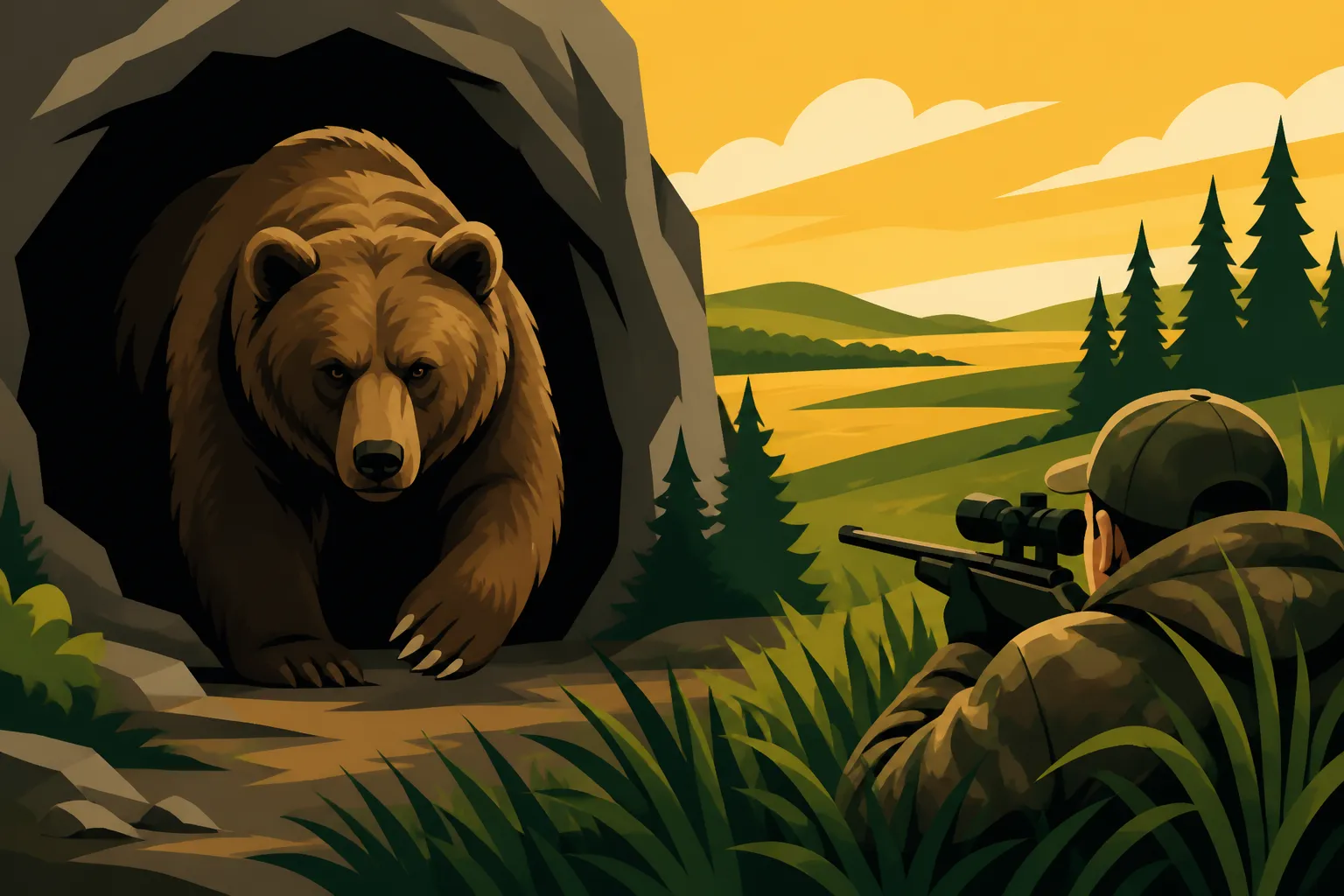
For any hunter in Saskatchewan, there's a unique anticipation that comes with the spring thaw, especially if you're thinking about chasing black bears. It's a time when the landscape slowly awakens, and with it, the province's bears begin to stir from their long winter's nap. Understanding when these magnificent animals leave their dens isn't just a matter of curiosity; it's a crucial piece of the puzzle for anyone hoping to successfully hunt them. This guide will dive deep into the timing, factors, and implications of bear den emergence in Saskatchewan, giving you the insights you need to plan your spring hunt effectively.
The Annual Awakening: Black Bear Denning Cycles
Black bears are incredible animals, and their annual cycle of hibernation is a marvel of nature. They spend a significant portion of the year in a deep sleep, tucked away in their dens, conserving energy when food is scarce. But this isn't a simple nap; it's a complex physiological process that allows them to survive the harsh Saskatchewan winters.
Why Bears Den for Winter
Think about how much energy it takes to forage for food when the ground is frozen solid and covered in metres of snow. It’s simply not sustainable for a large animal like a black bear. Their strategy is genius: go to sleep. Denning isn't just about hiding from the cold; it's a survival mechanism to cope with food scarcity. During the fall, bears enter a state of hyperphagia, where they eat voraciously, packing on as much fat as possible. This fat reserve is their fuel tank for the entire denning period, allowing them to sustain their body functions, and for sows, even nurse cubs, without eating or drinking. It's truly a feat of biological engineering. When the first heavy snows fall or temperatures consistently drop, it signals to their bodies that it's time to find a secure den site and settle in. This can be anything from a hollowed-out log, a rock crevice, or a dug-out cavity under tree roots.
Typical Denning Periods in Saskatchewan
Generally speaking, black bears in Saskatchewan will begin to head into their dens in late October or November, as the weather turns severely cold and consistent snow begins to fall. However, this isn't a hard and fast date set in stone. The timing can vary slightly depending on the severity of the onset of winter and, crucially, the availability of late-season food sources. If there's an abundance of acorns or late berries, bears might stay out a bit longer, trying to squeeze in those last few calories. Once they're in, they typically won't emerge until spring. This means they are often denned up for anywhere from four to six months. Imagine that – half a year spent essentially sleeping! These long periods mean they emerge in spring with a significant caloric deficit, making early food sources incredibly attractive. This is a critical point for hunters to remember when considering baiting strategies. You can learn more about Black Bear Hunting in Saskatchewan in our comprehensive guide.
First Signs of Life: When Bears Emerge
The emergence of black bears from their dens is a gradual process, not an abrupt one. It’s driven by a combination of internal biological cues and external environmental factors, with the changing weather and melting snow playing significant roles.
Triggers for Den Departure
The primary trigger for bears leaving their dens is the warming weather and the subsequent snowmelt. As the days lengthen and the sun gains strength, temperatures inside the den start to rise, signaling to the bear's internal clock that spring is here. However, it's not just about warmth; it's also about the ground thawing and new vegetation starting to appear. Bears don't want to emerge into a barren, frozen landscape where food is still impossible to find. They're looking for those first green shoots of grass and early berry bushes, or exposed winterkill carcasses. A sudden cold snap after an initial warm spell can even send some bears back into their dens for a short period, essentially hitting the snooze button until conditions improve. This means that hunters paying close attention to long-range weather forecasts can often predict general emergence patterns.
The Gradual Process of Reawakening
When bears first leave their dens, they aren't bursting out with boundless energy. Their bodies have been in a state of metabolic slowdown for months, and it takes time to fully reorient. Initially, they are often sluggish and lethargic, moving slowly and spending a lot of time near the den site, just soaking up the sun and getting their systems going again. Their digestive systems need to restart, and they're typically looking for easily digestible foods like new grasses or carrion, rather than actively hunting or foraging for harder-to-find items. It’s also common to see them rubbing against trees, likely to shed loose winter fur and stimulate their skin after months of inactivity. This initial period, usually a week or two after emergence, can be a great time for scouting. You might find fresh tracks and other signs close to obvious denning areas, like south-facing slopes or thick bush edges. Checking historical data, perhaps through a platform like GoHunt, can also help you understand typical emergence patterns in specific wildlife management zones (WMZs).
Regional Variations in Saskatchewan
Saskatchewan is a vast province, and what happens in the southern forest fringe won't necessarily be identical to the deep boreal forest.
- Southern Forest Fringe & Parkland: In the aspen parkland and southern parts of the forest fringe (think areas around Hudson Bay or Prince Albert), bears tend to emerge earlier. Snowmelt is generally quicker, and the first green-up happens sooner due to slightly milder temperatures. You might see bears as early as late April, with consistent activity by the first week or two of May.
- Northern Boreal Forest: Further north, where winter truly holds its grip longer, den emergence is delayed. Deep snow persists well into May, and the ground takes longer to thaw. Bears in these regions might not consistently emerge until mid-May or even late May, especially in areas with dense black spruce stands or significant muskeg. The difference can be several weeks, highlighting the importance of understanding the specific microclimates of your hunting area. Hunting Saskatchewan's Boreal Forest Fringe provides more context on these northern areas.
Factors Influencing Den Departure
While the general timeframe for bears leaving their dens is spring, several specific factors can cause significant variations year-to-year and even bear-to-bear. Understanding these nuances is key to predicting bear activity.
Weather and Snowpack Conditions
The most obvious factor is the weather. A mild winter with early snowmelt will generally lead to earlier emergence. Conversely, a prolonged cold spring with heavy, lingering snowpack will delay it. Bears are opportunists; they won't rush out if there's no food readily available and the conditions are still too harsh. Deep snow makes foraging difficult and travel arduous, so they prefer to wait until conditions are more favourable. Pay attention to spring melt patterns – when the south-facing hillsides start to green up and the snow recedes from the open areas, that's your first major sign. Hunters often use tools like GoHunt to cross-reference historical weather patterns with reported bear sightings, gaining a predictive edge for their scouting efforts.
Food Availability in Early Spring
As mentioned, bears need food immediately upon emergence. The types of food available right after they leave the den are often limited to:
- Green-up: The first new grasses, dandelions, and emerging sedges. These are high in water content and easy to digest, helping to get their systems moving again.
- Carrion: Winterkill carcasses from deer, moose, or other animals. These are a protein and fat jackpot for a hungry bear, and they will actively seek them out. Many outfitters will scout for these natural food sources and consider them prime locations for setting up baits later.
- Early Berries & Catkins: As spring progresses, the first blossoms and catkins on trees like willows and aspens become a food source.
The abundance or scarcity of these early foods directly influences how quickly bears disperse from their denning areas and start actively foraging. A sparse early spring can mean bears are more desperate and might be drawn to bait sites sooner. Consider What Bears Eat in a Boreal Spring to better understand their seasonal diet.
Age and Sex of the Bear
Not all bears emerge at the same time. There's a pecking order, or more accurately, a biological imperative that dictates who comes out when:
- Sows with Cubs: These are typically the last to emerge. The sow prioritizes the safety and warmth of her newborn cubs, often waiting until the weather is consistently warmer and there's ample food to support her and her hungry offspring. They need the most stable conditions before venturing out.
- Older, Dominant Boars: These large males often emerge earliest. They have a strong drive to establish their territory and find mates, so they're willing to brave slightly less ideal conditions. They also often have the largest fat reserves.
- Younger Bears & Subordinates: These bears usually emerge somewhere in the middle. They don't have the same reproductive urgency as mature boars, nor the parental responsibilities of a sow with cubs.
This means that if you're targeting a trophy boar, focusing your early spring efforts might be more productive, while waiting a bit longer might increase your chances of seeing a sow with cubs, though most hunters would pass on these.
Here’s a simplified breakdown of typical emergence patterns:
| Bear Type | Typical Emergence Window (Saskatchewan) | Key Considerations |
|---|---|---|
| Older, Dominant Boars | Late April – Early May | First to emerge, driven by breeding and territory. |
| Subadults / Younger Bears | Early May – Mid-May | Follow boars, seeking food. |
| Sows without Cubs | Early May – Mid-May | Similar to younger bears, focus on food. |
| Sows with Cubs | Mid-May – Late May | Last to emerge, prioritizing cub safety and stability. |
Note: These are general guidelines and can shift by weeks based on specific yearly conditions and geographic location within Saskatchewan.
Implications for Spring Bear Hunters
Understanding when bears leave their dens isn't just academic; it directly impacts your hunting strategy and success. Knowing these patterns helps you make informed decisions about scouting, baiting, and timing your hunt.
Timing Your Spring Hunt
Given the varied emergence patterns, timing your spring bear hunt is crucial. If you're hoping for an early start, focusing on areas with quicker snowmelt and known denning sites might pay off in late April or early May, especially for those larger boars. However, for a more consistent hunt with a broader range of bears active, the middle to latter half of May is often a safer bet across most of Saskatchewan's bear country. Many outfitters schedule their hunts from mid-May into early June to coincide with peak activity. When planning your trip, consider the optimal Timing a Saskatchewan Spring Bear Hunt for your target.
Scouting for Early Season Activity
Scouting before the season opens is always beneficial, but it's particularly valuable for spring bears. Look for the first fresh tracks in softening mud or lingering snow patches, especially around south-facing slopes, logging cutlines, and creek bottoms. These areas warm up faster and offer the first flush of green vegetation. Pay attention to areas where you might find winterkill. Early droppings can also tell you what they're eating – typically full of grass at first. Identifying these initial movement patterns can guide where you set your baits, ensuring they're positioned in areas bears are already frequenting. Using mapping tools to identify potential denning habitat, like dense spruce thickets or rocky outcrops, can give you a head start. GoHunt, for example, can be an excellent resource for researching terrain features and historical data that might indicate prime bear country.
Setting Up Bait Sites Effectively
For many, spring bear hunting in Saskatchewan involves baiting. The timing of your bait setup is directly linked to bear emergence. Setting baits too early, before bears are consistently out of their dens, is a waste of time and resources. The bait will sit, exposed to other scavengers, and potentially spoil before bears find it. The ideal time to start baiting is usually once you've confirmed bears are active in your area, or slightly before the main wave of emergence, often around mid-May in many areas.
When bears first come out, they're incredibly hungry and looking for easily accessible, calorie-dense food. Sweet, high-fat baits like pastries, meat scraps, and even some specialty bear baits can be incredibly effective. Initially, they might approach baits cautiously, especially younger bears. Consistency is key – keep your baits fresh and replenished. Remember, Baiting Black Bear in Saskatchewan has specific regulations, so make sure you're always following the rules. Finding Where the Highest Bear Densities Are can also help inform your baiting locations.
Disclaimer
This article is for general informational purposes only and does not constitute professional advice. Laws, prices and regulations vary by location and change over time. Consult a qualified professional for guidance on your specific situation.