Where Sharp-Tailed Grouse Dance in Spring
For anyone fascinated by the unique spectacle of Saskatchewan's wildlife, observing sharp-tailed grouse leks in spring is an unforgettable experience. However, knowing where these elusive dancing grounds are and how to approach them without disturbance can be a real head-scratcher. This guide aims to pull back the curtain on these incredible natural arenas, offering you insights into their preferred locations, the signs to look for, and how to respectfully witness this amazing annual courtship ritual across our vast prairies and parklands.
The Magic of the Lek: What are Sharp-Tailed Grouse Dancing Grounds?
Imagine a crisp spring morning, just as the first hints of sunrise paint the eastern sky. The air is still, perhaps carrying the scent of thawing earth and new growth. Then, from a seemingly empty expanse of grassland, a chorus of cooing, gobbling, and rhythmic foot-stomping begins. This isn't just a random gathering; it's a carefully orchestrated, age-old performance on what's known as a "lek" – the communal breeding ground where male sharp-tailed grouse gather to display for females.
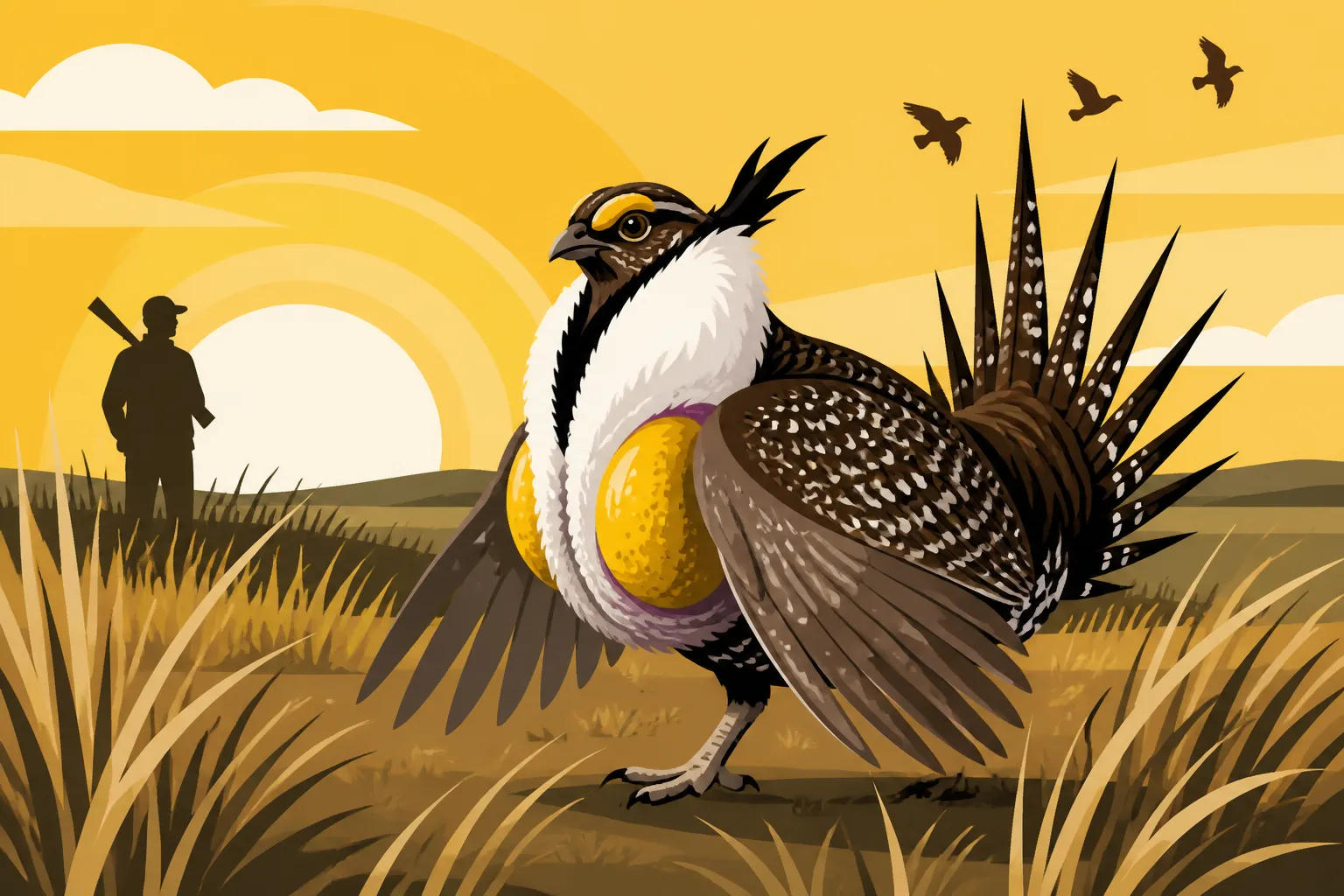
These leks are essentially nature's dance clubs, almost exclusively dominated by the males. Their primary purpose is reproduction. Each male claims a small territory within the larger lek, vigorously defending it against rivals. They puff up their purple air sacs, fan their short, pointed tails, and perform an intricate dance that involves quick, shuffling steps, head bobbing, and rapid foot-stamping, which creates a low, drumming sound audible from quite a distance. This energetic display, often accompanied by soft cooing and a distinct "gobbling" call, is all about attracting the attention of discerning females who will visit the lek to select a mate. The most dominant, vibrant, and persistent dancers are typically the ones chosen, making the lek a true arena of natural selection.
The timing of these displays is crucial, usually peaking from mid-April through May, though it can start earlier in a mild spring. The most intense activity occurs during the first hour or two after dawn and then again in the hour before dusk. If you've ever tried to sleep in during a Saskatchewan spring, you might be familiar with the sharp-tail's internal clock – they are early risers! Understanding the purpose and timing of these leks is the first step in appreciating this vital part of the sharp-tailed grouse's life cycle.
Prime Real Estate: Ideal Habitat for Saskatchewan Sharp-Tailed Grouse Leks
Sharp-tailed grouse don't just pick any old spot for their leks; they're quite particular about their real estate. Their preferred dancing grounds are a direct reflection of their habitat needs and survival instincts. In Saskatchewan, you'll find these birds predominantly in the southern prairie and aspen parkland regions. Think wide-open spaces, undulating hills, and areas that haven't been heavily disturbed by intensive agriculture or urban sprawl.
Topographically, they often choose slightly elevated areas. This could be a gentle rise, a broad ridge top, or even a subtle knoll in an otherwise flat expanse. There's a method to this madness: these higher points offer excellent visibility, allowing the displaying males to be seen from afar by approaching females and also providing an early warning system for predators. Elevated spots also help with sound propagation, ensuring their calls and drumming can carry across the landscape. If you're using a tool like GoHunt to scout, look for those subtle contour lines that indicate a slight rise in elevation.
When it comes to vegetation, sharp-tails are looking for short, sparse cover on their lek sites. Native grasslands, especially those with mixed-grass prairie and some patches of bare earth, are ideal. They need enough open ground for their elaborate dances without being tangled in dense, tall vegetation. Overgrazed pastures, old hay fields, or even cultivated fields that have been left fallow for a year or two can sometimes serve the purpose if they mimic the sparse, short-grass conditions. However, the true gems are usually found in undisturbed native prairie, where the natural vegetation mosaic provides everything they need. You might see similar patterns when Walking Up Sharp-Tailed Grouse in Saskatchewan during the fall hunt.
While the lek itself needs to be open, the birds also require good cover nearby. This means taller grasses, scattered willow bluffs, or low shrubby areas where they can roost, seek shelter from predators, and stage before and after their dawn and dusk performances. These adjacent areas provide vital concealment and security, making the open lek feel less exposed. Think of it as a comfortable green room backstage. This mix of open dancing grounds and nearby protective cover is a crucial element of prime sharp-tail habitat, and understanding How Grassland Loss Changed Sharptail Range really highlights the importance of preserving these specific environments. When you're thinking about Hunting Saskatchewan's Southern Prairie or Hunting Saskatchewan's Aspen Parkland, these are the precise areas to consider.
Becoming a Lek Detective: Scouting and Locating Sharp-Tailed Grouse Leks
Finding an active sharp-tailed grouse lek isn't always easy, but it’s incredibly rewarding. It takes a blend of modern scouting techniques, a keen eye for habitat, and a healthy dose of patience. Your pre-season scouting can start long before spring arrives. Utilizing satellite imagery, perhaps through platforms like GoHunt, is an excellent first step. Look for those subtle rises in elevation, open grassland patches, and areas with minimal tree cover. These maps can help you pinpoint potential locations even before you step foot on the ground, helping you narrow down your search in vast areas. You can also get a lot of insight by Scouting With Satellite Imagery in Saskatchewan.
Once spring is in full swing, physical scouting becomes your best tool. The key is to be out during the golden hours: early morning (before sunrise) and late evening (just before sunset). Drive slowly along grid roads that border promising habitat, pausing frequently to listen. The distinctive cooing, gobbling, and drumming sounds of a lek can carry surprisingly far on a still morning. Sometimes, it’s not just about what you hear, but what you see. Keep an eye out for birds flying low to and from a particular area, especially if they seem to be congregating.
Beyond the sounds and direct sightings, there are tell-tale visual signs that can betray a lek's location. The most obvious is a bare, worn patch of ground, often circular or oval, where the birds have repeatedly danced and scraped away the vegetation. You might find numerous droppings concentrated in these areas, along with shed feathers from their vigorous displays. In very active leks, you might even see faint "dance rings" – small circular depressions in the dust or short grass left by the males' rapid footwork. Even something as subtle as Reading Sign After Fresh Saskatchewan Snow during other seasons can help you understand game movements which might lead you to such activity areas.
Another invaluable resource is local knowledge. Talk to long-time farmers, ranchers, and other hunters in the area. Often, "old-timers" know exactly where the local prairie chickens have been dancing for generations. Conservation officers and local biologists can also be a wealth of information, as they often monitor these populations. Don't be afraid to Knocking on Doors in Saskatchewan Farm Country to ask about grouse activity, remembering that permission is always required for access to private land. By combining all these methods, you stand a much better chance of locating these special places.
Respecting the Dance: Ethical Observation and Conservation
Once you’ve located an active sharp-tailed grouse lek, the real responsibility begins: observing it ethically and ensuring you don't disturb these magnificent birds during such a critical time. Their courtship ritual is sensitive, and careless intrusion can disrupt breeding, reducing the chances of successful nesting and potentially impacting local populations.
The golden rule is always to minimize your presence and maintain a respectful distance. Use binoculars or a spotting scope to get a close-up view without getting physically close enough to cause them alarm. If you're observing from a vehicle, use it as a blind and stay inside. If on foot, approach very slowly, staying concealed behind natural cover like a bluff or a gentle rise. The goal is to be a silent, unseen observer. Never flush the birds from the lek, as this interrupts their display and can make them more vulnerable to predators or even abandon the site. Remember, these are wild animals engaged in a vital biological process, not a show put on for human entertainment. This approach of minimal disturbance is important across all types of hunting, including when you are focused on Saskatchewan's Upland Birds in general.
Access to these areas is also a critical consideration. Many sharp-tailed grouse leks are found on private land. It is absolutely essential to seek and obtain explicit permission from the landowner before accessing any private property, even just for observation. Never assume access. Using mapping tools like GoHunt can help you identify land ownership, making it easier to contact landowners for permission. This respect for private property is paramount for maintaining good hunter-landowner relations in Saskatchewan.
Finally, remember that the existence of sharp-tailed grouse leks is a testament to healthy grassland ecosystems. Supporting conservation efforts that protect and restore native prairie habitat is crucial for the long-term survival of these birds. Factors like Why Sharptail Numbers Rise and Fall are often directly tied to habitat availability and quality. By being a responsible observer and advocate for habitat conservation, you play a part in ensuring future generations can continue to witness the mesmerizing spring dance of the sharp-tailed grouse across Saskatchewan’s beautiful landscape.
Here's a quick reference for identifying potential lek locations and behaviors:
| Scouting Aspect | What to Look For | Best Time/Method |
|---|---|---|
| Habitat Type | Native prairie, mixed grassland, fallow fields, short cover | Satellite maps (GoHunt), Topo maps |
| Topography | Gentle rises, knolls, ridge tops, slight elevations | Satellite maps (GoHunt), Physical scouting |
| Sounds | Distinctive cooing, gobbling, drumming, foot-stomping | Dawn and Dusk, listening carefully |
| Visual Signs (Ground) | Bare, worn patches of earth, concentrated droppings, feathers | Close inspection after initial location |
| Bird Behavior | Birds flying to/from a specific open area, congregating | Dawn and Dusk, observation with optics |
| Adjacent Cover | Willow bluffs, taller grass, low shrubs for roosting | General habitat assessment |
Disclaimer
This article is for general informational purposes only and does not constitute professional advice. Laws, prices and regulations vary by location and change over time. Consult a qualified professional for guidance on your specific situation.