What Drought Does to Saskatchewan Game
When dry conditions persist across our beautiful province, it’s not just the farmers watching the skies anxiously; hunters know that what happens with the weather deeply impacts the health and behaviour of Saskatchewan’s diverse game animals. A prolonged drought can dramatically alter the landscape, affecting everything from water sources to forage quality, and consequently, the very survival and distribution of the deer, moose, birds, and other wildlife we cherish. This guide is going to walk you through exactly how drought conditions ripple through Saskatchewan's ecosystems, what it means for your hunting prospects, and how we can all adapt and contribute to conservation during these challenging times.
The Immediate Impact of Drought on Game Species
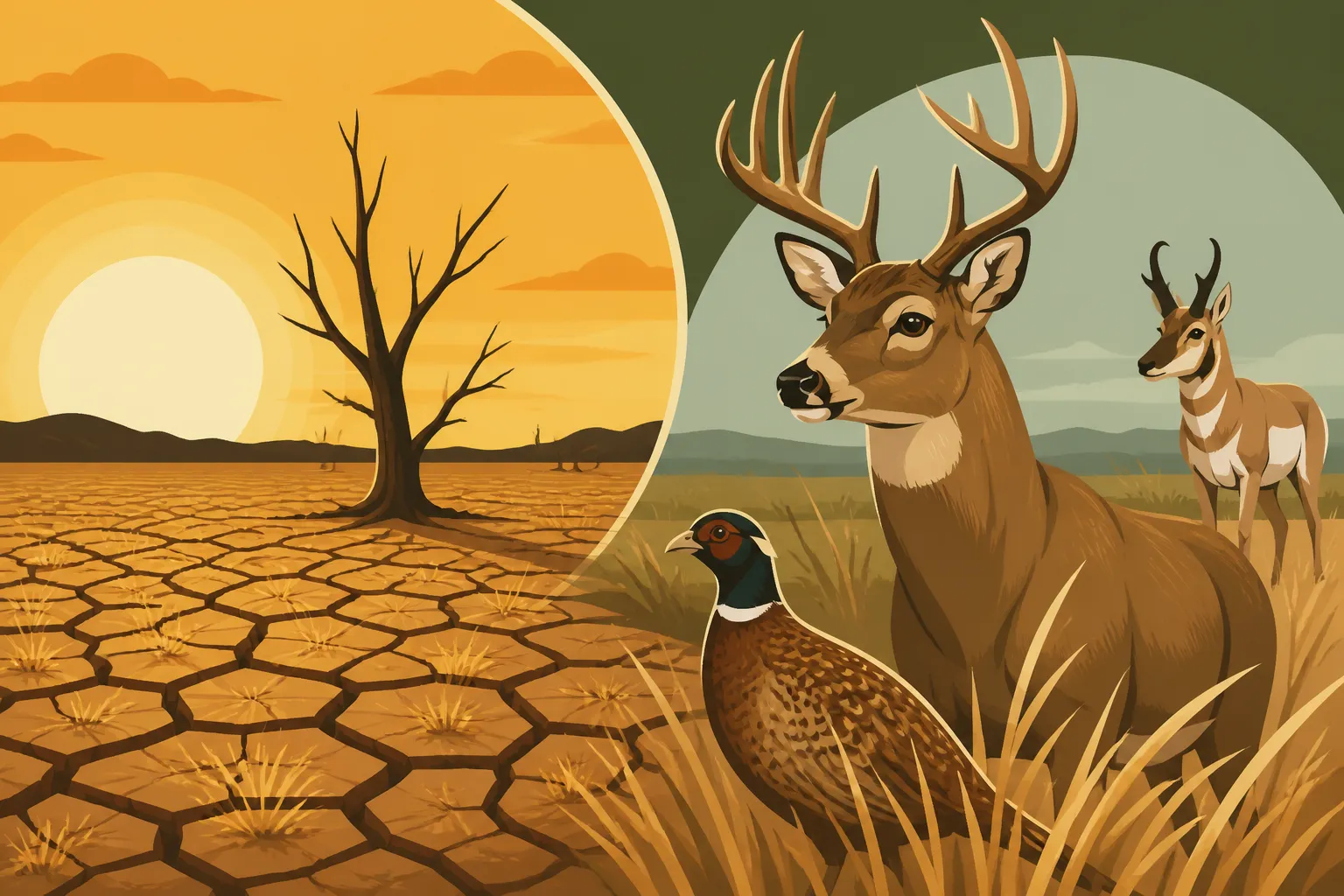
Drought isn't just about a lack of rain; it's a systemic stressor that affects every aspect of a wildlife population. When the prairie turns brown and the sloughs shrink, it's a stark reminder that nature's balance is a delicate thing.
Water Scarcity and Its Ripple Effects
The most obvious and immediate impact of drought is the disappearance of standing water. Potholes shrink to dusty depressions, small creeks become trickles, and even larger rivers might see significantly reduced flow. For animals, this means critical drinking sources become few and far between. Think about a typical prairie slough in a normal year – it's an oasis, teeming with life, a magnet for everything from ducks to deer. In a drought, that slough might be nothing but cracked mud. This forces animals to travel much further for water, expending precious energy and increasing their exposure to predators.
Consider a whitetail doe with fawns. In a wet year, she might have several reliable water sources within a small, safe home range. During a drought, she might have to lead her young on long, risky treks across open ground to reach the nearest remaining dugout or muddy seep. These journeys not only wear them down physically but also make them more vulnerable to coyotes or other predators that might be waiting near those dwindling waterholes. For species like Mule Deer Across Saskatchewan's Prairie, which often inhabit drier areas to begin with, this stress is amplified.
Forage Decline and Nutritional Stress
Beyond water, drought devastates the vegetation that game animals rely on for food. Pastures wither, hay crops fail, and the succulent green shoots that provide essential nutrients simply don't grow. This widespread forage decline leads directly to nutritional stress. Animals aren't getting the calories, protein, and minerals they need to thrive. For big game, this can mean reduced body weight, compromised immune systems, and smaller antler growth.
Imagine a bull moose trying to put on weight for the upcoming rut, but the browse in his traditional haunts is sparse and dry. He's expending more energy to find less nutritious food, leading to a net loss. Does and cows entering winter in poor condition are less likely to survive the cold, especially if the drought is followed by a Hard Saskatchewan Winter Culls. The cumulative effect means animals are starting the cold season already behind the eight-ball, making them far more susceptible to illness or the rigours of extreme weather. Even for smaller game, like our beloved Upland Bird Hunting in Saskatchewan, the lack of tender forbs and insects due to dry conditions can seriously impact chick survival rates.
Increased Vulnerability to Disease and Predation
When animals are stressed by lack of water and food, their immune systems weaken. This makes them much more susceptible to diseases that might otherwise be minor. Think about Chronic Wasting Disease (CWD); while always a concern, populations under nutritional stress might be more prone to showing symptoms or succumbing to it faster. Also, concentrating animals around fewer water sources can increase disease transmission.
Furthermore, weakened, stressed animals are easier targets for predators. Coyotes, wolves, and even bears will key in on vulnerable deer, moose, or elk. The natural balance shifts; what might have been a healthy population, able to outrun or outwit predators, becomes a population where a higher percentage are simply too weak to escape. The lack of cover due to stunted vegetation also plays a role, making it harder for game to hide from vigilant eyes. A young fawn or calf, already struggling to keep up with its mother on a long trek for water, stands little chance if a predator spots it in sparse cover.
Long-Term Consequences and Population Dynamics
The immediate impacts of drought are visible, but the true toll often plays out over several seasons, shaping the very structure and size of game populations. It's not just about one bad year; it's about a cascading effect.
Reduced Reproductive Success
One of the most significant long-term effects of widespread drought is a noticeable drop in reproductive success. Does, cows, and sows that enter breeding season in poor physical condition are less likely to conceive. If they do conceive, they might have fewer offspring, or the offspring born could be weaker and have a lower chance of survival. This is particularly true for animals like Saskatchewan's Moose Population Trend or our mule deer. A stressed doe might only produce a single fawn instead of twins, or worse, reabsorb a pregnancy entirely.
This isn't just theory; it's a biological reality. The female's body prioritizes her own survival, and if resources are scarce, reproduction takes a backseat. This means that even when conditions improve, it can take several years for the population to recover, as fewer young animals are being added to the herd. The year-class hit by a severe drought will be noticeably smaller, and this demographic gap can be felt for a decade or more down the line.
Habitat Degradation and Range Shifts
Drought doesn't just dry up existing habitat; it can actively degrade it, making it less productive even when rain returns. Topsoil can erode, crucial seed banks might be damaged, and wetlands can become permanently altered. This forces game animals to shift their ranges in search of more hospitable areas, potentially pushing them into less ideal habitat or closer to human-populated areas. You might see deer moving into urban fringes or deeper into traditional farmland where they wouldn't normally spend as much time, simply because that's where the remaining green feed or water is.
Consider the forest fringe, typically a productive zone for whitetails. If the undergrowth and shrubbery dry up, deer might abandon those areas for standing crop fields or deeper bush with slightly better moisture retention. This creates pressure points and can lead to increased conflicts with agriculture. For water-dependent species, the drying of historical nesting or staging areas can lead to permanent changes in migration patterns and breeding grounds, impacting duck and goose numbers for years to come. Why Wetland Drainage Hurts Saskatchewan Ducks is a factor even in good years; drought compounds it.
Cumulative Stress and Future Outlook
The stress of drought doesn't dissipate once the rain falls. Animals carry that burden for months, often into the next winter. If a drought year is followed by a harsh winter, the combined effect can be devastating, leading to significant die-offs. What a Hard Saskatchewan Winter Culls can be amplified dramatically if animals are already malnourished from a dry summer and fall. This cumulative stress can set populations back drastically, affecting hunting opportunities and overall ecosystem health for years.
The outlook for game populations after a drought really depends on the severity and duration of the dry spell, and what kind of conditions follow. A mild winter after a drought gives animals a chance to recover. A brutal winter, however, can be the final blow to an already weakened herd. Conservation efforts become even more critical during and after these periods, sometimes requiring changes in season lengths or bag limits to help populations rebound.
How Hunters Can Adapt to Drought Conditions
As hunters, we are often the first to notice changes in wildlife populations and their habitats. Adapting to drought conditions requires a shift in strategy, increased scouting, and a strong sense of ethical responsibility.
Scouting for Water and Remaining Forage
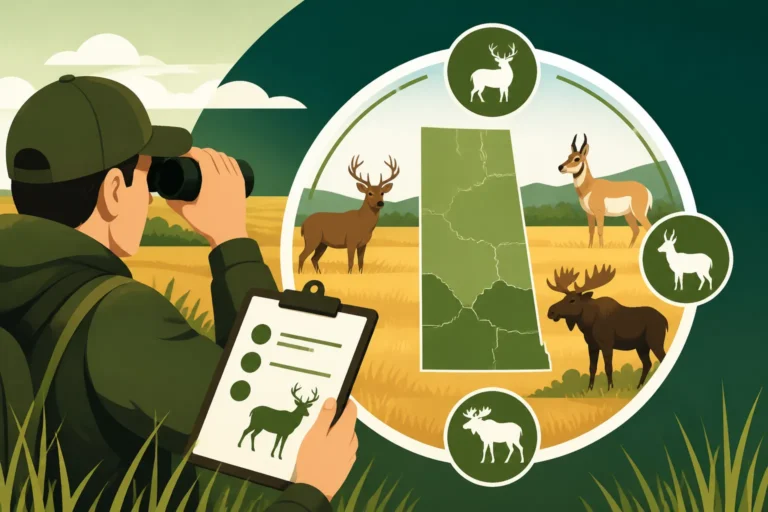
In drought years, water becomes the ultimate pinch point. Animals will concentrate around any available water source. This means your scouting efforts should heavily focus on finding persistent dugouts, springs, permanent creeks, or even seeps in coulees. Areas that usually have abundant water might be completely dry, so don't rely on past knowledge alone. Utilizing tools like GoHunt or other mapping apps can be invaluable here. Look for water sources on satellite imagery, then verify them on the ground. A good hunt planner like GoHunt can layer different land types and terrain features, helping you identify potential hotspots even before you lace up your boots.
When it comes to forage, focus on areas that naturally retain moisture longer. North-facing slopes, shaded timber pockets, creek bottoms, or fields with standing crops that are still green (where legal to hunt, of course) will be magnets for game. Pay close attention to agricultural fields that might still have green growth or residual grains that offer much-needed sustenance. Areas where ranchers have been feeding hay might also concentrate animals, as will any small, isolated patches of green in an otherwise parched landscape. Remember to always get Getting Permission for a Goose Field or any other private land you plan to access.
Understanding Game Movement Patterns
Drought dramatically alters how game animals move. They will travel further between bedding areas, feeding grounds, and water sources. These travel corridors become more defined and predictable. Instead of random movement, you'll see animals making a beeline from point A to point B. This means setting up on these constricted travel routes, especially those leading to water or the most palatable forage, can be highly effective. Early morning and late evening movements will still be key, but during a drought, you might also see more mid-day movement as animals are forced to seek out necessities.
For example, a traditional bedding area might still be used for cover, but if the water source nearby is dry, deer will have to leave it and head for a distant slough. Understanding these forced movements is crucial. Glassing vast areas with quality optics, especially around dawn and dusk, can help you identify these new patterns. Look for fresh tracks around a Saskatchewan Dugout at Dusk or along a game trail leading to a river valley where more persistent water might be found.
Ethical Considerations and Conservation
Drought years heighten our ethical responsibilities as hunters. Animals are already under immense stress, so it’s more important than ever to ensure clean, quick kills. Tracking becomes more critical, as a wounded animal is even less likely to survive. Furthermore, consider the overall health of the herd. In some areas, biologists might recommend reduced harvest to allow populations to recover, especially if reproductive success has been severely impacted.
It's also a time to be extra vigilant about fire prevention. Dry conditions mean extreme fire risk, and a single spark can devastate vast tracts of habitat that are already struggling. Be mindful of your actions in the field, from parking your vehicle in tall grass to extinguishing campfires properly. Supporting conservation efforts through organizations like the Saskatchewan Wildlife Federation is always important, but especially so during drought years, as funds help support habitat restoration and wildlife management that can mitigate drought impacts. Remember, Saskatchewan Hunter Education Requirements teach us these fundamental responsibilities.
Specific Species Responses to Drought
Different game animals respond to drought in varying ways, dictated by their biology, habitat preferences, and adaptability. Understanding these species-specific impacts can further refine your hunting approach.
Whitetail Deer and Mule Deer
Both whitetail and mule deer are heavily impacted by drought. Whitetails, often found in the denser cover of the Hunting Saskatchewan's Aspen Parkland and forest fringe, rely on lush vegetation and consistent water sources. When these dry up, whitetails can become more nomadic, moving into river valleys, standing crop fields, or even deeper into the bush where moisture persists longer. They'll also be more vulnerable to disease and predation due to nutritional stress. Their antler growth can suffer significantly, with many bucks sporting smaller, less developed racks. It’s not uncommon to see "runt" antlers on otherwise mature bucks in drought years, as their body puts all energy into survival.
Mule deer, accustomed to the more arid conditions of the southern prairie, might seem more resilient, but they too suffer. Their preferred coulee systems and draws can dry up, forcing them into less typical open country or concentrating them heavily around the few remaining reliable waterholes. When Mule Deer Hunting Saskatchewan's Prairie, look for them in the bottoms of even dry coulees, seeking any shade or remaining moisture. The combination of drought and a severe winter can be particularly devastating for mule deer, leading to significant population declines as seen in historical trends. Why Mule Deer Numbers Rise and Fall is often tied to these environmental extremes.
Waterfowl and Upland Birds
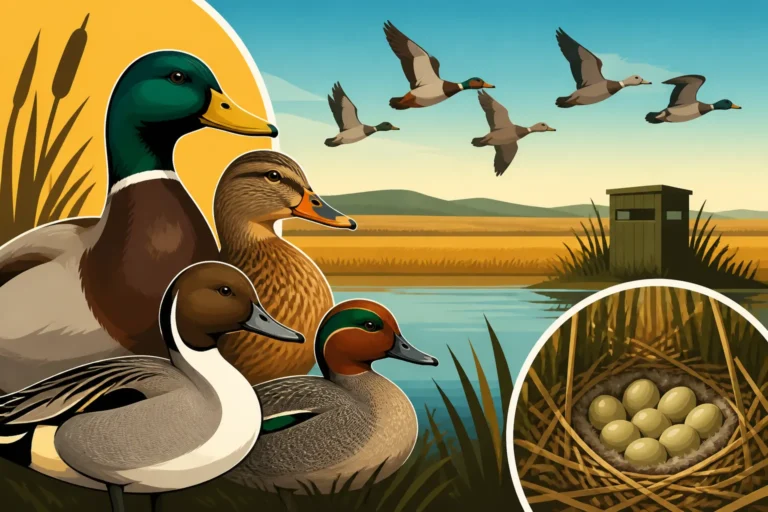
Waterfowl are perhaps the most immediately and visibly affected by drought. Saskatchewan is known as a "duck factory," but that factory runs on water. When potholes dry up, breeding ducks have nowhere to nest, and migrating birds have nowhere to stage. This leads to reduced breeding success and a shift in migration patterns as birds bypass parched areas. You might see a lower number of local birds and fewer birds stopping over in traditional staging areas.
Upland birds like sharp-tailed grouse and Hungarian partridge also feel the pinch. While they don't rely on standing water in the same way ducks do, their food sources (insects, seeds, green vegetation) are directly impacted. Chicks need abundant insects and tender greens to grow quickly. Drought reduces insect populations and makes vegetation tough and unpalatable. This can lead to lower chick survival and smaller coveys. Walking Up Sharp-Tailed Grouse in Saskatchewan becomes harder when birds are spread out, searching for sparse resources, or concentrated in unusual areas.
Moose and Elk
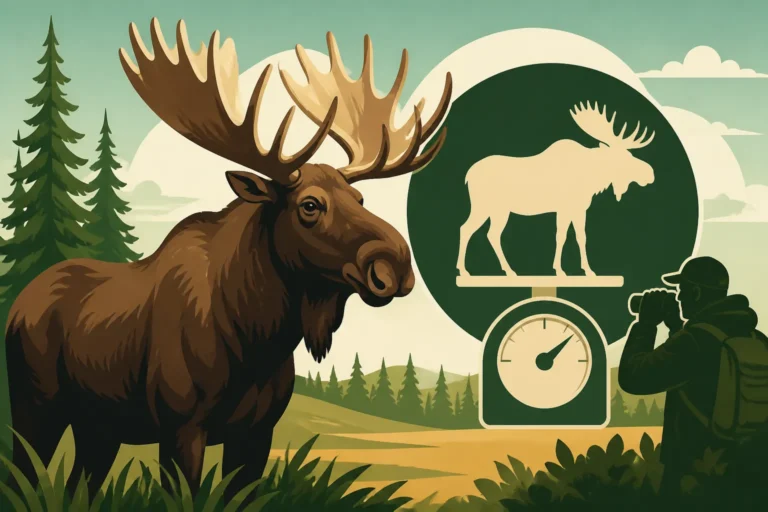
Moose and elk are large animals requiring significant amounts of forage and water. Moose, being semi-aquatic, suffer greatly when their preferred wetlands, sloughs, and marshy areas dry out. Their diet often includes aquatic vegetation, which disappears in a drought. This forces them to seek out new browse and water, often in areas closer to human activity or in denser, less accessible boreal forest. They become much more stressed by heat without their cooling water sources.
Elk, found in various habitats from forest fringe to parkland, also experience nutritional stress. They might raid agricultural fields more frequently in search of green forage, leading to crop damage issues. Their movements can become highly concentrated around specific water points or lush pockets of habitat. Bugling Elk on a Farm Edge might become a more common sight if drought pushes them out of traditional forest ranges. Both species can see reduced calf crops and poorer antler development in drought years.
Here's a quick look at how drought impacts different game species:
| Game Species | Primary Impact Areas | Behavioural Changes | Population Consequences |
|---|---|---|---|
| Whitetail Deer | Forage quality, water access | Increased travel, concentration near water/crops | Reduced body mass, smaller antlers, lower fawn survival |
| Mule Deer | Water sources, prairie forage | Movement to deeper coulees, increased range | Nutritional stress, lower fawn survival |
| Moose | Wetlands, aquatic vegetation | Shifts to deeper bush, increased heat stress | Reduced calf crop, poorer antler growth |
| Elk | Forage availability, water sources | Increased agricultural raiding, concentrated movement | Lower calf crop, weaker animals |
| Waterfowl | Potholes, wetlands, breeding habitat | Reduced nesting, altered migration routes | Significant drops in breeding success |
| Upland Birds (Sharptail, Huns) | Insect populations, succulent forage | Concentrated near remaining green cover | Lower chick survival, smaller coveys |
Drought is a powerful force, and its effects on Saskatchewan's game are profound and long-lasting. While we can't control the weather, understanding these impacts helps us become more informed and responsible hunters, adapting our strategies and supporting conservation efforts that help wildlife navigate these challenging cycles.
Disclaimer
This article is for general informational purposes only and does not constitute professional advice. Laws, prices and regulations vary by location and change over time. Consult a qualified professional for guidance on your specific situation.