Why Some Saskatchewan Bucks Grow Nontypical
You've seen them, haven't you? Those incredible Saskatchewan bucks that defy the norm, with antlers that twist, curve, or sprout points in ways that just don't seem to follow the usual pattern. It's a fascination for many of us who spend time in the field, and it often leads to a burning question: what makes a deer grow a "nontypical" rack? This guide is here to unravel that mystery, diving deep into the fascinating biological and environmental factors that contribute to these unique and often legendary antlers.
Understanding What "Nontypical" Really Means
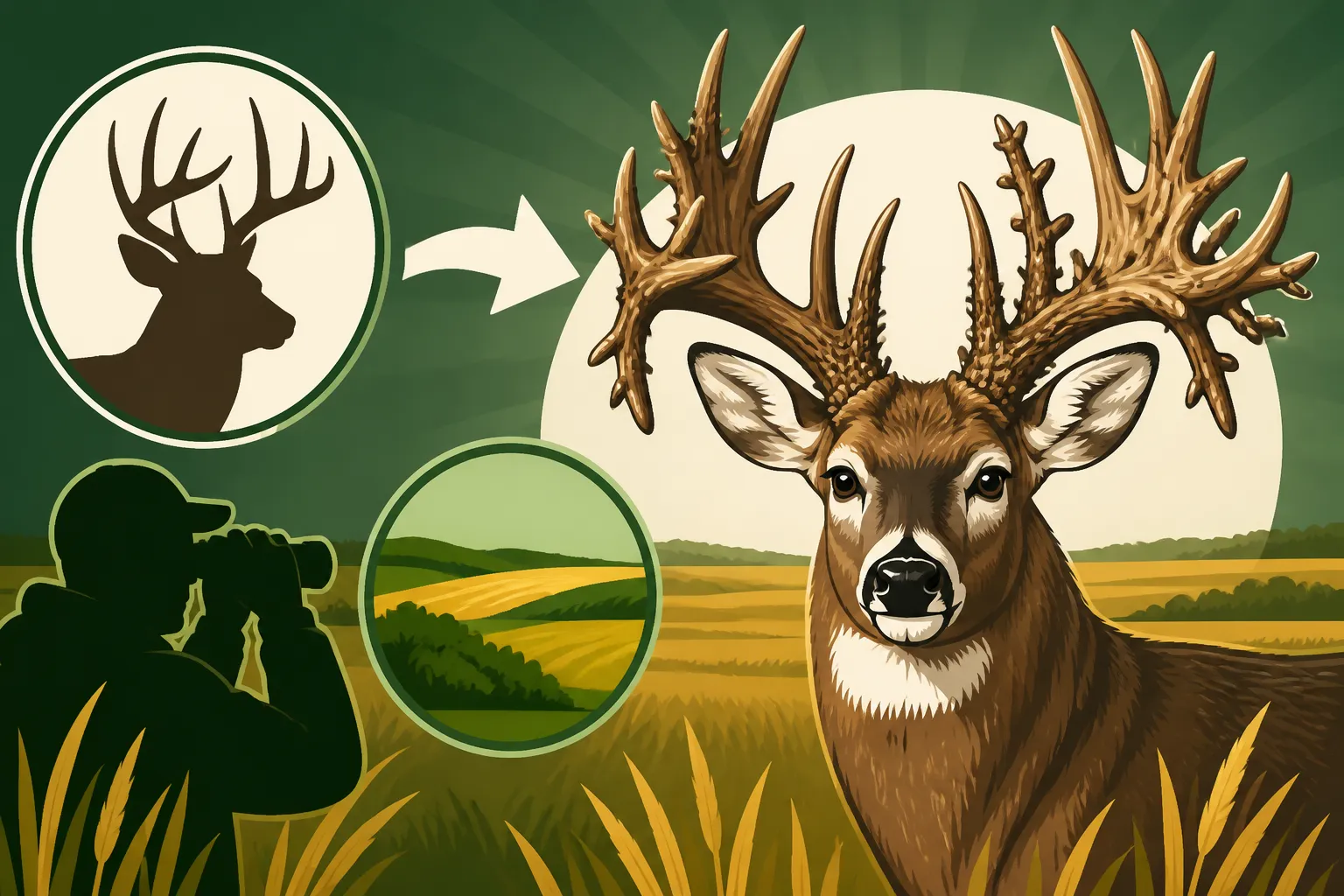
When we talk about a "nontypical" antler, we're essentially referring to any antler growth that deviates significantly from the symmetrical, organized pattern we generally expect from a white-tailed deer. A typical rack is usually symmetrical, with points (tines) growing upward from the main beams, often mirroring each other on both sides. Think of the classic 8-point or 10-point frame we all picture.
Defining Typical vs. Nontypical Points
The distinction between typical and nontypical is really all about where the points originate and how they grow. Typical points, often called "tines," grow from the main beam of the antler in a predictable fashion. They usually have a certain length and direction, forming a fairly uniform shape with their opposite side.
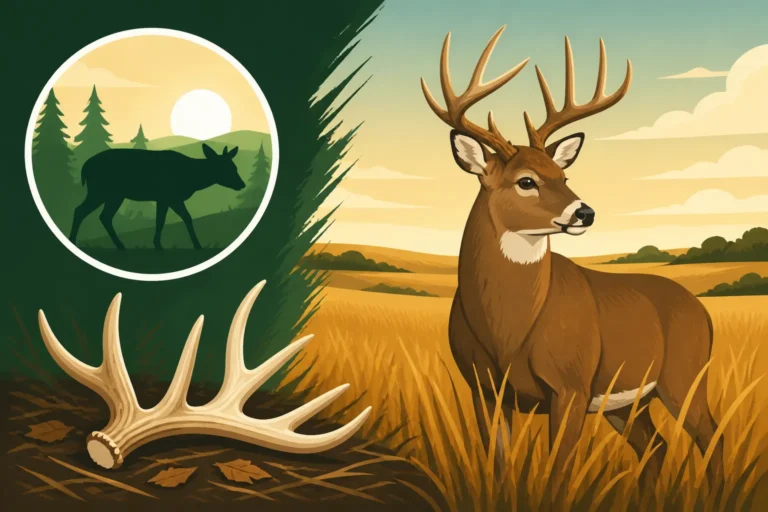
Nontypical points, on the other hand, are the rebels of the antler world. They can be drop tines, growing downwards off the main beam; kickers, often small points jutting out from the base; or stickers, growing from other points. They might also include abnormal growths like palmation (flattening) or extra points stemming from anywhere on the rack that don't mirror the opposite side or follow the usual pattern. These can be truly wild, creating unique silhouettes that make each nontypical buck an individual masterpiece.
The Allure of a Nontypical Rack
There's something inherently captivating about a nontypical rack. For many hunters, myself included, seeing a buck with these unique characteristics is a truly special experience. They stand out from the crowd, telling a story of resilience, environmental factors, or genetic quirks. While a perfect typical 10-point is certainly a grand sight, a massive nontypical with gnarly drop tines or extra stickers often carries an even greater mystique, representing a buck that has truly defied the ordinary.
Injury and Its Impact on Antler Growth
One of the most common and often visible reasons a Saskatchewan buck might grow a nontypical rack is injury. Deer antlers are directly connected to the deer's overall health, and any significant trauma to the deer's body, particularly its skull or legs, can profoundly affect antler development. This is one of the quickest ways to see a shift in a buck's antler growth pattern from one year to the next.
Pedicle or Skull Trauma
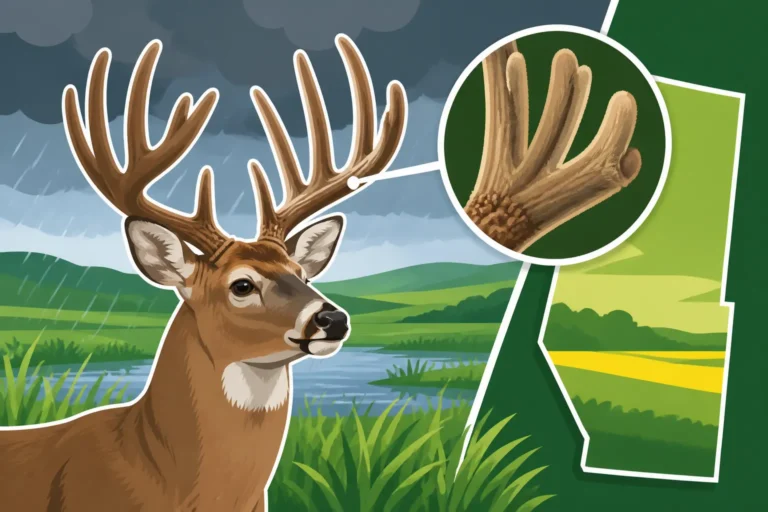
The pedicle is the boney attachment point on the buck's skull from which the antler grows. It's a critical area, highly vascularized and nerve-rich. If a buck sustains an injury directly to the pedicle or the skull around it, especially during the velvet growing stage, the result can be a truly wild-looking antler. Think of it like a broken mold – the antler simply won't grow in its intended shape. This kind of injury might come from fighting with another buck, a fall, or even getting tangled in a fence.
The impact can range from a slightly deformed beam or extra points near the base to an antler that grows completely deformed, sometimes even as a "club" with no discernable points. What's fascinating is that the contralateral effect can often be seen: an injury to the pedicle on one side of the head might cause abnormal growth on the opposite side's antler. This happens due to nerve damage and how the brain processes growth signals. It's a remarkable example of how interconnected a deer's body truly is.
Leg or Body Injuries
It might sound strange, but an injury to a buck's leg or even its body can also lead to nontypical antler growth. This phenomenon is often observed as an injury to one side of the body affecting the antler on the opposite side of the head. For example, a severe injury to the left hind leg, especially if it causes a permanent limp or significant nerve damage, can result in a deformed or nontypical antler on the right side of the rack in subsequent years.
The exact mechanism behind this "contralateral effect" from body injuries isn't fully understood, but it's believed to involve nerve pathways and how they communicate with the pedicles, or perhaps a reallocation of resources as the body prioritizes healing. If you're out Reading Sign After Fresh Saskatchewan Snow, and you see a buck track with a distinct limp, or if you capture trail camera photos of a buck with a visibly injured leg, it's worth keeping an eye on that deer's antler growth in future seasons. Many hunters have witnessed bucks with chronic leg injuries consistently growing unique, nontypical antlers on the opposite side year after year.
Genetic Predisposition
Beyond injuries, genetics play a massive role in whether a buck is likely to sport a nontypical rack. Just like with humans, deer inherit traits from their parents, and antler growth patterns are no exception. Some bloodlines simply have a higher propensity for unique antler characteristics.
Inherited Traits and Bloodlines
In any given whitetail population, you'll find certain bucks consistently producing nontypical points, or you'll observe distinct nontypical characteristics like drop tines appearing in bucks from the same general area over multiple generations. This isn't just a coincidence; it's often a clear indication of a strong genetic component. If a buck's mother or father carried genes for nontypical growth, there's a good chance he will too.
This is particularly noticeable in certain regions of Saskatchewan where bucks are known for specific antler traits. Some zones might consistently produce wider racks, while others are renowned for mass or unique tine configurations. Over generations, these genetic predispositions become more prevalent. It’s why serious hunters and wildlife managers pay close attention to the lineage of deer in their area. Tracking these patterns, perhaps even using tools like GoHunt to mark sightings of bucks with distinct genetic traits, can offer incredible insight into the deer herd.
Dominant and Recessive Genes
The expression of nontypical traits can also depend on whether the genes are dominant or recessive. A dominant gene might result in nontypical growth appearing in every generation, while a recessive gene might only show up when a buck inherits two copies of that gene, one from each parent. This explains why sometimes a buck with a completely typical lineage might suddenly produce a nontypical rack – he just happened to get the right combination of recessive genes.
It's a complex dance of genetics, making it challenging to predict with absolute certainty which fawns will grow up to be nontypical giants. However, by observing patterns within a local herd, especially through trail camera photos over several years, you can often identify families or lineages that tend to produce these unique bucks. Knowing that some bucks are genetically programmed for unique antlers adds another layer of appreciation to the pursuit, transforming it from a simple hunt into a fascinating study of natural selection and inheritance.
Nutritional and Environmental Factors
While injury and genetics are huge players, the environment a buck lives in and the quality of its diet are absolutely crucial for antler development. Without proper nutrition and a healthy environment, even a genetically superior buck might not reach its full antler potential, and this can sometimes manifest as nontypical growth.
Mineral Deficiencies
Antlers are essentially bone, and bone growth requires a significant amount of calcium, phosphorus, and other trace minerals. If a buck's diet is lacking in these essential nutrients, especially during the critical antler growth phase in spring and summer, it can lead to weaker, more irregular antler growth. While it's not always the sole cause of truly massive nontypical racks, chronic mineral deficiencies can contribute to deformities, smaller overall size, and less uniform development.
In areas with poor soil quality or limited diverse forage, bucks might struggle to get all the minerals they need. This is particularly true in regions where the habitat might be less productive. A buck trying to grow a huge rack on a sub-par diet is like trying to build a mansion with insufficient materials – the end result will likely be structurally unsound or incomplete. Reading Antler Growth After a Wet Year can show how good moisture often translates to better forage, and thus better antler development, while dry years can reduce growth.
Habitat Quality and Stress
The overall quality of a buck's habitat plays a massive role. A healthy habitat provides not only abundant food and water but also secure cover for bedding and protection from predators. Bucks in high-stress environments – perhaps areas with high hunter pressure, frequent encounters with predators like Coyotes in Saskatchewan Farm Country and Wolves in Saskatchewan's North, or limited resources – may allocate less energy to antler growth. Instead, their bodies prioritize survival.
Stress, whether from environmental factors like severe drought, extreme cold (What a Hard Saskatchewan Winter Culls), or even constant disturbance, can impact hormone levels crucial for antler development. This can result in abnormal growth, including nontypical points. In prime habitat, where food is abundant and stress is low, bucks have the luxury of channeling more energy into growing impressive, often symmetrical, antlers. Conversely, bucks eking out a living in marginal habitats are more likely to exhibit antler peculiarities as their bodies cope with chronic stressors. Using a mapping tool like GoHunt can help you assess habitat quality and identify areas with better forage or cover, giving you an edge in understanding where healthier bucks might live.
Age and Antler Regression
Finally, a buck's age is a significant factor in antler development, particularly when it comes to nontypical growth. Just like humans, deer experience a peak in their prime, and then a gradual decline. This physiological arc is clearly reflected in their antlers.
Prime Years vs. Decline
Most bucks reach their peak antler growth between 4.5 and 7.5 years of age. During these "prime" years, assuming good genetics and nutrition, a buck will typically grow its largest and most symmetrical rack. The body is in optimal condition, capable of directing maximum resources to antler development. You'll see those impressive typical 8, 10, or even 12-points that Saskatchewan is famous for. Why Saskatchewan Bucks Grow So Large is a testament to the combination of genetics, nutrition, and age.
However, once a buck moves beyond its prime and enters its twilight years, usually 8.5 years and older, its body begins to decline. Hormonal levels might fluctuate, its metabolism slows, and it may not be as efficient at converting nutrients into antler mass. This can lead to a phenomenon known as "antler regression." Instead of growing larger or more perfect racks, older bucks might start to develop smaller antlers, or, more often, racks with increasing nontypical characteristics.
Nontypical Points in Older Bucks
As bucks age, you might notice new nontypical points appearing, or existing typical points becoming gnarled, shorter, or less symmetrical. Drop tines, kickers, and extra sticker points are often seen on mature, older bucks. This is usually not due to injury but rather a natural physiological change as the buck's body composition and hormone balance shift. It's almost as if the antler-growing machinery becomes a bit less precise with age.
These "geriatric" nontypicals are often highly sought after by hunters, not just for their unique appearance, but because they represent a truly old, wise buck that has survived many hunting seasons and harsh Saskatchewan winters. They are often incredible trophies, not necessarily because of their sheer size, but because of the story they tell of a buck's long life and its journey through the seasons. Observing these changes over time can tell you a lot about the health and age structure of the deer in a specific Saskatchewan Wildlife Management Zone.
Comparing the Causes of Nontypical Antlers
Understanding the various factors that contribute to nontypical antler growth can help hunters and wildlife enthusiasts interpret what they see in the field. It's often not just one factor, but a combination of several that leads to those unique racks.
| Factor | Description | Typical Onset/Appearance | Key Indicators |
|---|---|---|---|
| Injury | Trauma to pedicle, skull, or body (especially legs) | Can appear suddenly after injury; may be consistent if chronic | Unilateral (one-sided) abnormalities, sometimes contralateral to body injury |
| Genetics | Inherited predisposition from parent deer | Consistent patterns within certain bloodlines/regions | Recurrent nontypical traits in family groups, specific local trends |
| Nutrition | Lack of essential minerals or overall poor diet | Can vary year-to-year based on forage quality | General rack weakness, lack of mass, irregular points, smaller overall size |
| Environment | High stress (predators, human pressure), poor habitat | Fluctuates with environmental conditions | Reduced antler growth, minor deformities, overall lower herd quality |
| Age | Physiological decline in older bucks (typically 8.5+ years) | Gradual increase in nontypical traits after prime years | New drop tines, kickers, or general regression in antler quality/symmetry |
Often, you'll see a buck that might have a genetic predisposition for a unique point, which then gets exacerbated by a minor injury, or an older buck's declining health leading to more pronounced nontypical features. Each unique rack is a testament to the individual buck's life story, making them all the more fascinating to pursue and observe.
Conclusion
The pursuit of understanding why some Saskatchewan bucks grow nontypical antlers is a journey into the heart of deer biology, ecology, and genetics. It's a reminder that every buck is an individual, shaped by its unique experiences, its inherited traits, and the environment it navigates. Whether it's a battle scar, a genetic blueprint, the bounty of a good growing season, or simply the wisdom of age, each nontypical rack tells a compelling story. The next time you spot one of these incredible animals, you'll have a deeper appreciation for the complex factors that contributed to its unique crown. And who knows, perhaps with this knowledge, you'll be even better equipped to interpret the signs on your next hunting adventure, perhaps even leading you to that legendary buck you've always dreamed of.
Disclaimer
This article is for general informational purposes only and does not constitute professional advice. Laws, prices and regulations vary by location and change over time. Consult a qualified professional for guidance on your specific situation.