Where to Look for Sheds in Saskatchewan
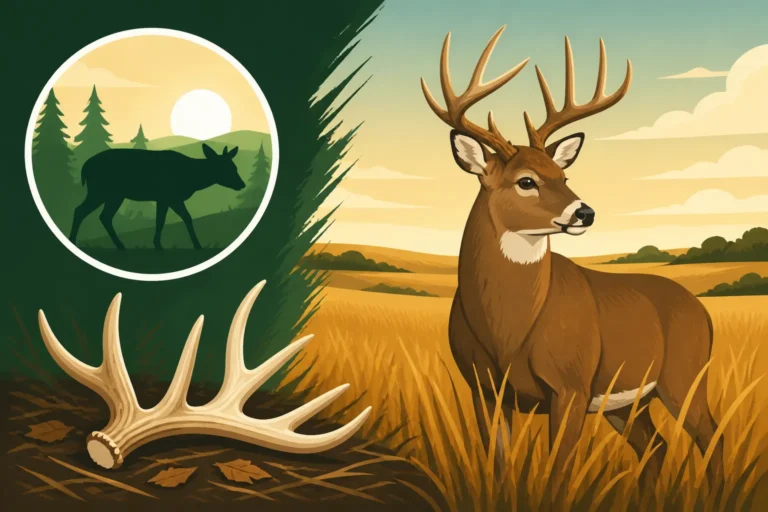
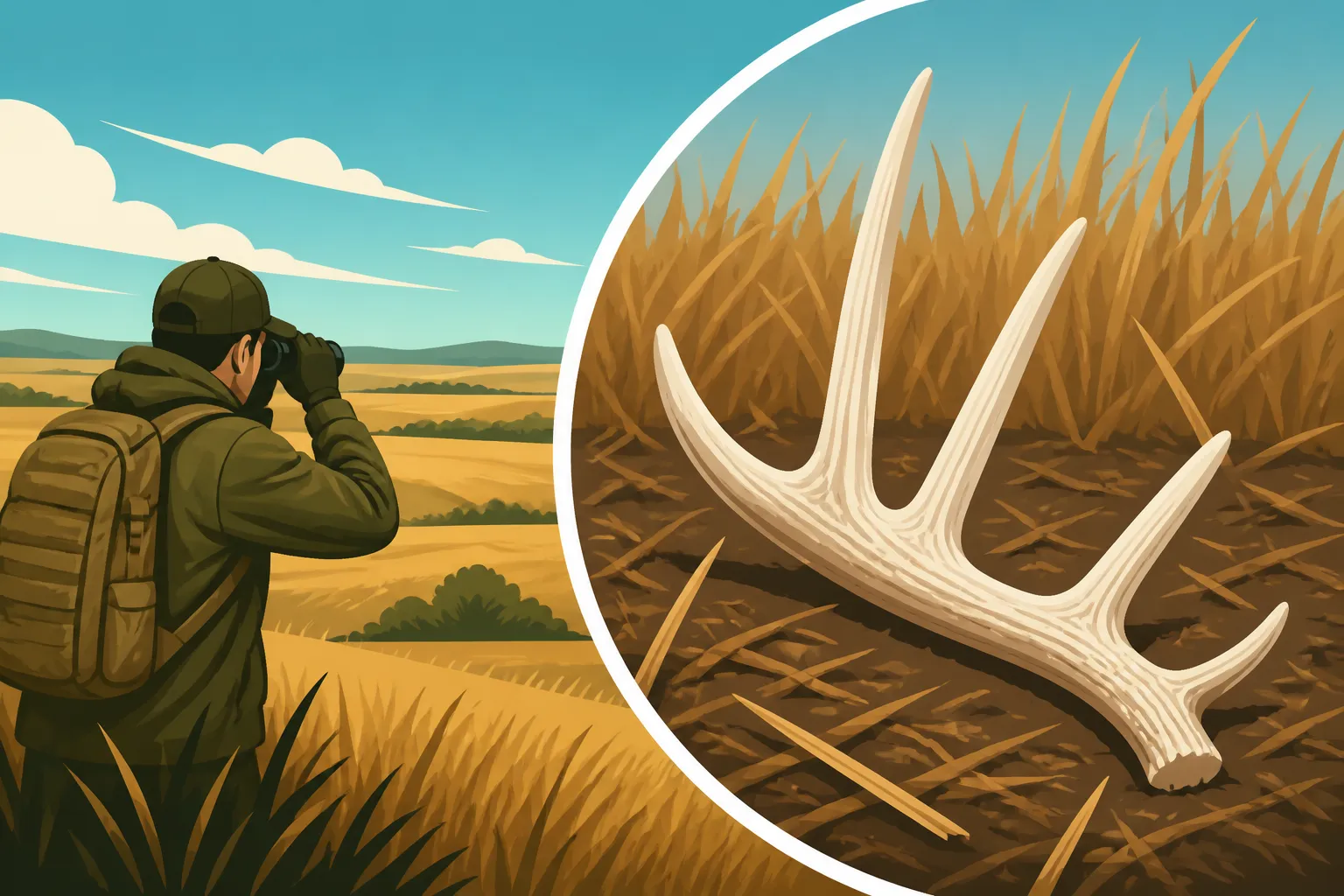
There’s a special kind of thrill that comes with finding a shed antler in the Saskatchewan bush or prairie—it’s like discovering a hidden treasure left behind by a phantom monarch of the wild. But let's be honest, that thrill often comes after hours, even days, of walking with your eyes glued to the ground, sometimes feeling like you're just out for a long, unproductive stroll. If you've ever wondered where to really focus your energy to increase your chances of finding those elusive treasures, this guide is for you. We'll explore the prime locations and strategies to help you fill your hands with fresh bone and connect with the habitat of Saskatchewan's magnificent deer.
Understanding Shedding Season in Saskatchewan
Before you even lace up your boots, it’s crucial to understand when the magic happens. Timing is everything in shed hunting, and getting it right can mean the difference between coming home empty-handed and clutching a beautiful piece of antler.
When Bucks Typically Drop Their Antlers
The shedding process is a fascinating biological event, primarily triggered by a drop in a buck's testosterone levels after the breeding season. Here in Saskatchewan, that means the typical window for white-tailed and mule deer to shed their antlers starts in late December and can extend well into March, with the peak generally hitting us hard in January and February.
Think about it from the deer's perspective: they’ve just come through the intense rut, burning massive amounts of energy. Now, winter is setting in, and their focus shifts entirely to survival and conserving energy. Their bodies simply don't need the heavy antlers anymore, and as testosterone levels recede, the connection between the antler and the pedicle weakens.
Factors like extreme cold snaps or heavy, persistent snow can actually influence when bucks drop their antlers. A severe winter might cause some bucks to shed earlier as their bodies prioritize conserving every bit of energy, offloading non-essential weight sooner. Conversely, mild winters might see some hold onto their racks a little longer. It's not a hard and fast date, which is part of the challenge and excitement. Younger bucks might shed later than mature, post-rut exhausted older bucks. Each animal is an individual, but generally, the colder months after the rut are when you want to start looking. For a deeper dive into this timing, check out When Saskatchewan Bucks Drop Their Antlers.
Why Timing Your Search Matters
You might think, "Well, I'll just wait until spring when the snow is gone," but that's a strategy that often leaves you trailing behind. The truth is, the longer you wait, the more competition you face. We're not just talking about other shed hunters here (though they are definitely a factor!). Nature has its own clean-up crew. Mice, porcupines, and other rodents absolutely love to chew on antlers for the calcium and minerals. A shed that's been lying out for months might be nothing more than a stub or a heavily chewed piece of chalk by the time you find it.
Another reason to hit the fields and bush earlier, especially after a solid snowfall, is that a fresh blanket of white can actually make antlers stand out. A dark brown or grey antler can be surprisingly visible against fresh snow. However, too much snow, especially deep drifts, will hide them completely. The sweet spot is often after a significant thaw when snow is melting, exposing the ground, or during periods of lighter snow cover that allow sheds to contrast against the white. The deer, too, will have moved post-hunting season pressure, sometimes concentrating in specific wintering areas, making those zones ripe for searching.
Key Terrain and Habitat for Shed Hunting
Saskatchewan's landscape is diverse, from expansive prairie to dense boreal forest fringe. Knowing where deer spend their time is the golden rule for shed hunting success. You need to put yourself where the deer were when their antlers were ready to fall.
Food Sources and Feeding Areas
Deer are creatures of habit, especially in winter. Their primary goal is to find food and conserve warmth. This means they will spend a significant amount of time in and around reliable food sources. On the prairie and in the parkland, this is often agricultural land.
Think about crop fields that offer sustenance through the colder months. Standing corn, even after harvest, provides residual kernels and cover. Pea fields and lentil fields, though harvested, often leave behind enough dropped grain to make them attractive. Winter wheat or oat stubble fields can also be draws, offering a relatively easy meal. Deer will often congregate along the edges of these fields, particularly where they meet dense cover, offering a quick escape route. These field edges are high-traffic zones, and antlers can be knocked off during feeding or while navigating obstacles. Consider exploring Hunting a Field of Standing Corn, Hunting a Pea Field After Harvest, or Hunting a Lentil Field Edge for ideas on where deer might be feeding.
Bedding Areas and Thick Cover
Just as important as food is where a deer feels safe and can rest, chew its cud, and shelter from the elements. Bedding areas are prime locations for sheds because deer spend so much time there, and the act of getting up or shifting can dislodge a loose antler.
Look for dense bush pockets, willow bluffs, and thick shelterbelts that offer protection from wind and predators. In the forest fringe, stands of evergreens like spruce and pine provide crucial thermal cover, especially during bitter cold. South-facing slopes are goldmines because they catch the most sun, melting snow faster and offering warmer beds. Deer will often bed down on these sun-drenched spots. Check out areas like Hunting a Poplar Bluff at First Light or Hunting a Saskatchewan Bush Bluff for examples of these types of cover. The denser the cover, the more likely a buck is to jostle an antler loose while navigating branches or rubbing against trees.
Travel Corridors and Transition Zones
Deer don't just magically appear in their feeding or bedding areas; they travel between them. These travel corridors and transition zones are incredibly productive for shed hunting. Think of them as the highways and secondary roads of the deer world.
These can be obvious features like worn deer trails, fence lines (where antlers might get snagged as a buck jumps over), creek bottoms, and natural funnels that pinch down deer movement. Old logging roads, cutlines through the bush, or shelterbelts that connect two larger patches of cover are all excellent spots. Often, bucks will knock an antler off when jumping over obstacles or pushing through thick brush along these routes. Don't forget crossings—frozen sloughs or narrow points in terrain where deer naturally cross can be hotspots. A buck breaking through ice or traversing rough ground could easily dislodge an antler. Explore ideas like Hunting a Frozen Slough Crossing, Hunting a Pipeline Right-of-Way, or Hunting a Fence Line Between Quarters to visualize these key travel routes.
Water Sources (Especially in Drier Areas)
Even in the dead of winter, deer need water. While snow can provide some moisture, accessible open water is still a draw, especially in drier regions of Saskatchewan. Spring-fed creeks that resist freezing, dugouts that might have exposed ice or slush, or river edges where currents keep water open can concentrate deer activity. When deer are in these areas to drink, they are moving, and a sudden head movement or an accidental bump can release an antler. These spots, while not always as obvious as food or bedding, can still be surprisingly productive, especially during periods of prolonged cold and dry weather when other water sources are frozen solid.
Strategic Approaches to Shed Hunting
Finding sheds isn't just about knowing where to go; it's also about how you approach the search. A strategic mindset, combined with a willingness to embrace technology and plain old grit, will significantly boost your success rate.
Grid Searching and Pacing Yourself
One of the biggest mistakes shed hunters make is simply wandering aimlessly. While a random find is always a pleasant surprise, systematic searching is far more effective. Imagine a grid pattern over the area you want to search. Walk in straight lines, covering strips of ground, then move over and walk back, slightly overlapping your previous path. This ensures you cover an area thoroughly.
Pacing yourself is critical. This isn't a race. Walk slowly, deliberately, with your eyes constantly scanning the ground ahead, to the sides, and even behind you. Antlers can blend in remarkably well with leaf litter, stubble, or dry grass. Train your eye to spot the curve of an antler, the specific colour, or even just a glint of bone. Think like a deer: where would they walk? Where would they feel secure? Where would they stop to browse or rest? It's easy to get tunnel vision, so remember to look for both the obvious and the subtle. Using a mapping app like GoHunt to track your path can be incredibly helpful for maintaining your grid and ensuring you don't miss sections or unnecessarily re-walk ground.
Leveraging Technology and Scouting
In today's world, technology can be a huge asset for shed hunters. Don't underestimate the power of good scouting, even after hunting season is over.
- Trail Cameras: If you run trail cameras during hunting season, continue running them into the winter. They can give you valuable insights into when bucks in your area are starting to drop their antlers. Seeing a buck on camera one week with antlers, and the next week without, is a pretty strong hint!
- Aerial Imagery: Before you even set foot on the ground, spend some time with satellite maps. Tools like GoHunt allow you to zoom in on specific areas, identify dense bedding cover, field edges, creek bottoms, and potential travel corridors. You can mark these points on your map and plan your search routes. This pre-scouting can save you a lot of wasted steps. Understanding these features can be enhanced by reading up on Scouting With Satellite Imagery in Saskatchewan.
- GPS and Mapping Apps: As mentioned, GoHunt or similar apps are invaluable. They not only let you track your movement for grid searching but also allow you to mark every shed you find with a precise GPS coordinate. This is fantastic for tracking patterns year after year and sharing locations with hunting buddies (if you're feeling generous!).
The Role of Snow and Ice
Saskatchewan winters are defined by snow and ice, and these elements play a huge role in shed hunting. Sometimes, snow can be your best friend, and other times, your worst enemy.
- Post-Thaw: One of the absolute best times to hit the fields is after a significant thaw and subsequent light snowfall or a period where the existing snow starts to melt and recede. As the snow melts, sheds that were previously buried can become exposed, sticking up from the ground like little flags.
- Snowdrifts: Pay close attention to snowdrifts, especially along fence lines or the edges of dense cover. Deer often push through these drifts, and the effort required can jolt a loose antler free.
- Fresh Snowfall: A fresh, light snowfall can make finding sheds easier by highlighting fresh deer trails. These trails lead to where deer are currently feeding and bedding, giving you a fresh lead. Don't underestimate the power of looking for trails after a fresh dump, much like you would if you were Hunting Mule Deer After a Snowfall. The deeper the snow, however, the harder the search, as sheds can be completely buried.
Patience and Persistence
Let's be realistic: shed hunting is not always easy. There will be days, maybe even weeks, where you walk miles and find nothing but boot tracks (your own!) and frost-nipped fingers. It can be discouraging. But the key to success in shed hunting, much like hunting itself, is patience and persistence.
The more ground you cover, the more consistently you get out there during the prime shedding window, the higher your chances. Don't give up after one or two unproductive trips. Treat it as a workout, an excuse to be outdoors, and an ongoing learning experience about deer movement and habitat use. Every mile you walk teaches you something new about the land and the animals that call it home. And that feeling when you finally spot that beautiful piece of bone? It makes all the effort worthwhile.
What to Do When You Find Them (and What to Expect)
So, you've walked the miles, you've scanned the ground, and there it is—a pristine antler lying in the stubble. Now what?
Documenting Your Finds
First, take a moment to appreciate it! It's a connection to a wild animal, a piece of its life cycle, and a testament to your hard work. Take some photos, especially with the surrounding landscape, to remember the moment. If you're using a mapping app like GoHunt, mark the GPS coordinates immediately. This data is incredibly valuable for future reference, helping you identify patterns year after year. Did you find it near a specific tree, a fence corner, or a particular bend in a creek? Notate those details.
Crucially, always remember to respect private land. Before you ever step foot onto someone's property to shed hunt, you must obtain permission. This is not just good etiquette; it's the law in Saskatchewan. Knocking on Doors in Saskatchewan Farm Country remains the best way to gain access and maintain good landowner relations. Never assume access, even for shed hunting.
Shed Antlers and Local Regulations
For the most part, shed antlers are considered fair game in Saskatchewan. Unlike hunting live animals, there are typically no specific licences required to pick up shed antlers on public land or private land where you have permission. They are generally considered property of the Crown on public land once they've been naturally shed.
However, if you're a non-resident and plan to take sheds across an international border, particularly into the United States, it's always wise to check current regulations with customs agencies on both sides. While sheds are usually less scrutinized than actual game meat or skull-plated trophies, rules can change. For a broader understanding of transporting game parts, refer to resources like Taking Meat and Antlers Across the Border. In most cases, a naturally shed antler is considered a biological artifact and poses fewer regulatory hurdles than an antler attached to a skull, but a quick check never hurts.
The Joy of the Search, Not Just the Find
Ultimately, shed hunting is about more than just finding a piece of bone. It’s an incredible way to spend time outdoors, especially in the "off-season" when most hunting seasons are closed. It connects you deeply with the habits and movements of the animals you pursue. You learn their winter patterns, their preferred bedding, and their critical travel routes. It’s exercise, mental stimulation, and a peaceful way to decompress in nature.
Some days you'll strike gold, and other days you won't. But every step is an opportunity to learn, to observe, and to simply be present in Saskatchewan's stunning natural environment. The anticipation, the challenge, and the eventual reward make shed hunting a cherished tradition for many, and it's something I highly recommend you lean into.
| Prime Shed Hunting Locations | Why They Are Productive | Best Time to Search |
|---|---|---|
| Field Edges & Crop Residuals | Deer frequent these areas for easy food. Antlers can be dislodged while feeding, moving through stubble, or jumping into cover. Look for standing corn, pea/lentil fields, or winter wheat stubble. | Late Dec – Feb (after harvest), especially after light snow. |
| Dense Bush & Thermal Cover | Bucks spend significant time bedded down here, especially in cold. Antlers can drop while resting or getting up, or snagged on branches. South-facing slopes are key. | Jan – Mar, after a thaw exposing ground, or light snow. |
| Travel Corridors & Funnels | Paths between food and bedding are high traffic. Fence lines, creek bottoms, river breaks, and cutlines are good. Antlers can be knocked off on obstacles. | Jan – Mar, can be productive even with moderate snow. |
| Water Sources (Open Water) | Deer need water, and open sources (springs, river edges, dugouts) concentrate activity. Antlers can be dislodged during movement to and from water. | Any time a water source is unfrozen and accessible. |
| South-Facing Slopes/Ridges | Warmer areas with earlier snowmelt. Deer prefer to bed here. Look for exposed ground or contrasting antlers against snow. | Jan – Mar, particularly after sun exposure. |
Disclaimer
This article is for general informational purposes only and does not constitute professional advice. Laws, prices and regulations vary by location and change over time. Consult a qualified professional for guidance on your specific situation.