What Acorn and Berry Crops Do Up North
For many of us who hunt the agricultural areas of Saskatchewan, our eyes are always scanning for whitetails in a pea field, a swathed barley quarter, or a standing corn patch. But head further north, into the aspen parkland and especially the vast forest fringe, and the menu for game animals changes dramatically. Here, natural food sources like acorns and berries become incredibly important, often dictating where game animals will be, how healthy they are, and ultimately, your hunting success. Understanding these natural food cycles is a game-changer, telling you not just where animals might be, but why they're there and what their condition will be like. This guide will dive deep into how these vital crops influence Saskatchewan's northern wildlife.
Understanding Natural Food Cycles in Northern Saskatchewan
When you venture into Saskatchewan's aspen parkland and forest fringe, you're stepping into a completely different ecosystem from the open prairie. Here, the landscape is a mosaic of aspen bluffs, spruce thickets, wetlands, and, crucially, areas where mast-producing trees and berry bushes thrive. These natural food sources are the lifeblood for many game species, influencing their movements, health, and even reproductive success. It’s not just about what's available, but when, and how abundant it is year after year.
The Importance of Mast Crops (Acorns)
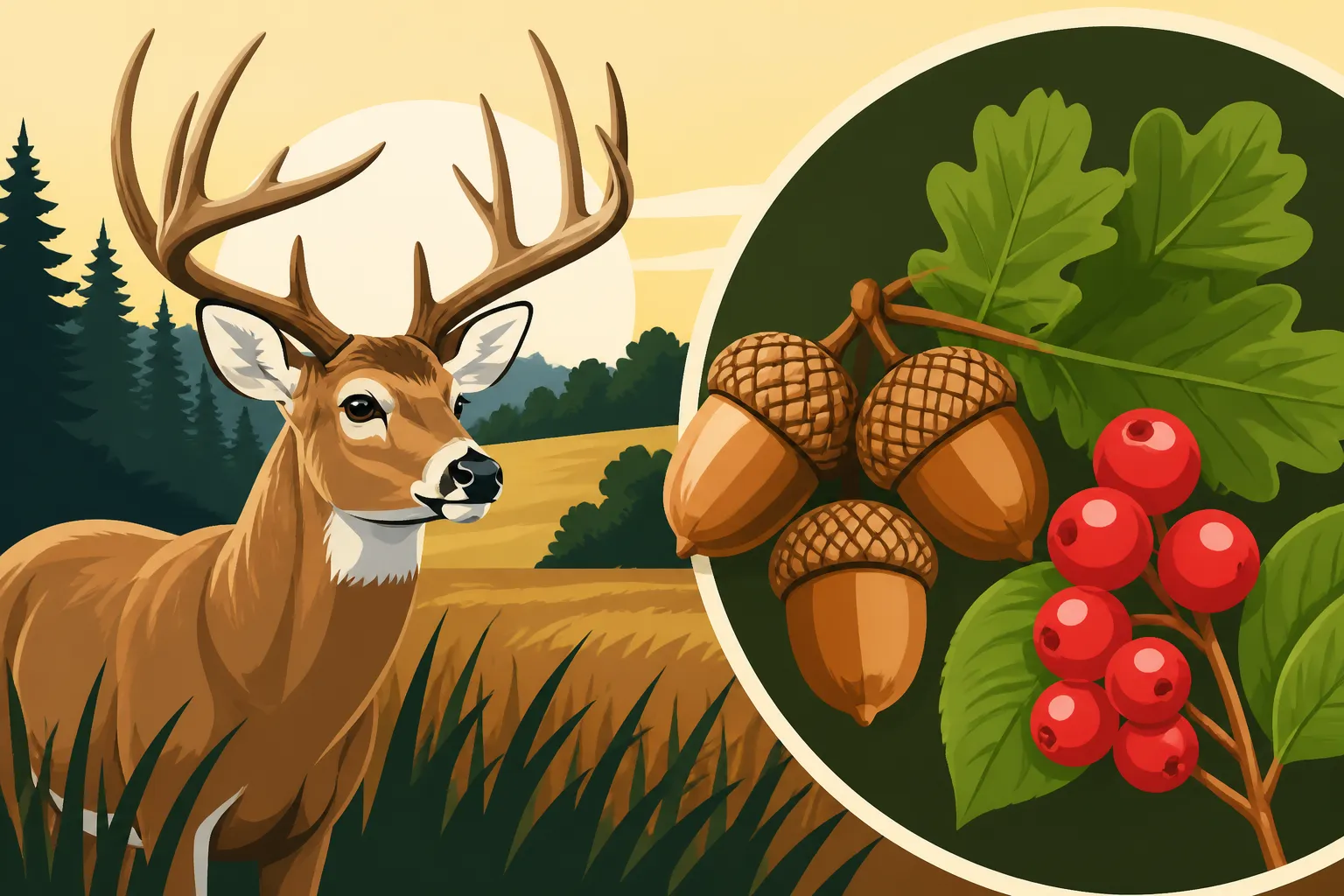
While not as widespread as in some eastern provinces or states, certain species of oak, primarily bur oak, can be found in the southern reaches of Saskatchewan's boreal forest fringe and throughout the aspen parkland. These trees are absolutely critical when they are present because their fruit – acorns – are a powerhouse of nutrition. Acorns are rich in carbohydrates and fats, providing an intense burst of energy that wildlife needs to put on weight for the upcoming harsh winter. Think of it as nature's superfood supplement.
When an oak ridge or grove has a strong acorn crop, it becomes an undeniable magnet for whitetail deer, black bears, and even smaller game like squirrels and grouse. Deer will prioritize these areas, often abandoning agricultural fields nearby to gorge on the fallen acorns. Bears, too, will spend countless hours raking through the leaf litter, consuming as many as they can before hibernation. Hunters who can locate these oak stands and assess their productivity gain a huge advantage, as animals will concentrate their efforts there for weeks on end during the fall. A good acorn year means fatter, healthier animals going into winter, which translates to better survival rates and stronger antler growth in subsequent seasons.
The Role of Berry Crops (Saskatoons, Cranberries, etc.)
Beyond acorns, northern Saskatchewan is a veritable grocery store of various berry crops, each ripening at different times and providing essential nutrients to a diverse array of wildlife. From the sweet saskatoons of early summer to the tart cranberries and highbush cranberries lasting into late fall, these fruits offer a seasonal progression of vital food. Chokecherries, pin cherries, and even buffaloberries also contribute significantly to the local forage. These berries are rich in vitamins, antioxidants, and sugars, providing quick energy and aiding in overall animal health.
Different animals have different preferences and timing. Bears will hit saskatoon patches hard in July and August, then move onto other berries as they ripen, using them to pack on the pounds needed for their long winter's nap. Whitetails and moose will browse on berry bushes, taking advantage of the leaves and twigs as well as the fruit. Upland birds, like ruffed grouse, will feast on berries, especially highbush cranberries, which can persist on the bush well into winter, offering a crucial food source when other options are scarce. Understanding this progression of berry availability helps hunters predict where different species might be foraging throughout the late summer and fall. Hunting Saskatchewan's Boreal Forest Fringe is often where you'll find these diverse berry patches.
How Abundant Crops Influence Game Movement and Health
The presence and abundance of these natural food sources don't just offer sustenance; they actively shape the behavior, distribution, and overall well-being of Saskatchewan's game animals. A banner year for acorns or berries can create pockets of intense activity, while a poor crop year can scatter animals far and wide in search of alternative forage, making them harder to pattern.
Concentrating Deer and Bear Activity
Imagine a typical fall in the forest fringe: deer and bear are constantly on the move, looking for calories. Now, picture an area with a bumper crop of acorns or a sprawling patch of ripe highbush cranberries. These spots become irresistible magnets. Deer will travel significant distances to access these high-energy food sources, often forsaking traditional routes or smaller, less productive feeding areas. Black bears, known for their incredible sense of smell and relentless pursuit of food, will establish temporary feeding patterns around the most productive berry patches or oak groves, sometimes spending days in one general area.
For hunters, this concentration of activity is a goldmine. Instead of trying to find a needle in a haystack, you're looking for animals in a very specific, nutrient-rich "haystack." This means your scouting efforts should focus heavily on identifying these productive patches. Using satellite imagery, like that offered by GoHunt, can help pinpoint potential oak stands or clearings with good berry growth. Once on the ground, fresh sign – tracks, scat, rubbed trees, and obviously, consumed berries or shelled acorns – confirms that animals are actively utilizing the area. Placing a stand or blind downwind of such a location, especially along a natural travel corridor leading to it, dramatically increases your chances of success. This is particularly true for Baiting Black Bear in Saskatchewan or setting up for deer during the early archery season.
Enhancing Winter Survival and Health
The impact of abundant fall mast and berry crops extends far beyond just concentrating animals during the hunting season. The fat and nutrient reserves animals build up from these high-calorie foods are absolutely critical for their survival through the long, cold Saskatchewan winter. Deer and bear that go into winter well-fed have a much better chance of surviving periods of deep snow and extreme cold when forage is scarce.
For deer, a strong nutritional plane in the fall means healthier does entering winter, which often translates to higher fawn survival rates the following spring. It also directly influences antler growth for the bucks. A buck that is able to maintain excellent body condition throughout the winter because of a good fall feeding period has more resources to put towards antler development the next spring and summer. Conversely, a poor crop year forces animals to expend more energy searching for food, leading to lower body fat, increased stress, and a higher risk of winter mortality. This can have ripple effects on herd health and trophy quality for several years. Knowing these factors is part of Reading Sign After Fresh Saskatchewan Snow and understanding herd dynamics.
Scouting for Acorns and Berries Before Your Hunt
Successful hunting in areas where natural food sources are key hinges on meticulous scouting. You can't just show up and expect to stumble upon the most productive patches. It requires understanding the habitat, knowing what to look for, and being observant of animal behavior and sign.
Identifying Key Habitats and Tree Species
Before you even step foot in the woods, you can start your scouting with maps and online tools. Utilize satellite imagery to identify areas that might hold oak trees. Look for distinct groves or ridges with a different canopy texture or color than the surrounding aspen or spruce. Bur oaks, in particular, often stand out. In the forest fringe, seek out areas with a mix of deciduous trees and open undergrowth, which are often prime berry-producing habitats. Tools like GoHunt can layer different habitat types, helping you visualize potential hotspots.
Once on the ground, it's about identifying the actual species. Learn to recognize bur oaks by their distinct lobed leaves and thick, furrowed bark. For berries, familiarize yourself with saskatoon bushes, which typically have oval, finely toothed leaves and purplish-black fruit. Highbush cranberries are easily identifiable by their three-lobed leaves and bright red, often translucent berries that cling to the branches well into fall. Chokecherry bushes, too, are common, with their dark, sometimes bitter fruit. These specific identifications will confirm you're in a productive area, not just a random patch of bush. Hunting Saskatchewan's Aspen Parkland Bluffs and Hunting Saskatchewan's Forest Fringe are prime locations for this kind of scouting.
Reading the Land and Observing Animal Sign
Once you've identified potential food sources, the next step is to determine if animals are actually using them. This is where your tracking and observation skills come into play. Start by looking for direct evidence of feeding. Under oak trees, you'll find chewed acorn caps, sometimes scattered widely by squirrels, but also often in concentrated piles where deer have been browsing. Look for disturbed leaf litter and fresh tracks around the base of the trees. For berry patches, search for scat loaded with berry seeds, especially around the edges of the patch or along trails leading into it. Deer will often leave droppings that are dark and filled with the remnants of berries. Bear scat, particularly, can be unmistakable, often a large pile of purple-stained matter, almost entirely composed of berry pulp and seeds.
Beyond direct feeding sign, pay attention to rubs and scrapes in the vicinity of these food sources. Bucks will often establish these scent markers along their travel routes to and from prime feeding areas. Fresh rubs on small saplings or larger trees can indicate a buck is regularly passing through. Observing these signs helps you understand not just what animals are eating, but also when they are eating and their preferred travel corridors, giving you crucial information for stand placement.
Hunting Strategies Based on Natural Food Sources
Once you've done your homework and identified those crucial acorn or berry patches, it's time to translate that knowledge into a hunting strategy. The goal is to intercept game animals as they move to, from, or within these high-value feeding zones.
Setting Up Near Productive Patches
The most effective strategy is often to set up directly adjacent to or within a heavily used natural food source. This means choosing a stand location that allows you to observe the patch while remaining undetected. Consider the prevailing wind direction; you always want the wind in your favor, carrying your scent away from where the animals are expected to approach or feed. Identify natural funnels or pinch points that lead into or out of the food source. These could be narrow strips of cover, low spots, or edges of thickets that deer and bears prefer to use for travel.
For deer, an ideal setup might involve a stand on the downwind side of an oak ridge, overlooking a trail that leads directly into the acorn fall zone. For bears, especially during the fall season when they are actively foraging, a ground blind or treestand overlooking a productive highbush cranberry patch in the bush can be incredibly effective. Remember, patience is key. Animals may not arrive right at first light or last light; they might feed throughout the day, especially in secluded, undisturbed patches. Hanging a Stand on a Saskatchewan Bush Edge is a classic tactic that combines cover with proximity to food.
Adjusting to Poor Crop Years
Nature is unpredictable, and not every year brings a bumper crop of acorns or berries. Drought, late frosts, or excessive rain during key developmental stages can severely impact the yield of these natural food sources. When these crops fail or are sparse, game animals don't simply disappear; they adapt, and so must hunters. In a poor year for acorns and berries, animals will broaden their search for alternative food sources. This might mean shifting their focus back to agricultural fields if available, browsing on native shrubs and forbs more heavily, or seeking out different types of cover that offer browse.
As a hunter, your strategy needs to shift from targeting specific food sources to focusing on general browse and travel corridors. Look for signs of deer feeding on aspen suckers, willow, or other common browse plants. Water sources, even small dugouts or sloughs, become more critical in dry years, concentrating activity. Hunting a Saskatchewan Dugout at Dusk can be surprisingly productive. Additionally, deer might rely more heavily on bedding areas that offer consistent browse, making it crucial to understand Where Saskatchewan Whitetails Bed in Snow. In these challenging years, persistence and a willingness to explore new areas become even more vital, as animals might be more dispersed and less predictable in their movements.
| Natural Food Source | Primary Animals Attracted | Peak Availability | Nutritional Value (Key) | Hunter's Focus |
|---|---|---|---|---|
| Acorns (Bur Oak) | Whitetail Deer, Black Bear, Squirrels, Ruffed Grouse | Late September – November | High Carbohydrates & Fat | Oak ridges, transition zones, fresh sign |
| Saskatoons | Black Bear, Deer, Birds, Smaller Mammals | July – August | Sugars, Vitamins | Early season patches, clearings, trails |
| Chokecherries | Black Bear, Birds, Deer | August – September | Sugars, Vitamins | Edge cover, draws, persistent fruit |
| Highbush Cranberry | Black Bear, Ruffed Grouse, Deer, Moose | Late September – December | Sugars, Vitamin C, Acids | Thickets, wetlands, late season food |
| Pin Cherries | Black Bear, Birds, Deer | August – September | Sugars, Vitamins | Forest openings, recent clearcuts |
Disclaimer
This article is for general informational purposes only and does not constitute professional advice. Laws, prices and regulations vary by location and change over time. Consult a qualified professional for guidance on your specific situation.