Saskatchewan’s Crown Land Access
One of the biggest frustrations for any hunter, especially those new to a region or on a tight budget, is figuring out where you can actually go. Saskatchewan is a vast province, famous for its incredible hunting opportunities, but navigating the maze of private land, posted signs, and ever-changing access rules can feel like trying to solve a Rubik's Cube blindfolded. This comprehensive guide is here to unravel the complexities of Saskatchewan's Crown land access, helping you understand where you can hunt legally and responsibly, and how to make the most of these incredible public resources.
Understanding Crown Land in Saskatchewan
When you picture Saskatchewan, you might conjure images of endless golden fields stretching to the horizon. While much of the province is indeed agricultural land, there's also an incredible amount of public land—known as Crown land—that offers fantastic hunting opportunities for those who know how to find it and, crucially, how to access it legally. This isn't just a patch of woods here and there; we're talking about millions of acres that range from dense boreal forests to sprawling parkland, and even some prairie habitats.
What Exactly is Crown Land?
Crown land, simply put, is land owned and managed by the provincial government on behalf of the public. Unlike private land, which is owned by individuals or corporations, Crown land is generally open for public recreational use, including hunting, fishing, camping, and hiking, unless specifically restricted. It's a cornerstone of our hunting heritage, providing essential habitat for a wide array of game species and ensuring that hunting remains accessible to everyone, not just those with connections to private landowners. Think of it as your shared backyard, a massive expanse managed for conservation, resource development, and public enjoyment. The management often involves balancing various interests, from forestry and agriculture to recreation and wildlife preservation, which is why understanding specific rules for different types of Crown land is so vital.
Why Crown Land is Essential for Saskatchewan Hunters
For many Saskatchewan hunters, Crown land isn't just an option; it's the primary hunting ground. It provides access to diverse ecosystems and, consequently, diverse game species. Whether you're chasing the elusive Hunting the Forest Fringe for Big Bucks, calling for Calling a Bull Moose in the Rut in the northern bush, or pursuing Black Bear Hunting in Saskatchewan in the vast boreal forest, Crown land holds the key. The sheer scale means that even with increasing hunting pressure, there are still countless corners that see minimal human disturbance, offering a true wilderness experience. It's also often the only option for those who haven't secured permission on private farms, allowing newcomers and seasoned hunters alike to pursue their passion without the often-difficult task of door-knocking. The extensive, interconnected nature of Crown land allows animals to roam freely, following natural migration patterns and seasonal food sources, contributing to healthy, robust wildlife populations.
The Big Picture: General Access Principles
The general principle for Crown land in Saskatchewan is that it's accessible for recreational use, including hunting, unless explicitly posted otherwise or subject to specific restrictions. However, this isn't a blanket "free-for-all." Access can vary significantly depending on the specific designation of the Crown land. For example, some Crown land is leased out for agricultural purposes, such as grazing cattle. While it remains Crown land, the leaseholder has certain rights and responsibilities, which often includes posting the land and requiring permission from hunters. Other areas might be designated as provincial parks or wildlife refuges where hunting is restricted or prohibited entirely. Always remember that "Crown land" is a broad term, and knowing the specific sub-type you're looking at is the first step to ensuring legal access. It's crucial to understand these nuances to avoid accidental trespassing and to maintain a positive public image for hunters.
Types of Crown Land and Their Access Rules
Saskatchewan's Crown land isn't a monolithic entity; it's a diverse tapestry of landscapes, each with its own management objectives and, consequently, its own set of access considerations for hunters. Understanding these distinctions is critical to planning a successful and legal hunt.
Provincial Forests and Forest Fringe Areas
Venture north from the rich agricultural belt, and you'll find vast expanses of provincial forest and what we affectionately call the "forest fringe." These areas are typically managed for forestry, wildlife, and recreation, and generally offer the most straightforward public access for hunters. Species like moose, elk, black bear, and whitetail deer thrive in these habitats. Think of the sprawling provincial forests around Meadow Lake, Nipawin, or Hudson Bay. Access is usually via established roads, old logging trails, and cutlines. While generally open, some areas might have temporary closures due to active logging operations, wildfire risk, or extreme weather, so it’s always wise to check current conditions. These areas are truly the heart of northern hunting, providing diverse terrain from dense spruce bogs to aspen ridges. Hunters can usually walk, drive on existing trails, or use ATVs where permitted, making these areas highly popular.
Crown Land Under Grazing Leases
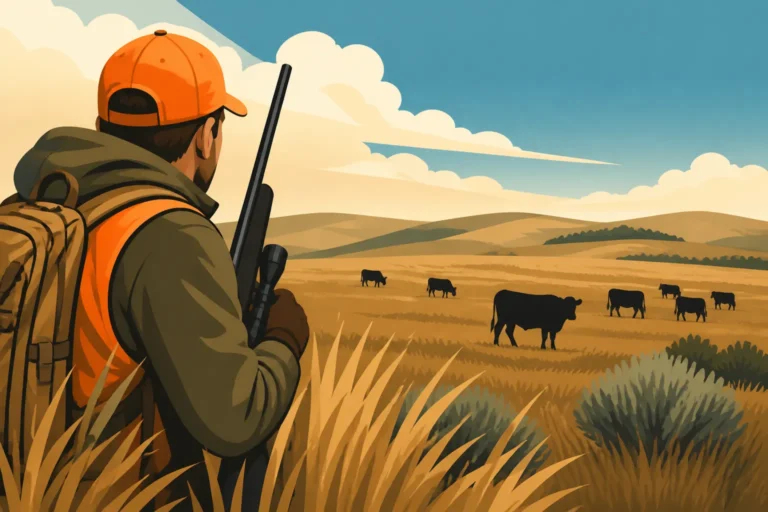
This is where things can get a bit confusing for many hunters, and it’s a critical distinction to grasp. A significant amount of Crown land, particularly in the southern and central parts of the province, is leased to ranchers for cattle grazing. While it remains Crown land, the leaseholder has the right to manage the land for their agricultural operation, which includes protecting their livestock and infrastructure. If this leased Crown land is adequately "posted" by the leaseholder—meaning visible signs are placed at all normal points of access—then hunters must obtain permission from the leaseholder before entering. Failure to do so is considered trespassing. If the leased Crown land is not posted, then hunters generally have the right to access it. However, ethical considerations are paramount: even if not posted, approaching the leaseholder to inform them of your presence or to confirm access is always a good practice. It fosters good relationships and helps prevent any misunderstandings or issues with livestock. A brief conversation can go a long way in ensuring a pleasant experience for everyone. Many deer, What a Mature Saskatchewan Mule Deer Weighs, and antelope live on this type of land. For specific insights, check out Hunting a Saskatchewan Community Pasture.
Fish and Wildlife Development Fund FWDF Lands
The Fish and Wildlife Development Fund (FWDF) lands are special parcels of Crown land that have been purchased or set aside specifically for wildlife habitat and public access for hunting and fishing. These areas are funded by a portion of hunting and fishing licence fees, making them truly "hunter-funded" and maintained for the benefit of all. FWDF lands are generally marked with distinct signage indicating their purpose and typically have very clear public access rules, often allowing walk-in hunting only to minimize disturbance. They are vital pockets of habitat in often heavily agricultural areas, serving as crucial refuges for game and offering accessible hunting spots for upland birds, deer, and waterfowl. They are an excellent resource for hunters looking for dedicated public land with strong conservation value. When considering these areas, it's worth understanding Hunting an FWDF Parcel Without Permission to ensure you're compliant.
Other Crown Land Designations
Beyond the major categories, there are other types of Crown land that hunters might encounter. These include undeveloped road allowances, which often run alongside grid roads and can sometimes offer narrow strips of public access or cover. Abandoned railway grades can also become Crown land and, once the tracks are removed, can provide excellent travel corridors for hunters or wildlife. There are also un-leased Crown parcels, often smaller or less productive plots, that fall outside of major forest or agricultural leases and are generally open for public access. The key with these "other" designations is that their access rules can be less clear-cut, often requiring careful map work and, sometimes, local inquiry to confirm their status and any specific regulations. Always err on the side of caution and verify access before heading in.
Navigating Wildlife Management Zones WMZs
Understanding Wildlife Management Zones (WMZs) is as crucial as knowing your Crown land boundaries. These zones are the regulatory backbone of hunting in Saskatchewan, dictating everything from season dates and bag limits to specific species you can hunt in any given area. Whether you're on private land or Crown land, the WMZ rules apply universally.
How WMZs Define Your Hunting Opportunities
Every square inch of Saskatchewan falls within a specific WMZ. These zones are carefully delineated by the provincial government based on factors like wildlife populations, habitat types, geographic features, and even human settlement patterns. For a hunter, the WMZ you are in directly determines what you can hunt, when you can hunt it, and often how many you can harvest. For example, one WMZ might have an archery-only season for whitetail deer that opens in September, followed by a general rifle season in November, while an adjacent WMZ might have entirely different dates, or even be closed to hunting for certain species. Mule deer are often buck-only in many southern zones, while whitetails might have antlerless opportunities in others. Without knowing your WMZ, you literally don't know the rules of the game.
Accessing WMZ Maps and Information
Thankfully, finding WMZ information is quite straightforward these days. The provincial government publishes an annual Hunters' and Trappers' Guide, which includes detailed maps of all WMZs, along with the regulations for each. These are available online through the official government website. Beyond that, many modern hunting apps, like onX Hunt, integrate WMZ boundaries directly into their mapping layers, making it incredibly easy to see exactly which zone you're in, even when deep in the bush. This digital convenience is a game-changer for planning and real-time navigation. Knowing your WMZ allows you to cross-reference with the regulations and ensure you're hunting legally. For a good starting point, check out Finding a Saskatchewan Zone Map.
Understanding Zone-Specific Crown Land
It's important to remember that the amount and type of Crown land can vary dramatically between WMZs. Some WMZs in the far north, for instance, are almost entirely Crown land, offering vast, unbroken tracts of wilderness. In contrast, many WMZs in the intensely agricultural southern plains might have very little Crown land, perhaps only scattered FWDF parcels, road allowances, or isolated slough rings. This means that your approach to scouting and hunting Crown land will likely differ depending on the WMZ. In Crown-heavy northern zones, you might focus on finding remote access points or river systems. In southern zones, you might be looking for small, overlooked parcels tucked away among private fields, or specific Hunting a Slough Edge for Whitetails locations. Knowing the general character of Crown land within your chosen WMZ helps you set realistic expectations and develop an effective hunting strategy. Some zones, like those in the forest fringe, offer an incredible mix of habitat and hunting opportunities. For more on this, consider Hunting a Saskatchewan Quarter Section.
| Type of Crown Land | Typical Access | Key Considerations | Common Game Species |
|---|---|---|---|
| Provincial Forests | Generally open for hunting, walking, ATV use (on designated trails/roads). | Check for active logging closures, wildfire bans, or specific restricted areas. Roads can be rough or seasonal. Remote. | Moose, Elk, Black Bear, Whitetail Deer, Ruffed Grouse |
| Crown Land Under Grazing Lease | Requires permission from leaseholder if posted. If not posted, generally open, but ethical to contact leaseholder. | Respect livestock, fences, and infrastructure. Roads/trails may be for agricultural use. Leaseholder has rights to manage property. | Whitetail Deer, Mule Deer, Pronghorn, Upland Birds |
| FWDF Lands | Generally open for walk-in hunting (check specific site rules). | Often signposted clearly. Focus on habitat enhancement. May have specific restrictions on vehicle use or camping. | Whitetail Deer, Waterfowl, Upland Birds, Moose (in some) |
| Road Allowances | Generally open, but often narrow strips. | Be aware of proximity to private land. Legal shooting distances from roads apply. Use common sense and respect adjacent landowners. | Opportunistic for all species |
| Abandoned Railway Grades | Generally open for walk-in. | Can be good travel corridors for wildlife and hunters. Verify status, as some may be privately owned. | All species using travel corridors |
| Un-leased Crown Parcels | Generally open for public access. | Can be small, isolated, or remote. Verify status with government land records if unsure. | Whitetail Deer, Upland Birds, Waterfowl |
Tools and Resources for Identifying Crown Land
Gone are the days when finding Crown land meant poring over paper maps in a government office, trying to decipher cryptic markings. While traditional methods still have their place, modern technology has revolutionized the way hunters identify and navigate public access lands in Saskatchewan.
Digital Mapping Applications: Your Modern Scout
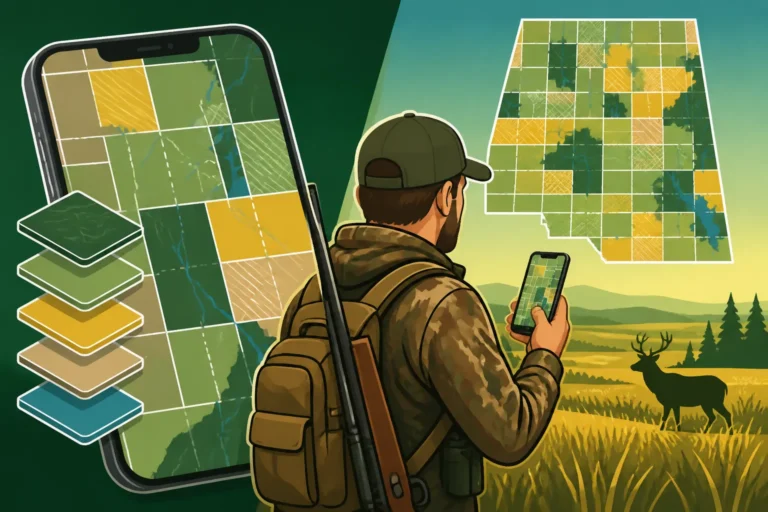
If you're serious about hunting Crown land in Saskatchewan, a good digital mapping application is an absolute game-changer. Apps like onX Hunt and GoHunt have invested heavily in mapping technology that overlays private and public land ownership data directly onto satellite imagery and topographic maps. With onX Hunt, for instance, you can literally open the app on your phone or computer, zoom in on any area in Saskatchewan, and see clearly marked property boundaries, distinguishing between private land, various types of Crown land, and even FWDF parcels. This is incredibly powerful for planning your hunt from home, identifying access points, and avoiding accidental trespass in the field. Imagine sitting at your kitchen table, tracing deer trails on satellite imagery, and knowing definitively where the public land begins and ends – it's an indispensable tool for efficiency and legal compliance. These apps often include layers for WMZ boundaries, potential access roads, and even historical wildfire data, providing a comprehensive scouting platform right in your pocket. For a deeper dive, check out Reading Saskatchewan Crown Land Layers on onX.
Government Websites and Online Portals
While not always as user-friendly as a dedicated hunting app, official provincial government websites are the ultimate authoritative source for land information. The Saskatchewan Ministry of Agriculture and the Ministry of Environment maintain online land mapping tools that can display Crown land parcels. These portals allow you to search by legal land description (section, township, range) or by zooming in on an area. While they might lack the hunter-specific overlays of commercial apps, they are invaluable for verifying land status, especially for more obscure parcels or when you need absolute certainty. The information might take a bit more effort to navigate, but it's directly from the source, making it highly reliable. Always cross-reference with this information if there's any doubt, particularly when dealing with potentially leased parcels.
Traditional Paper Maps and Local Knowledge
Even in the digital age, don't discount the value of traditional paper maps and, perhaps most importantly, local knowledge. A good old-fashioned topographical map can give you a different perspective on the terrain, helping you understand elevation changes, drainage patterns, and potential travel corridors for game that might not be immediately obvious on a satellite image. These maps are also invaluable as a backup if your electronics fail in remote areas with no cell service. Furthermore, talking to locals—farmers, ranchers, or residents in small towns—can provide insights that no map can. They might know about an un-posted Crown quarter that sees little pressure, a seasonal access road, or specific animal patterns in the area. Often, a friendly conversation can open doors, not just to information, but sometimes even to private land access itself. Combine the best of both worlds: use digital tools for precision and planning, but supplement them with the rich, nuanced understanding that only paper maps and local wisdom can provide.
Respecting Land Boundaries and Posted Land
One of the most critical aspects of hunting in Saskatchewan, especially when Crown land borders private property or is under lease, is respecting land boundaries and understanding posted land regulations. Ignorance of the law is no excuse, and accidental trespass can quickly lead to fines, strained landowner relations, and a tarnished reputation for hunters.
Understanding Posted Land and Trespass Law
In Saskatchewan, a landowner or leaseholder can restrict access to their land by "posting" it. For Crown land under a grazing lease, if the leaseholder has properly posted the boundaries with signs at all normal points of access (like gates, trailheads, or along grid roads), then you must obtain their permission before entering. These signs usually state "No Trespassing" or "Permission Required." If Crown land under lease is not posted, then hunters generally have the right to access it. However, it’s always prudent to be polite and seek permission even then, as it fosters positive relationships with the people who live and work on the land. For private land, the rule is simpler: you always need permission to hunt, whether it's posted or not. The concept of "posted land" is designed to give landowners control over who enters their property, protecting their privacy, livestock, and property. Make sure you know Saskatchewan's Posted Land Sign Rules so you can recognize legal signage.
Navigating Private Land Adjacent to Crown Land
Many prime Crown land hunting spots are not vast, uninterrupted blocks but rather smaller parcels interspersed with private holdings. This creates a challenging scenario where accurate navigation is essential. A deer might be on Crown land one minute and step onto private land the next. This is where digital mapping apps truly shine, showing clear lines between public and private property. It’s absolutely critical to know where these lines are. If you wound an animal on Crown land and it crosses onto private land, you must obtain permission from the landowner before pursuing it. Entering private land without permission, even to retrieve game, is considered trespassing. This highlights the importance of not just identifying Crown land, but also understanding the ownership of all adjacent parcels. Responsible hunters carry landowner contact information for surrounding properties, if available, or are prepared to leave an animal if permission cannot be obtained. You can learn more about this in Retrieving Game From Private Land in Saskatchewan.
The Ethical Hunter's Responsibility
Beyond the legalities, there's a profound ethical responsibility when hunting near any land boundary, whether public or private. This includes being mindful of where your shots are directed, ensuring you have a safe backdrop and that stray bullets won't impact private homes or livestock. It also means leaving no trace, respecting fences and gates (closing them behind you, never cutting them), and avoiding unnecessary disturbance to livestock. Even on Crown land, ethical behavior dictates respecting other users, whether they are hikers, campers, or other hunters. Good relationships between hunters and landowners/leaseholders are vital for the future of hunting access in Saskatchewan. A reputation for responsible, respectful behavior will only help ensure continued opportunities, whereas a few careless or disrespectful actions can quickly erode trust and lead to more restricted access for everyone. Be a good ambassador for hunting.
Vehicle and Camping Rules on Crown Land
While Crown land offers incredible freedom, it's not a free-for-all. There are specific rules regarding vehicle use and camping that are in place to protect the environment, ensure public safety, and manage the resource responsibly. Understanding these rules is crucial for avoiding fines and minimizing your impact.
Vehicle Use and Off-Road Restrictions
Saskatchewan Crown land has regulations concerning where and how you can operate vehicles. Generally, you can use existing public roads and trails. However, off-road vehicle (ORV) use, which includes ATVs and side-by-sides, can be restricted in certain areas or during specific times of the year, particularly in environmentally sensitive zones or during periods of high fire risk. Some areas may explicitly prohibit ORVs to protect fragile habitats or maintain a wilderness experience. Driving off-trail can cause significant erosion, damage vegetation, and disturb wildlife, so sticking to designated routes is paramount. Always check for signs indicating vehicle restrictions, especially when venturing into less-traveled areas. Some regions might have seasonal closures for roads due to wet conditions or winter snow. For detailed rules on specific vehicles, you might want to read Quad and Side-by-Side Rules on Crown Land.
Camping Regulations on Crown Land
Camping on Crown land in Saskatchewan is generally permitted, but often comes with specific rules. Most importantly, you should adhere to "leave no trace" principles, meaning you pack out everything you pack in, including all garbage. Campfires are usually allowed, but always check for current fire bans, especially during dry periods. It's wise to build fires in existing fire rings or clear areas, ensuring they are completely extinguished before leaving. The duration of stay can also be limited, often to a maximum of 14 or 21 days in one spot, to prevent permanent encampments. In some sensitive areas, designated camping sites might be required, or camping might be prohibited altogether. Before setting up a base camp, especially for an extended hunt, it's a good idea to research the specific regulations for the particular piece of Crown land you intend to use. Remember, the goal is to enjoy the land without leaving a negative impact. For more guidance, check out Camping on Saskatchewan Crown Land.
Leave No Trace Principles
The "Leave No Trace" philosophy isn't just a suggestion; it's a cornerstone of responsible outdoor recreation, especially on public lands. It boils down to seven core principles: Plan Ahead and Prepare; Travel and Camp on Durable Surfaces; Dispose of Waste Properly; Leave What You Find; Minimize Campfire Impacts; Respect Wildlife; and Be Considerate of Other Visitors. For hunters on Crown land, this means more than just packing out your garbage. It means being mindful of where you park your vehicle, how you travel through the landscape, and how your presence affects the environment and other users. It includes properly handling gut piles (if not left for scavengers), ensuring no plastics or foreign materials are left behind, and even minimizing noise. By adhering to these principles, we collectively ensure that Saskatchewan's Crown lands remain pristine and available for future generations of hunters and outdoor enthusiasts.
Special Considerations for Crown Land Hunting
Hunting on Saskatchewan's Crown land, particularly in its more remote areas, often presents unique challenges and demands a higher degree of self-reliance and preparedness. From battling the elements to navigating unexpected closures, a successful Crown land hunt requires more than just knowing where to go.
Winter Access Challenges
Saskatchewan winters are legendary for their harshness, and these conditions can significantly impact access to Crown land. Deep snow can render many gravel roads and bush trails impassable, even for four-wheel-drive vehicles. Ice and drifts can make walking treacherous, and temperatures can plummet to dangerous levels. Planning a late-season hunt on Crown land means being prepared for these conditions. This might involve using snowmobiles or snowshoes to reach your hunting grounds, carrying extra fuel and emergency gear, and ensuring your vehicle is equipped for extreme cold. Always inform someone of your route and expected return time. Cellular service can be spotty or non-existent in remote northern Crown land, further emphasizing the need for robust safety protocols. Understanding how to tackle these challenges safely is paramount. Consider reading Hunting Saskatchewan Winter Weather Safely for in-depth preparation.
Wildfire and Land Closures
Wildfires are a natural, albeit sometimes devastating, part of Saskatchewan's ecosystem, particularly in the forested Crown lands of the north. During dry seasons, wildfire risks can lead to temporary land closures, limiting or completely prohibiting access to certain WMZs or large blocks of Crown land. These closures are put in place for public safety and to allow firefighting efforts to proceed unimpeded. Before heading out, especially during the spring, summer, or early fall, it's crucial to check the provincial government's wildfire status maps and news releases. Ignoring closures can not only put you in danger but also result in hefty fines. These closures can change rapidly, so checking daily if you're planning a trip is a good habit. Being flexible with your hunting plans is often a necessity when dealing with the unpredictable nature of wildfires. For up-to-date information, refer to Saskatchewan Wildfire and Road Closures.
Safety and Preparedness in Remote Areas
Many of Saskatchewan's most promising Crown land hunting areas are incredibly remote, far from any towns, services, or even reliable cell service. This remoteness demands a high level of self-sufficiency and preparedness. When venturing into these areas, you should always:
- Carry a reliable communication device: A satellite messenger or GPS device with SOS capabilities is highly recommended.
- Pack an extensive first-aid kit: Beyond basic bandages, include items for serious injuries.
- Have emergency shelter and fire-starting tools: Even for a day hunt, unforeseen circumstances can leave you stranded overnight.
- Bring ample water and extra food: Hydration and energy are critical.
- Know how to navigate with a map and compass: Don't rely solely on electronics.
- Inform someone of your plans: Share your detailed itinerary, including your route and expected return time, with a trusted person who can alert authorities if you don't check in.
Being prepared isn't just about personal safety; it's about minimizing the strain on emergency services, which can be hours away in remote Crown land regions.
Finding Undiscovered Gems: Tips for Success
Saskatchewan's Crown land holds vast potential, but finding those less-pressured, productive spots often requires more than just pointing to a green patch on a map. It demands strategic scouting, a willingness to work, and an understanding of how animals use the landscape.
Deep Dive into Satellite Imagery and Topo Maps
Your digital mapping app is your best friend here. Don't just identify the Crown land boundaries; zoom in and analyze the terrain in detail. Look for subtle features that might concentrate game:
- Travel Corridors: Identify natural funnels like narrow strips of bush connecting larger blocks, old fence lines, or river bends.
- Edge Habitat: Deer, moose, and elk love edges—where forest meets field, or thick cover meets open areas. Look for these transition zones on Crown land.
- Water Sources: Even in northern forests, water can be a draw. Identify sloughs, small lakes, and creeks. Hunting a Frozen Slough Crossing can be a great tactic.
- Topographical Features: Subtle changes in elevation, such as ridges, benches, or coulees, can offer thermal cover or vantage points for animals. Hunting a Prairie Coulee Bottom can be extremely effective for mule deer.
- Historical Data: Some apps can show burn scars from past wildfires. These areas often regrow with lush vegetation, creating excellent browse and cover several years post-burn.
By meticulously analyzing these details on your screen, you can pinpoint specific locations that are more likely to hold game, even before you set foot on the ground. This virtual scouting is a huge time-saver. More information can be found in Scouting With Satellite Imagery in Saskatchewan.
Walking in Further Than Others
This is perhaps the oldest, most reliable trick in the book for finding unpressured game on public land. Most hunters will only venture a certain distance from an accessible road, trail, or parking spot. If you're willing to walk further—whether it's an extra half-mile or several miles—you significantly increase your chances of finding areas that receive less hunting pressure. This often means encountering animals that are less skittish and more likely to exhibit natural patterns. Invest in good quality boots, appropriate layering for the weather, and a comfortable pack that can carry your gear and, hopefully, game meat. A good strategy is to find a less obvious access point to a large block of Crown land and then commit to going deeper than most.
Reading the Landscape: Sign and Habitat
Once you're on the ground, your eyes become your most important scouting tool. Look for fresh sign:
- Tracks: Identify fresh tracks, especially along trails, waterways, or field edges within Crown land.
- Scrapes and Rubs: For deer, these are clear indicators of recent activity, particularly during the pre-rut and rut. Read up on Reading Whitetail Sign in Saskatchewan Bluffs.
- Droppings: Fresh droppings indicate recent feeding activity.
- Browse: Look for evidence of deer, moose, or elk feeding on shrubs and saplings.
- Bedding Areas: Thick cover, often on south-facing slopes for warmth or dense areas for concealment, can reveal where animals are resting. Where Saskatchewan Whitetails Bed in Snow is vital knowledge for late-season hunting.
Understanding how animals use different habitat types is also crucial. Whitetails often prefer the thick cover of bush pockets and shelterbelts within the forest fringe, while mule deer prefer the broken terrain of coulees and rough breaks on the prairie. Moose gravitate towards wetlands and areas with willow and aspen browse. By combining your digital scouting with actual boots-on-the-ground reconnaissance, you'll be well on your way to discovering your own hidden gems on Saskatchewan's vast Crown land.
Disclaimer
This article is for general informational purposes only and does not constitute professional advice. Laws, prices and regulations vary by location and change over time. Consult a qualified professional for guidance on your specific situation.