How Much Crown Land Saskatchewan Has
As a hunter in Saskatchewan, it's easy to feel like every square inch of land is privately owned and posted, leaving you scratching your head about where you can legally pursue game without asking permission. The truth is, Saskatchewan boasts a significant amount of Crown land—publicly owned territory that, in many cases, is open to hunters. This guide will cut through the confusion, revealing the vast extent of this accessible land, how to identify it, and the best ways to integrate it into your hunting plans.
Understanding Saskatchewan's Crown Land Landscape
The term "Crown land" can feel a bit old-fashioned, but it's fundamentally important for anyone looking to hunt in Saskatchewan. It refers to land owned by the Crown, which in Canada, generally means land owned by the provincial or federal government on behalf of the public. This isn't just a few isolated patches; it's a substantial portion of the province, offering incredible opportunities for hunters who know how to find and respect it. Many hunters overlook these opportunities, often intimidated by the vastness of private agricultural land, but with a little research and understanding, Crown land can become the backbone of your hunting strategy.
What is "Crown Land" in Saskatchewan?
In Saskatchewan, Crown land primarily refers to land administered by the provincial government, though some federal Crown land also exists (like national parks, which are typically off-limits to hunting, or specific federal community pastures). For hunters, the focus is almost entirely on provincial Crown land. This land wasn't necessarily "bought" by the government in the traditional sense, but rather retained by the Crown when the province was surveyed and settled. It includes everything from vast tracts of boreal forest in the north to smaller, often fragmented parcels interspersed throughout agricultural regions in the south.
These lands serve many purposes: forestry, mineral extraction, recreation, and, crucially for us, wildlife habitat and hunting. Unlike private land, which requires explicit permission from the landowner, provincial Crown land is generally open for public recreational use, including hunting, unless otherwise specified by signs or regulations. Understanding this fundamental difference is the first step to unlocking a world of hunting possibilities across the province.
The Sheer Scale of Publicly Owned Land
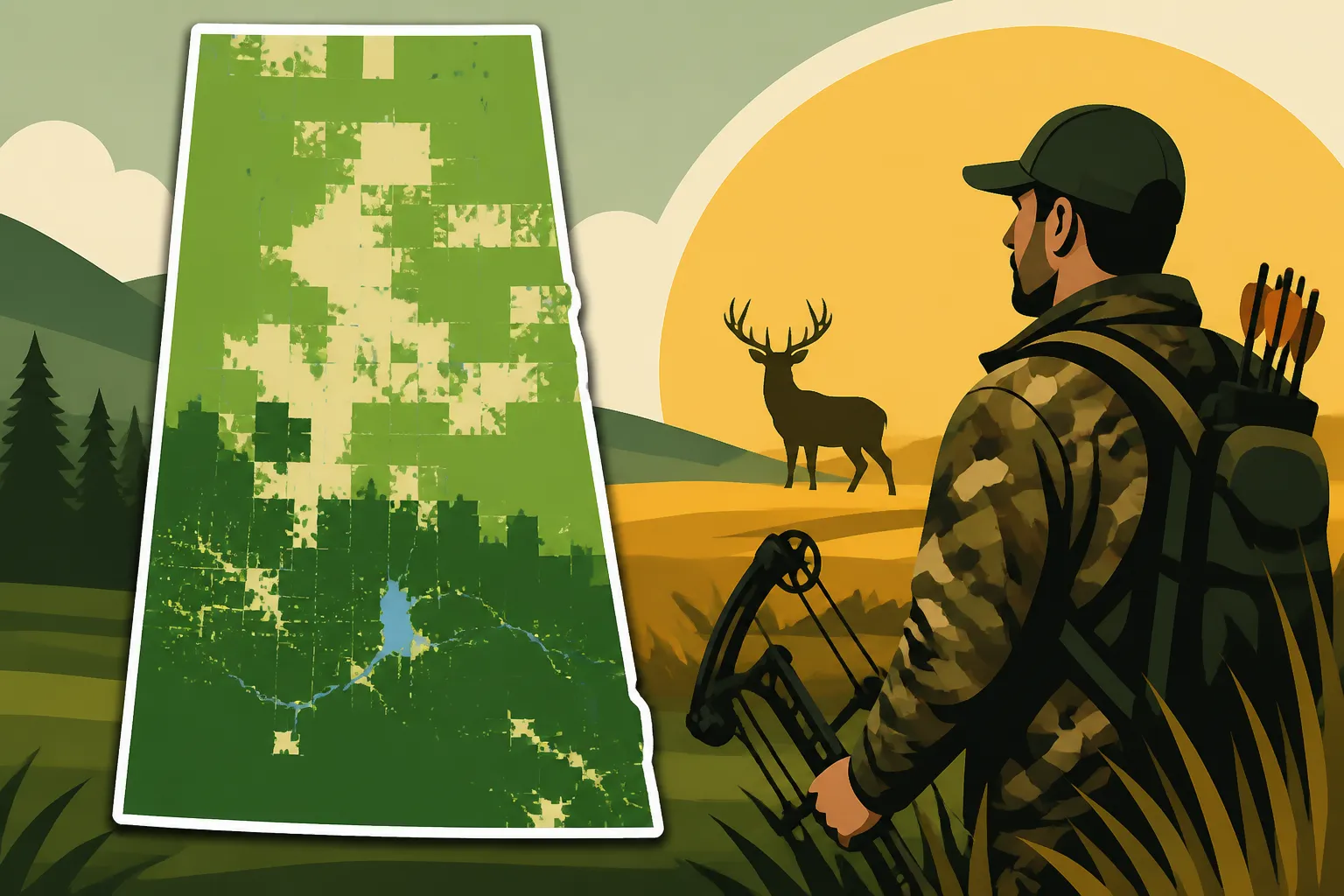
While exact figures can fluctuate with land sales and transfers, Saskatchewan possesses millions of acres of Crown land. When you look at a map of Saskatchewan, especially the northern half of the province, you'll see massive green swathes representing the provincial forests and large, undeveloped areas that are predominantly Crown land. This isn't just remote wilderness; significant portions are within accessible driving distance, sometimes even bordering agricultural zones. Think of the large blocks within the Saskatchewan's Forest Fringe or the vast stretches found in Hunting Saskatchewan's Boreal North.
Even in the more densely settled southern regions, there are countless smaller parcels. These can be quarter sections (160 acres) of bush, slough complexes, native prairie grasslands, or river valley breaks that were never privately patented. While these southern parcels might be more fragmented, they often serve as crucial wildlife corridors and pockets of cover, especially for species like whitetail deer and upland birds. The challenge isn't that there isn't Crown land, it's knowing where it is and how to effectively access these often overlooked public hunting areas.
Dispelling Myths About "No Trespassing"
One of the biggest hurdles for new hunters, or even experienced ones new to Saskatchewan, is the pervasive "No Trespassing" signage seen everywhere. It's true that most agricultural land in Saskatchewan is privately owned, and approaching it without explicit landowner permission is indeed trespassing. This leads many to assume that all land not actively farmed is also private and off-limits. This is a myth that prevents many from exploring legitimate hunting opportunities.
Crown land, by its nature, is public. Unless a specific parcel of Crown land is leased for a purpose that restricts public access (more on that below), or is otherwise posted by the government as closed to entry, it is generally open for hunting. This means that if you can confirm a parcel is provincial Crown land and it's not posted otherwise, you typically do not need to seek permission. This is a game-changer for many hunters who are tired of knocking on doors or feeling limited to expensive outfitter services. The key is proper identification and understanding Saskatchewan Trespass Law for Hunters and how it applies specifically to public versus private holdings.
Diverse Categories of Crown Land and Their Implications for Hunters
Not all Crown land is created equal when it comes to hunting access and what you might find there. Saskatchewan's public lands are diverse, ranging from pristine wilderness areas to parcels intermingled with agricultural operations. Understanding these different categories is crucial for effective scouting and ensuring you're hunting legally and ethically. Each type presents its own opportunities and challenges, influencing everything from the species you'll encounter to the type of terrain you'll navigate.
Provincial Forests and Unoccupied Crown Parcels
The most extensive areas of Crown land are found within Saskatchewan's provincial forests and larger, often remote, unoccupied Crown parcels, predominantly in the central and northern parts of the province. These areas are vast, often characterized by boreal forest, aspen parkland, muskeg, and numerous lakes and rivers. They are prime habitat for species like moose, black bear, and various furbearers, as well as forest-dwelling whitetails. Hunting Saskatchewan's Boreal Forest Fringe provides an excellent example of this type of terrain.
Access to these large blocks is generally unrestricted, though it might require a quad, side-by-side, or even a boat in some remote areas. There are often old logging roads, cutlines, and seismic trails that provide deeper access, but they can be rough, and getting stuck is always a possibility. These areas offer a true wilderness hunting experience, with fewer human pressures compared to more settled regions. Hunters must be prepared for self-sufficiency and understand the challenges of remote travel and navigation.
Crown Land Under Agricultural Lease
One of the most common and often confusing types of Crown land, particularly in southern and central Saskatchewan, is land that is owned by the Crown but leased out to private individuals, often ranchers or farmers, for agricultural purposes. These are commonly grazing leases for cattle or haying leases. The critical distinction here is that while the landowner is still the Crown, the lessee (the farmer or rancher) has certain rights, including the right to manage activities on the land.
In Saskatchewan, you generally have the right to access Crown land under agricultural lease for hunting, unless the land is posted by the lessee or manager with "No Hunting" or "No Trespassing" signs in accordance with specific regulations. Even if it's not posted, it's considered best practice and often legally required to contact the lessee for permission if the land is actively being used for grazing or cropping, especially to avoid disturbing livestock or damaging crops. This is a matter of respect and maintaining positive landowner relations, which is vital for the hunting community. Some Crown leases might have special provisions, so always check your maps carefully. For instance, Hunting a Grazing Lease Quarter often comes with nuances.
Wildlife Management Zones and FWDF Lands
Saskatchewan is divided into numerous Saskatchewan's Wildlife Management Zones (WMZs), which are areas managed for specific wildlife populations and hunting regulations. Within these WMZs, you'll find various types of land, including a significant amount of Crown land, sometimes specifically managed for wildlife. One important category here is Fish and Wildlife Development Fund (FWDF) lands. These are parcels of Crown land that have been purchased or set aside specifically for wildlife habitat and public recreational access, including hunting.
FWDF lands are typically clearly marked with distinctive signs, often featuring a white pheasant or other wildlife imagery. They are always open for hunting and require no specific permission beyond your valid hunting license. These lands are an incredible resource, often strategically located to provide critical habitat in areas where private land dominates. Similarly, many community pastures, whether provincially or federally administered, are also Crown land and offer unique hunting opportunities. For more on these, see Hunting a Saskatchewan Community Pasture. Always check the specific rules for the pasture you're interested in, as some may have restrictions during active grazing seasons.
| Type of Crown Land | Primary Location | General Access for Hunting | Key Considerations for Hunters |
|---|---|---|---|
| Provincial Forests | Central & Northern Saskatchewan | Generally unrestricted | Remote access, wilderness skills, species-specific zones. |
| Unoccupied Crown Parcels | Scattered throughout, especially north | Generally unrestricted | Often smaller, can be fragmented, may require careful mapping. |
| Crown Agricultural Leases | Southern & Central Saskatchewan | Access generally permitted unless posted or active use | Best to contact lessee, respect livestock/crops, check posting rules. |
| FWDF Lands | Scattered throughout Saskatchewan | Always open for hunting | Clearly marked, managed for wildlife, excellent public access. |
| Community Pastures | Scattered throughout Saskatchewan | Access generally permitted, check local rules. | Contact pasture manager, avoid active grazing areas, specific rules may apply. |
Navigating Access: Rules, Responsibilities, and Restrictions
While the sheer volume of Crown land in Saskatchewan offers incredible opportunities, it's not a free-for-all. Hunters have crucial responsibilities to uphold, and specific rules govern access, safety, and ethical conduct. Understanding these nuances is essential not only for staying legal but also for fostering a positive image of hunters within the broader community. Ignoring these guidelines can lead to fines, loss of hunting privileges, and damage the reputation of all hunters.
General Access Rights and Blaze Orange Requirements
The general principle is that provincial Crown land is accessible for recreational activities, including hunting, by properly licensed individuals. This is a fundamental right that hunters should cherish and protect through responsible behavior. However, certain safety requirements are universal. For instance, How Much Blaze Orange Saskatchewan Requires is a critical safety rule that applies to most big game hunting on both private and Crown land. This highly visible clothing helps ensure you're seen by other hunters, especially in dense cover.
When hunting on Crown land, you don't typically need permission, but you are expected to know the boundaries of the land you're on. There's no invisible fence telling you when you've crossed from Crown into private. This is where good navigation tools and maps become invaluable. Always assume that land is private unless you can confirm it is Crown. The burden of proof is on the hunter to know where they are.
Respecting Boundaries and Posted Lands
Even with the right to access Crown land, hunters must be diligent about respecting adjacent private property. This means knowing exactly where Crown land ends and private land begins. Shooting onto private land from Crown land without permission is illegal, as is retrieving game that has fallen on private land without first obtaining permission. These are not minor infractions; they are serious trespass violations.
Furthermore, certain Crown lands, particularly those under agricultural lease, might be legally posted by the lessee. If you encounter "No Hunting" or "No Trespassing" signs on what you believe to be Crown land, it's always best to err on the side of caution. Investigate why it's posted. It might be due to specific lease conditions, active farming operations, or safety concerns like livestock. While Crown land usually means open access, legitimate posting by a lessee in accordance with Saskatchewan Posted Land Sign Rules must be respected. Always verify if the land is indeed Crown, and if so, what restrictions are in place before proceeding.
Vehicle Use and Camping Regulations on Crown Land
Accessing remote Crown land often involves the use of vehicles, particularly ATVs or UTVs. While these can be invaluable for reaching distant hunting areas and recovering game, Vehicle Rules on Saskatchewan Crown Land are specific. Generally, vehicles are permitted on existing trails and roads but off-road travel that causes damage is often prohibited. This protects sensitive ecosystems and prevents the creation of new, unofficial trails that can lead to erosion and habitat degradation. Always use common sense and tread lightly.
For extended hunts, camping on Crown land is often an option. Camping Rules on Saskatchewan Crown Land typically allow for primitive camping, but hunters should be aware of fire bans, leave-no-trace principles, and regulations regarding structures or long-term camps. Pack out everything you pack in, minimize your impact, and leave your campsite cleaner than you found it. This ensures that these public lands remain pristine and accessible for future generations of hunters and outdoor enthusiasts. Some areas might have specific regulations regarding temporary structures or extended stays, so checking with the local Ministry of Environment office for the specific WMZ is always a good idea.
Tools for Identifying and Utilizing Crown Land
The biggest challenge with hunting Saskatchewan's Crown land isn't a lack of opportunity, but often the difficulty in simply finding it. Unlike the easily identifiable boundaries of a farmer's field, Crown land can be intermingled, fragmented, and sometimes blend seamlessly with private property. Thankfully, modern technology and readily available resources have made identifying these public hunting grounds more accessible than ever before. Equipping yourself with the right tools is paramount to effective and legal hunting.
Leveraging Digital Mapping Resources
In today's hunting world, digital mapping applications are absolutely indispensable, especially when trying to pinpoint Crown land. Platforms like onX Hunt and GoHunt have revolutionized how hunters scout and navigate. These apps provide detailed satellite imagery overlaid with property ownership boundaries, allowing you to clearly see what is private and what is publicly owned Crown land, often color-coded for easy identification.
Using an app like onX Hunt, you can zoom in on specific areas, identify potential hunting hot spots, mark waypoints, and most importantly, confirm land ownership in real-time right from your phone. This means no more guessing whether that bush bluff on the horizon is private or public. You can plan your approach, understand the topography, and verify your location as you move. This technology is a game-changer for navigating the often-complex mosaic of land ownership in Saskatchewan, helping you avoid accidental trespass and focus your efforts on accessible ground. Reading Saskatchewan Crown Land Layers on onX is a skill every modern hunter should develop.
Understanding WMZ Maps and Land Titles
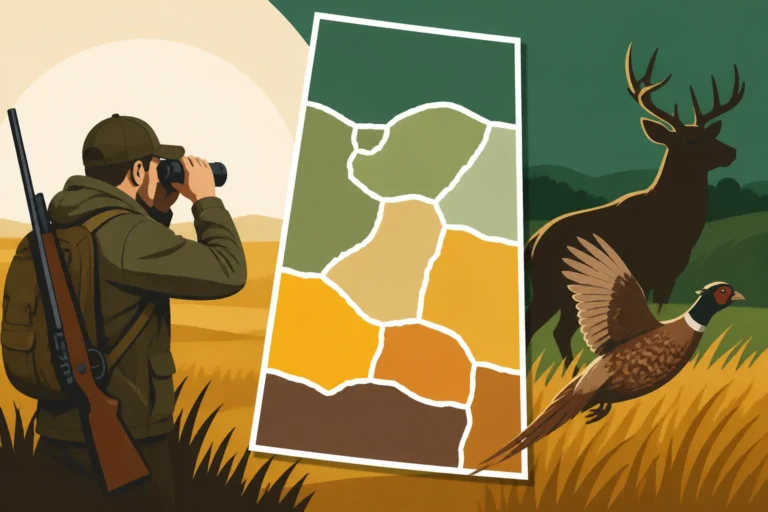
While digital apps are fantastic, they are built upon foundational data provided by government agencies. Understanding official Wildlife Management Zone (WMZ) maps and the principles of land titles can give you a deeper appreciation and cross-reference for your digital tools. WMZ maps, available from the Saskatchewan Ministry of Environment, outline the boundaries of each zone and often indicate large tracts of provincial forest or other major Crown land holdings. They are crucial for understanding which regulations apply to a specific area and species. Finding a Saskatchewan Zone Map is a key step in pre-season planning.
For more granular detail, particularly in settled areas, understanding how land is surveyed into sections, townships, and ranges can help. Crown land parcels often correspond to specific legal subdivisions or quarter sections that were never patented. While you won't be looking up land titles on the fly, knowing that Crown land isn't always vast, unbroken wilderness, but can exist as smaller, scattered parcels of Hunting a Saskatchewan Quarter Section, helps inform your search. These detailed government maps, combined with digital overlays, paint the clearest picture of where you can and cannot hunt.
The Value of Local Knowledge and Scouting
No amount of digital mapping can entirely replace boots-on-the-ground scouting and the invaluable insights of local knowledge. Crown land, especially smaller parcels, can be heavily pressured if it's easily accessible and well-known. A local farmer or an experienced hunter might point you to an overlooked bush bluff on Crown land that you wouldn't have found otherwise. Knocking on Doors in Saskatchewan Farm Country, even if just to ask about Crown land access or nearby opportunities, can open doors you didn't know existed.
Scouting involves physically exploring the Crown land identified on your maps. Look for game trails, bedding areas, food sources, and water. Assess the terrain, vegetation, and signs of other hunters. Some Crown parcels might be perfect, others might be too thick, too swampy, or simply lack game sign. A combination of digital tools, official maps, and diligent physical scouting, augmented by respectful conversations with locals, forms the most comprehensive approach to effectively utilizing Saskatchewan's Crown land. This holistic approach helps you develop a nuanced understanding of the landscape and its wildlife, which is far more valuable than simply pointing at a green patch on a screen.
Maximizing Your Hunting Success on Saskatchewan's Public Lands
Just because land is open to the public doesn't mean success is guaranteed. Crown land, particularly the more accessible parcels, can see significant hunting pressure, requiring different strategies than hunting private, unpressured ground. To truly leverage Saskatchewan's public land opportunities, you need to think strategically, be prepared to work harder, and always maintain an ethical mindset. It's about more than just finding the land; it's about hunting it smart.
Strategizing for Pressured and Unpressured Areas
Accessible Crown land, especially near population centers or main roads, often receives considerable hunting pressure. Animals here become much warier, moving mostly at night or holding tight in the thickest cover. To succeed, you might need to adapt your tactics. This could mean Sitting All Day in a Saskatchewan Blind during the rut, hunting deeper into rougher terrain where others won't go, or focusing on times when pressure is lowest, like weekdays or during inclement weather. Consider walking an extra mile or two, even if it feels daunting, as it often leads to areas less disturbed by other hunters.
Conversely, vast tracts of northern provincial forest or remote river valleys represent largely unpressured Crown land. Here, the challenge shifts from avoiding other hunters to self-sufficiency and navigating true wilderness. Scouting With Satellite Imagery in Saskatchewan can help identify remote access points, old burn areas, or isolated pockets of habitat that receive minimal human disturbance. These areas often hold older, less pressured animals, but they demand a higher level of preparedness and wilderness skills.
Combining Crown Land with Adjacent Private Access
Sometimes the most effective strategy involves a blend of public and private land. Crown land, especially smaller parcels, can act as crucial staging areas, bedding cover, or travel corridors for game moving between private fields. For example, a willow run or Hunting a Bluff on a Crown Quarter might provide excellent cover on public ground, while adjacent private fields offer prime feeding opportunities.
In these scenarios, obtaining permission from the adjacent landowner for retrieval or even setting up an observation point on their property can greatly enhance your chances. It demonstrates respect and can turn a limited Crown parcel into part of a much larger, more effective hunting area. Many landowners are more amenable to granting permission if they know you're responsibly hunting nearby Crown land and respecting their boundaries. Think of Crown land as a core asset, and private access as a way to expand your tactical footprint, always ensuring you have clear permission for anything on private property. Getting Permission for a Goose Field is a good example of how private land access can greatly enhance a hunt that might start on public land.
Ethical Considerations and Leave No Trace Principles
Hunting on Crown land is a privilege, not just a right. Upholding ethical hunting practices and adhering to leave-no-trace principles ensures these lands remain accessible and healthy for everyone. This includes responsible waste disposal – pack out absolutely everything you pack in, including spent shell casings, food wrappers, and any other garbage. Leave no trace of your presence behind.
Beyond litter, it means being considerate of other users, whether they are other hunters, hikers, or recreationalists. Respect their space and enjoyment of the outdoors. Ethical shot selection, diligent tracking of wounded animals, and proper meat care are also paramount. Even on public land, respecting wildlife, the environment, and fellow outdoor enthusiasts is critical. If we want future generations to enjoy the vast opportunities Saskatchewan's Crown land provides, we must all be stewards of these precious resources.
Disclaimer
This article is for general informational purposes only and does not constitute professional advice. Laws, prices and regulations vary by location and change over time. Consult a qualified professional for guidance on your specific situation.