Saskatchewan Zones Reachable Only by Boat
There's a unique draw to venturing beyond the beaten path in Saskatchewan, to those places where the hum of truck tires fades into the distant memory and the only way in or out is by water. For many hunters, the thought of trying to access these remote zones can be a significant hurdle, conjuring images of logistical nightmares or specialized equipment. This guide is designed to peel back the mystery, offering practical insights and detailed advice for planning and executing a successful hunting trip into Saskatchewan's boat-only accessible territories, helping you tackle the challenges and unlock the incredible opportunities these wild places hold.
Understanding Saskatchewan's Remote Water-Access Zones
When we talk about "boat-only" hunting zones in Saskatchewan, we're not just talking about crossing a small creek. We're referring to vast stretches of land, often Crown land or areas managed by the Fish and Wildlife Development Fund (FWDF), that are truly isolated from road networks. These areas are typically characterized by dense boreal forest, numerous lakes and rivers, and extensive wetlands, making vehicle access impossible or highly restricted. The natural barriers of water are what preserve their wild character and limit human pressure.
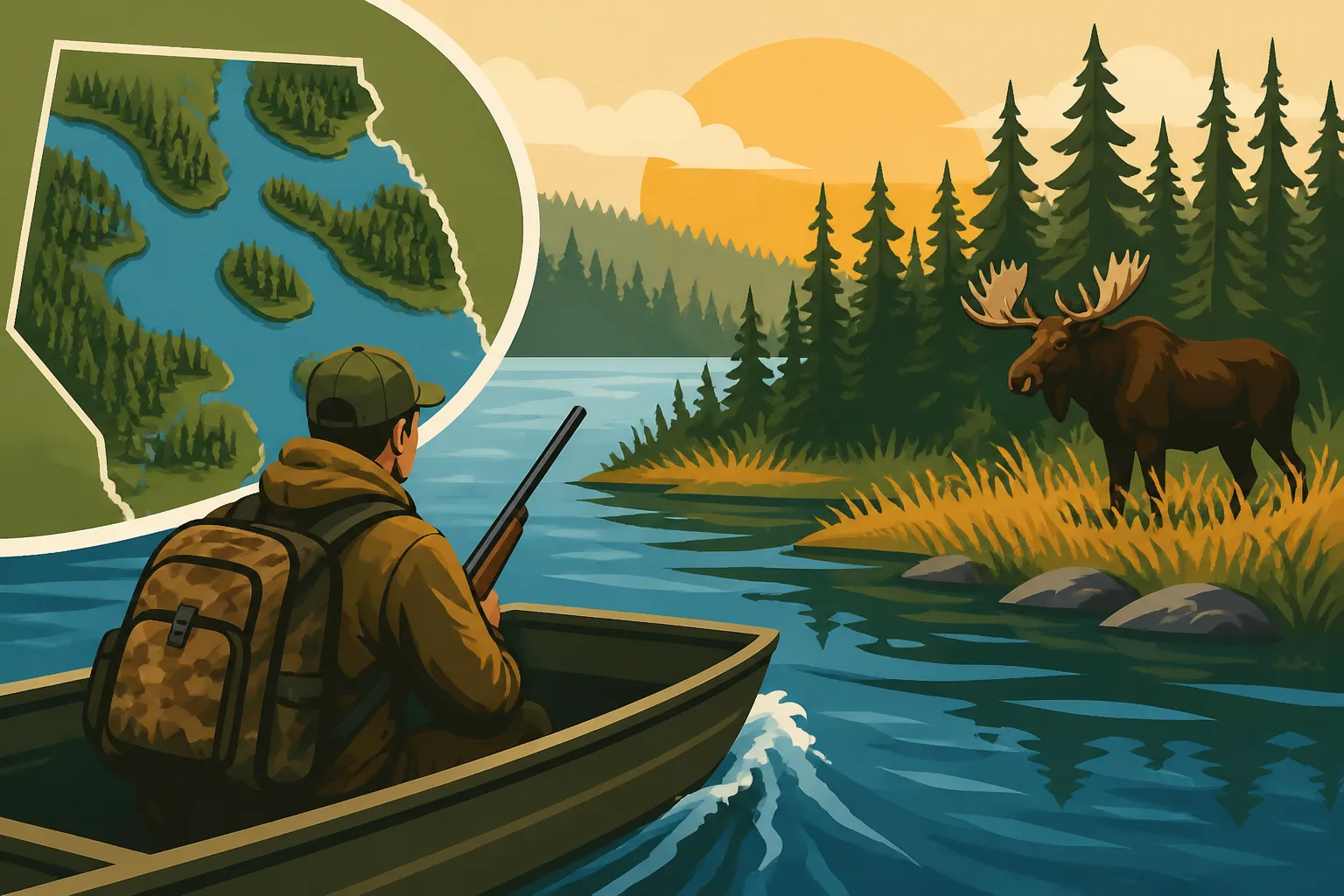
These aren't necessarily designated "boat-only" zones on a map, but rather, they are areas whose geographical reality dictates water access as the primary or sole means of entry for hunting purposes. Imagine looking at a detailed map, perhaps using an application like onX Hunt, and seeing vast stretches of green (Crown land) or specific FWDF parcels that are completely surrounded by water or are nestled deep within a labyrinth of interconnected lakes and rivers without a single road leading to them. This could mean navigating large, windswept lakes with substantial boat requirements, or threading a smaller craft through winding river systems and chains of potholes. Understanding the specific type of waterway—whether it's a major river like the Churchill, one of the massive northern lakes such as Reindeer Lake or Lake Athabasca, or a series of smaller, interconnected lakes and beaver flows—is critical. Each presents its own challenges and demands different boating skills and equipment. For instance, a small canoe might be perfect for a quiet river system, while the vastness and unpredictable weather of a large lake demand a much more substantial, seaworthy craft. The inaccessibility is precisely what makes these areas so appealing, but it also necessitates thorough preparation and a healthy respect for the wilderness.
Why Venture Into Boat-Only Hunting Territories?
The allure of hunting in Saskatchewan's boat-only accessible zones is powerful, drawing hunters seeking a truly wild and challenging experience. The primary motivation for many is the promise of reduced hunting pressure and the potential for encountering less disturbed, older-age-class animals. In areas that can only be reached by water, you're far less likely to run into other hunters, especially those who prefer easier road or ATV access. This solitude creates an entirely different hunting atmosphere – one where the wilderness truly feels untamed and you feel a deeper connection to the landscape.
Think about the sheer size of the boreal forest and the northern lake country; these regions are remote, rugged, and hold robust populations of big game. Moose Hunting Saskatchewan's Farmland and Forest highlights how moose thrive in diverse habitats, and in these remote northern areas, they often reach impressive sizes due to less human disturbance and abundant forage. Similarly, Black Bear Hunting in Saskatchewan becomes an even more immersive experience when you're setting up camp deep within a pristine forest block, far from any road. The animals in these regions are often less wary, having had fewer encounters with hunters, which can lead to more natural behaviors and, potentially, better hunting opportunities. Beyond the game, these hunts offer an unparalleled wilderness adventure. You're not just hunting; you're exploring, navigating, and living off the land in a way that truly tests your skills and self-reliance. It's about disconnecting from the everyday and fully immersing yourself in the wild. The memories forged on such a trip, whether it's successfully harvesting an animal or simply experiencing the breathtaking solitude of the northern wilderness, are often among a hunter's most cherished. It’s an opportunity to truly see Saskatchewan's Moose Population Trend in its wildest form, or witness Colour Phase Black Bears in Northern Black Bears in their natural habitat, undisturbed.
Essential Planning and Gear for Your Boat-Access Hunt
Embarking on a boat-only hunting trip in Saskatchewan demands meticulous planning and the right gear. This isn't a spur-of-the-moment decision; it's an expedition. Your choice of boat is paramount and will largely depend on the specific waterways you plan to navigate. A stable, reliable craft is non-negotiable, especially on larger lakes where weather can change in an instant.
| Boat Type | Ideal Waterways | Pros | Cons | Key Considerations |
|---|---|---|---|---|
| Canoe | Small rivers, narrow lakes, calm conditions | Lightweight, quiet, fuel-efficient (paddles) | Limited capacity, vulnerable to wind/waves, slow | Good for stealth, requires portaging skills, pack light |
| Aluminum (small) | Medium lakes, larger rivers, some rapids | More stable, greater capacity, takes small motor | Still weather-dependent, can be noisy, moderate speed | Check horsepower limits for area, durable |
| Jon Boat | Shallow rivers, calm sloughs | Stable platform, shallow draft | Not designed for rough water, open design | Flat bottom is great for shallow areas, limited comfort |
| Jet Boat | Shallow, rocky rivers | Navigates rapids and shallow areas easily | High fuel consumption, specialized skills required | Excellent for remote river access, expensive |
| Larger Lake Boat | Big lakes, unpredictable weather | High capacity, stable, powerful motor | Heavy, requires trailer, expensive to run | Essential for large water bodies, prioritize safety |
Beyond the boat itself, think about navigation. GPS devices are essential, and modern mapping apps like onX Hunt are game-changers. You can download offline maps before you leave cell service, allowing you to track your position, mark waypoints, and identify Crown land boundaries, ensuring you're always aware of where you are and where you can legally hunt. Combine this with traditional paper maps and a compass as a backup – batteries die, and electronics fail. Reading Saskatchewan Crown Land Layers on onX is a fantastic way to pre-scout these areas from your couch.
Safety is another massive consideration. Water safety gear is mandated by law – personal flotation devices (PFDs) for everyone on board, a sound-signaling device, a bailer, a throw rope, and navigation lights if operating after sunset or in restricted visibility. But go beyond the minimum. Pack a satellite communication device (like a Garmin inReach or a Zoleo) for emergency communication, as cell service will be nonexistent in many of these remote zones. A comprehensive first-aid kit is non-negotiable, and knowing basic wilderness first aid could be a lifesaver. Given that many of these hunts occur in the fall, Hunting Saskatchewan Winter Weather Safely is a must-read, as temperatures can drop quickly, and hypothermia is a real threat, especially if you get wet. Packing extra warm, waterproof layers is crucial.
Logistics for these trips also involve careful thought about food, water, and shelter. You'll likely be Camping on Saskatchewan Crown Land, so robust, weather-appropriate tents and sleeping bags are essential. Consider a portable water filter or purification tablets. When it comes to meat care, especially for larger animals like moose, extracting an animal from a boat-only zone is a monumental task. You'll need game bags, a good knife kit, and a solid plan for quartering and cooling the meat quickly, particularly if temperatures are warm. Meat Care in Saskatchewan's Cold Snaps provides excellent advice on preserving your harvest in challenging conditions. The remoteness means you might need to transport quarters over multiple boat trips, so thinking through how to keep that meat clean and cool is critical. For instance, some hunters use insulated tarps or even coolers with ice if they can manage the weight and logistics. Don't forget a comprehensive tool kit for your boat and motor, spare parts, and enough fuel for your entire trip plus a generous reserve. A minor mechanical issue can quickly become a major survival situation if you're stranded miles from anywhere.
Navigating Specific Boat-Access Regions and Their Challenges
Saskatchewan offers diverse boat-only hunting opportunities, each with its own unique challenges and rewards. The northern reaches of the province, often referred to as Hunting Saskatchewan's Boreal North, are replete with vast lake systems and intricate river networks. This region is prime for moose and bear, but it demands serious boating prowess. Lakes like Reindeer, Wollaston, or Amisk can develop ocean-like conditions with strong winds, making small craft extremely dangerous. Here, a larger, more stable boat is necessary, and checking marine weather forecasts, if available, is paramount. River systems, while often calmer, present hazards like rapids, submerged rocks, and fluctuating water levels. Jet boats are often favored for their ability to navigate shallow, rocky sections, but they require skilled operators. Planning your route, understanding portage options, and having a satellite communication device are absolutely essential in these remote areas. Hunting Saskatchewan's Northern Lake Country expands on the specific challenges and rewards of these environments.
Further south, in the aspen parkland and even certain prairie regions, large, deep river valleys like the Saskatchewan River system or the Qu'Appelle River Valley can offer pockets of isolated land accessible only by boat. These river breaks are often magnets for deer, especially Hunting a Saskatchewan River Valley where whitetails find refuge and ample cover. While not as vast as the northern lakes, these rivers can have strong currents, logjams, and shifting sandbars, requiring a different set of boating skills. Accessing these areas often means launching from a public boat launch and then navigating upstream or downstream to a remote section. Scouting tools like GoHunt, which can layer different types of public land, or onX Hunt, can help identify potential landing spots and remote bluffs or islands that might hold game. You might find areas like Hunting a Beaver Dam Crossing that offer specific opportunities but also require careful navigation around obstructions.
When planning for any of these boat-only zones, consider the time of year. Early season hunts in September might mean warmer water, but also more bugs and potentially more active bears. Late season hunts in November or December can bring freezing temperatures, icy conditions, and the risk of hypothermia if you go overboard. Getting a Deer Out on a Frozen Trail or Getting a Moose Out With a Quad (if you happen to have one on shore after a boat drop-off) can be exceptionally challenging in deep snow or ice. Factor in daylight hours, as navigating unfamiliar waterways in the dark adds significant risk. Always inform someone reliable of your exact travel plans and expected return, including your route and approximate locations. Over-planning is always better than under-planning when venturing into these truly wild and remote Saskatchewan hunting grounds.
Disclaimer
This article is for general informational purposes only and does not constitute professional advice. Laws, prices and regulations vary by location and change over time. Consult a qualified professional for guidance on your specific situation.