Hunting Saskatchewan’s Sandhill Cranes
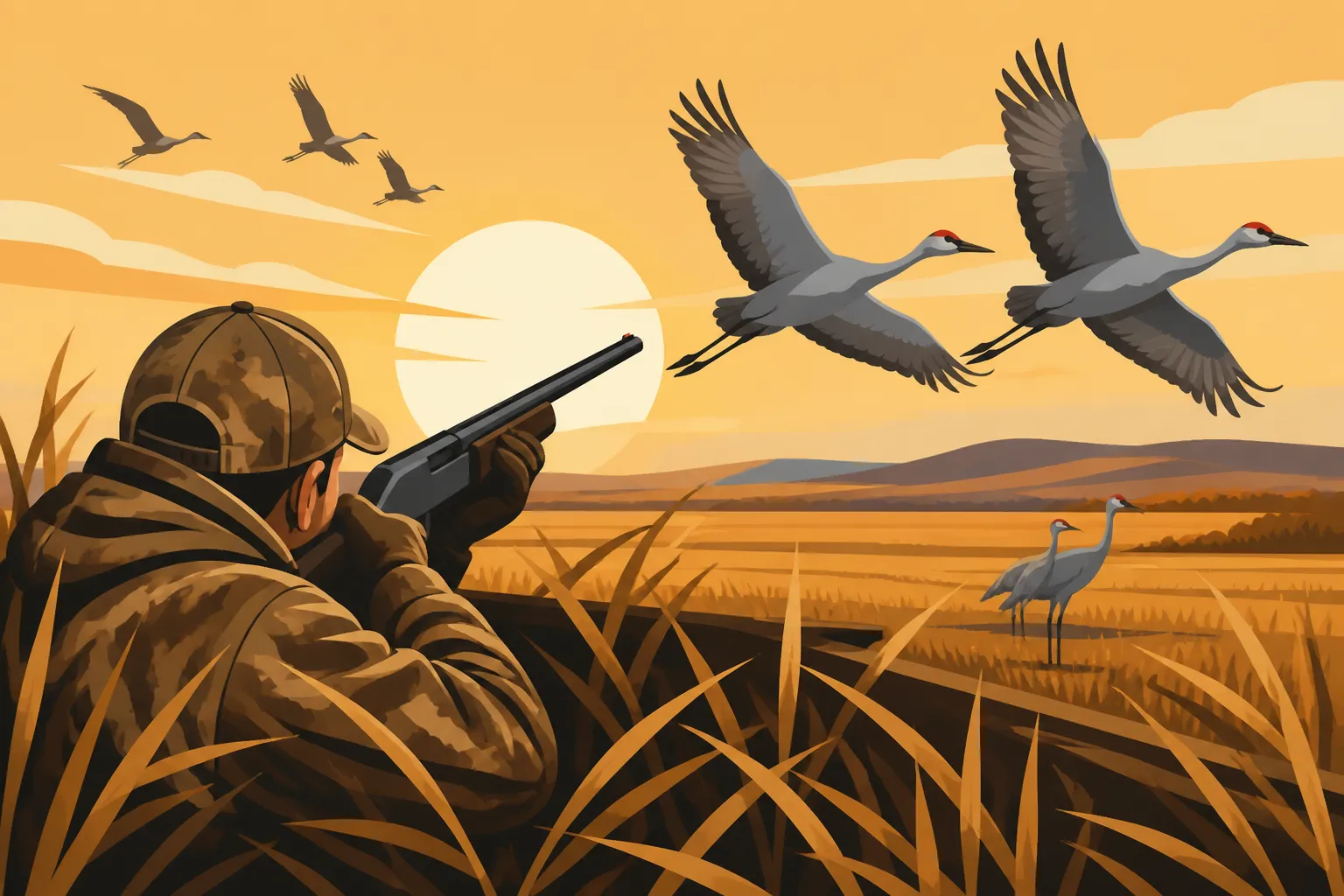
The sight and sound of sandhill cranes, with their majestic wingspan and prehistoric calls, can truly captivate anyone who spends time outdoors in Saskatchewan. But as beautiful as they are, trying to decoy these incredibly wary birds often feels like trying to outsmart a seasoned detective. Their legendary eyesight and cautious nature can make connecting with the "ribeye of the sky" an exasperating challenge, leaving many hunters frustrated. This comprehensive guide will arm you with the knowledge and tactics you need to successfully hunt sandhill cranes across Saskatchewan's vast and productive landscapes.
Understanding Sandhill Cranes in Saskatchewan
Saskatchewan is a pivotal staging ground for sandhill cranes during their annual migration, making it a prime location for hunters. However, to consistently put these magnificent birds in your bag, you first need to understand their natural habits, preferences, and the unique challenges they present. They’re not your average duck or goose, and treating them as such will likely lead to an empty freezer.
Their Migration Patterns and Timing
Sandhill cranes undertake impressive migrations, with many birds breeding in the northern reaches of Canada, Alaska, and even Siberia, before heading south for the winter. Saskatchewan sits squarely in the path of the Central Flyway, making it a critical stopover point where they rest and refuel before continuing their journey. You’ll typically start to see the vanguard of their migration arriving in late August, with numbers building significantly through September and into early October. The peak can vary from year to year, influenced heavily by weather patterns, particularly early cold fronts in the north that push birds south.
When these birds hit Saskatchewan, they often concentrate in large numbers, sometimes tens of thousands strong, in specific staging areas. These areas offer the ideal combination of abundant food and safe roosting sites. They'll spend weeks, sometimes even a month or more, building up their energy reserves before the final push to their wintering grounds in the southern United States and Mexico. Paying attention to long-range weather forecasts and reports from northern regions can give you a significant advantage in predicting when the main flights will arrive and where they might concentrate first.
Preferred Habitats and Food Sources
Unlike many waterfowl that rely heavily on potholes and wetlands for feeding, sandhill cranes are predominantly field feeders once they arrive in Saskatchewan. They have a particular fondness for waste grains left in agricultural fields after harvest. You'll often find them gleaning pea, lentil, wheat, barley, and increasingly, corn stubble. They are meticulous eaters, methodically walking through fields, picking up any spilled kernels or pulses. The availability and type of these harvested fields will heavily influence where cranes choose to feed in any given year. A season with a bumper pea or lentil crop, or where fields were swathed and harvested efficiently, might see cranes concentrated in different areas than a year where wheat was the dominant crop.
Beyond feeding fields, proximity to suitable roosting sites is paramount. Sandhill cranes prefer large, shallow bodies of water for roosting, often remote sloughs, large prairie lakes, or riverine habitats. These watery havens provide safety from ground predators overnight. They’ll fly miles, sometimes up to 20 or even 30 miles, between their roosting sites and their preferred feeding grounds, often making the same flights day after day. This daily pattern is a crucial piece of the puzzle for hunters. Understanding these daily movements and the type of landscape they prefer is key to Scouting Fields for Saskatchewan Waterfowl.
The "Ribeye of the Sky" Reputation and Hunting Challenges
If you’ve never tasted sandhill crane, you’re in for a treat. Their dark red meat is incredibly rich, often compared to beef ribeye or venison, hence the moniker "ribeye of the sky." It's a culinary experience that elevates them beyond many other migratory game birds, making the challenging hunt all the more rewarding. However, earning that delicious reward requires overcoming their legendary wariness.
Sandhill cranes possess eyesight that is nothing short of phenomenal. They can spot even the slightest movement or unnatural object from incredible distances, often circling hundreds of feet in the air, studying the spread below. This makes concealment absolutely critical, far more so than for most ducks or even many goose species. Their keen sense of hearing is also a factor; a loud whisper or a rustle of gear can send them flaring. This combination of sharp senses and inherent caution means they are very reluctant to commit to a decoy spread if anything feels amiss. The frustration of watching a massive flock circle overhead, just out of range, for what feels like an eternity, is a rite of passage for every crane hunter. It’s a game of wits, patience, and near-perfect execution to convince them your setup is safe.
Essential Gear and Setup for Crane Hunting
Hunting sandhill cranes is a specialized pursuit that demands specific gear and a meticulous approach to your setup. You can't just throw out a few goose decoys and expect success; these birds are too smart and too wary for that. Investing in the right tools and knowing how to use them effectively will dramatically increase your chances of success.
Decoy Strategies and Spreads
Decoys are absolutely paramount when hunting sandhill cranes, and realism is key. Cranes are incredibly discerning, and a few beat-up goose shells just won’t cut it. You'll want to invest in high-quality, full-body sandhill crane decoys. The more realistic they look, the better your odds. Many hunters find that a spread of two to three dozen decoys is a good starting point, but don't be afraid to go larger if you have the resources. Cranes often gather in substantial numbers in feeding fields, and a bigger, more convincing spread can draw them in from further away. When you’re looking to purchase specialized gear like this, resources like GoHunt can be invaluable for finding reputable suppliers and reviewing product options.
When setting your spread, think natural. Cranes feed in loose family groups, not tight clusters. Space your decoys out, leaving plenty of landing room in the middle – often referred to as the "kill hole." Position your blinds downwind of this landing zone, so incoming birds land facing into the wind, presenting easier shots. Some hunters incorporate flags or even custom-made motion decoys, but be cautious not to overdo it; unnatural movement can spook them just as quickly as a shiny object. The goal is to mimic a contented, feeding flock, not a circus.
| Decoy Type | Description | Pros | Cons |
|---|---|---|---|
| Full-Body | 3D, life-size replicas on stakes. | Most realistic, excellent visibility. | Expensive, bulky to transport, heavier. |
| Silhouettes | Flat, 2D crane profiles, typically plastic or metal. | Affordable, lightweight, easy to transport. | Less realistic at close range, can look unnatural from certain angles. |
| Shells | Hollow plastic bodies, often stackable, with stake bases. | Mid-range cost, lighter than full-bodies, stackable. | Can appear less realistic than full-bodies, especially from above. |
| Flags | Fabric "wings" on a stick, manually operated. | Adds motion, can attract attention from far off. | Requires constant manual effort, can look unnatural if overused. |
Shotgun and Ammunition Choices
When it comes to firearms, a 12-gauge shotgun is typically the workhorse for sandhill crane hunting, though a 20-gauge can also be effective with the right loads and shooter proficiency. The sheer size of a sandhill crane means you need good knockdown power. I recommend using a modified or improved modified choke to balance pattern density with spread, offering a good chance of hitting vital areas while allowing for some margin of error. However, if cranes are circling high and you’re forced to take longer shots, a full choke might be necessary. It’s critical to pattern your shotgun with your chosen ammunition before the hunt to understand its effective range.
For ammunition, non-toxic shot is a federal requirement for all migratory bird hunting in Canada, including sandhill cranes. This is not optional, and conservation officers enforce it strictly. Common non-toxic options include steel, bismuth, and tungsten-iron alloys. Given the size and toughness of cranes, larger shot sizes like BB, #1, or #2 steel shot are generally recommended. If you're using bismuth or tungsten, you might be able to drop a size or two due to their increased density and energy transfer. Always prioritize shells with good velocity and larger pellet counts for the best patterns. Understanding the implications of Non-Toxic Shot for Saskatchewan Waterfowl is crucial.
Blinds and Concealment Techniques
This is arguably the most critical component of crane hunting success, even more so than decoys. Sandhill cranes have a reputation for being able to spot a hunter from distances that would make an eagle blush. Therefore, your concealment must be absolute. Layout blinds are the gold standard for crane hunting. They allow you to lie flat in the field, blending seamlessly into the stubble, and spring up quickly for the shot. Ensure your layout blind is brushed in meticulously with local vegetation – straw, stubble, weeds, whatever matches the field you're hunting. Don’t just rely on the factory camouflage pattern; it's rarely enough.
If layout blinds aren't an option, A-frame blinds or natural cover can work, but they demand even more attention to detail. Hay bales, fence lines, or even large clumps of standing stubble can be used, but you must ensure you have a solid backdrop and that no part of your silhouette is visible against the sky. Face masks and gloves are not optional; any exposed skin will shine and instantly put wary birds on alert. Think of it this way: if you can spot yourself from 100 yards, a sandhill crane will spot you from 500 yards. Taking the extra time to achieve perfect concealment will pay dividends when those birds finally decide to commit.
Scouting and Field Selection
Successful crane hunting begins long before you set out your first decoy. It starts with diligent scouting and careful field selection, which often feels more like detective work than traditional hunting. Cranes are creatures of habit, but those habits can change, making ongoing scouting essential throughout the season.
Identifying Active Feeding Fields
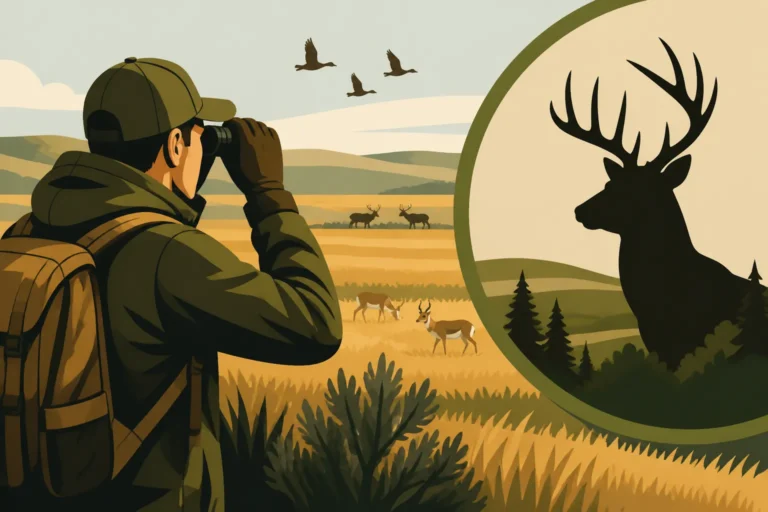
The core of successful crane hunting lies in finding where the birds want to be, not trying to force them to be where you want them. This means extensive glassing. Start by observing from a distance, using good binoculars or a spotting scope, even miles away, to locate flocks of feeding cranes. Pay attention to fields with low stubble, especially pea, lentil, or swathed grain fields, as these offer easy access to waste grain. Once you spot a flock, watch them for a while. Are they feeding actively? Are they comfortable? Do they seem to be returning to the same spot day after day?
Active feeding fields will show signs beyond just the birds themselves. Look for tracks, droppings, and disturbed stubble where they’ve been walking and eating. Sometimes you’ll see large, well-used flight paths worn into the stubble. Morning flights usually go directly from the roost to the feeding field, while evening flights might linger in a field, topping up before heading back to the roost. Using modern mapping applications, like those available through GoHunt or other detailed satellite imagery tools, can help you identify potential food sources, locate remote water bodies that could serve as roosts, and even chart potential flight paths, saving you countless miles of driving. The effort put into thorough scouting for Hunting Saskatchewan's Sandhill Cranes is never wasted.
Gaining Landowner Permission
In Saskatchewan, nearly all productive agricultural land is privately owned. This means that gaining explicit landowner permission is not just good etiquette, it's the law. Never assume access. The best approach is to knock on doors well in advance of the season, introduce yourself, and respectfully ask if you can hunt their land. Be prepared to show your license and offer to help with any tasks they might need assistance with. Building a relationship with landowners is infinitely more valuable than a one-off request.
Many hunters find the "posted" signs on farm fields frustrating, but these signs are there for a reason, often due to past negative experiences. Respect them. If you see a posted sign, it means no entry without permission. Even if a field isn't posted, always seek permission. A little politeness goes a long way. Offering to share some of your harvested game can also be a goodwill gesture. Remember, you are a guest on their land, and your actions reflect on all hunters. Ignoring these rules can lead to significant penalties under Saskatchewan's Trespass Law for Hunters.
Reading Crane Flight Paths
Once you've identified a promising feeding field and secured permission, the next step is to observe the birds' flight patterns. Cranes are creatures of habit and will often follow the same routes from their roost to their feeding grounds, day after day. Spend time before your hunt, watching from a distance, to see how they approach the field. Do they come in low over a specific tree line? Do they follow a coulee? Does the wind dictate a particular approach angle?
Understanding these flight paths is crucial for optimal decoy and blind placement. You want your setup to be directly under or along their natural line of travel. This minimizes the amount of deviation they have to make and increases the chances they’ll spot your spread and commit. Pay particular attention to how they use the wind. Cranes, like all large birds, prefer to land and take off into the wind. This will dictate where they attempt to touch down in your spread. Observing these details during scouting, even spending a full morning or evening just watching, will give you invaluable insights into how to set your spread for maximum effectiveness. This is similar to the detailed scouting required for Field Hunting Geese in Saskatchewan Stubble, just with an even warier bird.
Effective Hunting Strategies and Tactics
With your scouting done and gear meticulously prepared, it's time to put your strategy into action. Crane hunting demands patience, precision, and an understanding of how to read these intelligent birds. It’s often a slow burn, but the payoff is exhilarating.
Calling Techniques
The bugle of a sandhill crane is one of the most distinctive and wild sounds of the prairie. Learning to replicate it effectively is a powerful tool in your crane hunting arsenal. There are various crane calls on the market, but practice is what makes the difference. Listen to recordings of real cranes, and if possible, spend time observing them in the field to mimic their vocalizations. Cranes use different calls for different situations: a soft chuckle while feeding, a long bugle to communicate over distance, or a series of clucks and groans as they prepare to land.
Don't overcall. Like many wary birds, too much aggressive calling can spook them. Start with soft, inviting feeding calls, and if birds are distant, you might use a longer bugle to get their attention. As they get closer, switch back to softer, reassuring calls to draw them in. Watch their reactions carefully; if they respond positively, keep calling. If they seem hesitant or start to veer off, sometimes going quiet for a moment can pique their curiosity and bring them back. It's a nuanced dance, and experience will be your best teacher.
Setting Up for the Shot
Your setup is everything. As mentioned, your blinds should be downwind of your decoy spread, ensuring incoming birds will land facing you, ideally presenting broadside or slightly quartering-away shots. Ensure you have clear shooting lanes, free of tall stubble or obstacles that could obstruct your swing. Once in the blind, absolute stillness is paramount. Any fidgeting, talking, or peeking out of the blind will be instantly detected.
When a flock approaches, communicate with your hunting partners using hand signals or very soft whispers. Designate a shooter to call the shot, ensuring everyone is ready and targeting separate birds for maximum efficiency. Let the birds commit. It's tempting to jump up and shoot as soon as they're in range, but with cranes, patience is rewarded. Wait until they have their feet down, wings set, and are fully committed to landing in your decoys. This not only increases your chances of a clean kill but also makes for a far more satisfying experience. Remember, sometimes they’ll circle multiple times, testing your patience, before they finally drop their landing gear.
Ethical Shooting and Retrieval
Once the shot is called, aim for the head, neck, or breast. These areas offer the best chance for a clean, ethical kill. Shoot within your effective range; a wounded crane is a lost crane. Do not take Hail Mary shots at birds that are too high or too far out. It's better to let them pass and wait for another opportunity than to risk crippling a bird. The unique size and flight patterns of sandhill cranes make clean shooting all the more critical.
Upon shooting, immediately mark where the bird falls. Cranes can glide a considerable distance even after being hit, and their camouflage can make them surprisingly difficult to find in dense stubble. Retrieve downed birds swiftly to prevent any suffering and to ensure the meat is properly cared for. If you have a trained hunting dog, this is where they truly shine, especially if you’re Using a Flushing Dog in Thick Cover. Even without a dog, a methodical grid search of the fall area is essential. Respect for the game means ensuring every bird harvested is recovered and utilized.
Saskatchewan Specific Regulations and Considerations
Hunting sandhill cranes in Saskatchewan, like any migratory bird, comes with a specific set of rules and regulations that every hunter must understand and adhere to. Ignorance of the law is never an excuse, and staying informed ensures a safe, legal, and enjoyable hunt.
Season Dates and Bag Limits
Sandhill crane season dates in Saskatchewan typically run from late August through to mid-October, though the exact dates can shift slightly each year. It’s absolutely critical that you consult the current year's Saskatchewan Hunters' and Trappers' Guide, published annually by the Ministry of Environment, for the precise opening and closing dates for your specific Wildlife Management Zone (WMZ). Generally, the daily bag limit for sandhill cranes is five birds, with a possession limit of fifteen. However, these numbers can change, so always verify before you head out. These regulations are designed to ensure the sustainable management of the crane population, and adhering to them is part of being a responsible hunter. You can often find detailed information on Saskatchewan's Sandhill Crane Season Dates through the provincial government's official hunting guide.
In addition to your provincial hunting license and Wildlife Habitat Certificate, you will also need a federal Migratory Game Bird Hunting Permit and the associated Canadian Wildlife Habitat Conservation Stamp. These are mandatory for hunting any migratory birds in Canada, including sandhill cranes. You can purchase these online or at most post offices. Without both federal and provincial permits, your hunt is illegal. Double-check all your paperwork before you leave home; it’s a frustrating drive back to the city for a forgotten permit. The requirements for Saskatchewan Migratory Bird Permits are clearly outlined in the federal regulations.
Non-Toxic Shot Requirements and Why They Matter
As previously touched upon, federal regulations mandate the use of non-toxic shot for all migratory bird hunting in Canada. This is not just a suggestion; it's a strict requirement to protect both the environment and wildlife. Lead shot, when ingested by birds, can cause lead poisoning, leading to illness and death. This is particularly harmful in wetland environments where birds feed. Therefore, options like steel, bismuth, or tungsten-iron are the only legal choices.
The shift to non-toxic shot has brought about changes in ballistics and cost. Steel shot is generally lighter and less dense than lead, requiring larger shot sizes to achieve similar knockdown power and often performing best with different chokes. Bismuth and tungsten alloys offer performance closer to lead but come at a higher price point. Regardless of which non-toxic material you choose, it is vital to pattern your shotgun with your chosen loads to understand their performance characteristics. Don't assume your steel loads will perform identically to your old lead loads. Understanding these nuances is critical for effective and ethical hunting, as detailed in Non-Toxic Shot for Saskatchewan Waterfowl.
Processing and Game Care in the Field
Once a sandhill crane is on the ground, proper field dressing and game care are crucial to ensure that delicious "ribeye of the sky" makes it to your plate in prime condition. Cranes are large birds, and their body heat can quickly spoil the meat if not addressed promptly. The first step is to gut the bird as soon as possible, removing the entrails to allow the carcass to cool down.
Most hunters choose to breast out their cranes, as the leg meat can be tough and less desirable. To breast out, simply remove the skin from the breast, then carefully separate the breast fillets from the keel bone and ribs. You’ll be left with two substantial, beautiful fillets. Once the meat is removed, it’s important to keep it clean and cool. Place the fillets in game bags or zip-top bags and immediately get them into a cooler with ice. Even on a cool Saskatchewan day, temperatures inside a truck or blind can rise quickly. If you’re hunting late in the season, when Meat Care in Saskatchewan's Cold Snaps becomes more relevant, the cold can be your friend, but protecting the meat from freezing solid too quickly or getting dirty is still important. Proper care ensures that your hard-earned harvest is treated with the respect it deserves and provides excellent table fare.
Disclaimer
Please note that hunting regulations, season dates, and limits are subject to change. Always consult the official Saskatchewan Hunters' and Trappers' Guide and federal migratory bird regulations for the most current and accurate information before planning your hunt. This article is for informational purposes only and does not supersede official government regulations.