Ruffed Grouse Hunting Saskatchewan’s Bush Trails
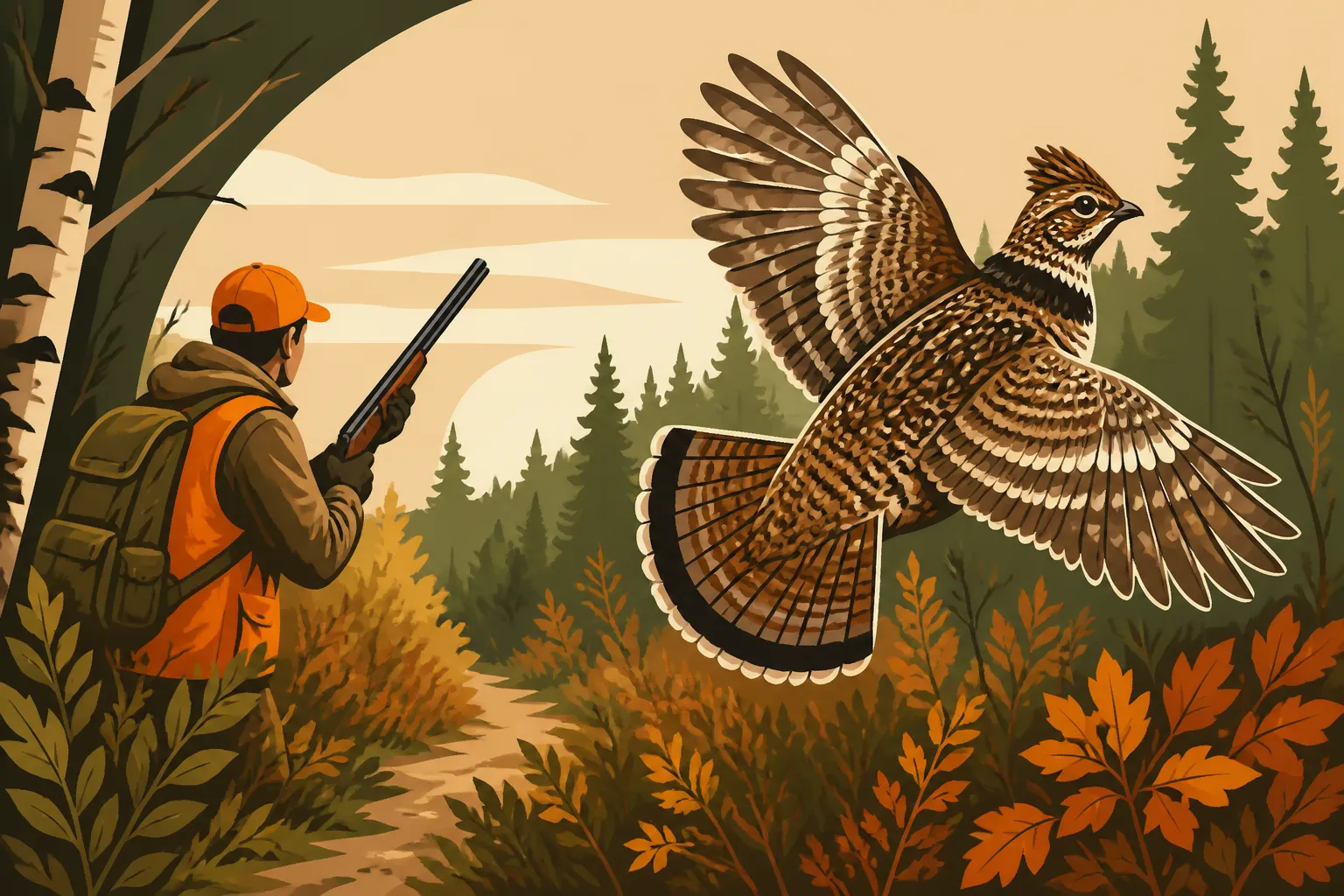
There's nothing quite like the sudden, explosive flush of a ruffed grouse from dense cover, sending your heart racing and demanding an immediate, instinctive reaction. Many of us know the frustration of walking miles of beautiful bush only to hear the roar of wings and see nothing but a fleeting glimpse of brown and grey disappearing into the spruce. This guide is here to unravel the mysteries of Ruffed Grouse Hunting Saskatchewan's Bush Trails, providing detailed strategies, gear advice, and habitat insights to help you consistently put these challenging birds in your vest.
The Ruffed Grouse: A Bush Trail Elusive King
Ruffed grouse, often affectionately called "partridge" by many, are arguably one of Saskatchewan's most exciting upland game birds to pursue. Their preference for thick, young forest cover, often right along trails, makes them both predictable in general location and incredibly unpredictable in their flush. Understanding their world is the first step to filling your game bag.
Preferred Habitats and Why They Stick to Trails
Ruffed grouse are creatures of the forest, specifically the younger, denser stands that offer both protection and abundant food. In Saskatchewan, this means vast tracts of aspen, poplar, birch, and willow, particularly in the forest fringe and boreal regions. They thrive in areas with a mosaic of young growth, dense shrubbery, and slightly more open patches, which often include our extensive network of bush trails.
These trails aren't just convenient pathways for hunters; they're vital arteries for grouse. The edges of trails, especially those that receive some sunlight, often host a variety of berry bushes like saskatoon, highbush cranberry, and buffaloberry, providing crucial food sources. Clover and various herbaceous plants also flourish in these openings, offering a smorgasbord for a hungry grouse. Furthermore, the thick cover immediately adjacent to the trail provides excellent escape routes and roosting spots. A grouse might be dusting itself in the fine dirt of the trail itself, sunning in a patch of light, or browsing on aspen buds just a few yards into the undergrowth when it hears you approaching. The juxtaposition of food, sunlight, and dense cover makes trail edges irresistible to them. Hunters often overlook the subtle cues that indicate a prime grouse trail, focusing instead on deeper woods. However, many successful hunts happen precisely because grouse are concentrated in these linear strips of prime habitat. You might be surprised at how many birds utilize old logging roads or even quad trails that weave through the forest. If you're looking for areas with a good mix of habitat, consider Hunting Saskatchewan's Boreal Forest Fringe where vast areas provide ideal conditions for these birds.
Recognizing Ruffed Grouse Behavior and Seasonal Patterns
Ruffed grouse behavior changes subtly throughout the year, primarily driven by food availability and breeding cycles. In spring, before the leaves fully emerge, males begin their iconic "drumming" display from a fallen log, attracting mates. While hunting isn't open then, it's a good time to scout potential areas, listening for drumming and marking drumming logs on a map or with a tool like GoHunt. This often indicates a higher density of birds in the vicinity.
As summer progresses, grouse chicks grow, feeding on insects, greens, and early berries. By late summer and early fall, when hunting season begins, birds are mature and highly reliant on a varied diet of berries, seeds, and the catkins and buds of aspen and birch. This is when they are most active along trails, foraging on the edges. Later in the fall, as snow begins to fall and other food sources dwindle, aspen buds become a critical part of their diet, and you'll often find them tucked into thick evergreens or dense willows, emerging to feed. In these colder months, a grouse might hold incredibly tight, relying on camouflage, before bursting out at your feet, forcing a quick shot. Knowing the various Saskatchewan Upland Bird Seasons will help you plan your hunt to coincide with these behaviors.
It's also worth noting the difference between ruffed grouse and their cousins. While less common on bush trails in the aspen parkland, you might encounter spruce grouse in the deeper boreal forests. Understanding Telling a Ruffed Grouse From a Spruce Grouse can help you identify your target. Spruce grouse tend to be much more docile and less prone to flushing, often allowing a closer approach. Ruffed grouse, on the other hand, are the epitome of the "exploding flush."
Gearing Up for Success on Saskatchewan's Grouse Trails
Hunting ruffed grouse on bush trails isn't about long-range shooting; it's about quick reactions and navigating challenging terrain. Having the right gear, from your shotgun to your boots, can make all the difference in your success and enjoyment.
Shotgun and Ammunition: Precision and Speed
When it comes to shotguns for ruffed grouse, speed and maneuverability are king. You're typically dealing with snap shots at birds flushing through thick cover at close range. An over-under or side-by-side shotgun, often shorter-barreled, is popular due to its balance and ease of handling in tight spaces. Pump-action and semi-automatic shotguns are also excellent choices, especially lighter models that swing quickly.
Gauge choice is often debated, but 12-gauge and 20-gauge are the most common. A 20-gauge offers a lighter gun, which is appreciated on long walks, with plenty of knockdown power for grouse. Many prefer a 20-gauge for its nimble feel. For ammunition, shot sizes 7.5 or 6 are ideal. They provide a dense pattern of small pellets, perfect for these relatively small birds without over-penetrating or destroying too much meat. Choke selection is critical: open chokes like Skeet, Improved Cylinder, or even Cylinder bore are highly effective. A tight choke will likely result in missed birds or severely damaged ones at close range, as the pattern hasn't had enough time to spread. For a double barrel, you might opt for Improved Cylinder in the first barrel and Modified in the second.
Here’s a quick overview of common shotgun setups for grouse:
| Gauge | Choke (First Barrel) | Choke (Second Barrel/Main) | Shot Size | Advantages |
|---|---|---|---|---|
| 12-Gauge | Improved Cylinder | Modified | 7.5 or 6 | Versatile, strong patterns, good range for follow-up |
| 20-Gauge | Skeet / Improved Cylinder | Improved Cylinder | 7.5 or 6 | Lighter, faster swinging, perfect for close flushes |
| .410 Bore | Full | Full | 7.5 or 6 | Very light, challenging but rewarding for experts |
Remember, the goal is to get enough pellets on the bird for a clean kill without shredding it. Practicing your snap shooting at clays can significantly improve your success rate on these fast-flushing birds. Always carry your firearm safely and be familiar with Saskatchewan Hunter Education and Firearms Safety regulations.
Essential Clothing, Footwear, and Navigation Tools
Saskatchewan's weather can be notoriously fickle, especially in the fall. Layering is crucial. Start with a moisture-wicking base layer, add an insulating mid-layer, and finish with a durable, water-resistant outer shell. You’ll be walking actively, generating heat, but also stopping, so being able to shed or add layers is key. Blaze orange is not just a suggestion; it's a legal requirement and a critical safety measure when Saskatchewan Blaze Orange Rules dictate. Ensure you have plenty visible on your vest or jacket, and ideally a blaze orange hat.
Footwear is perhaps the most important item after your shotgun. Bush trails can be wet, muddy, rocky, and uneven. Invest in sturdy, waterproof hiking boots with good ankle support. You’ll be stepping over logs, through puddles, and scrambling up short inclines. A good pair of gaiters can also be invaluable for keeping burrs, seeds, and moisture out of your boots and off your pants.
For navigation, a GPS device or a reliable mapping app on your phone is essential. Many of these bush trails aren't marked on standard road maps, and it's incredibly easy to get turned around, especially when you step off the trail to follow a bird or retrieve a downed one. Services like GoHunt are fantastic for grouse hunters as they provide detailed satellite imagery, topo maps, and crucially, land ownership layers. This allows you to plan your route, identify potential hotspots, and confirm you're on public land or land where you have permission, preventing accidental trespass. Always carry a physical compass and a basic paper map as a backup, and know how to use them. A fully charged power bank for your phone is also a must.
Beyond that, a comfortable game vest or small backpack to carry your birds, extra shells, water, snacks, and a small first-aid kit is advisable. A knife for field dressing, a small saw or clippers for clearing minor obstructions (if permitted), and a whistle for emergencies round out the essentials.
Tactical Approaches to Hunting Ruffed Grouse on Trails
Successfully hunting ruffed grouse isn't just about walking trails; it's about walking them smart. These birds are masters of camouflage and burst, and a strategic approach can drastically improve your chances.
The Art of the Slow Walk and Strategic Pauses
Many new grouse hunters make the mistake of walking too fast. Ruffed grouse, especially those holding tight to cover, will often let you walk right past them before flushing behind you, leaving you startled and usually with no shot opportunity. The key is a slow, deliberate pace, often described as the "stop-and-go" method.
Walk for 10-15 steps, then stop for 15-30 seconds. During your walk, scan the trail ahead, the dense cover immediately to the sides, and any openings. When you stop, stand perfectly still, and listen. Often, the sudden silence will make a nervous grouse flush. They've been listening to your cadence, and when it breaks, they feel exposed. This technique forces birds that would otherwise sit tight to flush, often giving you a vital few moments to swing your gun. Pay close attention to any subtle movements or sounds in the brush. Sometimes you’ll hear the quiet clucking or rustle of a bird before it takes flight.
This slow pace also allows you to absorb your surroundings and truly scout as you hunt. You'll notice fresh droppings, dust baths, or even the remnants of a drumming log, indicating active grouse use. Remember, ruffed grouse hunting is a mindful pursuit, not a race. You're trying to disrupt their sense of security enough to make them fly, but not so fast that you're unprepared. This method is particularly effective when you're Hunting Ruffed Grouse on a Saskatchewan Bush Road.
The Invaluable Role of a Well-Trained Dog
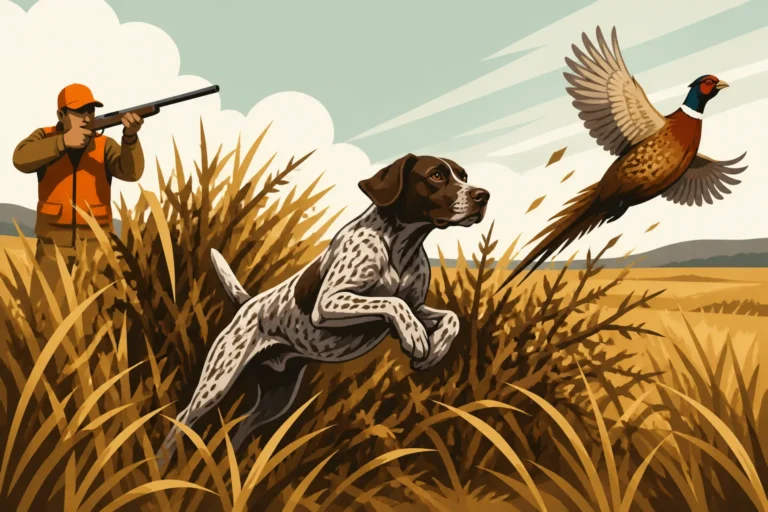
While certainly not a requirement, hunting ruffed grouse with a good bird dog is an absolute game-changer and adds an incredible dimension to the experience. Dogs excel at finding birds that would otherwise be missed, flushing them within range, and most importantly, retrieving downed birds from thick cover where a hunter might spend frustrating minutes, or even hours, searching in vain.
Different breeds are suited to different styles:
- Pointers (e.g., Brittanys, English Setters, German Shorthairs): These dogs will "point" a bird, freezing in position when they scent it, giving you time to walk up and be ready for the flush. This can be fantastic for grouse, allowing for more controlled shots.
- Flushers (e.g., Springer Spaniels, Labrador Retrievers, Cocker Spaniels): These dogs will actively work the cover, flushing birds out. While less controlled than a point, a good flusher will stay within gun range, pushing birds towards you.
Regardless of breed, a well-trained dog for grouse hunting needs to be disciplined. They must stay within close range, respond to commands, and be steady to shot and fall. A dog that ranges too far will flush birds out of range or lead you on a wild chase. The biggest benefit of a dog is recovering birds that fall into seemingly impenetrable brush. Without a dog, many downed birds are lost, which is an ethical concern for any hunter. A well-trained companion will greatly increase your success and enjoyment. If you're interested in this aspect, consider researching Using a Flushing Dog in Thick Cover for more detailed information.
Reading the Land: Identifying Prime Flushing Zones
As you slowly walk a bush trail, don't just stare at the path in front of you. Continuously scan the surrounding habitat for what I call "prime flushing zones." These are spots where a grouse is most likely to be, and therefore, most likely to flush from.
Look for:
- Thick Undergrowth: Dense patches of young aspen, willow, alder, or spruce provide excellent cover. Grouse feel secure in these spots.
- Transition Areas: Where thick cover meets a more open area, like the trail edge or a small clearing. Grouse often feed in the open and retreat to thick cover.
- Fallen Logs and Brush Piles: These offer both cover and elevated perches for drumming or observing. A grouse might be sitting on or right next to a log.
- Wet Areas/Seeps: Even small damp spots often have more succulent vegetation, attracting insects and offering a drinking source.
- Sunlight Patches: Especially on cool days, grouse love to sun themselves. Look for sunny spots within or at the edge of thick cover.
- Berry Bushes: During late summer and fall, any area with berry bushes is a prime feeding location.
When you approach these zones, mentally prepare for a flush. Slow your pace even further, ready your gun, and make sure your footing is secure. Often, the bird will flush from the opposite side of the trail from you, using the thick cover as a screen. Anticipating these angles can give you a critical edge. You'll develop an instinct for these spots over time, but actively looking for them will accelerate your learning curve.
Accessing and Navigating Saskatchewan's Grouse Country
Finding the right bush trails to hunt ruffed grouse in Saskatchewan requires a bit of homework, but the rewards are well worth it. Knowing where you can legally hunt and how to get there is paramount.
Locating Public Bush Trails and Crown Land
Saskatchewan offers a wealth of public hunting opportunities, especially for upland birds like ruffed grouse. The vast majority of ruffed grouse habitat lies within the Forest Fringe and Boreal Forest regions. These areas contain significant tracts of Crown land, provincial forests, and Fish and Wildlife Development Fund (FWDF) lands, all of which are generally open to public hunting.
Your best friend for finding these areas will be mapping resources. The Saskatchewan government provides online maps that highlight Crown land boundaries. However, more advanced digital mapping apps, such as GoHunt, take this a step further by layering detailed satellite imagery, topographic contours, and precise property lines, including public lands. This allows you to zoom in and identify specific bush trails, old logging roads, and cutlines that weave through grouse habitat. Many of these smaller trails won't appear on standard road maps, making a specialized app like GoHunt invaluable for pinpointing prime access points and planning your route. Look for areas adjacent to larger agricultural fields where the forest fringe begins, as these often have a rich transition zone that grouse love. Familiarize yourself with Reading a Saskatchewan WMZ Map Before You Go to understand the specific regulations for the area you plan to hunt.
When looking at maps, seek out areas with:
- Mixed Forest Types: Patches of young aspen and poplar mixed with older spruce and willow.
- Water Sources: Small creeks, sloughs, or low-lying damp areas, which often create dense shrubbery.
- Old Logging Activity: Regenerating clear-cuts or old skid trails are often grouse magnets.
Remember to identify your Wildlife Management Zone (WMZ) and check the specific regulations for that zone, as season dates and bag limits can vary. While much of the boreal forest is accessible, it's also true that some of the best ruffed grouse hunting can be found in the more accessible forest fringe areas.
Respecting Land Access and Safety Protocols
Even when hunting on Crown land, access can sometimes be tricky. Be mindful of privately owned land that may border Crown land or even contain small trails leading into public areas. Always confirm your location using your GPS or mapping app. If you're unsure whether land is public or private, assume it's private and seek permission.
When approaching any farm or rural property, it's courteous and often necessary to knock on doors and ask for permission, even if you just need to cross a corner of their land to access public ground. Understanding Saskatchewan Landowner Permission Law is crucial. Most landowners in Saskatchewan are friendly and willing to grant access if you ask respectfully, explain your intentions, and offer to share your contact information. Always adhere to any specific rules they might have, such as staying off certain fields or avoiding livestock.
Safety is paramount when hunting bush trails:
- Wear Blaze Orange: As mentioned, it's a legal requirement and highly advisable for visibility to other hunters.
- Hunt with a Partner: An extra set of eyes and ears is always beneficial, and in case of an emergency, you have support.
- Tell Someone Your Plans: Inform a non-hunting contact about your route, where you'll be parking, and when you expect to return.
- Be Aware of Other Users: Bush trails are often used by hikers, ATV riders, and other outdoor enthusiasts. Exercise extreme caution and always identify your target and what lies beyond it before taking a shot.
- Check Weather Forecasts: Saskatchewan weather can change quickly. Be prepared for rain, snow, or sudden drops in temperature. Consider how to dress safely if you're Hunting Saskatchewan Winter Weather Safely.
- Firearm Safety: Always treat every firearm as if it's loaded. Keep the muzzle pointed in a safe direction. Engage the safety until you are ready to shoot.
By respecting landowners, understanding local regulations, and prioritizing safety, you'll ensure a positive and sustainable hunting experience for yourself and others.
From Field to Fork: Handling Your Ruffed Grouse Harvest
Once you’ve successfully harvested a ruffed grouse, the work isn’t over. Proper field dressing and handling are essential to preserve the quality of the meat, ensuring a delicious meal at the end of your hunt.
Field Dressing and Initial Meat Care
Ruffed grouse are relatively small birds, and their meat can spoil quickly, especially on a warm day. The best practice is to field dress them as soon as possible after the harvest. This means removing the entrails to allow the carcass to cool down.
To field dress a grouse:
- Locate the Vent: Make a small incision around the vent (anus) with a sharp knife.
- Open the Cavity: Gently insert two fingers into the cavity and pull out the entrails. Be careful not to rupture any organs.
- Remove Crop: Reach up towards the neck and pull out the crop, which is a pouch that holds undigested food.
- Wipe Clean: Use a clean cloth or grass to wipe out any remaining blood or debris from the cavity. Avoid rinsing with water unless you can dry the cavity thoroughly, as moisture promotes bacterial growth.
After field dressing, allow the birds to cool. If the weather is warm, place them in a game bag (preferably mesh) and hang them in a shady, breezy spot. Never pile birds in a warm truck bed or a sealed plastic bag, as this will trap heat and ruin the meat. If it's a cool Saskatchewan fall day, simply placing them in a well-ventilated game vest or backpack is usually sufficient, but always prioritize cooling. On exceptionally cold days, you might not have to worry as much about spoilage, but if you're hunting in the late season, remember to account for Meat Care in Saskatchewan's Cold Snaps.
Preparing Your Birds for the Table
Once you’re back home, you have a couple of options for preparing your grouse for storage or cooking: plucking or breast filleting.
Plucking:
- Pros: Keeps the skin on, which adds flavour and prevents the meat from drying out during cooking. The entire bird, including legs and wings, can be used.
- Cons: Time-consuming and can be messy.
- Method: Best done when the bird is still warm or after a brief chill. Pluck feathers against the grain. A quick dip in hot water can sometimes help loosen feathers.
Breast Filleting:
- Pros: Quick and clean. Most of the meat is concentrated in the breast, and many hunters prefer not to bother with the smaller leg and wing meat.
- Cons: Loses the skin, and you sacrifice the leg and wing meat.
- Method: Lay the bird on its back. Make an incision down the center of the breastbone. Using your fingers or a knife, separate the breast meat from the bone on each side. The two breast halves will come off easily.
After either method, thoroughly inspect the meat for any shot pellets or bruised areas, trimming them away. Rinse the meat gently under cold water and pat completely dry with paper towels.
For storage, individual vacuum sealing is ideal for preserving freshness in the freezer. If you don't have a vacuum sealer, wrap each bird or breast tightly in plastic wrap, then butcher paper or aluminum foil, and place in a freezer bag. Properly stored grouse can last 6-12 months in the freezer.
Ruffed grouse meat is lean and delicate, with a mild, slightly woodsy flavour. It's excellent pan-fried, roasted whole (if plucked), or used in stews and stir-fries. Keep cooking simple to let the natural flavour shine. A quick sear in butter with herbs, or a gentle braise, can yield fantastic results. Enjoying the fruits of your labour is the best part of any hunting trip, and ruffed grouse provide a truly special meal.
Disclaimer
Hunting is an activity that carries inherent risks. Always prioritize safety, adhere to all local, provincial, and federal hunting regulations, and ensure you have the necessary licenses and permits. The information provided here is for general guidance and educational purposes only and should not replace professional training or official government resources. Be respectful of wildlife, the environment, and other outdoor enthusiasts.